Plumbing & Water: Pipes, Drains, Water Heaters, Wells & Septic
Most home plumbing problems start small: a slow drain, a damp cabinet floor, a water heater that pops and rumbles. Some are a ten-minute fix with a plunger or a new flapper, while others hide expensive damage inside walls, under slabs or out in the yard. This hub groups our plumbing and water guides into four areas (water heaters, leaks and supply piping, drains and fixtures, and private wells, septic and water treatment) and, for each, sorts out what a homeowner can reasonably handle, when a licensed plumber or specialist is the safer call and what a home inspector is likely to note in a report. For the wider process of choosing and scheduling inspectors, start with the guide to hiring a home inspector.
Water heaters
Under the ASHI Standard of Practice, a home inspector inspects water heating equipment and describes its energy source, so the water heater almost always gets a line in the report. Typical flags include a missing or improperly piped temperature and pressure relief discharge line, rust at the tank base, scorching or poor draft at a gas vent, and a unit near the end of its expected life. Our guide to a leaking water heater walks through which leaks are fittings and valves (often repairable) and which come from the tank itself (a replacement).
Routine care is largely homeowner territory. Draining sediment is covered in the water heater flush guide, and checking the sacrificial rod that slows tank corrosion is explained in the anode rod inspection guide. Relighting a standing pilot is often a DIY job if the manufacturer’s instructions are followed exactly; the pilot light troubleshooting guide explains when a pilot that will not stay lit points to a thermocouple, a venting problem or a gas supply issue that belongs to a professional. Any smell of gas means leaving the house and calling the utility, not troubleshooting.
Electric units have their own failure patterns. If the unit keeps shutting off, the article on a water heater tripping the breaker covers shorted elements, failed thermostats and wiring faults; because the cabinet holds 240-volt connections, most of that diagnosis is work for a plumber or electrician. Inspectors also look for a thermal expansion tank where the water system is closed by a check valve or pressure regulator, since some jurisdictions require one in that setup.
When replacement is on the table, the water heater replacement cost guide breaks down tank, tankless and labor pricing, which commonly lands somewhere from the low thousands of dollars upward depending on fuel, venting and permits. Owners weighing an upgrade can compare a tankless water heater on sizing and gas line demands, or a heat pump water heater, which needs space, air volume and a condensate drain to perform well.
Leaks, pipes and pressure
Leaks are the most common plumbing complaint and the easiest to underestimate. A drip at a compression fitting is often a quick DIY tightening or a supply line swap, as described in the guide to a leak under the kitchen sink. Appliance leaks deserve faster attention, because water tends to travel under flooring: the dishwasher leaking guide explains how to check door gaskets, drain hoses and the subfloor. A toilet that rocks or leaves water on the floor may have a failed wax ring, and the article on a toilet leaking at the base covers when the subfloor needs to be checked for rot. A shower pan leak is harder, since the failure is hidden under tile; stains on the ceiling below are a typical clue an inspector will flag. EPA’s WaterSense program notes that household leaks can waste nearly 1 trillion gallons of water a year nationwide, according to its Fix a Leak Week page.
Supply pressure and pipe behavior matter too. A gauge on a hose bib gives a quick reading, and our water pressure test guide explains what the readings suggest and when a pressure-reducing valve may be failing. Banging pipes when a valve closes are covered in the article on water hammer. Note that the ASHI standard does not require inspectors to measure water supply flow and pressure, so some reports only describe functional flow at fixtures.
Front Range winters bring their own risk. Pipes in exterior walls, crawl spaces and garages can freeze during cold snaps, and the frozen pipes guide covers prevention and safe thawing without open flame. If a pipe has already split, the burst pipe repair guide starts with shutting off the main valve and documenting damage for insurance. Water appearing on a slab floor, warm spots or an unexplained jump in the water bill can point to a slab leak, which usually needs professional leak detection.
Pipe material is one of the first things an inspector notes, because some materials have known problems. Older homes may still carry galvanized pipes, which corrode from the inside and reduce flow, while homes plumbed roughly from the late 1970s into the 1990s may have gray polybutylene pipes that some insurers view unfavorably. Repiping is licensed plumber work in most cases. Properties with irrigation systems or certain commercial-style connections may also face annual backflow testing, typically required by the local water provider rather than discovered during a home inspection.
Drains, toilets and fixtures
Drain problems are where DIY work is most practical. A plunger, drain snake or trap cleanout handles many blockages, and the clogged drain guide explains why harsh chemical openers can damage older piping and make a plumber’s job riskier. The same logic applies to the clogged toilet guide. Fixing a running toilet is usually a straightforward parts swap covered in the toilet tank repair guide. Under most sinks, the curved P-trap holds a water seal that blocks sewer gas; it can be cleaned or replaced with basic tools.
Appliances that drain into household plumbing are frequent troublemakers. The guide to a dishwasher not draining covers filters, air gaps and disposal knockout plugs, while garbage disposal repair explains jams, resets and leaks. Overflowing standpipes are covered in the article on washing machine drain problems, and small but damaging drips behind the fridge are covered in refrigerator water line repair. The ASHI standard does not require inspectors to inspect clothes washer connections, so owners should check those hoses themselves.
Wet-area finishes protect the structure behind them. Failed sealant around a tub lets water into the wall cavity; the guide to caulking a bathtub and the article on grout repair cover routine maintenance most owners can do.
Odors and gurgling are a different category. A sewer smell in the house can come from a dry trap in an unused bathroom, a failed wax ring or a venting problem. Slow drains throughout the house and gurgling fixtures can point to a blocked plumbing vent stack, which often involves roof access and is best left to a plumber. Recurring backups at the lowest drains may mean the main sewer line itself is failing; a camera scope is the usual next step, and the sewer line replacement cost guide explains trenchless and open-trench options, which commonly run into the thousands or more.
Wells, septic and water treatment
Rural and foothill properties along the Front Range often rely on a private well and an onsite septic system, and both sit outside a standard home inspection. The ASHI standard does not require inspectors to inspect wells, well pumps, water conditioning systems or septic systems, or to determine water quality. That makes separate testing and specialist evaluations important for buyers. The EPA notes on its private drinking water wells page that private well owners are responsible for the safety of their own water and that private domestic wells are not regulated under the federal Safe Drinking Water Act.
Start with well water testing through a certified lab, then size any treatment to the results; the well water filtration system guide explains why testing comes first. Mechanical components fail on their own schedule. A short-cycling pump often traces back to a waterlogged well pressure tank or a worn well pump pressure switch. Because well equipment combines electrical and plumbing work, most repairs belong with a licensed well contractor; the well pump replacement cost guide compares submersible and jet pumps.
For septic systems, regular pumping is the core maintenance task. The septic tank pumping cost guide covers typical intervals and what a pumping visit includes. Soggy ground, lush strips of grass or slow drains across the house can point to a failing drain field, and the leach field repair guide explains the options, which range from rest and repair to full replacement.
Water treatment equipment is common on both municipal and well supplies. A reverse osmosis system typically treats drinking water at a single tap. Owners comparing hardness solutions can read about a salt-free water softener, which conditions rather than removes minerals, or about the pros and cons of different water softener salt types.
DIY or pro? A quick reference
Use this table as a starting point. Costs are broad industry ranges, not quotes, and vary by home, access, permits and local labor rates.
| Problem | Reasonable DIY step | Call a pro when | What an inspector may flag |
|---|---|---|---|
| Water heater issues | Flush sediment, check anode rod, relight pilot per label | Gas smell, tank leak, repeated breaker trips, venting concerns | T&P discharge line, rust, venting, age, missing expansion tank |
| Leaks under sinks or appliances | Tighten fittings, replace supply lines, dry and monitor | Water under flooring, ceiling stains, recurring leaks | Active leaks, staining, damaged cabinet floors |
| Pipes and pressure | Test pressure with a gauge, insulate exposed pipes | Burst or frozen pipes in walls, suspected slab leak, repiping | Galvanized or polybutylene pipe, low flow, banging pipes |
| Drains and toilets | Plunge, snake, clean P-trap, replace flapper | Backups at lowest drains, sewer odor that persists, vent clogs | Slow drains, loose toilets, missing caulk or cracked grout |
| Main sewer line | Avoid flushing wipes and grease | Recurring backups, root intrusion, older clay or cast iron line | Recommendation for a separate camera scope |
| Wells and water treatment | Schedule lab testing, maintain softener salt | Short cycling, no water, pump or tank replacement | Usually outside scope; may recommend well testing |
| Septic systems | Keep pumping records, conserve water | Soggy drain field, backups, odors in the yard | Usually outside scope; may recommend a septic evaluation |
References
- ASHI Standard of Practice for Home Inspections — American Society of Home Inspectors
- Private Drinking Water Wells — U.S. Environmental Protection Agency
- Fix a Leak Week — U.S. EPA WaterSense
Frequently asked questions
What are the most common home plumbing problems?
Common issues include dripping fixtures, leaks under sinks, running toilets, clogged drains, water heater sediment and leaks, low water pressure and sewer odors. Older homes may also have aging galvanized or polybutylene supply pipes, and rural homes add well and septic maintenance.
Which plumbing repairs can a homeowner do safely?
Many owners can plunge or snake a drain, clean a P-trap, replace a toilet flapper or fill valve, swap a sink supply line, recaulk a tub and flush a water heater. Gas appliance repairs, repiping, sewer line work, slab leaks and anything requiring a permit are usually best left to a licensed plumber.
Does a home inspection check the plumbing?
Yes. Under common standards of practice, inspectors check visible supply and drain piping, fixtures, faucets and water heating equipment, and note the location of the main shut-off. They are generally not required to inspect wells, septic systems, water treatment equipment or the buried sewer line, or to test water quality.
Should I get a sewer scope when buying a house?
A sewer scope is often worth considering for older homes, properties with mature trees or homes with a history of backups. A camera inspection of the main line can reveal root intrusion, cracks or sagging pipe that a standard inspection cannot see.
What should buyers do if the home has a well and septic system?
Order a lab test of the well water and a separate septic evaluation, ideally early in the inspection contingency period. Ask the seller for pumping and maintenance records, and consider having a well contractor check the pump, pressure tank and pressure switch.
Buying or maintaining a home along the Front Range and unsure whether a plumbing issue needs a specialist? Contact our team and we can point you toward qualified local inspectors and help you plan the right follow-up evaluations.
Water heaters
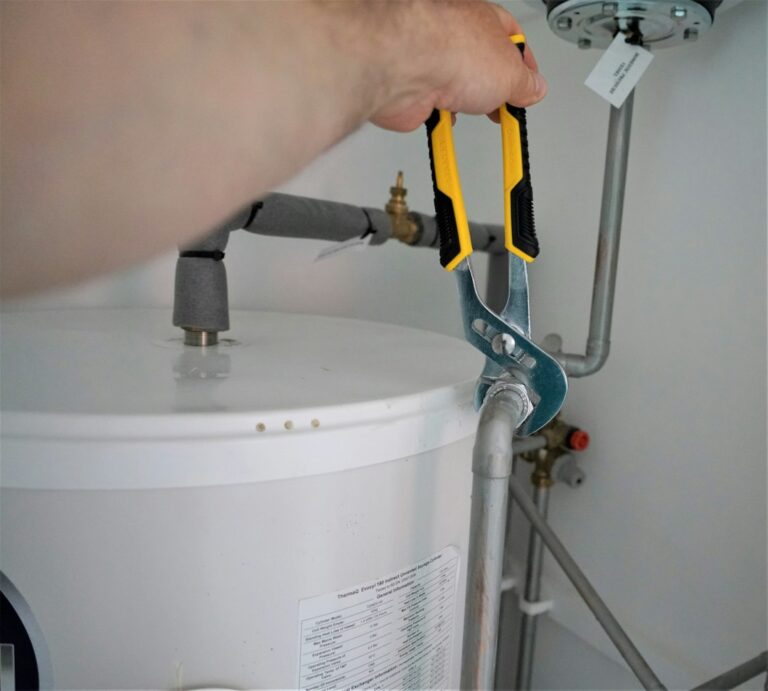
Water Heater Size: Choosing Gallons and First-Hour Rating

Gas Water Heaters: Venting, Combustion Air and Lifespan
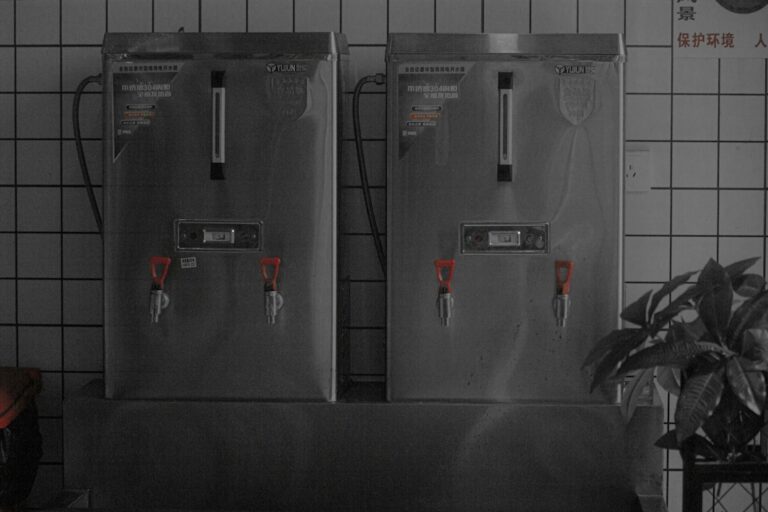
Hot Water Dispenser: Instant Hot Taps, Wiring and Safety

Point of Use Water Heater: Under-Sink Units and Sizing
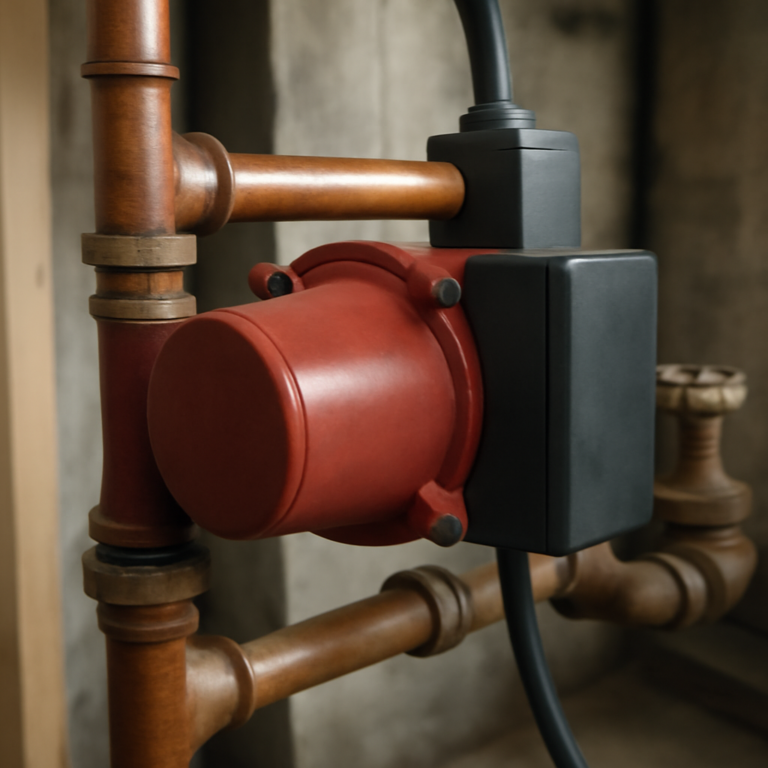
Recirculation Pump: Instant Hot Water, Costs and Tradeoffs

Water Heater Drain Valve: Leaks, Flushing and Replacement
Leaks, pipes & pressure
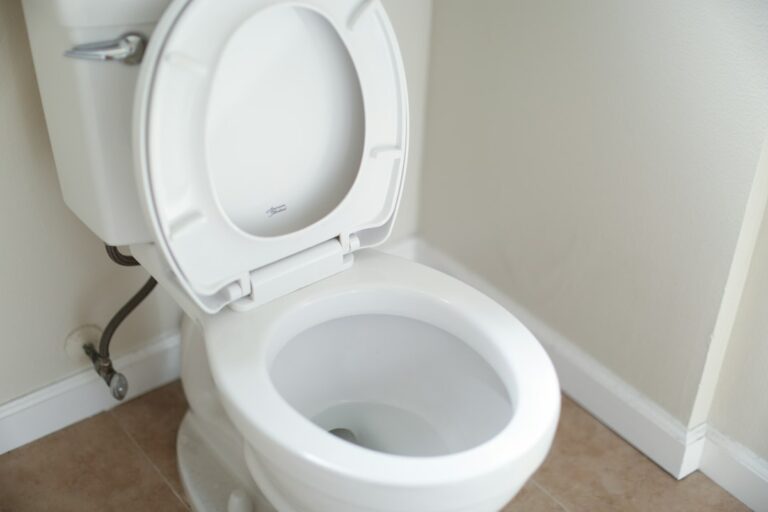
Toilet Shut Off Valve: Leaks, Stuck Valves and Replacement
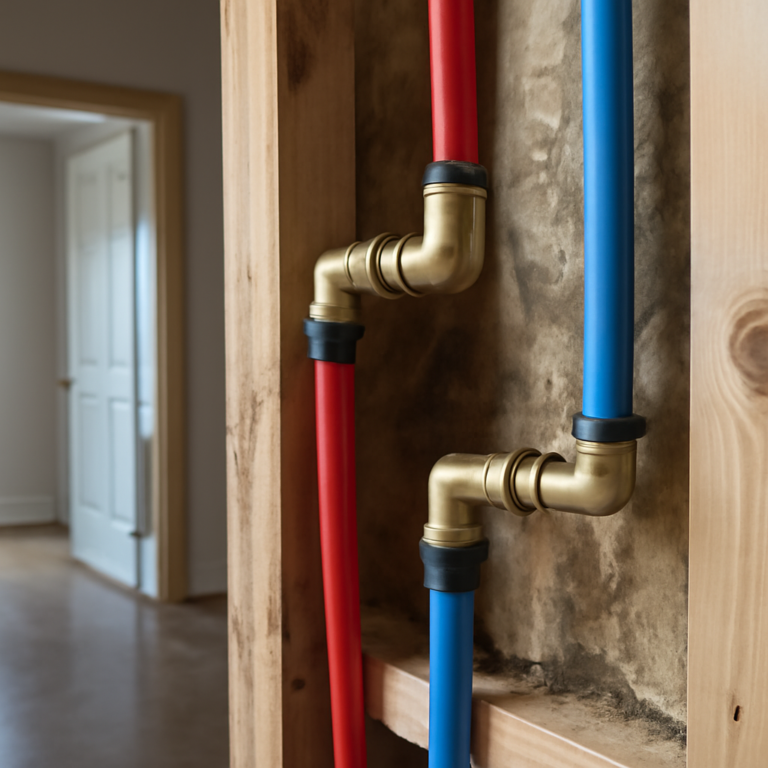
PEX Fittings: Crimp, Clamp, Expansion and Push-Fit Compared

Irrigation Backflow Preventer: PVB, RPZ and Winterizing

Sprinkler Timer: Smart Controllers, Schedules and Water Use

Sprinkler Head Replacement: Types, Leaks and Overspray

Drip Irrigation: Water-Wise Watering Near Foundations
Drains, toilets & fixtures

Water Filter Pitchers: What They Remove and What They Miss

Grout Sealer: When to Seal and How to Keep Water Out of Tile
Dishwasher Air Gap: Why It Matters and How to Clear It
Refrigerator Water Filters: What They Remove and When to Change

Bathroom Sink Drain: Pop-Up Stoppers, Clogs and Leaks
Tub Drain Stoppers: Types, Removal and Fixing Slow Drains
Wells, septic & water treatment
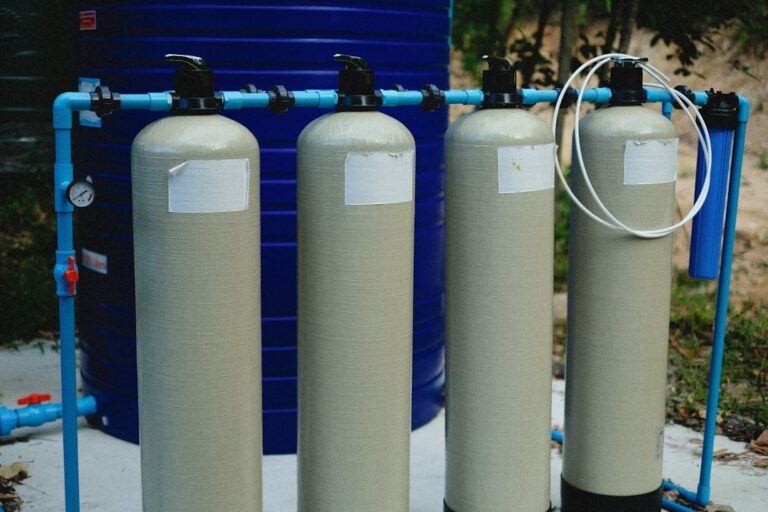
Whole House Sediment Filters: Sizing, Micron Ratings and Changes

Water Hardness Test: Strips, Kits and Reading Results
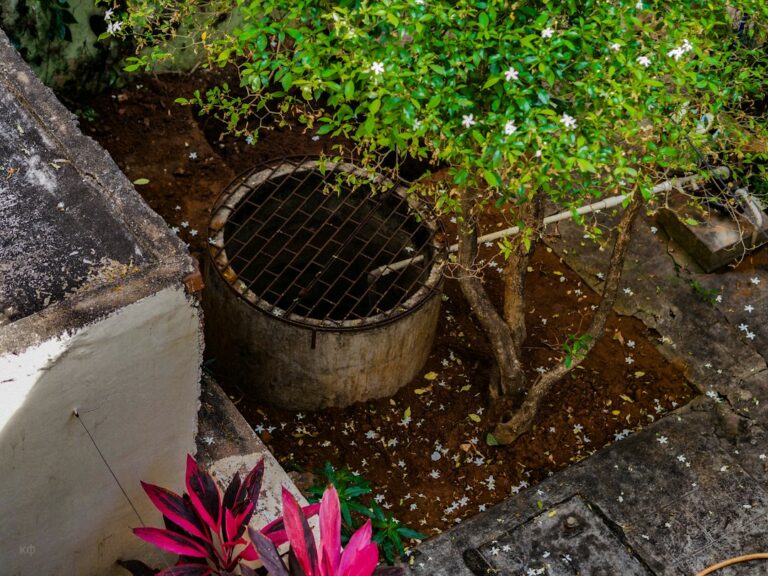
Iron Filter: Removing Iron and Staining From Well Water
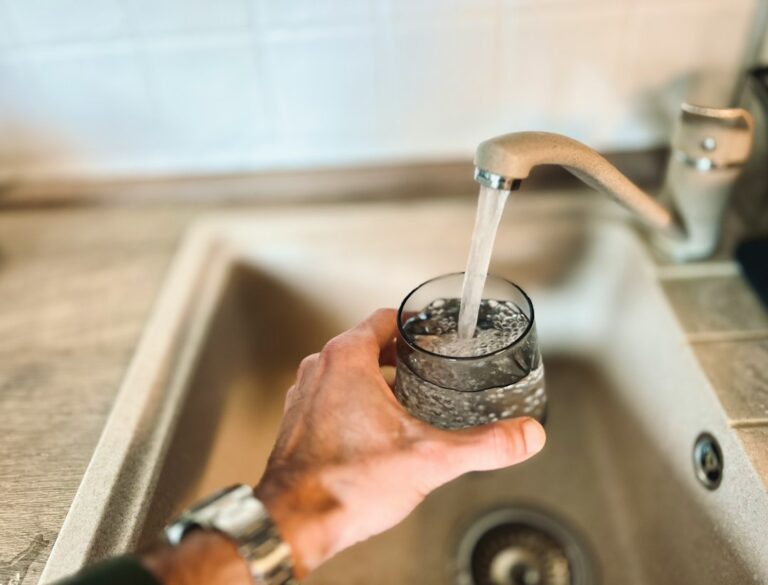
Water Softener Installation: Placement, Bypass, Drain and Cost

Hard Water Stains: Causes, Removal and Water Treatment

Rotten Egg Smell in House: Gas Leak, Sewer Gas or Sulfur Water?
Browse all 129 plumbing & water guides » Back to the Hiring a Home Inspector hub