Radon Mitigation Systems: How They Work, Costs & Fans
This hub collects our guidance on lowering radon once a test comes back high. It covers how mitigation systems pull soil gas out from under a house, what installation and upkeep tend to cost, how to vet a contractor, and which fans and parts do the work. Colorado is a high-radon state, and much of the Front Range sits on uranium-bearing soil and rock, so these questions come up in a large share of local home sales. If you have not tested yet, start with our radon testing guide for Colorado homeowners. For a single, detailed walk-through of one system from suction point to roof, read our complete radon mitigation system guide. The material here summarizes EPA and CDPHE guidance current as of 2026. It is general guidance, not medical or engineering advice; a certified radon professional should design and verify any system in your home.
Radon mitigation near you on the Front Range
Radon levels vary from house to house, even on the same street, but the Colorado Department of Public Health and Environment (CDPHE) has long flagged most of the state as having elevated potential. That is why mitigation is routine along the Front Range rather than unusual. Our local guides cover what changes from one area to the next: common foundation types, soil conditions, typical installer availability and local permitting. Start with how to choose a radon mitigation company near you, then check what installers in your area tend to charge in our Colorado radon mitigation cost overview.
County and city pages go deeper. South of Denver, the guide to radon mitigation in Douglas County covers the many newer homes with walkout basements and partial passive systems. North and east of the metro, see Adams County and Aurora. Rural buyers will find notes on well water and crawl-space homes in Elbert County. Farther south, radon mitigation in Colorado Springs addresses the El Paso County market, while Northern Colorado readers can turn to Larimer County and Greeley. Mountain-area owners in places like Gilpin County, where granite bedrock and older crawl spaces are common, will find their county and city pages in the cards below.
What radon mitigation costs
Price is usually the first question after a high test. Costs depend on foundation type, soil permeability, how many suction points are needed, and whether the pipe runs inside the house or up an exterior wall. Commonly quoted ranges for a standard single-suction-point sub-slab system fall somewhere around $800 to $2,500, while crawl-space membranes, multiple suction points or finished-basement routing can push a job higher. Treat any figure as an estimate; Front Range pricing may sit above or below national numbers.
Our 2026 radon mitigation system cost guide lays out the main price drivers, and what homeowners actually pay for radon mitigation looks at quotes from the buyer’s side. If you want to see where the money goes, the breakdown of radon system cost by part separates labor, fan, pipe and sealing. Basement homes have their own page on basement radon mitigation system cost.
Installation is only part of the bill. The fan runs around the clock, so the monthly operating cost of a radon system is worth understanding before you sign. Fans eventually wear out, and our guide to the cost to repair a radon mitigation system explains typical service calls. CDPHE has also offered financial assistance to eligible low-income Colorado households, so check its current program before assuming you must pay the full amount.
Choosing a radon mitigation company
The EPA recommends hiring a qualified, certified radon professional rather than a general handyman. In the United States, the two national credentialing bodies are the National Radon Proficiency Program (NRPP) and the National Radon Safety Board (NRSB). Both publish searchable directories, and CDPHE points Colorado residents toward certified professionals as well. Ask whether the person doing the work, not just the company owner, holds a current mitigation credential.
Our overview of what to know about radon mitigation companies covers bids, warranties and red flags, and the guide to working with a radon mitigation specialist explains what a proper diagnostic visit should include. A good installer inspects the foundation, sump and crawl space, often runs a communication test to see how far suction travels under the slab, and explains where the fan and discharge will go.
Get more than one written quote, and compare them line by line. The lowest bid is not always the cheapest outcome if it skips sealing, uses an undersized fan or leaves out a post-installation test. For a practical checklist of questions, see finding radon mitigation services near you and what to expect from a local installation. Keep the contract, design notes, system label and test results together; buyers and their inspectors will ask for them when you sell.
Radon fans, pipes and parts
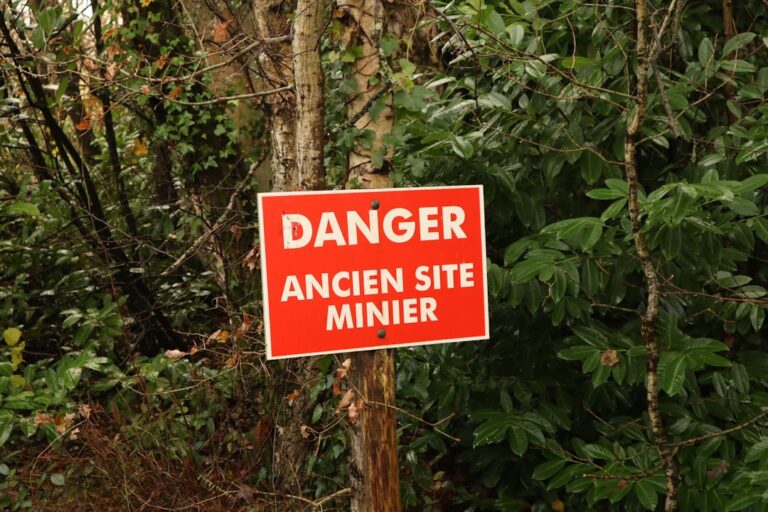
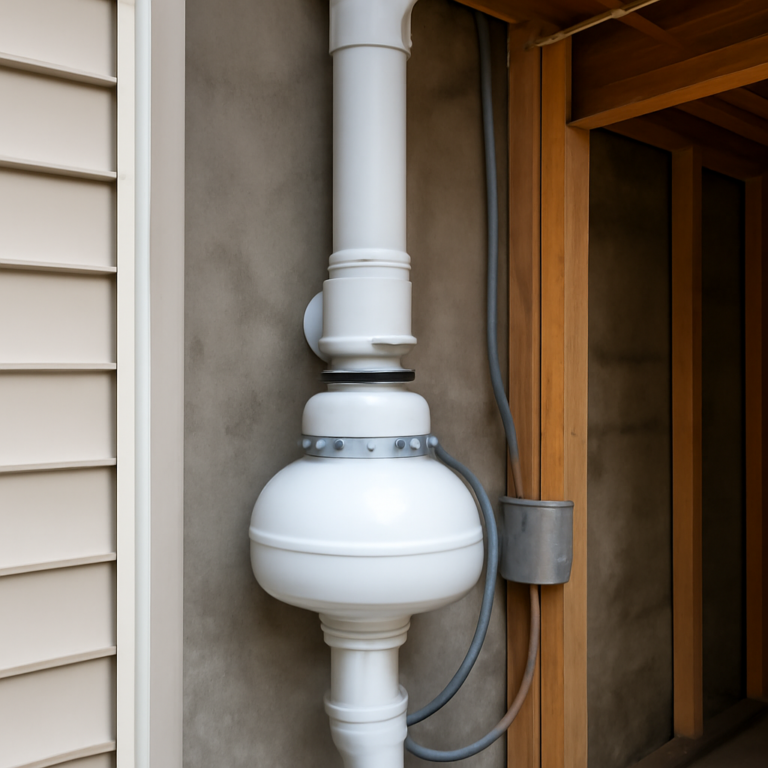
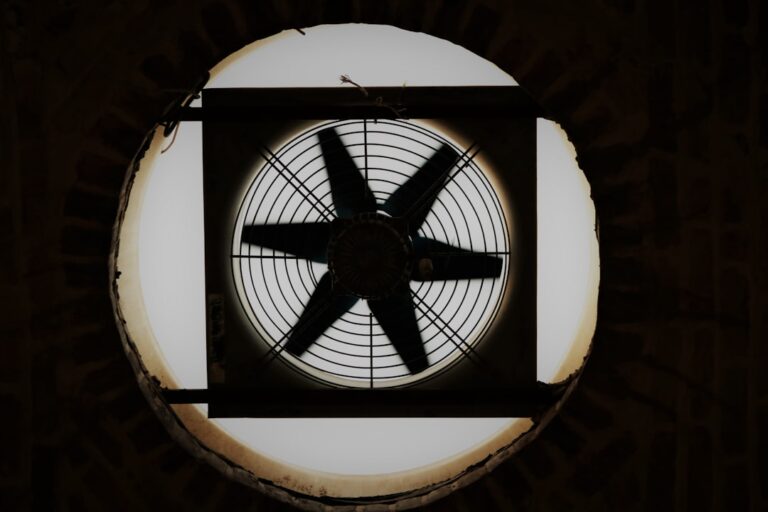
An active system has only a few components, but each one matters. The fan creates the suction, the PVC vent pipe carries soil gas out, and a U-tube manometer on the pipe shows whether the system is pulling. Seals at slab cracks, the floor-wall joint and the sump lid help the fan work efficiently. If you are shopping for or replacing equipment, browse our radon fan product category to compare common models.
Fan choice depends on soil, slab size and how much suction the design needs. Our 2026 radon fan buyer’s guide compares models by airflow and pressure, and what makes a radon fan quiet addresses the most common complaint. Placement is a code and safety issue: the fan belongs outside conditioned living space, which is why the guides to an exterior radon fan and to whether a radon fan can go in a basement are worth reading before work begins.
Pipe routing and sizing affect noise, condensation and performance, all covered in our radon vent pipe guide. Homes with a sump pit need an airtight lid, and the guide to a radon sump pump cover explains how it still allows service access. Owners who want to understand the install itself can read about radon fan installation, including mounting with rubber couplings and wiring to an accessible disconnect.
How radon mitigation systems work
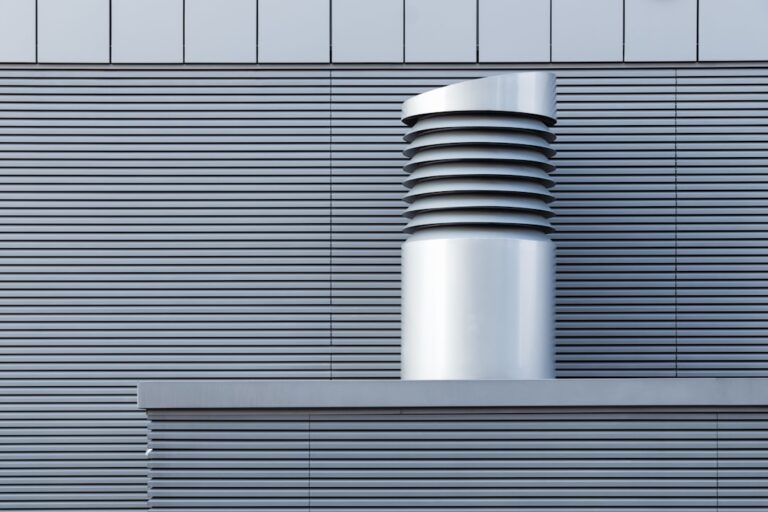
Air pressure inside a house is usually slightly lower than in the soil beneath it, especially in winter, so soil gas gets drawn in through cracks and gaps. A mitigation system reverses that relationship. Sub-slab depressurization, the most common method, seals a PVC pipe into a hole in the slab and uses a fan to create a slight vacuum underneath, so radon flows up the pipe and out above the roofline. Our guide to the sub-slab radon mitigation system explains the design, and the radon mitigation system diagram labels each part.
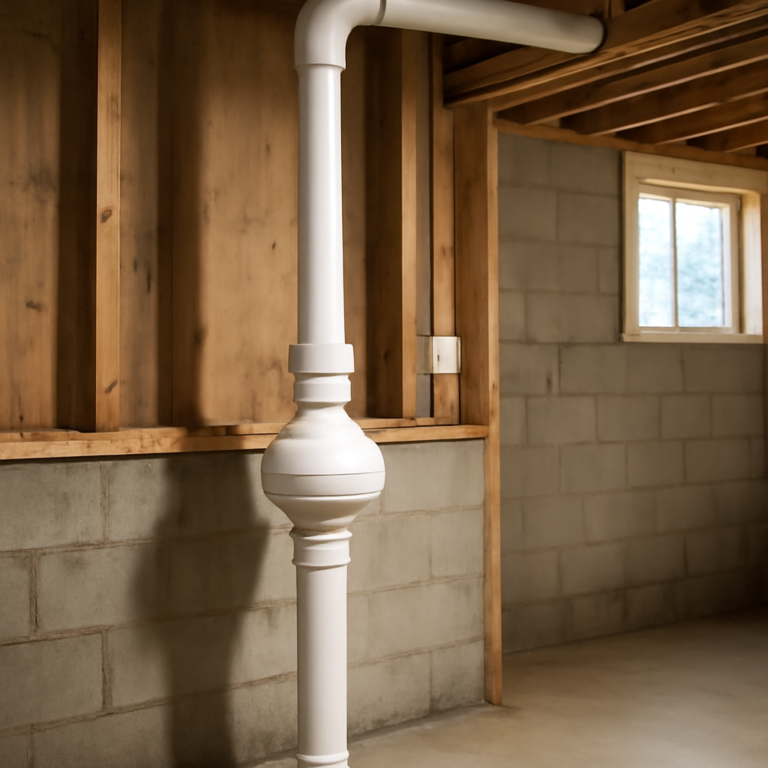
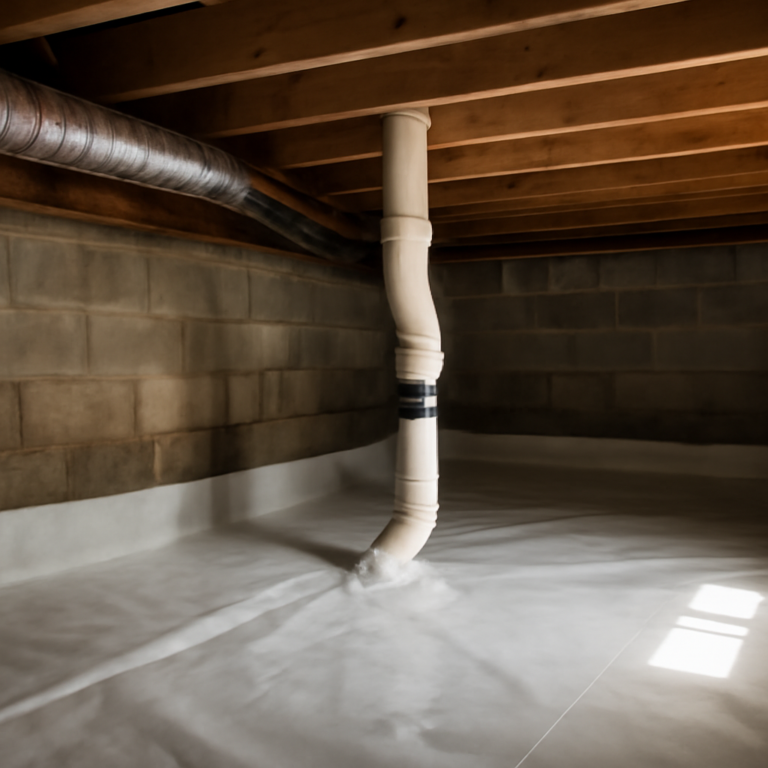
Crawl spaces use sub-membrane depressurization: a heavy plastic sheet is sealed over the ground and the pipe draws from beneath it. See radon mitigation for crawl spaces for details. Many newer homes include a passive radon system with no fan, which can often be upgraded to active if tests stay high.
Testing does not stop at installation. A post-mitigation test, run at least 24 hours after the fan starts and generally within 30 days, is the only way to confirm the result. Our post-mitigation verification guide covers that step, radon system service and maintenance explains ongoing checks, and whether radon mitigation systems work reviews the evidence. Homes on private wells may also need a radon water mitigation system.
More radon mitigation guides
The first decision is whether to mitigate at all. The EPA recommends fixing a home when radon is at or above 4 picocuries per liter (pCi/L) and suggests considering action between 2 and 4 pCi/L, since there is no known safe level. Our guide on at what level radon should be mitigated covers how to confirm a short-term result before committing, and the full radon testing and mitigation workflow lays out every step from first test to retest.
Different foundations call for different approaches, which is the focus of radon mitigation techniques by foundation type. If you are building, radon mitigation in new construction explains radon-resistant features that are far cheaper to add before the slab is poured. Hands-on owners sometimes consider doing the work themselves; what DIY radon mitigation really takes sets out the risks, including fan placement mistakes and missing documentation at resale. After any system goes in, the EPA recommends retesting at least every two years and after major renovations.
Radon mitigation at a glance
| System type | Best for | How it works | Typical cost range (estimate) |
|---|---|---|---|
| Sub-slab depressurization | Basements and slab-on-grade homes | Fan pulls soil gas from a suction pit under the slab and vents it above the roof | Roughly $800 to $2,500 for a standard job; more for multiple suction points |
| Sub-membrane depressurization | Dirt or gravel crawl spaces | Sealed plastic membrane over the ground, with suction drawn from beneath it | Often around $1,500 to $4,500, depending on area and sealing |
| Passive-to-active conversion | Newer homes with an existing vent stack | Adds a fan and electrical to a pipe already built into the house | Commonly a few hundred dollars to about $900 |
| Sump or drain-tile suction | Homes with a sump pit or perimeter drain tile | Sealed sump lid; the drain system acts as the suction field | Often similar to a standard sub-slab system |
| Water treatment (aeration) | Private wells with high radon in water | Bubbles radon out of water and vents it outdoors | Varies widely; get a site-specific quote |
References
- Consumer’s Guide to Radon Reduction: How to Fix Your Home — U.S. Environmental Protection Agency
- Health Risk of Radon — U.S. Environmental Protection Agency
- Find a Radon Test Kit or Measurement and Mitigation Professional — U.S. Environmental Protection Agency
- Radon — American Lung Association
Frequently asked questions
At what radon level should a home be mitigated?
The EPA recommends fixing a home when a confirmed radon level is at or above 4 pCi/L and suggests considering mitigation between 2 and 4 pCi/L. Confirm a high short-term result with a second test before committing to a system.
What is the most common type of radon mitigation system?
Sub-slab depressurization is the most common method. A PVC pipe is sealed into the slab, an inline fan outside the living space creates a slight vacuum under the foundation, and radon is vented above the roofline. Crawl-space homes use a similar sub-membrane design.
How much does radon mitigation cost?
Costs vary by foundation, soil and pipe route. A standard single-suction-point system is commonly quoted somewhere around $800 to $2,500, while crawl-space or multi-point systems can cost more. Add ongoing fan electricity and an eventual fan replacement to the budget.
Do I need to test again after a radon system is installed?
Yes. Test no sooner than 24 hours after the fan starts and generally within 30 days of installation, under closed-house conditions. After that, the EPA recommends retesting at least every two years and after major renovations.
How do I find a qualified radon mitigation contractor in Colorado?
Look for a contractor certified through the National Radon Proficiency Program (NRPP) or the National Radon Safety Board (NRSB), both of which publish directories. CDPHE also points Colorado residents to certified professionals. Get more than one written quote and ask about fan placement, warranty and post-installation testing.
Got a high radon result on a Front Range home you own or are buying? Contact us and we can connect you with a certified local professional for retesting or a mitigation quote.
Local radon mitigation
Radon Mitigation Company Near Me: How to Choose

Radon Mitigation Cost Colorado: What to Know

Radon Mitigation in Douglas County, Colorado
Cost of Radon Mitigation System Colorado: Pricing Guide

Radon Mitigation in Greeley, Colorado | InspectandTest
Radon Mitigation in Larimer County, CO | InspectandTest
Costs



Choosing a mitigation company

Radon fans & parts



How mitigation systems work

Radon Mitigation Installation: The Full Process

Mitigation System for Radon: 2026 Homeowner Guide

Radon Water Mitigation System: What Homeowners Know

Sub Slab Radon Mitigation System: A Clear Guide

Radon System Inspection: Post-Mitigation Verification Guide
Passive Radon System: What Homeowners Need to Know
More guides
Radon Mitigation Crawl Space: What Homeowners Need to Know

Radon Mitigation in Commercial Buildings: A Guide

SWAT Radon Mitigation Reviews: What to Know

Radon Mitigation Techniques: A Catalog by Foundation

DIY Radon Mitigation: What It Takes to Do It Right
Radon Testing and Mitigation: The Full Workflow
Browse all 235 radon mitigation systems guides » Back to the Radon Testing in Colorado hub