Lead Paint & Lead Testing: Kits, Water, Rules & Safety
This hub collects our guidance on lead in and around the home. It covers testing services on the Front Range, do-it-yourself kits and professional inspections, lead paint in older houses, lead in drinking water and soil, health effects, and removal. Homes built before 1978 may contain lead-based paint, the year the federal government banned it for residential use, and a large share of older Denver-area housing falls into that window. Lead dust from deteriorating or disturbed paint is the most common household exposure route, and young children face the greatest risk. For the wider context on older-home hazards, see our asbestos and lead pillar for pre-1978 housing. The material summarizes EPA, CDC and HUD guidance current as of 2026. It is general information, not medical advice.
Lead testing near you on the Front Range
Colorado’s housing stock mixes pre-war bungalows, mid-century ranches and post-1978 subdivisions, so the likelihood of lead paint depends heavily on the neighborhood and the year a home was built. A certified lead inspector or risk assessor can tell you what you have; our guide to finding lead testing near you explains the difference between an inspection, which looks for lead-based paint surface by surface, and a risk assessment, which looks for current hazards such as dust and peeling paint. For paint specifically, lead paint testing near you compares methods and pricing.
County pages cover local housing age and typical service options. West of Denver, see lead testing in Jefferson County, home to many 1950s and 1960s neighborhoods. North and east of the metro, read Adams County, and in the older university and mountain-town areas, Boulder County. Additional city and county guides appear in the cards below. Before booking, ask whether the inspector holds a current EPA or state lead credential, which method they will use, and whether dust and soil samples are included or priced separately.
Lead test kits and professional testing
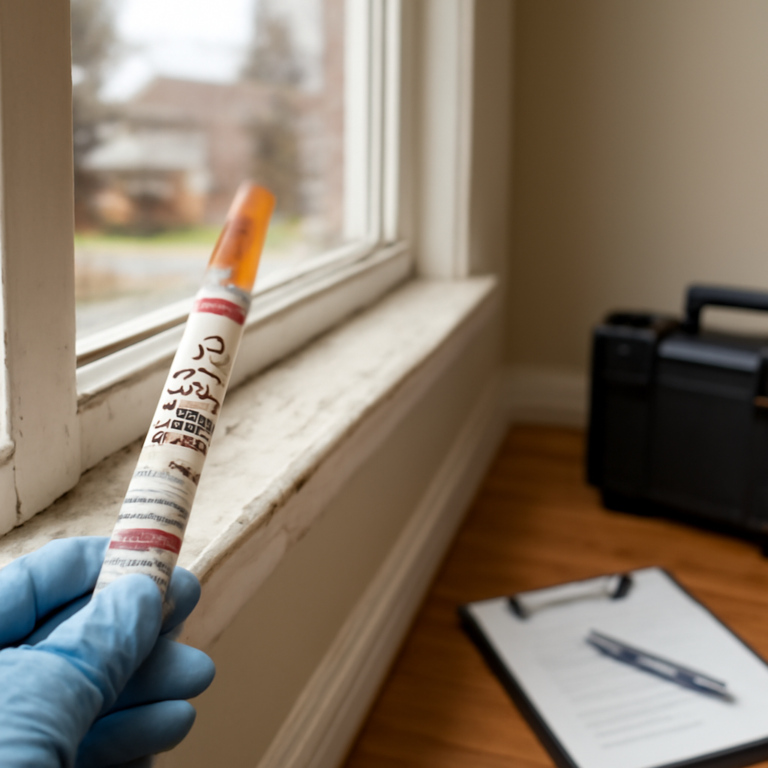
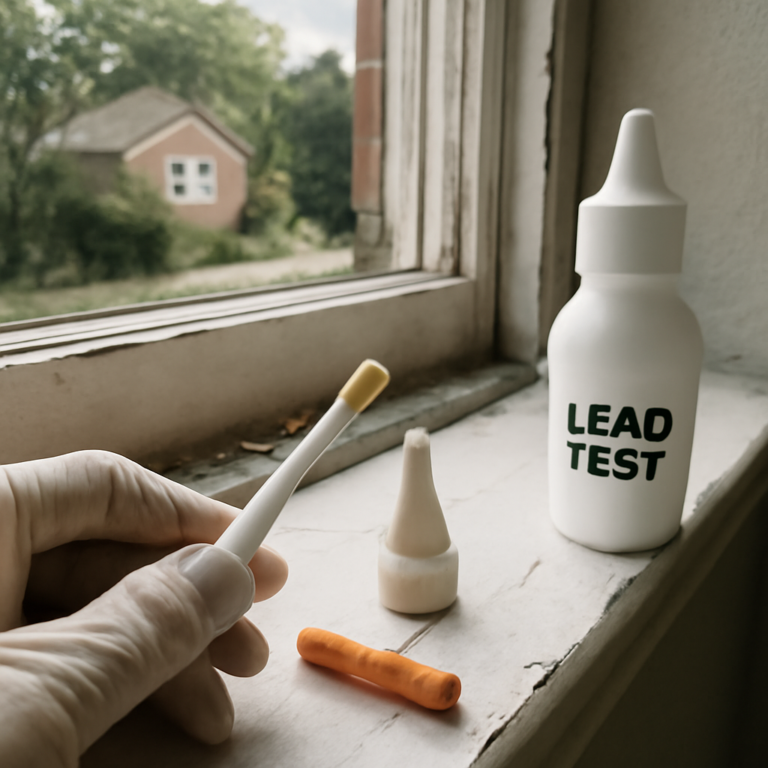
Home test kits are the quickest way to screen a painted surface. Swab-style kits change color when they contact lead, and the EPA recognizes certain kits that meet its reliability criteria for use by certified renovators. Kits are good at catching obvious lead but can miss lead in lower paint layers, so a negative result on an old, many-times-painted surface is not the final word. Our best lead paint test kit comparison explains how the common options differ, and you can browse current choices in our lead test kit shop category. Settled dust on floors and sills is often the bigger concern, covered in our lead dust test guide.
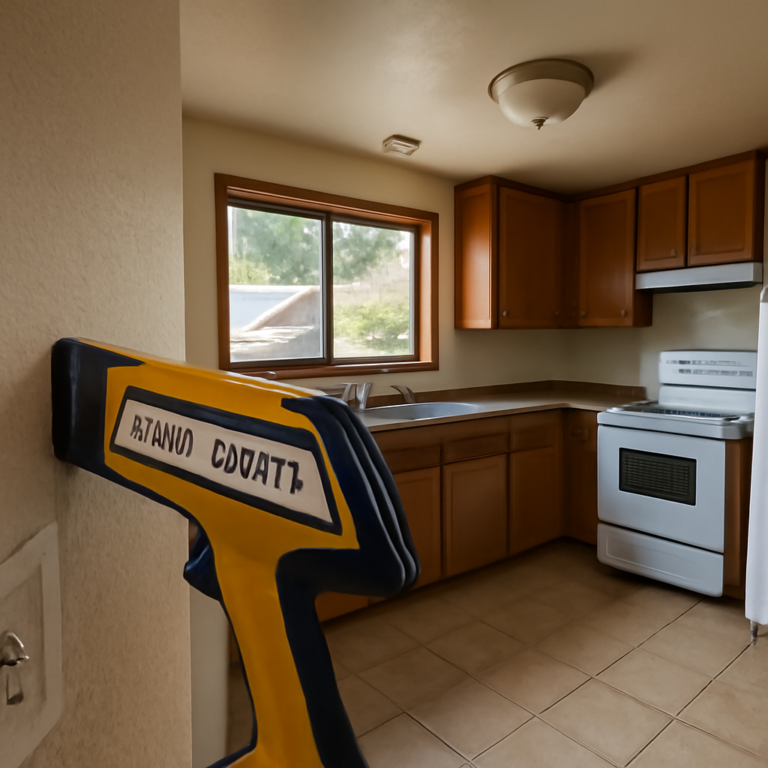
Professional inspections typically use X-ray fluorescence (XRF), a handheld analyzer that reads lead through multiple paint layers without damaging the surface. Our guide to XRF lead testing explains how certified inspectors use it, and lead-based paint inspection cost outlines typical pricing. If a kit or inspection comes back positive, read what to do after a positive lead paint test before scraping or sanding anything.
Lead paint in older homes
Lead was added to paint for durability and color, and it was common on windows, doors, trim, porches and exterior siding. Our guide to when lead paint stopped being used walks through the timeline. Intact lead paint is generally a lower hazard than paint that is peeling, chipping, chalking or rubbing on friction surfaces like window sashes, where dust forms every time the window moves.
Federal law adds two layers of protection. Under the disclosure rule, sellers and landlords of most pre-1978 housing must disclose known lead-based paint and hazards, provide the EPA pamphlet “Protect Your Family From Lead in Your Home,” and give buyers an opportunity, usually 10 days, to test. See the 1978 lead paint disclosure rule and where to get the EPA lead paint pamphlet. Under the Renovation, Repair and Painting (RRP) Rule, paid work that disturbs paint in pre-1978 homes must be done by an EPA-certified firm using lead-safe work practices. Homeowners deciding what to do with old paint can read about painting over lead paint, encapsulating lead paint and the risks of sanding lead paint.
Lead in water and soil
Paint is not the only source. Lead can enter drinking water from lead service lines, lead solder used on copper pipes before 1986, and older brass fixtures. The EPA’s health-based goal for lead in drinking water is zero, and water utilities must take action when sampling exceeds federal limits. Our overview of lead in drinking water covers sources, testing and treatment, and lead pipe corrosion explains why water chemistry matters. For questions about numbers and units, read safe levels of lead in water in ppm.
Point-of-use filters certified to reduce lead can lower exposure while a longer-term fix is planned; see filters for lead in water for what to look for. Soil near older houses can hold lead from weathered exterior paint and past use of leaded gasoline, especially along foundations and driveways. Children playing in bare soil and tracking it indoors is a common route, so covering bare patches with mulch, grass or ground cover is a simple step. Many Front Range water utilities run service line inventories and replacement programs, so check your provider’s website or call to ask whether your address has a known or suspected lead line. Some utilities and health agencies also offer low-cost or free water sampling for households with young children or pregnant residents.
Lead health effects and exposure
The CDC states that no safe blood lead level in children has been identified. Children under six are most at risk because they absorb lead more readily, put hands and objects in their mouths, and are still developing. Lead exposure has been linked to effects on learning, attention and behavior, and many children show no obvious symptoms, which is why blood testing is the only way to know. Our guide to lead poisoning symptoms in children explains what parents may notice, and how childhood lead screening works covers when testing is typically done and how the home fits in.
Adults are affected too, particularly during renovation work or certain hobbies and jobs. See lead poisoning symptoms in adults, and for a realistic view of recovery, whether lead poisoning is reversible. Pregnant people should take extra care, since lead can pass to a developing baby. Any concern about lead exposure, symptoms or blood test results belongs with a doctor or your local health department; these guides cover the home side only.
Lead removal and abatement
Abatement is work designed to permanently eliminate lead-based paint hazards, through removal, enclosure, encapsulation or replacement of building parts such as old windows. It differs from renovation, which disturbs paint as part of other work and falls under the RRP Rule. Abatement must be done by certified abatement professionals, and in Colorado the state health department oversees lead-based paint activities. Our guide to lead abatement explains the methods, EPA lead abatement rules covers the federal framework, and choosing lead abatement contractors lists the credentials and clearance testing to ask about.
Older homes often carry more than one legacy material. Popcorn ceilings, vinyl floor tiles and pipe insulation from the same era may contain asbestos, which needs its own testing before demolition. Our sibling hub on asbestos testing and removal covers that side of a pre-1978 renovation. Planning both tests together before a remodel can save a second site visit and helps contractors price containment and disposal correctly from the start. Keep every report, clearance result and disclosure form with the house records, since future buyers and their inspectors will ask for them.
Common lead sources and how to test them
| Source | Most likely in | How to test | What to do |
|---|---|---|---|
| Lead-based paint | Homes built before 1978, especially windows, doors, trim and exteriors | EPA-recognized test kit for screening; XRF inspection by a certified inspector | Keep intact paint in good condition; hire an RRP-certified firm for any work that disturbs it |
| Lead dust | Window sills, floors and areas near friction or impact surfaces in older homes | Dust wipe samples by a certified risk assessor, analyzed by an accredited lab | Wet-clean regularly; fix the paint source; keep children away from deteriorating areas |
| Drinking water | Homes with lead service lines, pre-1986 solder or older brass fixtures | First-draw water sample sent to a certified lab; ask your utility about testing programs | Use a filter certified for lead, run cold water before use, and ask about service line replacement |
| Soil | Bare ground near older painted exteriors and busy roads | Soil samples analyzed by a lab, often during a risk assessment | Cover bare soil, use doormats, remove shoes indoors and wash children’s hands |
| Household items and hobbies | Some imported dishware, toys, cosmetics and hobby or work materials | Screening kits for some items; lab testing for confirmation | Stop using suspect items for food; change clothes and wash before contact with children after lead-related work |
References
- Protect Your Family from Sources of Lead — U.S. Environmental Protection Agency
- Lead Renovation, Repair and Painting Program — U.S. Environmental Protection Agency
- Lead-Based Paint Disclosure Rule (Section 1018 of Title X) — U.S. Environmental Protection Agency
- About Childhood Lead Poisoning Prevention — Centers for Disease Control and Prevention
Frequently asked questions
How do I know if my house has lead paint?
If your home was built before 1978, it may have lead-based paint. An EPA-recognized test kit can screen a surface, but a certified lead inspector using an XRF analyzer gives a more complete answer, including paint in lower layers.
Is lead paint dangerous if it is not peeling?
Intact lead paint in good condition is generally a lower hazard. The risk rises when paint peels, chips or is disturbed by sanding, scraping or friction, such as on window sashes, because that creates lead dust that can be swallowed or inhaled.
Do sellers have to disclose lead paint?
Yes, for most housing built before 1978. Federal rules require sellers and landlords to disclose known lead-based paint and hazards, provide the EPA lead pamphlet, and give buyers an opportunity, usually 10 days, to test before they are bound by the contract.
Who can legally do renovation work on lead paint?
Under the EPA Renovation, Repair and Painting Rule, paid contractors who disturb paint in pre-1978 homes must be EPA-certified firms using lead-safe work practices. Permanent removal of lead hazards, called abatement, requires certified abatement professionals.
Is there a safe blood lead level for children?
The CDC states that no safe blood lead level in children has been identified. Children under six are most at risk, and many show no symptoms, so ask a doctor about blood lead testing if your child may have been exposed.
Buying or renovating an older Front Range home and wondering what is under the paint? Reach out to us and we can point you to a certified local lead inspector before you sign or start work.
Local lead testing



Lead test kits & testing




Lead paint
Pamphlet Lead Based Paint: 2026 Document Guide

When Did They Stop Using Lead Paint? The Timeline
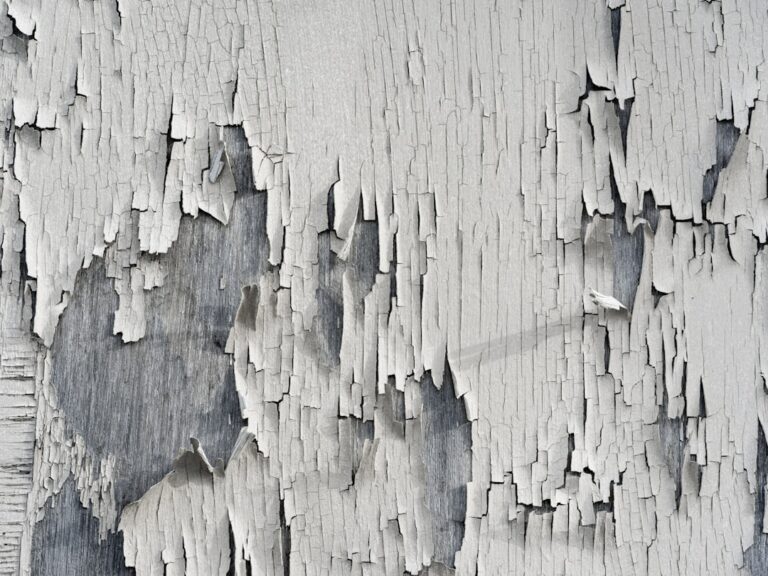
Stripping Lead Paint: Safe Methods and What to Avoid

Painting Over Lead Paint: What Homeowners Should Know

Why Was Lead in Paint: The Historical Timeline Explained

Can You Paint Over Lead Based Paint? A Homeowner Guide
Lead in water & soil

Filters for Lead in Water: What to Know
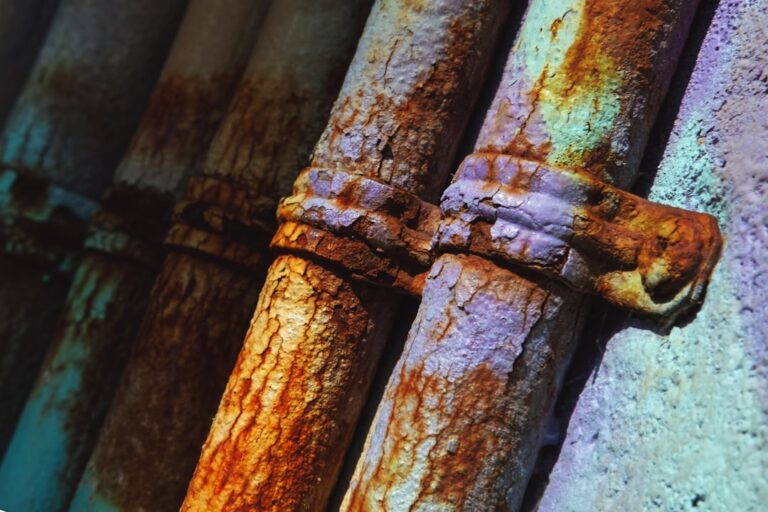
Lead Pipe Corrosion: What Homeowners Need to Know
Lead in Drinking Water: Sources, Testing, and Treatment for Homeowners

Safe Levels of Lead in Water (ppm vs ppb): What the Numbers Mean

Lead in Water Filter: What Homeowners Need to Know

Filter for Lead in Water: What Homeowners Know
Health & exposure






Removal & abatement


Browse all 336 lead paint & lead testing guides » Back to the Asbestos & Lead in Your Home hub