Lead Testing in Weld County, Colorado
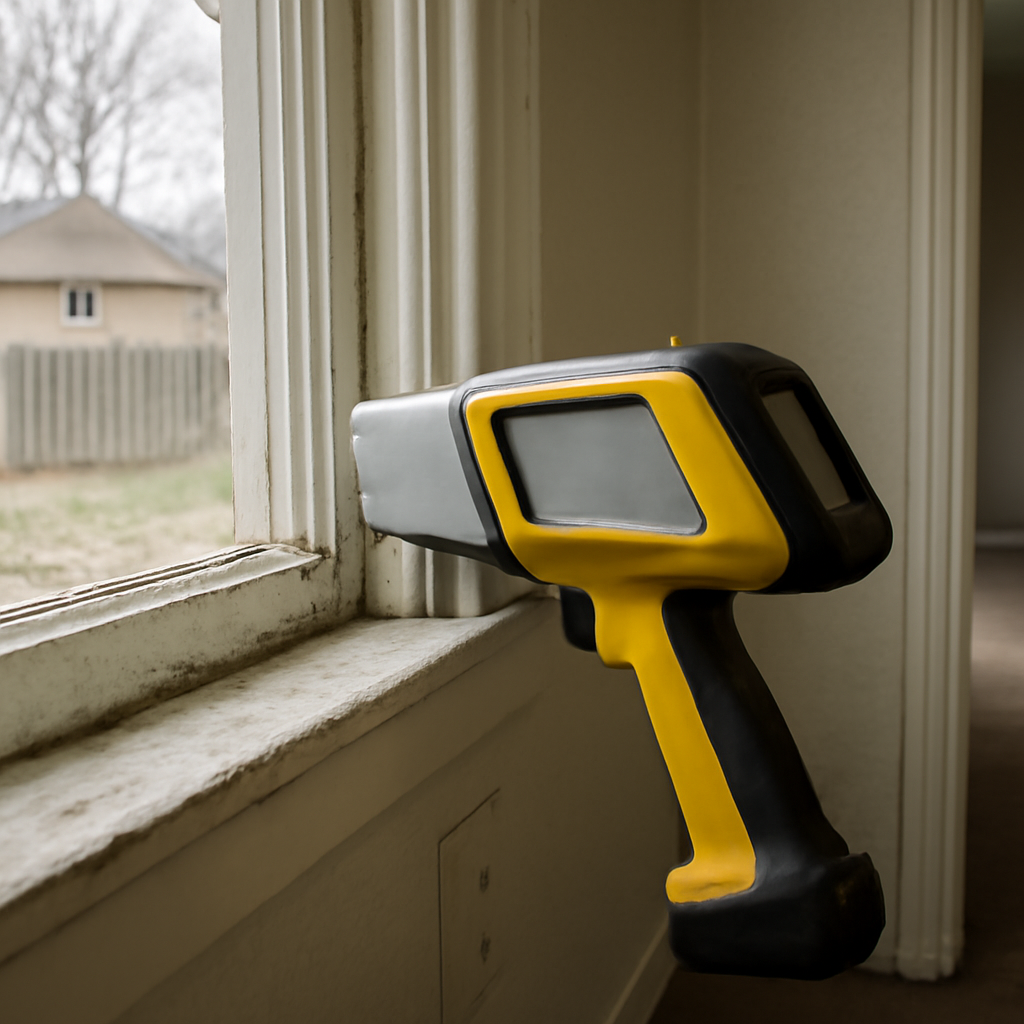
Lead testing weld county families arrange protects children and renovators from the lead-based paint that coats much of the county’s older housing. The federal government banned lead-based paint for residential use in 1978, so any home built before that year is a candidate, and Weld County has a deep stock of pre-1978 housing in downtown Greeley and the historic cores of Eaton, Ault, Johnstown, Fort Lupton, and Platteville. Lead exposure is most dangerous to young children, where even low levels can affect development. This page explains how lead testing works in Weld County, where lead hides in local homes, and what it costs. This summary reflects EPA, HUD, and CDC guidance current as of 2026 and is educational only; consult your physician about blood-lead concerns and a certified professional for testing and abatement.
Asbestos or biohazard concern? Speak with a certified contractor.
📞 Call (877) 742-8496Lead testing in Weld County: what to know
Lead testing identifies lead-based paint and lead-contaminated dust or soil in and around a home. The most reliable methods are a certified inspector’s XRF analyzer, which reads lead in painted surfaces without damaging them, and laboratory analysis of paint chips, dust wipes, or soil samples. Home swab kits exist but are less reliable, especially under multiple paint layers, so professional testing is the standard where stakes are high.
The 1978 cutoff is the key fact. Homes built before 1978 may contain lead paint; the older the home, the higher the likely lead content, with pre-1950 housing carrying the heaviest concentrations. For the broader context on lead and asbestos in aging housing, see the pre-1978 housing hazard guide, and because the same vintage Weld County homes often carry both, pair this with our page on asbestos testing in Weld County.
Intact, well-maintained lead paint is lower-risk than deteriorating paint. The hazard rises sharply when paint chips, peels, or is disturbed during renovation, creating lead dust that children can ingest. That is why testing matters most for families with young children and before any work on an older home.
The health picture explains the caution. The CDC stresses that no safe blood-lead level in children has been identified, and even low-level exposure is associated with reduced cognitive function, attention problems, and developmental delays. Young children are most vulnerable because they absorb lead more efficiently than adults and because normal hand-to-mouth behavior carries contaminated dust directly into their bodies. Lead dust is the main exposure route, not paint chips alone: invisible fine dust from friction surfaces and from sanding settles on floors, sills, and toys where a crawling child picks it up. For a Weld County family moving into an older Greeley or Eaton home, this is why testing focuses on dust and friction surfaces rather than simply confirming that lead paint exists somewhere on the property. Any symptom concerns should go to a physician, who can order a blood-lead test for a child; this guide addresses the home side of the question, not the medical one.
Why Weld County housing carries lead risk
Housing age is the entire story, and it varies widely across the county. Greeley’s downtown and near-downtown neighborhoods hold a substantial share of pre-1978 homes, and the historic small-town cores of Eaton, Ault, Fort Lupton, and Platteville include housing well over a century old. These older homes are the most likely to contain multiple layers of lead-based paint on woodwork, windows, doors, and exterior surfaces.
The rental picture sharpens the concern. Greeley’s University of Northern Colorado neighborhoods include older homes converted to student and family rentals, and federal Renovation, Repair, and Painting rules require lead-safe work practices in pre-1978 rental and child-occupied properties. Landlords and contractors working on these Greeley homes have specific obligations that testing helps them meet.
The newer side of Weld County is largely outside the lead window. The Carbon Valley boom and the broader 2000s-to-2020s growth in Firestone, Frederick, Dacono, Windsor, and Severance produced housing built decades after the lead-paint ban, so those homes carry little to no lead-paint risk. The dividing line is 1978, which is why the first thing a lead inspector checks is the home’s age. Soil lead can also appear near older painted exteriors and along historic roadways, an additional consideration for families with children who play in the yard of an old Greeley or Platteville home.
Where lead hides in Weld County homes
Lead paint follows a predictable pattern in pre-1978 housing, and a Weld County inspector focuses on the highest-exposure surfaces.
Windows, doors, and friction surfaces
Window sashes, sills, door frames, and stair edges are top concerns because the friction of opening and closing grinds lead paint into fine dust that settles on sills and floors where children reach. In an old Greeley or Eaton home with original double-hung windows, these are the first surfaces to test.
Painted woodwork and walls
Baseboards, trim, railings, and older wall paint in pre-1950 plains-town homes often carry lead in lower layers even where newer paint covers them. Sanding or scraping these during a remodel releases lead dust, which is why pre-renovation testing matters.
Exterior surfaces and soil
Exterior siding, porches, and fences on older homes shed lead paint chips that contaminate the surrounding soil. In the yards of historic Fort Lupton, Platteville, and Greeley homes, soil sampling can reveal exposure pathways for children who play outside, separate from any interior paint.
The rental and renovation context
Greeley’s older rental stock deserves separate attention because the regulations bite hardest there. The federal Renovation, Repair, and Painting rule requires that any contractor disturbing painted surfaces in a pre-1978 rental, child-occupied facility, or home with young children be certified and use lead-safe work practices, containment, HEPA cleanup, and dust verification. Around the University of Northern Colorado, where many older houses serve as rentals, a landlord re-painting or remodeling has clear obligations, and testing establishes whether a given property falls under the rule. The same applies to a homeowner hiring out work on an old plains-town house: confirming the contractor is lead-safe certified, and testing the surfaces to be disturbed, protects both the workers and the household from a dust release. Renovation is the moment when intact, low-risk lead paint becomes airborne hazard, so it is precisely when testing earns its cost.
Lead testing cost in Weld County
Lead testing in the Weld County market is generally priced by method and scope. A targeted paint-chip or dust-wipe lab test of a few surfaces commonly runs about $200 to $400 once analysis is included. A full XRF inspection of an entire older home, which reads many painted surfaces in a single visit, typically runs $400 to $700 or more depending on the home’s size and the number of components.
A combined risk assessment, which adds dust-wipe and soil sampling to identify actual exposure pathways rather than just the presence of lead paint, costs more but answers the practical question a family with young children most needs answered. Rural parcels may carry a trip fee for distance. Inexpensive DIY swab kits exist but are best treated as a rough screen rather than a definitive result.
The cost is small against the stakes. Childhood lead exposure can cause lasting developmental harm, and a renovation that disturbs lead paint without precautions can contaminate a whole household. A few hundred dollars to know where the lead is, and to renovate safely around it, is modest protection in a county with this much pre-1978 housing.
Colorado regulations and disclosure
Federal law drives the disclosure rules. The Residential Lead-Based Paint Hazard Reduction Act requires sellers and landlords of pre-1978 housing to disclose known lead-based paint and hazards and to provide the EPA’s lead pamphlet, and buyers receive a 10-day window to test. These federal rules apply fully to Weld County’s older homes, layered on top of Colorado’s standard Seller’s Property Disclosure.
The EPA’s Renovation, Repair, and Painting rule requires contractors working on pre-1978 homes, child-occupied facilities, and rentals to be certified and to follow lead-safe practices. For a Greeley landlord or a renovator working on an old plains-town home, testing establishes whether these requirements apply. For buyers of older Weld County homes, the 10-day testing window is a right worth using, particularly with young children in the household.
If a test does find lead, the response scales to the hazard rather than always meaning a gut renovation. Where intact lead paint is in good condition and out of reach of children, the recommended approach is often simply to maintain it, keeping it painted over and undisturbed, and to control dust on friction surfaces. Where paint is deteriorating or on a window that grinds dust onto a sill, interim controls like specialized cleaning, sill replacement, or enclosure may resolve the exposure without full abatement. Full lead-paint abatement by a certified contractor is reserved for the more serious cases. For a Weld County family, the value of testing is knowing exactly which surfaces carry lead and which actually present an exposure risk to a child, so the household can prioritize the handful of friction and chewable surfaces that matter most rather than treating an entire old house as a hazard.
Communities and areas served
Lead testing demand in Weld County concentrates in the oldest housing. Greeley leads, with its pre-1978 downtown neighborhoods and the older rental stock around the University of Northern Colorado. The historic cores of Eaton, Ault, Johnstown, Fort Lupton, and Platteville bring small-town and farmhouse testing where century-old homes are common and lead-paint layers run deep.
Rural parcels across the plains add older-home and soil testing where families with children occupy historic farmhouses. The newer Carbon Valley communities of Firestone, Frederick, and Dacono, along with Severance, Milliken, and modern Windsor, generate few requests because most of that housing postdates 1978, though occasional due-diligence and transitional-era cases arise. Erie on the Boulder County edge completes the service area.
How to choose a Weld County lead testing provider
Hire an EPA or Colorado-certified lead inspector or risk assessor, particularly for rentals, child-occupied properties, or any pre-renovation testing where regulations apply. A good provider uses an XRF analyzer or an accredited lab rather than relying on swab kits, and a risk assessment that includes dust and soil sampling answers the exposure question better than a paint-presence test alone.
Ask for a written report identifying each tested surface, the method, and the result, and confirm the inspector’s certification. If you are buying an older home, coordinating lead testing with a full home inspection in Weld County gives a complete picture before closing. The provider worth hiring explains where the real exposure risk lies for your family rather than simply cataloging painted surfaces.
References
- Protecting your family from lead in the home — U.S. Environmental Protection Agency
- Lead-based paint disclosure rules — U.S. Department of Housing and Urban Development
- Childhood lead poisoning prevention — Centers for Disease Control and Prevention
In Weld County’s older homes, lead testing is the step that lets families renovate safely and protect young children. To connect with a vetted, certified local lead inspector, get in touch through our contact page.