Mold Testing & Inspection: Kits, Pros, Costs & Results
This hub gathers everything InspectandTest has published on mold testing and inspection, from drugstore kits to lab-analyzed air samples. It is written for homeowners, buyers and renters who suspect a problem, want to confirm a cleanup worked, or are simply trying to decide whether a test is worth paying for. Each section below explains one part of the topic and points to the guides that go deeper, and the broader mold inspection and moisture pillar covers causes, health context and remediation. This page summarizes EPA and other public guidance as of 2026; it is general information, not medical advice, and what a test means always depends on the specific home, its moisture history and how the sample was collected. Anyone with symptoms should talk to a doctor.
Home mold test kits: what they can and can’t tell you
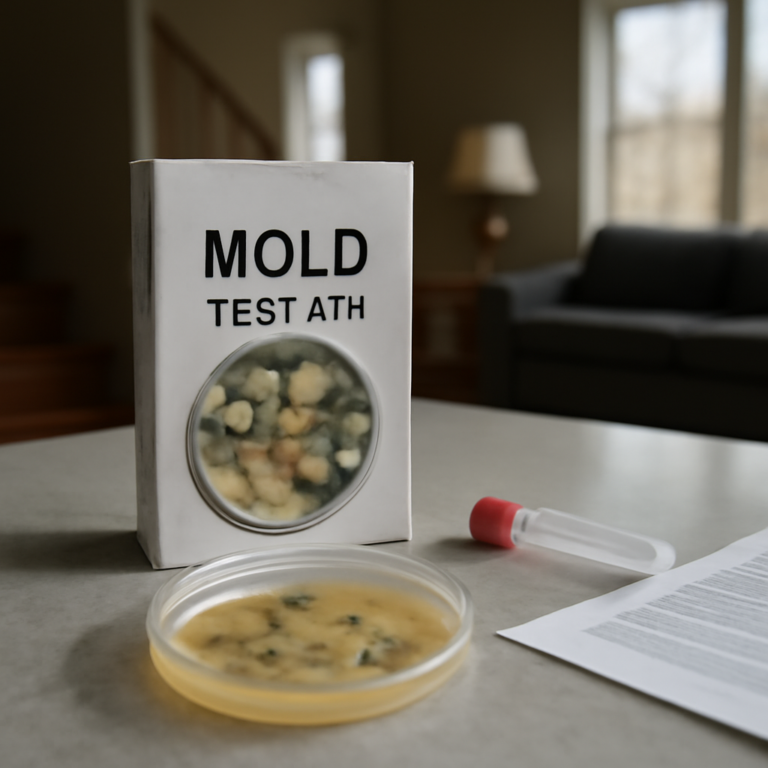
Most retail kits use a settle plate: a petri dish of growth medium left open for an hour or two, then capped and watched for colonies. The trouble is that mold spores are present in nearly every indoor and outdoor air sample, so a plate that grows something is close to guaranteed. That is why our review of whether at-home mold test kits actually work lands on a qualified answer: they confirm mold exists, which you usually already know, but they rarely say how much, from where, or whether it is a problem.
Kits differ in the details. Some, like those covered in our Mold Armor test kit breakdown and the Pro-Lab kit guide, offer optional lab identification for an added fee, which at least names the genus. Store-brand options are compared in our notes on the Home Depot mold test kit. Pump-based products get their own treatment in the air mold test kit guide; these draw a measured volume of air, but results still depend heavily on placement and timing.
If you still want a kit, start with our honest guide to choosing a home mold test kit. Kits that claim to test people rather than houses are a separate category, explained in what “mold test kits for humans” really measure.
Professional mold inspections: what a qualified inspector does
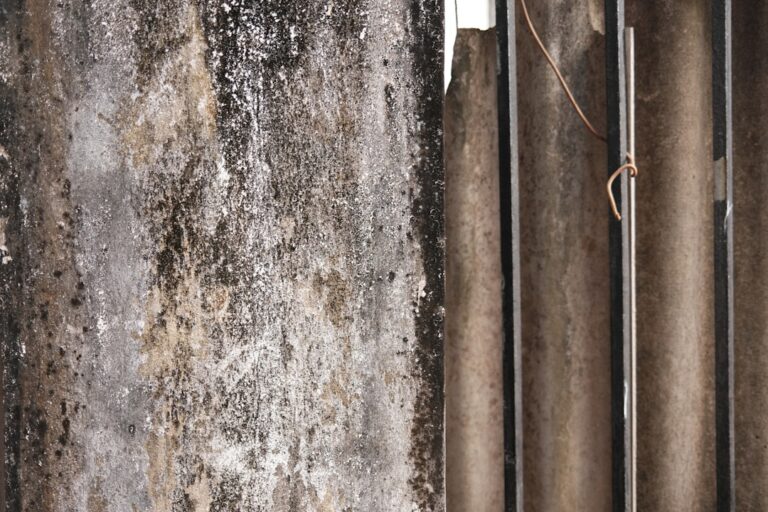
A professional mold inspection is mostly a moisture investigation. A good inspector looks for water staining, measures building materials with a moisture meter, may use an infrared camera to spot cool damp areas, and checks plumbing, roof, crawlspace and HVAC components before deciding whether sampling adds anything. Our explainers on how inspectors test for mold and how a home inspector checks for mold during a standard visit walk through that sequence.
A standard pre-purchase inspection is not the same as a mold assessment. The guide on whether a home inspection checks for mold explains the usual scope limits, and what a dedicated home inspection for mold covers fills in the gap. If you are unsure which trade to contact, see who to call for a mold inspection and ask any provider which certifications they hold and which accredited lab analyzes their samples.
One independence point matters here: a firm that inspects and also sells remediation has an incentive to find work. Our piece on how mold inspection and remediation connect covers why many homeowners separate the two. Renters have different rights and routes, described in the apartment mold inspection guide.
Air sampling, surface samples and lab analysis
When sampling is justified, it usually takes one of two forms. Air sampling pulls a measured volume of air through a spore-trap cassette, and a lab counts and identifies spores under a microscope. Our guides on testing air for mold and how spore-trap sampling actually works explain why an outdoor control sample is essential: indoor results only mean something when compared with the air outside at the same time.
Surface sampling, by swab or tape lift, identifies what is growing on a specific material. It answers “what is this stain?” rather than “what am I breathing?”, as covered in the mold swab test guide. For a combined view, see testing for mold spores with kits and lab analysis, and for duct questions, how to test air vents for mold.
ERMI, a DNA-based dust test developed by EPA researchers, is widely marketed to homeowners. EPA has cautioned that it was designed as a research tool and is not validated for routine home assessments, which our ERMI test explainer discusses in detail. Sampling also has a legitimate role after cleanup: post-remediation clearance air testing checks that a contained work area is back in line with background conditions.
What mold testing costs
Prices vary by region, home size and the number of samples, so treat any figure as a range. Settle-plate kits commonly sell for roughly $10 to $50, with optional lab fees that can add a similar amount again. Professional inspections with a few air samples often fall somewhere in the low-to-mid hundreds of dollars, and larger homes or many samples can push well past that. Our 2026 mold test cost guide breaks down where the money goes.
The biggest variable is how a company prices samples. The comparison of per-sample versus full-service pricing shows why two quotes can differ several-fold for the same house. For inspection-specific numbers, the home mold inspection cost guide is the most detailed.
Offers of “free” testing deserve scrutiny, since they often come bundled with a remediation pitch. Our guide to affordable mold test options covers when lower-cost routes make sense and when spending on a visual moisture inspection first is the better use of money.
Reading your mold test results
There are no federal limits for mold exposure in homes. EPA has not set numeric standards, and no single spore count separates “safe” from “unsafe” for everyone. Lab reports therefore have to be read in context: the indoor-to-outdoor ratio, whether the indoor mix of species differs from the outdoor mix, and whether water-damage indicator genera appear indoors but not outside.
Our guide to understanding mold test results walks through a typical spore-trap report line by line. People comparing a settle plate against photos online can use what normal mold test results look like in pictures, keeping in mind that a few colonies on a plate is expected almost everywhere.
Questions about quantity are covered in how to test mold levels in your home, which explains why “levels” only mean something with a control sample and a consistent method. A high count paired with no visible growth or moisture source usually calls for more investigation, not immediate demolition.
Local mold testing guides
Local conditions change what testing looks like. Semi-arid Front Range homes tend to show mold around plumbing leaks, basements and evaporative coolers rather than whole-house humidity, while mountain homes add snowmelt and crawlspace issues. Our local guides, mostly covering Colorado, explain regional building patterns and what to ask local providers. Examples include mold testing in Thornton, mold inspection in Denver, mold inspection across Douglas County and testing in Teller County’s mountain homes. Each local guide notes typical housing stock, common moisture sources and what a reasonable scope of work looks like in that area, so you can judge a quote before you book. Rural county pages also flag practical issues such as travel fees, longer lab turnaround when samples ship out of the area, and well-and-septic homes where crawlspace moisture is common. If you are shopping for a provider in any area, the checklist in our guide to choosing mold testing companies near you applies anywhere.
Testing specific rooms, walls and materials
Many questions are about one location rather than the whole house. Hidden growth inside wall cavities is a common worry, and our guide on testing for mold inside walls explains moisture mapping and wall-cavity sampling, which should be done carefully because opening a wall can release spores. Below-grade spaces are covered in how to test a basement for mold.
For a whole-home approach, start with how to get your house tested for mold. If you are not sure the stain is mold at all, see how to test whether something is mold, which also explains how to tell mildew, often surface growth that simple cleaning handles, from deeper mold.
Some searches concern medical tests rather than buildings. Urine mycotoxin and blood antibody tests are sold directly to consumers, but their clinical value for diagnosing mold-related illness is debated. Our explainer on the mold urine test describes what these products measure; decisions about them belong with a physician. After remediation, mold clearance testing closes the loop.
How to choose: DIY kit, professional inspection, or both?
EPA’s general position is that if you can see or smell mold, sampling usually isn’t necessary: the priority is fixing the moisture source and cleaning or removing affected materials. Testing earns its cost when it answers a specific question.
- Visible growth under about 10 square feet with a known leak: fix the leak and clean following EPA guidance; a test adds little.
- Musty odor, past water damage, no visible growth: a professional moisture inspection, with sampling only if the inspector can explain what it will show.
- Buying a home or disputing with a landlord: a professional assessment produces documentation a kit cannot.
- After remediation: independent clearance testing by someone not paid for the cleanup.
- Curiosity on a small budget: a kit with lab identification is acceptable, as long as you read it as “mold is present,” not as a health verdict.
References
- Mold Testing or Sampling — U.S. Environmental Protection Agency
- A Brief Guide to Mold, Moisture and Your Home — U.S. Environmental Protection Agency
- Mold Remediation in Schools and Commercial Buildings Guide — U.S. Environmental Protection Agency
- Mold Overview — Occupational Safety and Health Administration
- Mold and Dampness — American Lung Association
Frequently asked questions
Is mold testing necessary if I can already see mold?
Usually not. EPA guidance says that when growth is visible, sampling is generally unnecessary, and effort is better spent fixing the moisture source and cleaning or removing affected materials.
Are DIY mold test kits accurate?
Settle-plate kits reliably show that mold spores exist, but spores are present in almost all air, so a positive plate is expected. They cannot measure concentration reliably or compare indoor air with outdoor air, which limits what the result means.
How much does professional mold testing cost?
Costs vary by region, home size and sample count. A basic inspection with a few air samples often runs in the low-to-mid hundreds of dollars, and more samples or larger homes cost more, so compare per-sample and full-service quotes.
Is there a safe level of mold in a house?
There are no federal exposure limits for mold in homes. Results are interpreted by comparing indoor samples with an outdoor control and looking for water-damage species indoors, and health concerns should be discussed with a doctor.
Should I get an ERMI test?
ERMI was developed by EPA researchers as a research tool, and EPA has cautioned against using it for routine home assessments. A moisture-focused inspection, with air or surface samples if needed, is usually more useful for decisions.
Home mold test kits



Professional mold inspection

Home Mold Inspection Cost: A 2026 Pricing Guide for Homeowners

Home Inspection for Mold: What Homeowners Need to Know

How Do Inspectors Test for Mold: A Plain-Language Guide
How Do Home Inspectors Check for Mold: A Plain-Language Guide
Who to Call for Mold Inspection: A Plain-Language 2026 Guide
Mold Testing Companies: What Homeowners Should Know
Air & lab sampling
ERMI Test for Mold: What Homeowners Should Know
Test Air for Mold: 2026 Air Sampling Owner Guide
How to Test for Airborne Mold: A Plain-Language Guide

How to Test for Mold in Air Vents: 2026 HVAC Guide

Mold Spore Testing: 2026 Methods, Costs, and Lab Reports
Air Mold Testing: How Spore-Trap Sampling Actually Works
Costs

Free Mold Testing: What Homeowners Need to Know

Mold Test Cost in 2026: What Homeowners Need to Know
Cheap Mold Testing: What Homeowners Need to Know
Affordable Mold Test Options, From Free Checks to Pro Sampling

How Much Does a Mold Test Cost: A Plain-Language Guide

How Much Is a Mold Test: A Plain-Language 2026 Guide
Reading your results


Local mold testing


More guides

How to Get Your House Tested for Mold: A Plain-Language Guide

How to Test for Mildew: A Plain-Language Guide

How to Test for Mold in Carpet: Substrate-Specific Guide

How to Test for Mold in Basement: A Plain-Language Guide
How to Test for Mold in House: A Plain-Language Guide

How to Test If Something Is Mold: 2026 Identification Guide
Browse all 606 mold testing & inspection guides » Back to the Mold Inspection & Testing hub