Black Mold & Your Health: Symptoms, Exposure & Risks
Black mold gets more attention than almost any other household problem, and much of what circulates online is louder than the evidence. This hub gathers our guides on how indoor mold affects health, how to tell what is growing on a wall or ceiling, and how to clean it up safely. It sits under our broader mold inspection and testing pillar, and it is written for homeowners, renters and buyers who have found dark growth and want a clear next step. The summaries below draw on CDC and EPA guidance current as of 2026. This page is general information, not medical advice: anyone with symptoms they think may be linked to mold should talk to a doctor, and people with asthma, allergies or a weakened immune system should do so promptly.
Black mold symptoms and exposure
“Black mold” usually refers to Stachybotrys chartarum, a greenish-black mold that grows on materials that stay wet for days, such as drywall paper, ceiling tiles and wood. According to the CDC, the most common health effects of indoor mold are allergic and respiratory: a stuffy nose, wheezing, coughing, and red or itchy eyes or skin. Most people who notice these symptoms find they ease once the moisture problem is fixed and the mold is removed.
Our guides break those effects down by body system. You can read what is known about how black mold affects the lungs, how skin reactions to mold tend to present, and what the research says about longer-term exposure. If a single cleanup left you worried, the guide on what to do after you have breathed in mold spores covers home-side steps and when to seek care.
Much of the online conversation involves “toxic mold.” Some molds, including Stachybotrys, can produce compounds called mycotoxins, but the CDC does not consider a link between toxic mold and serious conditions such as memory loss or bleeding in the lungs to be established. Our explainer on toxic versus non-toxic mold walks through that distinction, and what the evidence shows about severe outcomes puts rare cases in context. If your physician is considering testing, see how doctors evaluate mold exposure and what a blood test for mold exposure can and cannot tell you.
Mold allergies and who is most at risk
Mold is one of the more common indoor allergy triggers. Spores are tiny, they travel easily on air currents, and a sensitized immune system reacts to them much as it would to pollen or dust mites. The guide to mold allergy symptoms and trigger species covers the basics, and what a mold allergy feels like day to day helps separate it from a lingering cold. Black mold is not the only culprit; a Penicillium allergy, for example, is often more relevant indoors because that genus grows readily on damp building materials and food.
The CDC identifies several groups who face higher risk from mold exposure. People with asthma may have more frequent or more severe attacks. People with existing allergies are more likely to react. People with a weakened immune system, including those receiving chemotherapy, organ transplant recipients and people with chronic lung disease, can be vulnerable to fungal infections and should be especially careful. Infants, young children and older adults are also commonly flagged as sensitive groups.
If someone in the home fits one of these groups, a doctor or allergist is the right first call, and the guide on medication options for mold allergy gives background for that conversation. On the house side, combined air allergen and mold testing can help when the source of symptoms is unclear, though testing never replaces fixing the moisture that lets mold grow.
Mold, pets, carpets and lab samples
Pets share the same air and spend a lot more time close to the floor. Dogs and cats exposed to damp, moldy spaces can show respiratory or skin signs such as coughing, sneezing, nasal discharge, itching or hair loss. Those signs have many possible causes, so a veterinarian should examine any pet with persistent symptoms. Our guide to mold and dogs explains what owners should mention at the appointment, including any recent leaks or visible growth.
Carpet matters here because it holds moisture and debris where animals lie. Growth can hide in the pad long after the surface dries, so read about black mold on carpet and how to test carpet and pad for mold. Wet carpet that is not dried within 24 to 48 hours is usually a removal job rather than a cleaning job; the carpet mold removal guide covers when to replace instead of treat.
Many homeowners start with a settle-plate or swab kit. A plate will grow something in almost any home, because spores are everywhere. Our petri dish identification photos and the overview of how mold petri dish tests work explain why a dark colony on a plate does not by itself confirm Stachybotrys or a problem inside the walls.
How to identify black mold
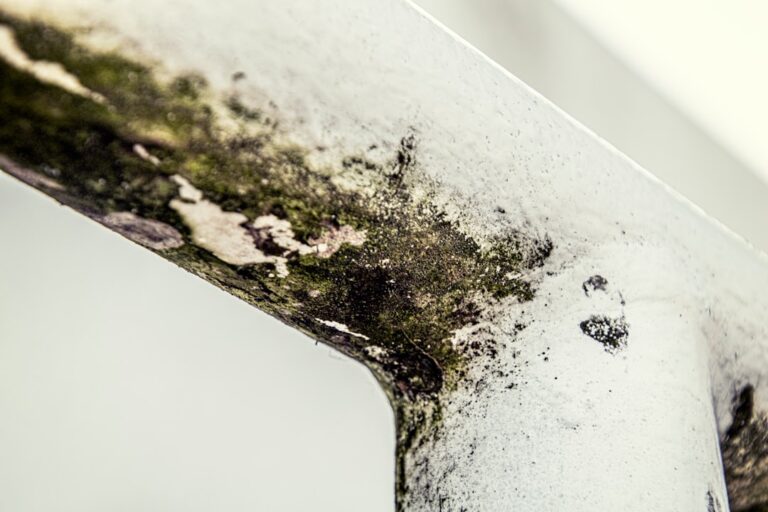
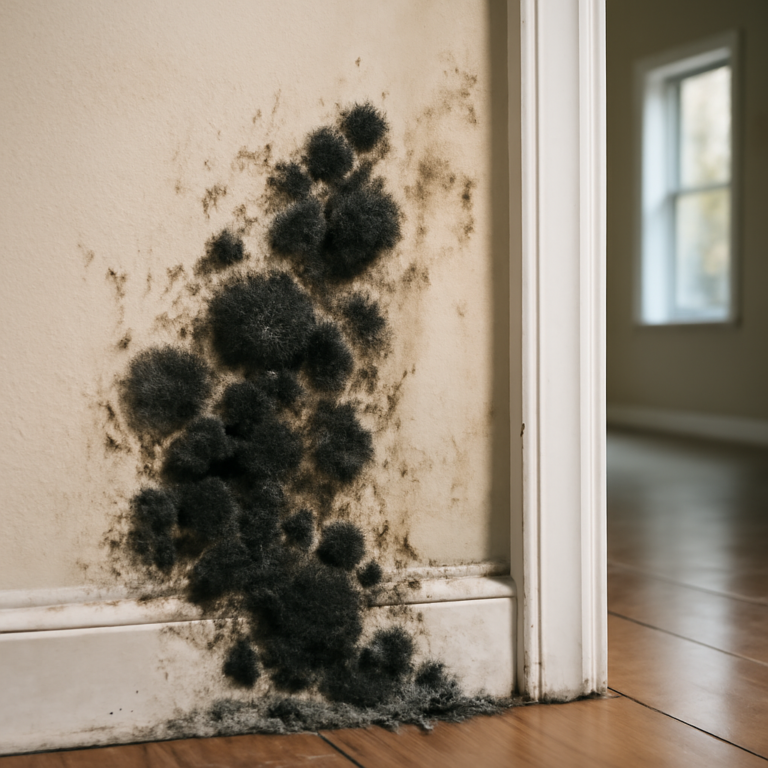
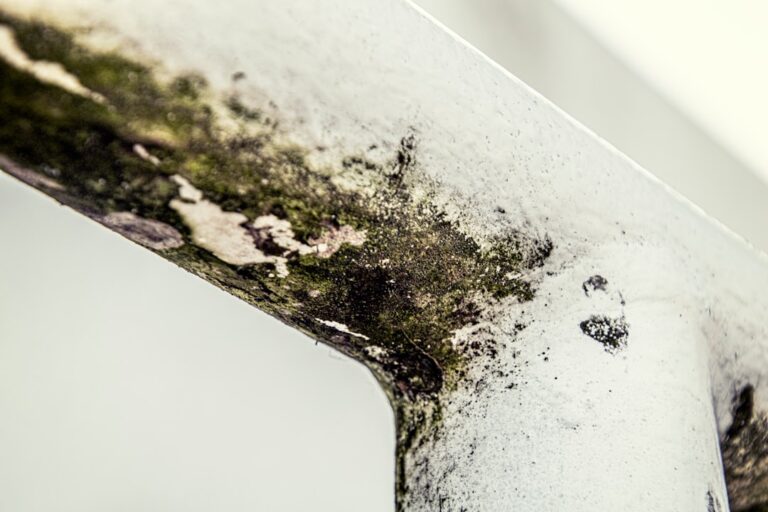
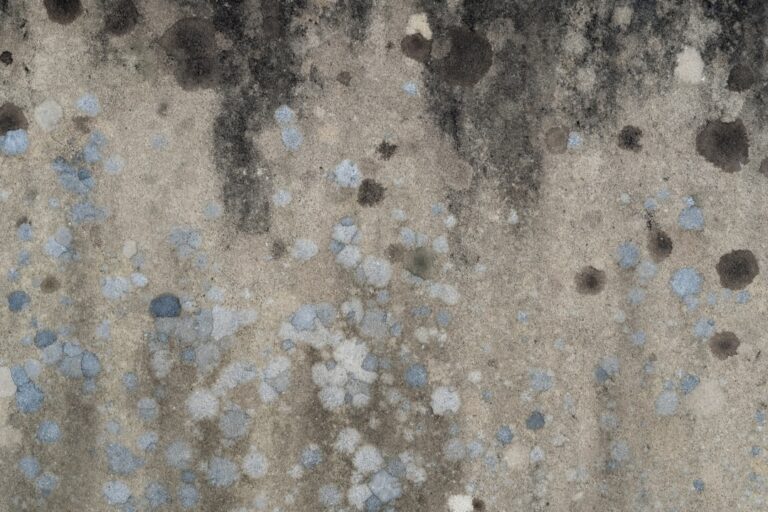
Color alone cannot identify a mold species. Many common molds, including Cladosporium, Alternaria and Aspergillus niger, look dark green or black, and Stachybotrys itself can appear greenish or grey. Only laboratory analysis can confirm the species. The practical good news is that, for cleanup purposes, the species rarely changes what you should do.
Our black mold photo guide shows how growth typically looks on drywall, wood and grout, and the Stachybotrys overview explains why this mold needs materials that stay saturated for a week or more. For side-by-side comparisons, see black mold versus Aspergillus and Chaetomium and the simpler question of black mold versus mildew, which usually stays on the surface of tile and caulk.
Some dark stains are not mold at all. Soot, dirt tracking on vents, water-stain tannins and algae all cause confusion, and the guide to what looks like black mold but isn’t covers the common lookalikes. Smell is a useful clue: a persistent musty odor suggests hidden growth even when nothing is visible, which is why we cover the typical smell of Stachybotrys separately. A strong odor with no visible source is a good reason to bring in an inspector with a moisture meter.
Getting rid of black mold safely
Both the CDC and EPA say the same thing: you do not need to know the species to act. All visible indoor mold should be removed, and the moisture source must be fixed or it will return. EPA guidance says a homeowner can often handle an area smaller than about 10 square feet, roughly a 3-by-3-foot patch, while larger areas or growth tied to sewage or contaminated water call for professional help.
Start with our step-by-step guide to cleaning black mold with the right protection, including an N95 respirator, gloves and goggles. Before doing the job, read whether it is safe to clean black mold yourself, which is especially relevant for anyone in a higher-risk group.
Cleaning products generate a lot of questions. Our readers most often ask whether hydrogen peroxide kills black mold, whether bleach works on black mold, and whether white vinegar is effective. The short version: on hard, non-porous surfaces, detergent and water scrubbing does most of the work, and bleach must never be mixed with ammonia or other cleaners. Porous materials are different. Moldy drywall often needs cutting out rather than wiping, as covered in removing black mold from drywall. For larger jobs, the black mold removal cost guide outlines what drives professional pricing.
Black mold around the house
Where mold shows up tells you a lot about the moisture behind it. Bathrooms and kitchens produce steam and splashing; basements pull in ground moisture; windows collect condensation in cold weather. EPA recommends keeping indoor relative humidity below 60 percent, ideally between 30 and 50 percent, and drying leaks within 24 to 48 hours. Knowing how long black mold takes to grow explains why that drying window matters so much.
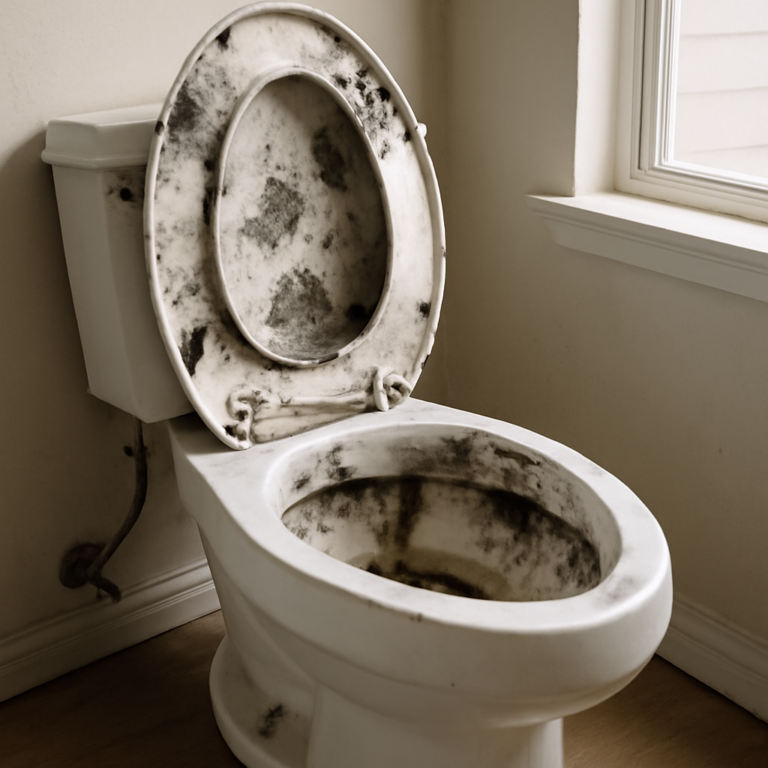
Our room-by-room guides cover the most common trouble spots. Growth on a bathroom ceiling usually points to weak exhaust ventilation. Dark rings in the bowl are covered in black mold in the toilet, which is often a bacterial or surface film rather than Stachybotrys. Black mold in the basement tends to follow foundation seepage or high humidity, and dark spots around air vents and registers can indicate condensation in the ductwork.
Renters have extra considerations, since the landlord usually controls repairs. The renter’s action guide to black mold in an apartment covers documentation and written notice. When a problem is extensive, recurring or tied to hidden water damage, see how professional black mold remediation is typically scoped, including containment and clearance checks.
When to see a doctor, and when to call an inspector
These are two separate decisions, and it helps to keep them apart. See a doctor if you or a family member have breathing difficulty, wheezing, worsening asthma, or symptoms that persist or worsen at home and improve when you are away. Seek care promptly if the person has a weakened immune system or chronic lung disease, and call emergency services for any severe breathing trouble. Bring a pet with ongoing coughing, sneezing or skin problems to a veterinarian.
Call an inspector when you smell mustiness but cannot find the source, when visible growth covers more than about 10 square feet, after a flood or long-running leak, or before buying a home with signs of past water damage. A qualified inspector focuses on finding the moisture, which is what a lasting fix depends on. Home test kits and lab results can add detail, but neither a doctor nor an inspector needs to know the exact species before you remove the mold.
References
- About Mold and Your Health — Centers for Disease Control and Prevention
- A Brief Guide to Mold, Moisture and Your Home — U.S. Environmental Protection Agency
- Mold Cleanup in Your Home — U.S. Environmental Protection Agency
- Mold and Dampness — American Lung Association
Frequently asked questions
Is black mold more dangerous than other household molds?
Black mold usually means Stachybotrys chartarum, which can produce mycotoxins, but the CDC does not consider a link between so-called toxic mold and serious illness to be established. Its common effects are the same allergic and respiratory symptoms other molds cause. All visible indoor mold should be removed regardless of type.
What are the most common symptoms of black mold exposure?
The CDC lists nasal stuffiness, wheezing, coughing, and red or itchy eyes or skin as the most common reactions. People with asthma, allergies or a weakened immune system can react more strongly. Anyone with symptoms should talk to a doctor rather than self-diagnose.
Can I tell black mold apart from other mold by its color?
No. Many common molds look dark green or black, and only lab analysis can confirm the species. For cleanup purposes the species rarely matters, because every type of indoor mold should be removed and the moisture fixed.
Can I clean black mold myself?
EPA guidance says homeowners can often clean an area smaller than about 10 square feet using gloves, goggles and an N95 respirator. Larger areas, growth after sewage or flood water, or anyone in a higher-risk health group are good reasons to hire a professional. Porous materials such as drywall and carpet usually need to be removed rather than cleaned.
Can black mold make my dog or cat sick?
Pets exposed to damp, moldy spaces can show respiratory or skin signs such as coughing, sneezing, itching or hair loss. Those signs have many possible causes, so a veterinarian should examine the animal. Fixing the moisture and removing the mold protects everyone in the home.
Symptoms & exposure

Mold in Lungs: How to Get It Out Naturally Explained
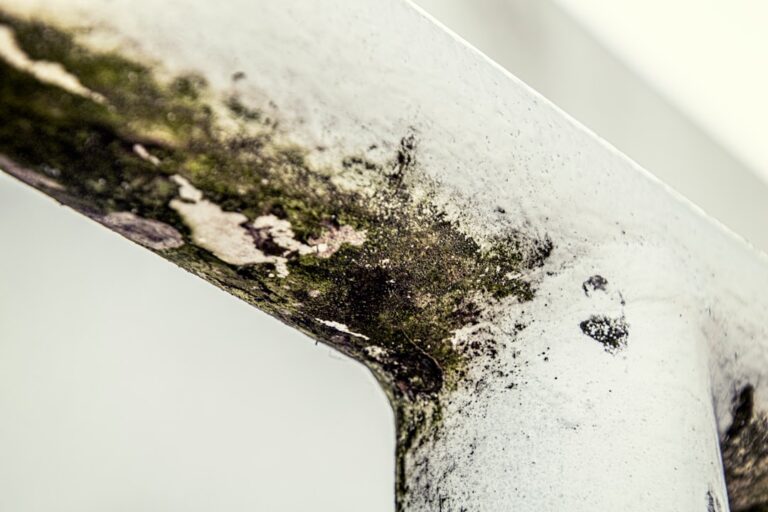
Black Mold Symptoms Skin: What Homeowners Need to Know
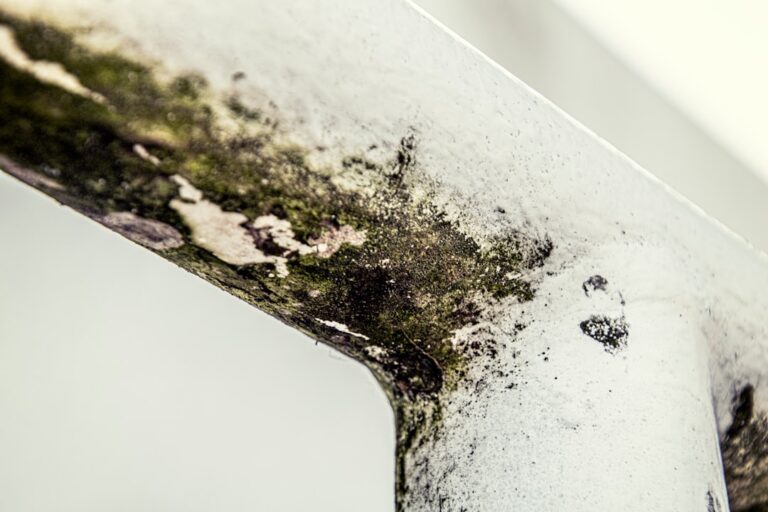
Toxic Black Mold vs Mildew: A 2026 Comparison Guide

How Do You Test for Mold Toxicity: A Plain-Language Guide
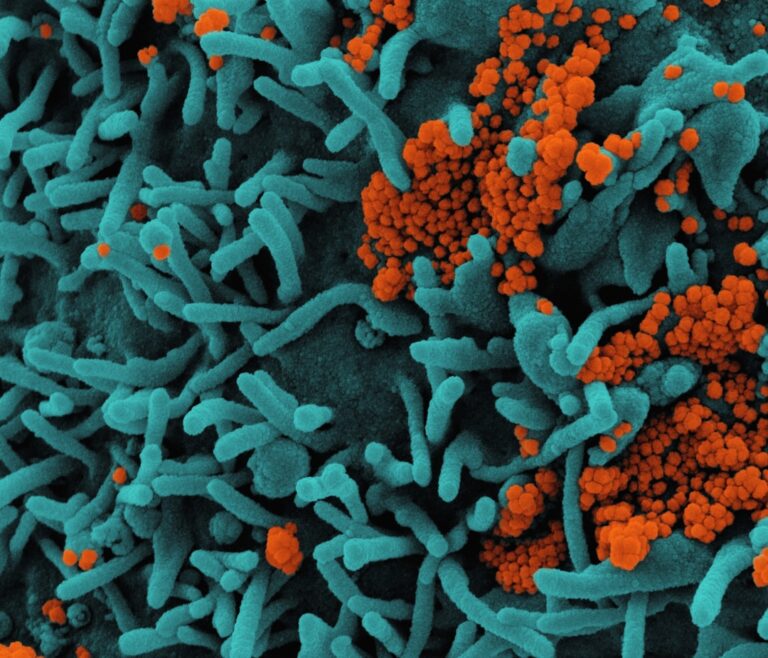
Mycotoxin Poisoning: What Homeowners Need to Know

Can You Die From Mold? What the Evidence Shows
Allergies & who's at risk

Penicillium Allergy: What Homeowners Need to Know
Air Allergen and Mold Testing: What Homeowners Need to Know
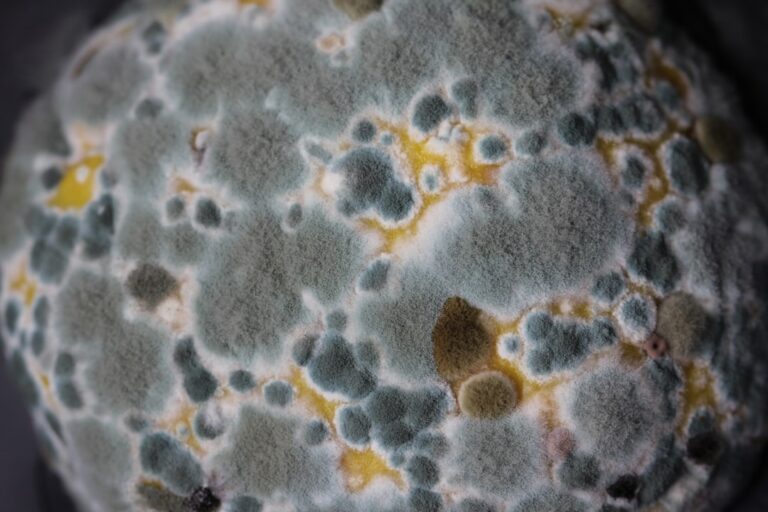
Test Home for Mold and Allergens: Combined Sample Guide

Face Mold Allergy: What Homeowners Should Know
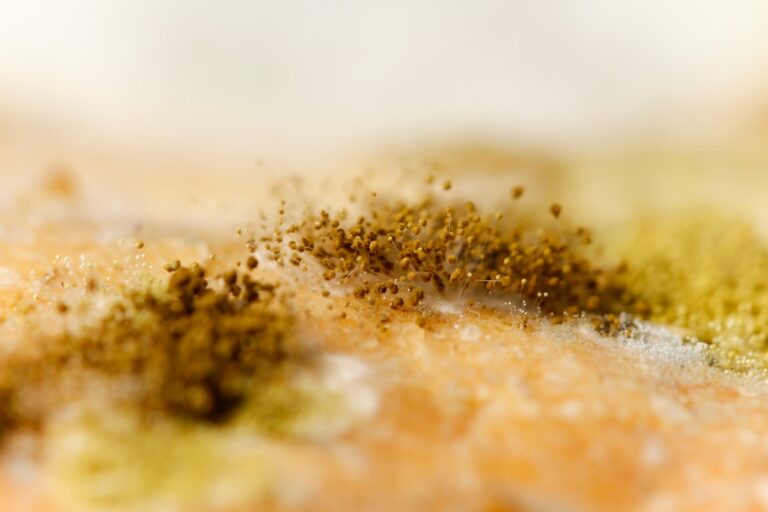
Snow Mold Allergy: What Homeowners Need to Know
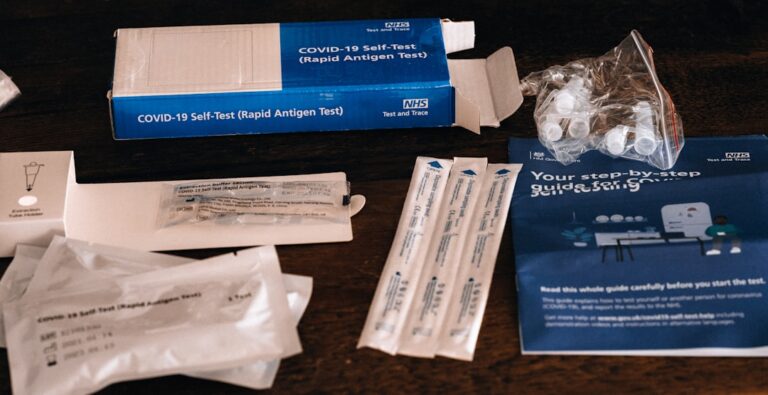
Mold Allergy Test Kit: What Homeowners Need to Know
Identifying black mold
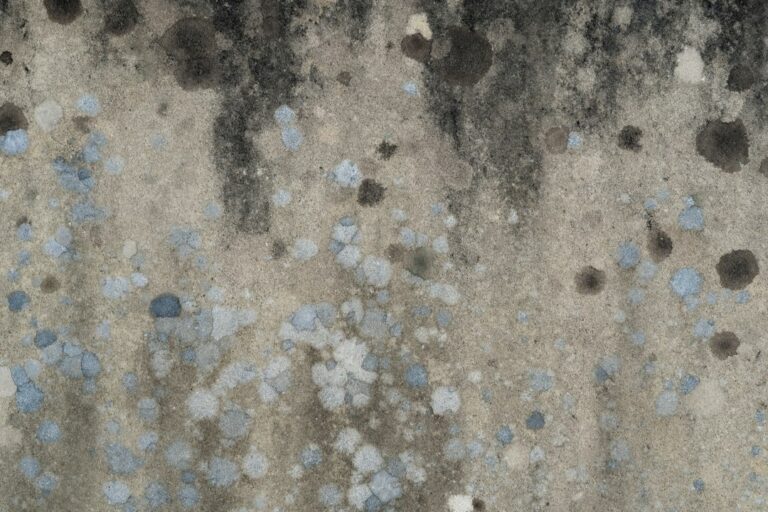


Getting rid of black mold

Does Hydrogen Peroxide Kill Black Mold? The Honest Answer

Cleaning Black Mold: A Step-by-Step Safety Guide
How to Remove Black Mold From Wood: A Homeowner Guide

What Kills Black Mold on Concrete: A Homeowner Guide
How to Clean Black Mold Off Walls: A Clear Guide

What Kills Black Mold Instantly: An Honest Guide
More guides



Browse all 527 black mold & your health guides » Back to the Mold Inspection & Testing hub