Indoor Air Quality at Home: Testing, Purifiers, Humidity & Vents
Explore by topic
Indoor air quality is one of those parts of a house that nobody notices until something is off: a musty basement, a bedroom that feels stuffy by morning, windows streaming with condensation in January, or a lingering smell from the previous owner’s pets. The U.S. Environmental Protection Agency defines indoor air quality (IAQ) as the air quality within and around buildings as it relates to the health and comfort of the people inside, and it notes that most people spend about 90% of their time indoors, mostly at home. That makes the air in your house a bigger share of what you breathe than the air outside.
This page is the starting point for our indoor air quality guides. It explains what affects the air in a home, which problems belong to other specialist sections of the site, and how the four topics gathered here fit together: air purifiers and filters, humidity control, air quality testing and ventilation. We write for homeowners and buyers across the country, with occasional notes for the Colorado Front Range, where dry winters, summer wildfire smoke and common radon make IAQ a practical concern rather than an abstract one. We do not sell or rank equipment here, and health statements come from the agencies cited at the end of the page.
Three strategies: source control, ventilation and air cleaning
EPA organizes every recommendation about home air around three basic strategies, and they are worth learning in order because the order is the point.
Source control comes first. EPA says that eliminating individual pollution sources or reducing their emissions is usually the most effective way to improve indoor air, and often cheaper than ventilating, because running fans and opening windows costs energy. Source control looks like fixing a leak instead of buying a dehumidifier, storing paint and solvents in a detached shed, having a gas appliance adjusted, or sealing a crawl space rather than masking its smell.
Ventilation comes second. Bringing in outdoor air dilutes what is left. EPA points out that most home heating and cooling systems, including forced-air furnaces, do not mechanically bring fresh air into the house, so a tight home with no dedicated ventilation can let pollutants build up. Kitchen and bathroom fans that exhaust outdoors remove moisture and contaminants right where they are produced, and newer homes increasingly use heat recovery ventilators to supply fresh air without throwing away all the heat.
Air cleaning comes third. Portable air purifiers and better furnace filters can reduce particles, and carbon filters can reduce some gases and odors. EPA describes filtration as a supplement to source control and ventilation, not a substitute for them. A purifier running in a damp, poorly vented house is treating the symptom.
Humidity sits across all three. Moisture is both a pollutant source (it feeds mold and dust mites) and something you manage with ventilation and equipment, which is why it gets its own hub below.
The main pollutants in homes
Most indoor air problems trace back to a handful of pollutant groups. Several of them have their own home on this site, and this page links out to those rather than repeating them.
Particles. Fine particulate matter (PM2.5) comes from cooking, candles, fireplaces, smoking and outdoor sources such as wildfire smoke; coarser dust, pollen and pet dander settle faster but are stirred up by every footstep. Particles are the main target of HEPA purifiers and higher-MERV furnace filters.
Volatile organic compounds (VOCs) and formaldehyde. EPA reports that levels of many VOCs are consistently higher indoors than outdoors, sometimes up to ten times higher, and lists paints, solvents, cleaners, air fresheners, hobby supplies, building materials and furnishings among the sources. New flooring, cabinets and pressed-wood furniture are common formaldehyde sources in the first months after a renovation. Ventilating during and after projects, and choosing low-emitting products, does more than any device.
Combustion gases, including carbon monoxide. Furnaces, water heaters, gas ranges, fireplaces, wood stoves and attached garages can all add carbon monoxide (CO) and nitrogen dioxide to indoor air. EPA describes CO as odorless, colorless and toxic, and lists back-drafting furnaces and water heaters, leaking chimneys and unvented heaters among its sources. Every home with a fuel-burning appliance or attached garage needs working CO alarms; our carbon monoxide detector buyer’s guide covers placement, and furnace and venting issues live in the heating and cooling guide. A gas smell is an emergency, not an air quality project; see what to do if you smell gas.
Moisture and mold. EPA’s mold guidance is blunt: the key to mold control is moisture control. Damp basements, wet crawl spaces, leaking roofs and plumbing, and steam from showers and cooking all feed growth. Mold assessment, testing and remediation are covered in our mold inspection guide, including mold and indoor air quality and when spore sampling is worth it. Crawl spaces are a frequent moisture source under the whole house, and the crawl space guide covers vapor barriers, encapsulation and crawl space dehumidifiers.
Radon. Radon is a radioactive gas that seeps up from soil and cannot be seen or smelled. EPA estimates radon is the leading cause of lung cancer among non-smokers and the second leading cause overall. It is common across the Colorado Front Range, and the only way to know a home’s level is to test. Purifiers and general ventilation are not the fix, as our guide to whether air purifiers help with radon explains; testing and mitigation are covered in the radon testing guide.
Allergens. Dust mites, pet dander, pollen and mold fragments are particles with an allergic twist. Dust mites thrive in humid rooms, so humidity control and filtration work together here. For allergy-specific reading, see mold allergies alongside the purifier hub below.
Asbestos and lead. Older homes can contain asbestos in insulation, flooring and pipe wrap, and lead in paint dust. Both become air quality problems mainly when disturbed during renovation. They have their own section, the asbestos and lead guide, and asbestos air testing explains when air sampling is used.
Air purifiers, filters and odors
The air purifiers hub covers the air cleaning leg of the framework: portable purifiers, furnace filters, wildfire smoke and household odors. The key ideas are sizing by clean air delivery rate rather than by marketing claims, choosing true HEPA for particles and activated carbon for odors and gases, and avoiding devices that produce ozone. Start with how to choose an air purifier, then read the MERV rating guide before upgrading a furnace filter, since a filter that is too restrictive for the blower can cause its own problems. For odors, the hub’s rule is to find the source before buying anything, and our ozone generator explainer covers why odor machines do not belong in occupied rooms. Buyers who inherit a smoker’s house will want smoke smell in house.
Humidity control
The humidity control hub deals with the moisture side of indoor air. EPA’s mold guidance suggests keeping indoor relative humidity below 60%, ideally between 30% and 50%. Front Range homes often swing between both extremes: very dry air in winter, when heating pulls indoor humidity down, and damp basements in spring and summer. The hub covers humidifiers, dehumidifiers and the hygrometers that tell you which one you need. Good entry points are humidity control for homeowners, how to lower humidity in your house and how to choose a dehumidifier. For dry winters, read the whole house humidifier guide and how to clean a humidifier, because a neglected humidifier can become a source of its own. If humidity has already caused growth, the mold and humidity guide bridges to the mold guides.
Air quality testing
The air quality testing hub is about measuring before spending. Consumer monitors can track PM2.5, carbon dioxide, total VOCs, temperature and humidity, and they are good at showing trends: whether cooking spikes particles, whether a bedroom gets stuffy overnight, whether a purifier is making a difference. They are less good at precise numbers, and they cannot detect everything. Read the air quality monitor guide for what the sensors do, indoor CO2 monitors for using CO2 as a ventilation gauge, and how to test for VOCs and formaldehyde after a renovation. When a home needs more than a gadget, home indoor air quality testing explains what a professional assessment involves. Two gaps matter: radon needs its own test, and carbon monoxide needs a listed CO alarm rather than a general-purpose monitor.
Ventilation
The ventilation hub covers the equipment that moves air in and out of a house. Spot ventilation is the workhorse: a properly sized bathroom fan that actually exhausts outdoors, and a range hood that captures cooking smoke and moisture. Home inspectors regularly find bath fans ducted into the attic, where they dump warm, wet air onto the roof sheathing. Start with bathroom exhaust fan sizing and venting and range hood installation. For whole-house air exchange, the hub explains when a whole house fan makes sense in a dry climate with cool nights, and when a tight home benefits from a heat recovery ventilator. Duct and dryer-vent cleaning also live here, with air duct cleaning costs and when the job is worth paying for. Attic airflow, a separate question from living-space ventilation, is covered in attic ventilation.
Where to start: measure, fix sources, ventilate, filter
If the air in your home seems off and you are not sure why, work through these steps in order. Each one makes the next cheaper and more effective.
- Measure. Put a hygrometer in the basement and main living area, and consider a monitor that reads PM2.5 and CO2. A week of readings tells you more than guessing. Run a radon test if the home has no recent result, and confirm CO alarms are installed and working.
- Fix sources. Repair leaks, correct drainage, clean up any mold, and have fuel-burning appliances serviced. Store solvents, paint and fuel outside the living space. Find the cause of any odor before covering it up.
- Ventilate. Make sure bath fans and the range hood exhaust outdoors and get used. Open windows when outdoor air is clean, and consider mechanical ventilation in a tight house.
- Control humidity. Aim for the 30% to 50% range EPA suggests, with a dehumidifier in damp spaces and a clean, well-maintained humidifier if winter air is very dry.
- Filter. Upgrade the furnace filter as far as your system allows and add a properly sized HEPA purifier in bedrooms or for smoke season.
Buyers can fold some of this into a purchase. A general home inspection is visual and does not usually include air sampling, but it will often flag missing exhaust ducting, signs of moisture and combustion venting problems. Our guide to an air quality home inspection explains which add-on tests are worth ordering during the contingency period.
Indoor air problems at a glance
| Problem or sign | First step | Where to read more |
|---|---|---|
| Musty smell, damp basement | Measure humidity and find the water source | Humidity control guide, mold guides |
| Dry air, static, cracked skin in winter | Check RH with a hygrometer before adding moisture | Humidity control guide |
| Stuffy rooms, condensation on windows | Check CO2 and humidity; improve ventilation | Ventilation guide |
| Wildfire smoke, allergies, dust | Seal out smoke, upgrade filter, add HEPA purifier | Air purifiers guide |
| Chemical smell after renovation | Ventilate heavily; test VOCs if it persists | Air quality testing guide |
| Headaches when the heat runs | Leave if a CO alarm sounds; have appliances checked | Heating and cooling guide |
| No radon result on record | Run a radon test | Radon testing guide |
| Older home being renovated | Test suspect materials before disturbing them | Asbestos and lead guide |
References
- Introduction to Indoor Air Quality — U.S. Environmental Protection Agency
- Improving Indoor Air Quality — U.S. Environmental Protection Agency
- Guide to Air Cleaners in the Home — U.S. Environmental Protection Agency
- Volatile Organic Compounds’ Impact on Indoor Air Quality — U.S. Environmental Protection Agency
- A Brief Guide to Mold, Moisture and Your Home — U.S. Environmental Protection Agency
- Health Risk of Radon — U.S. Environmental Protection Agency
Frequently asked questions
What is indoor air quality?
EPA defines indoor air quality as the air quality within and around buildings as it relates to the health and comfort of the people inside. In a home it depends on pollutant sources such as combustion appliances, building materials, cleaning products and moisture, and on how much outdoor air comes in to dilute them.
What is the best way to improve indoor air quality?
EPA lists three strategies: source control, ventilation and air cleaning. Removing or reducing pollutant sources is usually the most effective, followed by bringing in outdoor air. Air purifiers and better filters help as a supplement but do not replace the first two steps.
What humidity level is best for a house?
EPA's mold guidance suggests keeping indoor relative humidity below 60 percent and ideally between 30 and 50 percent. A hygrometer in the basement and main living area shows whether you need a dehumidifier, a humidifier or neither.
Can a home air quality monitor detect radon or carbon monoxide?
Most general-purpose monitors read particles, carbon dioxide, total VOCs, temperature and humidity. Radon needs its own test or a dedicated radon monitor, and carbon monoxide needs a listed CO alarm installed according to the manufacturer and local code.
Does a home inspection test indoor air quality?
A standard home inspection is visual and usually does not include air sampling. Inspectors may note moisture, missing exhaust ducting and venting problems. Radon, mold and other air tests are typically separate add-on services ordered during the inspection period.
Wondering whether a smell, damp spot or stuffy room in your home needs testing or a closer look? Contact our team and we can help you work out the next step.
Explore all guides in this topic
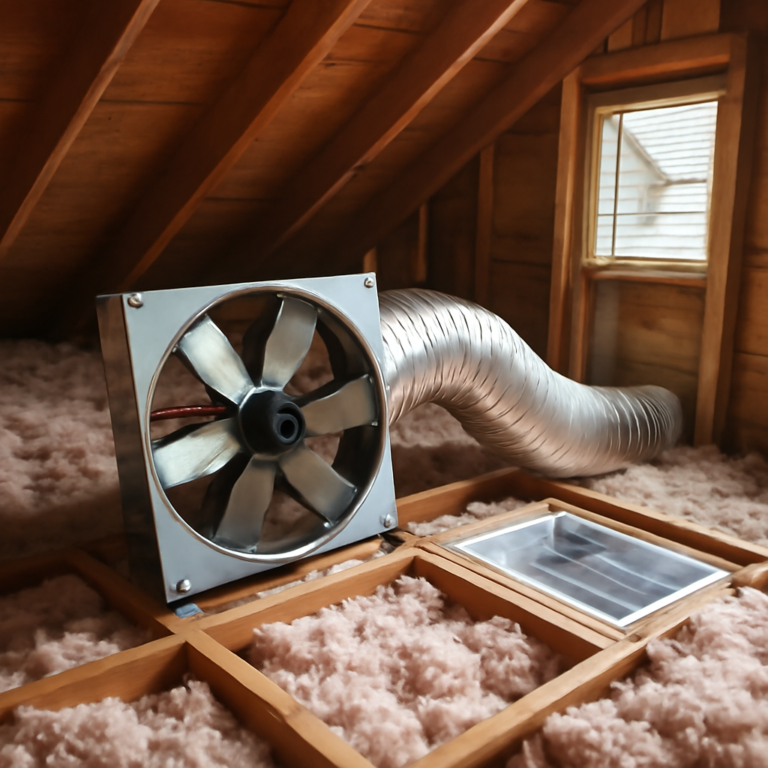
Whole House Fan Installation Cost: Typical 2026 Price Guide
Typical whole house fan installation cost by fan type, a sizing rule of thumb, attic venting needs, backdraft…
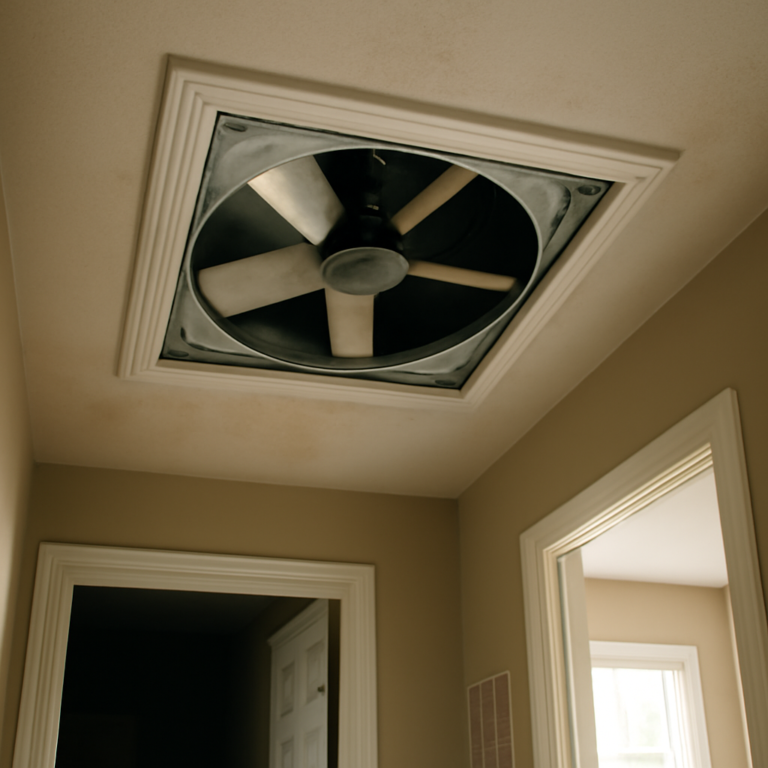
Whole House Fan: How It Works, Costs and When It Makes Sense
How a whole house fan cools with evening air, how it differs from an attic fan, sizing and attic vent needs, t…
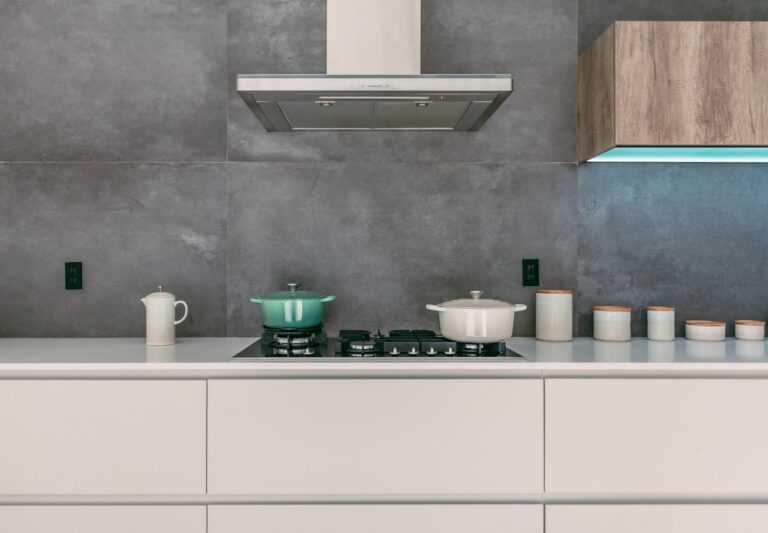
Range Hood Installation Cost: Ducted, Ductless and Upgrades
Range hood installation cost explained: typical ranges for swaps, new ducted runs, island hoods and makeup air…
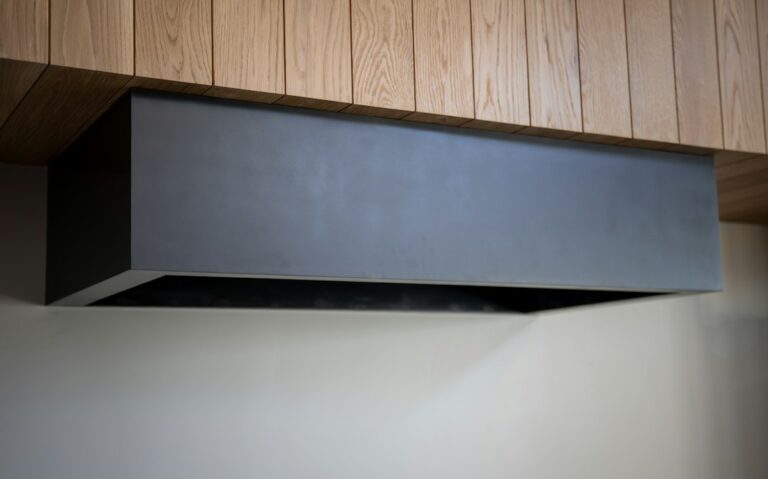
Range Hood Installation: Ducting, CFM and Makeup Air
Planning to install range hood ventilation? Compare ducted and recirculating hoods, CFM sizing, duct routes, m…
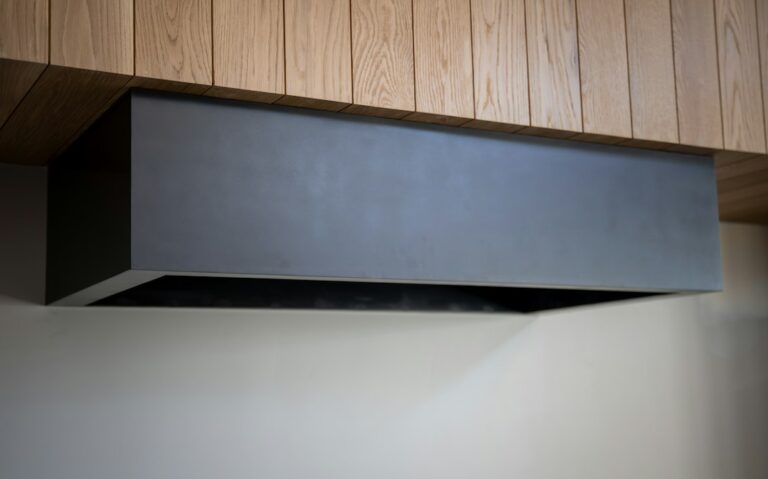
Range Hood Filters: Mesh, Baffle and Charcoal Maintenance
How each range hood filter type works: aluminum mesh, stainless baffle and charcoal, plus cleaning schedules,…
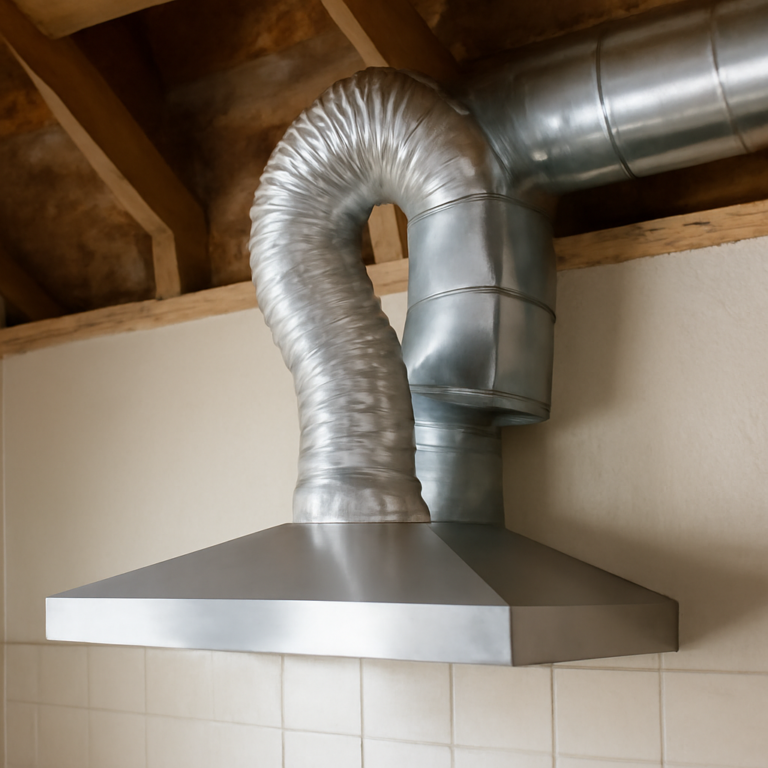
Range Hood Ducting: Duct Size, Runs and Makeup Air
How vent hood ducting should be sized, routed and terminated outdoors, why rigid metal beats flex, when makeup…
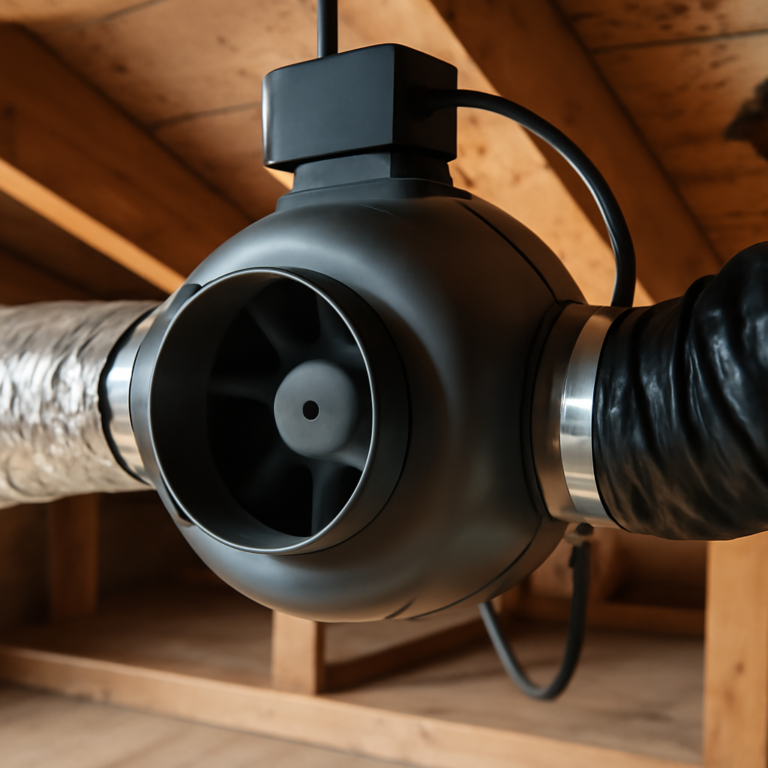
Inline Exhaust Fan: Quiet Ventilation and Long Duct Runs
What an inline exhaust fan is, when a remote-mounted fan beats a ceiling unit, how to insulate attic ducts and…

Heat Recovery Ventilator: HRV vs ERV for Tight Homes
How a heat recovery ventilator works, HRV vs ERV for dry Colorado winters, ducting options, sizing, maintenanc…

Garage Exhaust Fan: Fumes, CO and Ventilation Options
How a garage exhaust fan limits vehicle exhaust, CO and solvent fumes: wall vs ceiling fans, timers and CO sen…

Ductless Range Hoods: How Recirculating Hoods Work
How a ductless range hood filters grease and odors, what it leaves in the air, filter replacement, gas stove c…
Dryer Vent Cleaning Cost: Typical Prices and What to Expect
Typical dryer vent cleaning cost for short, long and roof vent runs, what raises the price, repair vs reroute…

Best Whole House Fans (2026): 6 Picks Compared by Home Size
The best whole house fan depends on square footage, attic venting and controls. We compared current listings o…
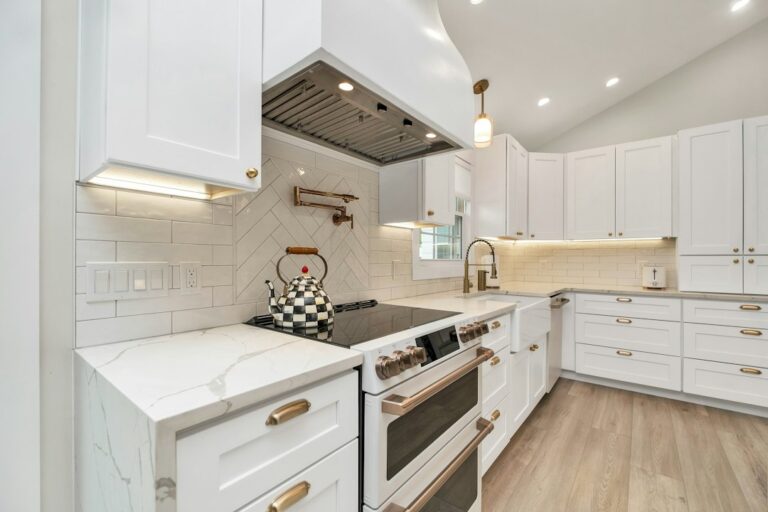
Best Under Cabinet Range Hood (2026): 7 Picks Compared
The best under cabinet range hood fits your cabinet, duct and cooktop. We compared 15 Amazon listings on CFM,…
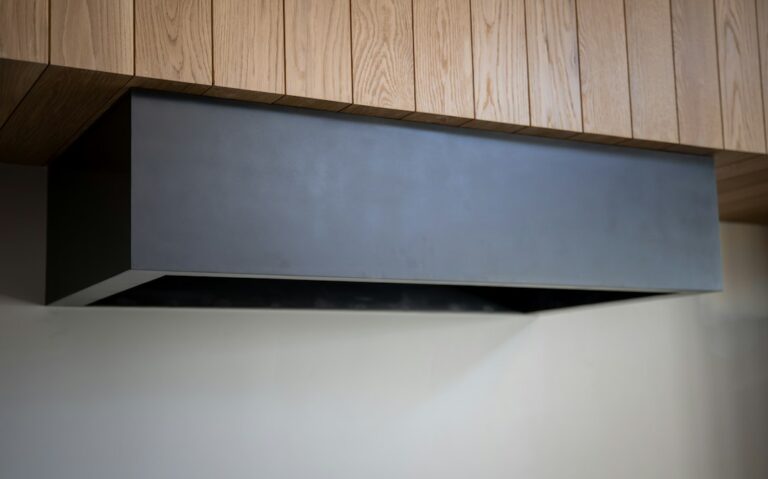
Best Range Hood (2026): 7 Picks Compared by Hood Type
The best range hood depends on hood style, CFM and duct path. We compared 15 Amazon listings across wall chimn…
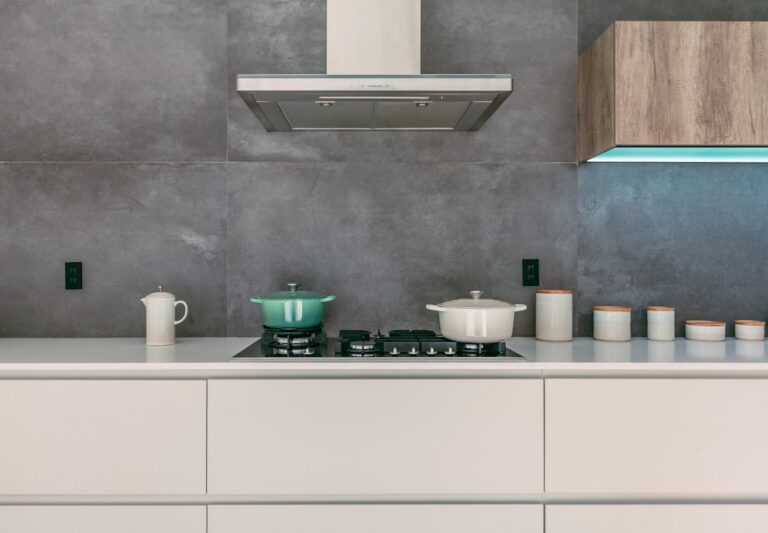
Best Ductless Range Hoods (2026): 7 Picks and Their Real Limits
The best ductless range hood filters grease and odor but cannot vent gas-range fumes outdoors. We compared 12…
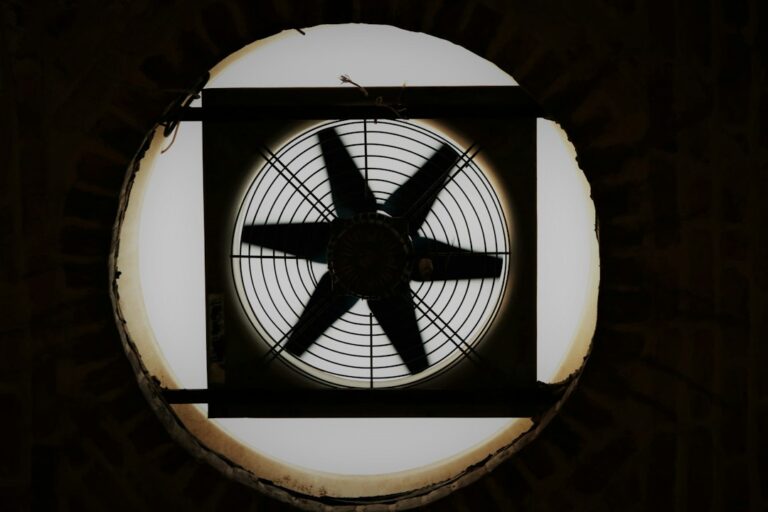
Best Bathroom Exhaust Fans (2026): 7 Picks by CFM and Sones
The best bathroom exhaust fan is sized by CFM, quiet enough to run and ducted outdoors. We compared 16 current…

Bathroom Exhaust Fan Installation Cost: Typical Ranges
Bathroom exhaust fan installation cost by job type: replacement vs new install, duct runs, wiring, roof vs wal…

Bathroom Exhaust Fan: Sizing, Venting and Mold Prevention
A bathroom exhaust fan controls shower moisture and mold. Learn how to size it, why the duct must vent outdoor…
Air Duct Cleaning Cost: Typical 2026 Prices and When It Pays
Air duct cleaning cost in 2026: typical whole-house and per-vent ranges, what drives the price, when EPA says…

Window Condensation: Inside, Outside, and Between the Panes
What condensation inside windows means, why outside dew signals good glass, why fogging between panes means a…
Whole House Humidifier Cost: Bypass, Fan and Steam Units
Typical whole house humidifier cost installed for bypass, fan-powered and steam units, plus pads, water, elect…
Whole House Humidifier: Types, Costs and Dry-Climate Tips
Compare whole house humidifiers for furnaces: bypass, fan-powered and steam models, target winter humidity, ma…
What Size Humidifier Do You Need? Gallons per Day Guide
Humidifier sizing explained: match gallons per day to square footage and home tightness, aim for 30-50% humidi…
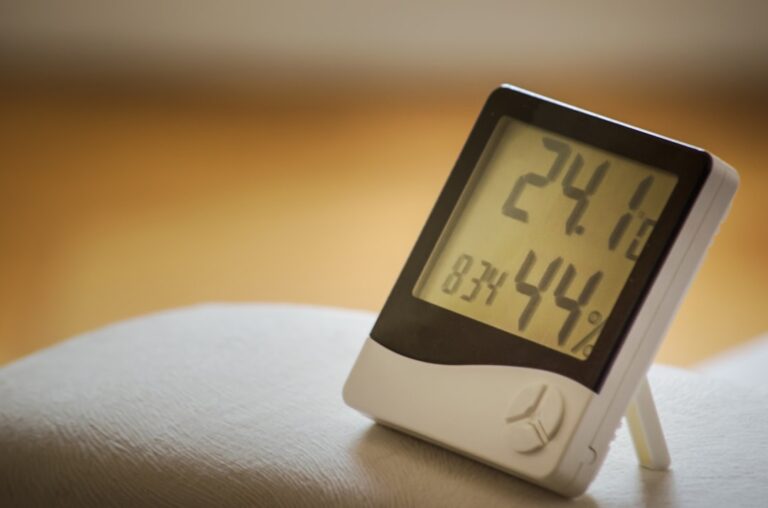
What Is a Hygrometer? A Plain-Language Guide
What is a hygrometer? Learn how this humidity meter works, what relative humidity readings mean, where to use…