Mold and Humidity: What Homeowners Need to Know
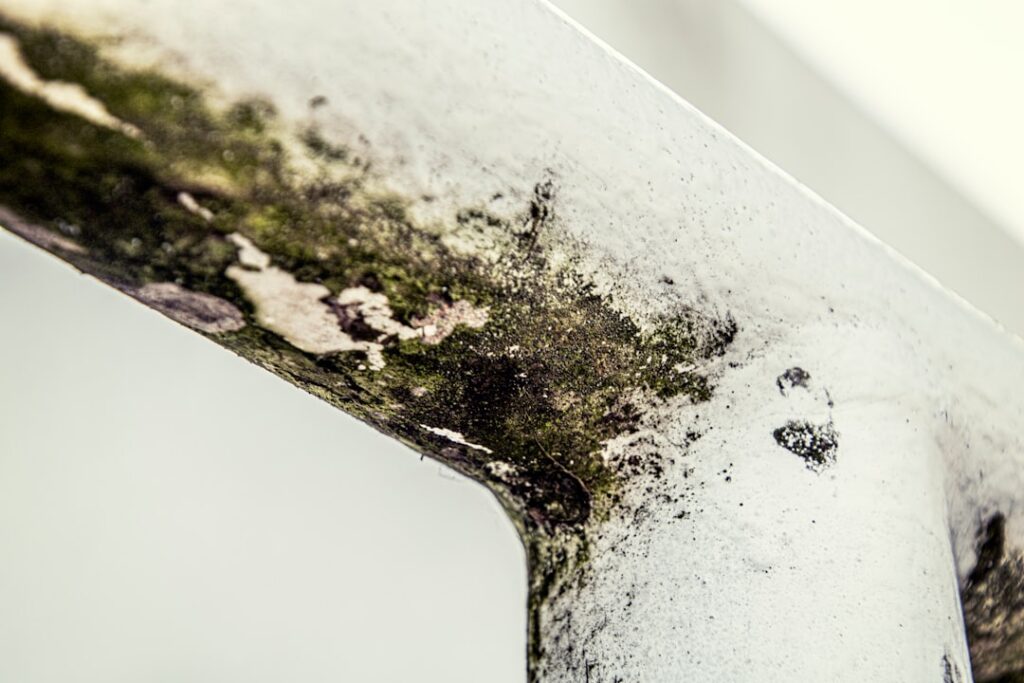
Mold is not a cleanliness problem so much as a moisture problem. Spores drift through every home, harmless until they land on a damp surface and find the humidity they need to grow. Understanding the relationship between mold and humidity gives homeowners the single most useful lever for prevention: keep the air dry enough, and the spores never get a foothold. This guide summarizes EPA and CDC guidance current as of 2026; for active growth or health symptoms, consult a certified professional and your physician rather than relying on humidity control alone.
Is this mold, asbestos, or water damage? Get a free instant screen
Upload a clear photo of the suspect area. You'll get an instant AI screening opinion and what to do next. This is screening guidance, not a professional determination.
Screening guidance only. AI can be wrong. Confirm asbestos, mold type, or lead with lab testing or a licensed professional before acting.
How Mold and Humidity Are Connected
Mold needs four things to grow: spores, a food source such as drywall paper or wood, the right temperature, and moisture. Of those four, moisture is the only one a homeowner can realistically remove. Spores are everywhere, organic building materials are unavoidable, and indoor temperatures suit mold as well as they suit people. That leaves humidity as the control point. The U.S. Environmental Protection Agency advises keeping indoor relative humidity below 60 percent, and ideally between 30 and 50 percent, to discourage mold growth. This principle underpins the whole approach to mold inspection and testing for homeowners.
The 60 Percent Threshold and Why It Matters
Relative humidity measures how much water vapor the air holds compared to the maximum it could hold at that temperature. When indoor relative humidity climbs above roughly 60 percent, surfaces and the thin film of moisture on them stay wet enough for common molds to germinate and spread. Below 50 percent, growth slows sharply; below 40 percent, most household molds struggle. The threshold is not a hard switch but a sliding scale, which is why keeping the home in the 30-to-50 percent band gives the widest safety margin.
Why Surface Moisture Beats Air Moisture
Mold grows on surfaces, not in the open air, so what matters most is the humidity right at a surface. Cold surfaces are the trap. A basement wall, a window frame, or an uninsulated closet exterior wall can be far colder than the room, and air touching that cold surface reaches a higher relative humidity than the room average. That is why mold often appears in a corner or behind furniture even when a hygrometer in the middle of the room reads a comfortable 50 percent. The reading at the cold spot is what drives growth.
Where Humidity Hides in a Home
Whole-house humidity is only part of the picture. Pockets of high moisture form in predictable places, and those are where mold appears first.
Bathrooms and Laundry Rooms
Showers and dryers release large volumes of water vapor in short bursts. Without exhaust ventilation, that vapor settles on cool tile, grout, and ceilings.
Basements and Crawl Spaces
Below-grade spaces stay cool, and groundwater pushes vapor through foundation walls. Along the Front Range, spring snowmelt and lawn irrigation raise the moisture load against Denver and Jefferson County foundations.
Closets and Behind Furniture
Stagnant air against a cold exterior wall traps moisture. A bed pushed flat against an outside wall is a classic hidden mold site.
Measuring Humidity in Your Home
You cannot manage what you do not measure. An inexpensive hygrometer gives a baseline reading; placing two or three around the home reveals the variation between a dry living room and a damp basement. Check readings across seasons and after activities such as showering or cooking. If any space routinely reads above 60 percent, that room needs intervention. Reading values change with temperature, so note both the humidity and the room temperature when comparing spots.
Sources That Add Moisture to a Home
Before lowering humidity, it helps to know what raises it, because every gallon of water added indoors has to be removed somewhere. Daily living contributes a surprising amount: cooking, showering, dishwashing, and even breathing and perspiration release water vapor into the air, with a household of several people adding several gallons of moisture daily through ordinary activity. Drying clothes indoors, whether on a rack or with an unvented dryer, dumps a load of water straight into the air. Houseplants transpire moisture, and a large collection adds up. Unsealed crawl space soil and sump pits let ground moisture evaporate into the home. Combustion appliances that are not properly vented add water as a byproduct. New construction and recent concrete or plaster work release moisture for months as they cure. Identifying which of these are at work in a particular home points to the most effective fixes, since reducing a major source is often easier than out-running it with a dehumidifier.
How to Bring Humidity Down
Lowering humidity follows a simple order. First, control sources: run bathroom and kitchen exhaust fans, vent the clothes dryer outdoors, fix plumbing leaks, and route gutters and downspouts away from the foundation. Second, ventilate, using fans and, in suitable weather, fresh outdoor air, though in humid climates outdoor air can add moisture rather than remove it. Third, dehumidify the spaces that stay damp. A basement dehumidifier sized to the space is the standard fix for below-grade dampness, set to hold humidity at 45 to 50 percent.
The Forty-Eight Hour Rule
One of the most useful figures in mold prevention is a window of time, not a humidity number. The EPA advises drying wet materials within 24 to 48 hours to prevent mold growth, because common molds can germinate and begin colonizing within roughly that span once a surface is wet and the temperature is suitable. This reframes humidity control as a race. A spill, a small leak, or a damp patch is not a problem if the material dries within a day or two, but the same moisture left for a week becomes a colony. Practically, it means responding to any wetting promptly: mopping up, running fans, dehumidifying the area, and discarding porous materials such as soaked carpet padding that cannot be dried quickly. High ambient humidity works against this window by slowing how fast surfaces can dry, which is another reason to keep the home in the recommended range as a baseline.
Tools for Tracking Humidity
You cannot manage humidity you do not measure, and the tools are inexpensive. A basic digital hygrometer shows current relative humidity and temperature for a few dollars; placing two or three around the home reveals how much the basement differs from the living room. Models that log minimum and maximum readings capture the overnight or post-shower spikes a spot check would miss. For finding the hidden moisture behind a stubbornly damp area, a moisture meter reads the dampness of wood and drywall directly, distinguishing a surface that merely feels cool from one that is genuinely wet inside. Together, a hygrometer for the air and a moisture meter for surfaces give a homeowner a clear, low-cost picture of where moisture is accumulating before mold makes the problem visible.
Seasonal Humidity Swings
Humidity is not constant. Summer brings high outdoor moisture that infiltrates indoors, raising the load on dehumidifiers. Winter heating dries indoor air, sometimes below 30 percent, which is comfortable for mold prevention but can dry out wood and skin. The goal is to stay within the 30-to-50 percent band year-round, which usually means dehumidifying in the warm months and easing off, or even adding moisture, in the coldest weeks. On the Front Range, the naturally dry climate helps in winter but does not exempt damp basements from summer monitoring.
Relative Humidity, Dew Point, and Why Both Matter
Relative humidity is the figure most homeowners watch, but it only tells half the story because it changes with temperature even when the actual amount of water in the air stays the same. Air at 70 degrees and 50 percent relative humidity holds the same water as cooler air at a higher relative humidity. The dew point, the temperature at which that water would begin to condense, is the more stable measure of how much moisture is actually present. The practical lesson is about surfaces. When a wall, window, or pipe is colder than the dew point of the surrounding air, water condenses on it, and that condensation feeds mold no matter what the room’s relative humidity reads. This is why mold appears on a single cold corner while the rest of the room stays clean, and why lowering whole-room humidity reduces the dew point enough to keep those cold surfaces dry.
How Mold Damages Materials Over Time
The link between mold and humidity matters because the consequences compound quietly. Mold does not merely discolor surfaces; as a living fungus it digests the organic material it grows on. On paper-faced drywall it breaks down the paper and weakens the board. On wood framing and subfloor it degrades the material and, combined with sustained moisture, can contribute to rot. Stored items, books, photographs, fabrics, and cardboard, absorb moisture and stain or deteriorate. Beyond the materials, sustained high humidity also supports dust mites, whose populations the EPA notes thrive in damp conditions and which are themselves a common indoor allergen. Controlling humidity therefore protects both the structure and the air at once, which is why the 30-to-50 percent band is treated as a baseline of healthy indoor conditions rather than a mere comfort preference.
Building Habits That Hold Humidity Down
Equipment matters, but daily habits do much of the work of keeping humidity in range. Run the bathroom exhaust fan during every shower and for fifteen to twenty minutes afterward, not just while the water runs, so the lingering vapor is vented rather than left to settle on cool tile. Use the kitchen range hood when cooking, and confirm it vents outdoors rather than recirculating. Vent the clothes dryer to the exterior, never into the basement or attic, since a single load releases a surprising amount of water vapor. Cover sump pits and crawl space soil with a vapor barrier where appropriate. Open interior doors to let air circulate into closets and corners that would otherwise stagnate. None of these cost much, and together they reduce the load any dehumidifier has to handle.
Humidity and Other Indoor Air Concerns
Controlling humidity pays dividends beyond mold. Dust mites, a common indoor allergen, depend on humid air to survive and decline when humidity stays in the recommended range, so the same measures that prevent mold also reduce the mite population in bedding and upholstery. High humidity can also worsen the off-gassing of some materials and make a home feel warmer than the thermostat suggests, while extremely low humidity dries out wood, skin, and nasal passages. Keeping the home in the 30-to-50 percent band therefore serves several goals at once: it discourages mold and mites, protects materials, and keeps the air comfortable. This is why public-health guidance treats indoor humidity as a baseline component of healthy indoor air rather than a matter of comfort alone, and why a hygrometer is a worthwhile investment for any home with damp-prone areas.
When Humidity Control Is Not Enough
Sometimes the air is dry yet mold keeps returning. That points to a moisture source the hygrometer cannot see: a slow pipe leak inside a wall, a roof flashing failure, or groundwater wicking up through a slab. In those cases, controlling room humidity treats the symptom while the source keeps feeding growth. Persistent staining, recurring musty odor, or visible growth that returns after cleaning are signals to bring in a professional. Our overview of mold assessments for homeowners explains what an inspection looks for and when testing is worth the cost.
References
- Mold Course Chapter 2: Why and Where Mold Grows — U.S. Environmental Protection Agency
- About Mold — Centers for Disease Control and Prevention
- Introduction to Indoor Air Quality — U.S. Environmental Protection Agency
If a room in your Front Range home keeps reading high on the hygrometer despite your efforts, a vetted local inspector can help find the hidden source. Reach one through our contact page.