Thermal Imaging for Homes: Cameras, Uses, Limits & Costs
Thermal imaging turns heat into a picture. An infrared camera measures the energy given off by surfaces and maps small temperature differences as color, which makes it useful for spotting missing insulation, air leaks, overheating electrical parts and cool patches that may point to hidden moisture. It is also easy to misread. A thermal camera sees surface temperature only; it does not see moisture, and it does not see through walls. This hub collects our guidance on how the technology works, which cameras and phone attachments make sense for a homeowner, what a scan can and cannot find, and how local Colorado inspections are run. For the rest of the inspector’s kit, from detectors to borescopes, see our home inspection tools pillar. Treat any thermal image as a lead to confirm with another test, not a diagnosis on its own.
Thermal imaging inspections on the Front Range
Many buyers add an infrared scan to a standard home inspection, and some owners book one on its own after a high heating bill or a stain that keeps coming back. A recognized standard of practice does not require a general inspector to use a thermal camera, so ask in advance whether a scan is included, what it costs and whether the person running it has thermography training. Our overview of a thermal imaging inspection near you covers typical pricing and the questions to ask before you hire.
Colorado’s climate helps in one way and complicates things in another. Cold, clear winter mornings create the large indoor-to-outdoor temperature difference that makes insulation gaps and air leaks show up clearly. Strong sun and dry air can just as easily heat one wall and cool another, which hides or fakes patterns. Local guides explain timing and conditions by area, including the thermal imaging inspection guide for Jefferson County, Douglas County thermal scans, the El Paso County thermal imaging overview and, for homes north of Denver, the Larimer County thermal imaging guide. Mountain-county homes with older log or framed walls often benefit most, because their air leakage is hard to find any other way.
Thermal cameras and phone attachments
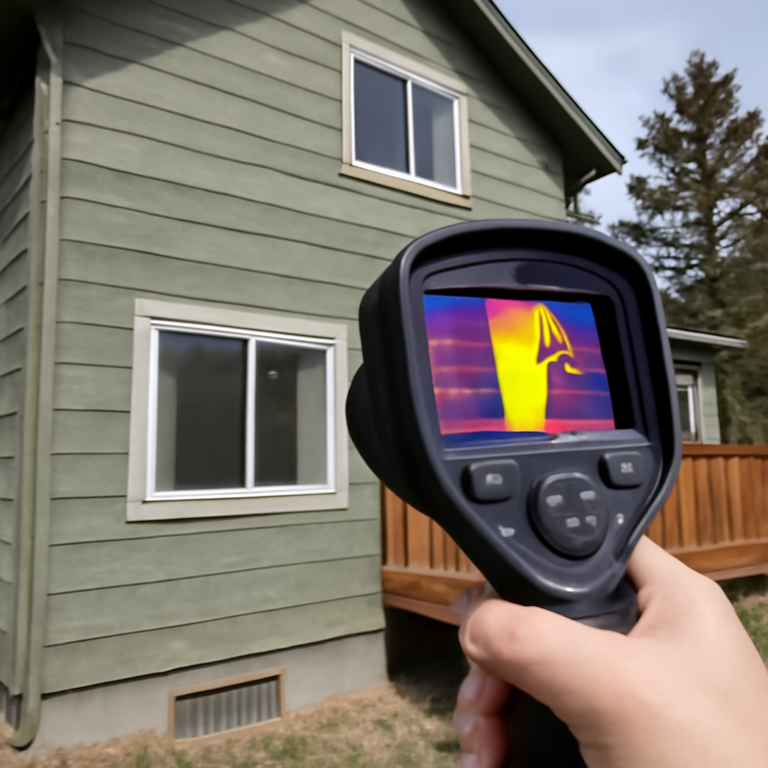
Consumer thermal cameras now come in three broad forms: plug-in modules for a phone, compact handheld imagers and inspector-grade cameras with higher resolution and adjustable settings. Resolution is the number that matters most. A small sensor can show that a wall section is cooler than its neighbor, but it blurs fine detail such as a single wire connection or the edge of a wet ceiling patch. Our tier table on thermal camera price shows what each step up buys, and you can browse current models in our thermal camera product category.
Phone owners should start with the best thermal camera for iPhone, then read can an iPhone do thermal imaging, which explains why no phone ships with a true thermal sensor and why “thermal” apps without hardware only simulate the effect. If you want a dedicated tool, the best handheld thermal camera guide compares standalone units, and the best thermal imaging camera for home inspection covers the higher-resolution models that working inspectors carry. Brand-specific readers can compare the Topdon thermal imaging camera lineup. For a one-time look at a single house, renting or hiring is often cheaper than buying.
What thermal imaging can find
A thermal camera finds temperature patterns, and many building problems create one. Missing or settled insulation shows as cold bands in winter. Air leaks around outlets, attic hatches and rim joists show as streaks. An overloaded breaker or loose connection can glow warmer than the parts around it, which is why electrical thermal imaging is a common add-on for older panels. Hot-water lines and radiant floor loops are also easy to trace.
Leaks are the use that most people search for, and also the most misunderstood. Wet drywall usually reads cooler because evaporation draws heat away, so a camera can point to a likely damp area. It cannot confirm it. Our guide to thermal imaging leak detection explains when the method works and when it fails, and infrared leak detection covers plumbing and roof scenarios. The direct answer on walls is in can thermal imaging see through walls: it cannot, it only reads the inside surface. That is why the camera and a meter belong together, a pairing described in the thermal imaging and moisture meter workflow. Products sold as an infrared moisture meter usually combine both sensors in one housing.
How thermal imaging works and how to read the images
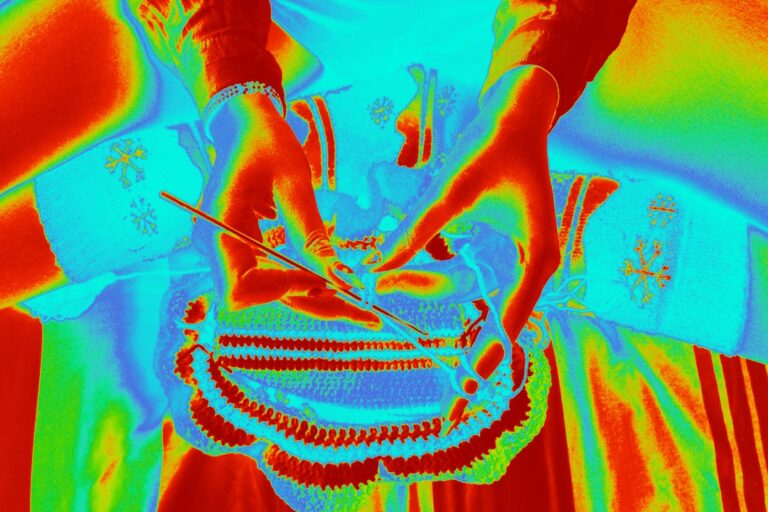
Every surface gives off infrared energy in proportion to its temperature. A thermal sensor, usually a microbolometer, converts that energy into a grid of temperature values, and software assigns a color to each one. Our explainer on how thermal imaging works covers the physics, and what a thermal image is explains what the picture does and does not represent.
Three ideas make the images easier to read. First, a scan needs a temperature difference, often called delta-T. Many practitioners look for roughly 18°F (10°C) or more between inside and outside before scanning walls for insulation gaps; without it, defects simply do not show. Second, shiny surfaces such as foil, glass and polished metal reflect heat from elsewhere and give false readings, a problem known as emissivity. Third, colors are relative. Red is not “hot” in any absolute sense; it is warmer than whatever else is in the frame, as what thermal camera colors mean shows. Before a full scan, read how to read infrared images in a home and what thermal imaging can detect. If you want the work done by someone with formal training, what a thermographer is explains the certification levels.
Scanning a house, thermometers and related tools
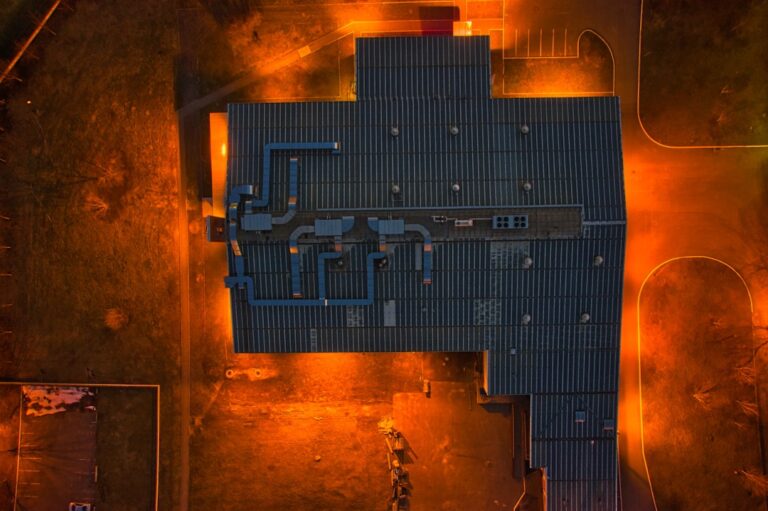
A whole-house scan usually works through the building in a set order: exterior walls and roofline from outside, then each room’s exterior walls, ceilings below the attic, windows, doors, the electrical panel and any visible plumbing. Our walkthrough of thermal imaging a house describes what each stop tends to reveal, and the infrared scan home inspection guide explains how findings appear in a written report.
A spot infrared thermometer is a cheaper cousin. It reads one small circle at a time, so it can confirm that a register is blowing warm air or that one outlet is hotter than the rest, but it cannot show a pattern across a wall. The infrared thermometer explainer covers that trade-off, and the best infrared thermometer for home inspection compares models with adjustable emissivity. For the technical side, thermal imaging wavelength explains why building cameras work in the long-wave infrared band, which is also why they cannot see through glass. Readers curious about the background can read when thermal imaging was invented.
Common thermal findings and how to confirm them
The table below lists findings that often appear in a residential scan, what they typically look like on screen during the heating season, and the follow-up that confirms or rules them out. A pattern on camera is a suspicion; the second test is what turns it into a finding. For moisture, that second test is nearly always a meter, which is covered in our sibling hub on moisture meters and water damage detection, with tools listed in our moisture meter product category.
| Finding | What it looks like on camera | Confirm with |
|---|---|---|
| Missing or settled wall insulation | Cold rectangles between studs, or a cold band at the top of a wall cavity, with a clear indoor-outdoor ΔT | Look into the cavity through an outlet box or with a borescope; check attic insulation depth |
| Air leakage | Feathered or streaky cold patterns at outlets, baseboards, top plates and attic hatches | Blower-door test, smoke pencil or a repeat scan under depressurization |
| Possible moisture or a hidden leak | Irregular cool blotch, often with a soft edge, on a ceiling or wall below plumbing or a roof line | Moisture meter readings compared with a known-dry area of the same material |
| Overheating electrical component | One breaker, wire or connection noticeably warmer than identical parts under similar load | Licensed electrician; load check and tightening or replacement |
| Radiant floor or hot-water line | Warm lines or loops following the pipe route | Plans, manifold labels or a plumber’s pressure test if a leak is suspected |
| Reflection or false reading | A “hot spot” that moves when you change angle, often on glass, foil or metal | Rescan from a different angle; use a contact thermometer or tape with known emissivity |
References
- Seal and Insulate with ENERGY STAR — ENERGY STAR (U.S. EPA)
- DIY Checks and Professional Inspections — ENERGY STAR (U.S. EPA)
- A Brief Guide to Mold, Moisture and Your Home — U.S. Environmental Protection Agency
- ASHI Standard of Practice for Home Inspections — American Society of Home Inspectors
Frequently asked questions
Can thermal imaging see through walls?
No. A thermal camera measures the surface temperature of whatever it is pointed at. It can show a pattern on the inside face of drywall that is caused by something behind it, such as missing insulation or a cold, wet area, but it does not see the framing, pipes or moisture directly.
Can a thermal camera detect moisture?
Not directly. Damp materials often read cooler because evaporation removes heat, so a camera can point to a suspect area. Moisture must be confirmed with a moisture meter, comparing the reading with a known-dry area of the same material.
When is the best time for a thermal imaging scan?
Scans work best when there is a strong temperature difference between inside and outside, often around 18°F (10°C) or more. On the Front Range that usually means a cold morning in the heating season, before sun has warmed the exterior walls.
Is a phone thermal camera good enough for a homeowner?
For finding drafts, cold spots and warm outlets, a plug-in phone camera is often enough. It has lower resolution than an inspector-grade camera, so small details and distant targets blur. Phone apps without an added thermal sensor cannot produce real thermal images.
Do home inspectors always include thermal imaging?
No. Standards of practice for home inspections do not require infrared scanning, so it is usually an optional add-on. Ask whether a scan is included, what it covers and whether the person doing it has thermography training.
Seeing a cold patch on a ceiling or a wall that never warms up? Contact us and we can put you in touch with a trained Front Range inspector who can run a thermal scan and confirm what it shows with a meter.
Local thermal imaging inspections




Cameras & phone attachments
Best Thermal Camera App: 2026 iOS + Android Guide

Topdon Thermal Imaging Camera: 2026 TC-Series Comparison
Best Thermal Camera for iPhone: A 2026 Buyer’s Guide
Best Handheld Thermal Camera: 2026 Buyer’s Guide

Can iPhone Do Thermal Imaging: What Homeowners Need to Know
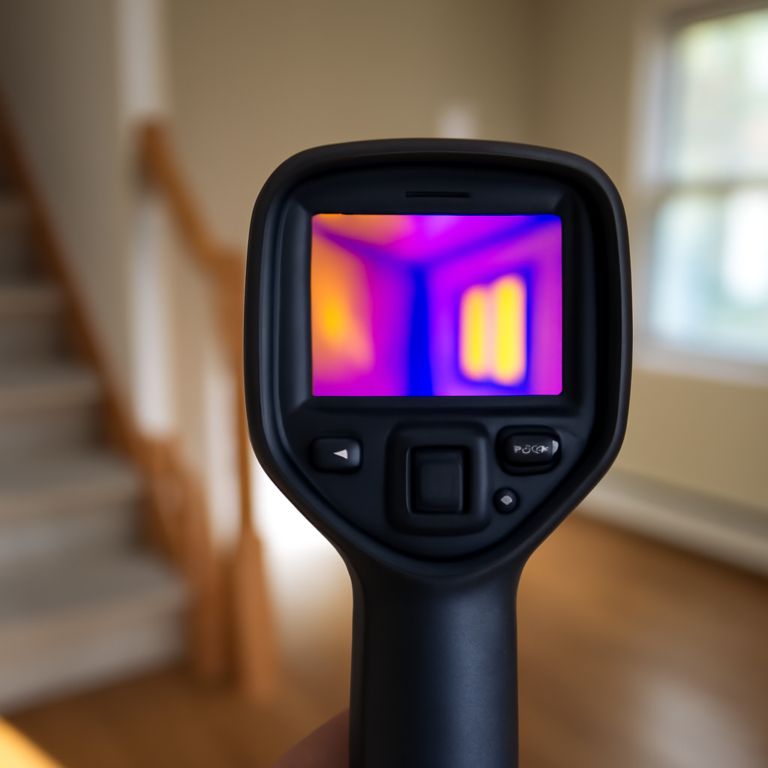
Best Thermal Imaging Camera for Home Inspection 2026
What thermal imaging finds
Can Thermal Imaging See Through Walls? The Honest Answer
Infrared Leak Detection: What Homeowners Need to Know
Infrared Water Leak Detector: What It Really Does
Thermal Imaging Leak Detection: How It Works

Thermal Imaging Moisture Meter: The Combo Workflow
Electrical Thermal Imaging: What Homeowners Know
How it works & interpreting images

Thermographie: What Homeowners Need to Know

How to Use Infrared Thermometer: A Plain-Language Guide
Infrared Thermography Inspection: A Clear Guide

Fluke Thermal Imagers: Product Line and Applications

What Can Thermal Imaging Detect: A Plain-Language Guide
How Does Thermal Imaging Work: Physics and Sensor Guide
More guides

Thermal Imaging a House: What It Reveals and How

When Was Thermal Imaging Invented? A History Timeline
Infrared Scan Home Inspection: What to Know

Thermal Imaging Wavelength: LWIR, MWIR, SWIR, NIR
Human Thermal Imaging: What It Sees and Its Limits
Military Thermal Imaging: What Homeowners Need to Know
Browse all 556 thermal imaging for homes guides » Back to the Home Inspection Tools hub