Infrared Thermography Inspection: A Clear Guide
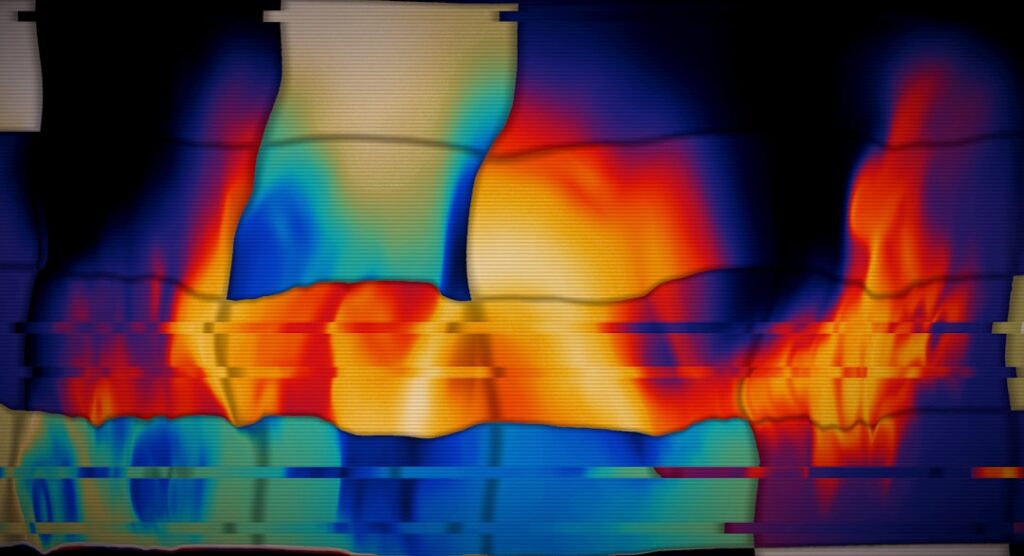
An infrared thermography inspection uses a thermal camera to map the surface temperatures of a building and reveal where conditions differ from normal. Done well, it surfaces hidden energy loss, electrical faults waiting to fail, and the temperature signatures that point to moisture problems, all without opening a single wall. This guide explains what a thermography inspection actually covers, how the process unfolds, and how to read the results so the colorful images lead to real conclusions rather than false alarms.
Part of our Thermal Imaging for Homes guide — start there for the full picture →
What Is an Infrared Thermography Inspection?
Thermography is the practice of using infrared imaging to inspect a structure. An infrared thermography inspection is a systematic survey in which a trained operator scans the building’s surfaces with a thermal camera, identifies anomalies, and interprets them in context. The camera detects the infrared energy every surface emits and converts it to a temperature map, so the inspector sees warm and cool areas the eye cannot.
The defining feature is that it is non-invasive and non-destructive. Rather than cutting into walls on suspicion, the inspector reads surface temperatures to decide where, if anywhere, a closer look is warranted. This makes thermography a powerful triage tool: it surveys broadly and fast, then directs targeted investigation. Our companion guide on infrared imaging technology covers the physics behind the camera, while this guide focuses on the inspection process built around it.
What a Thermography Inspection Can Reveal
The findings cluster around three main categories, each driven by a source of temperature difference.
Energy Loss and Insulation Gaps
The most common use. Missing, settled, or wet insulation changes how heat moves through a wall, showing as cool or warm patches against properly insulated areas. Air leaks around windows, doors, and penetrations appear as streaks where conditioned air escapes. The U.S. Department of Energy describes thermal scanning as a standard part of a thorough energy assessment for exactly this reason.
Electrical Hot Spots
Electrical connections that are loose, corroded, or overloaded run hotter than healthy ones. A thermal scan of a panel or circuit can flag these before they fail, identifying a fire risk that is invisible to the eye. Any flagged connection should be examined by a qualified electrician.
Moisture Indicators
Water changes the thermal behavior of materials, often producing a cool evaporative signature. Thermography can flag suspected damp areas across a ceiling, wall, or roof, though it detects the temperature effect of moisture, not the water itself, which must then be confirmed.
How the Inspection Process Works
A credible thermography inspection follows a disciplined sequence, because the conditions and method determine whether the results mean anything.
First the inspector establishes conditions. Building thermography needs a meaningful temperature difference between inside and outside, often cited as at least 18 to 20 degrees Fahrenheit, so the survey is timed for heating or cooling season rather than mild weather. The inspector lets HVAC settle and notes indoor and outdoor temperatures. Then comes the scan: a methodical sweep of surfaces, watching for anomalies and switching color palettes to confirm that a flagged area holds up across more than one view.
When an anomaly appears, the inspector forms a hypothesis about its cause and confirms it with a second tool, a moisture meter for suspected dampness, a visual or electrician’s check for a hot connection. Finally, the findings are documented with thermal and visual images, captioned and explained, so the report shows not just colorful pictures but what each one means. Our guide on reading infrared images details that interpretation step.
What Thermography Cannot Do
Honest expectations matter, because thermography is often oversold. The camera reads surface temperature only. It does not see through walls; it infers what lies behind from thermal patterns. It does not detect mold, which has no thermal signature, and it does not measure moisture content, only the temperature effects moisture can cause. A cool patch is a candidate for dampness, confirmed only by a moisture meter.
The technology also depends entirely on conditions. With little temperature difference, anomalies vanish and the survey reveals nothing. Reflections off shiny surfaces, solar heating of exterior walls, and recent HVAC cycling all create false signals that an inexperienced operator can misread. None of this diminishes thermography’s value; it defines the boundary where the inspector’s judgment and a second tool must take over. The home inspection tools hub shows how thermography pairs with moisture meters and borescopes to cover those gaps.
Who Should Perform a Thermography Inspection?
The image is only as good as the person reading it, which is why operator competence matters more than camera price. Interpreting a thermogram requires understanding emissivity, reflection, solar loading, and the conditions that produce reliable readings. The same scene can lead a skilled thermographer to a correct conclusion and an untrained one to a false alarm.
For a homeowner, that argues for hiring an inspector with genuine thermography training and experience rather than someone who simply owns a thermal camera. Ask how they confirm findings, what conditions they require, and whether they document with both thermal and visual images. A consumer-grade smartphone thermal camera can reveal obvious problems for a curious homeowner, but a formal inspection, especially one feeding a real-estate or insurance decision, deserves a trained operator. The interpretation, not the hardware, is where the value lives.
When a Thermography Inspection Is Worth Adding
Thermography is often offered as an add-on to a standard home inspection, and knowing when it earns its place helps a buyer spend wisely. It adds the most value in situations where hidden conditions are plausible and costly to miss. An older home, a property with a history of leaks or water damage, or one in a climate with significant heating or cooling loads all stand to benefit from the extra layer of detection.
Energy-conscious buyers gain from the insulation and air-leak findings, which translate directly into comfort and utility-bill implications. Anyone concerned about moisture, whether from a suspicious stain, a musty smell, or a basement that feels damp, benefits from thermography’s ability to flag wet areas for confirmation. Homes with older electrical systems gain from the panel scan that can reveal overheating connections.
For a newer, well-documented home in mild conditions with no red flags, the marginal benefit may be smaller, though it can still surface surprises. The decision comes down to risk and value: where the cost of an undetected problem is high and the conditions allow a meaningful scan, the modest added expense of thermography is usually justified. Pairing it with the standard inspection covered in our guide to hiring a home inspector gives a fuller picture than the visual inspection alone.
What a Thermography Report Should Contain
The deliverable of a thermography inspection is its report, and a quality report looks distinctly different from a folder of colorful pictures. Each thermal image should be paired with a matching visible-light photo of the same location, so the reader can see what surface the anomaly sits on. Without that pairing, a striking thermal image floats without context and means little.
Every flagged anomaly should come with an interpretation: what the inspector believes it indicates, what conditions were present, and crucially, how it was confirmed or what further investigation it warrants. A note that a cool ceiling patch measured wet on a moisture meter elevates the finding from suggestive to substantiated, while an unconfirmed anomaly should be labeled as needing follow-up rather than presented as fact.
The report should also record the conditions under which it was captured, indoor and outdoor temperatures, time of day, and any factors like recent weather, because those conditions govern how the images should be read. A good report distinguishes normal patterns, such as framing printing through a wall, from genuine concerns, so the reader is not alarmed by harmless findings. This documentation discipline is what makes a thermography inspection actionable rather than merely impressive, and it reflects the same standards our guide on reading infrared images sets for interpretation.
Standards and Best Practices for Thermography
Thermography done well follows recognized practices, and knowing they exist helps a homeowner judge a provider. Building inspection standards address how thermal imaging fits into an inspection and what conditions make it valid, and trade associations provide guidance on its proper use. A credible thermographer works within these expectations rather than improvising, because the conditions and method determine whether the results mean anything.
Best practices start with conditions. A meaningful temperature difference between inside and outside, settled HVAC, and surfaces out of direct sun are prerequisites for reliable building thermography, and a competent inspector confirms these before scanning rather than capturing images under any conditions and hoping for the best. Documenting those conditions in the report lets the findings be properly judged.
Method matters too. Switching palettes to confirm anomalies, capturing matching visible-light images, confirming suspected moisture with a meter, and distinguishing normal patterns from genuine defects are all marks of disciplined practice. A provider who simply waves a camera and presents colorful pictures as conclusions is not following these standards. For a homeowner, asking how a thermographer handles conditions, confirmation, and documentation is a quick way to gauge whether they work to a real standard or treat the camera as a gimmick, a distinction that determines the value of the whole inspection, much as our infrared imaging technology guide stresses.
Making the Results Useful
A thermography inspection delivers value when its findings translate into action. A flagged insulation gap points to where adding insulation will cut energy bills. A hot electrical connection points to a repair that prevents a fire. A cool, confirmed-wet ceiling patch points to a leak to trace and fix before it spreads to mold or structural damage.
The discipline is to treat every thermal finding as a lead to verify, not a verdict to act on blindly. Confirm moisture with a meter, electrical heat with an electrician, insulation gaps with a visual check. Read each finding against the conditions under which it was captured. Used this way, an infrared thermography inspection turns a house full of hidden conditions into a short, prioritized list of areas that genuinely warrant attention, which is the most an inspection tool can offer and exactly what makes thermography worth doing. For roofs and large exteriors specifically, the same approach applies from the air, as our guide on thermal-camera drones describes.
The throughline of every part of this process is that thermography reveals questions, not answers. A skilled inspector under the right conditions uses it to find the few areas in a home that differ from normal, then confirms each with the appropriate follow-up before drawing a conclusion. Approached with that discipline, an infrared thermography inspection adds a genuine layer of insight that a purely visual inspection cannot. Approached carelessly, with no attention to conditions or confirmation, it produces striking images that mislead more than they help. The difference lies entirely in how the inspection is conducted and how its findings are read, which is why choosing a trained, methodical thermographer matters more than the camera they carry. For a homeowner commissioning a thermography inspection, the practical advice is to ask about conditions, confirmation, and documentation before the work begins, and to treat the resulting report as a prioritized map for further action rather than a finished diagnosis. Handled that way, an infrared thermography inspection becomes a valuable addition to a home evaluation, surfacing the hidden conditions that a visual inspection alone would leave undiscovered. The technology rewards a buyer who understands both its power and its limits, using it to focus attention on the areas that matter most while relying on confirmation and judgment to turn each thermal clue into a sound conclusion, which is the balanced approach that gets the most from a thermography inspection without overstating what it can deliver.
References
- ENERGY STAR: Seal and Insulate — U.S. Environmental Protection Agency (ENERGY STAR)
- Infrared Thermal Imaging in Inspections — International Association of Certified Home Inspectors
- Mold, Moisture and Your Home — U.S. Environmental Protection Agency
Frequently asked questions
What does an infrared thermography inspection cover?
It surveys a building's surface temperatures to reveal energy loss and insulation gaps, electrical hot spots that signal failing connections, and temperature signatures that point to moisture. It is non-invasive, scanning broadly and directing closer investigation where anomalies appear.
Can a thermography inspection detect mold or moisture directly?
No. It detects temperature differences, not the water itself, and mold has no thermal signature. A cool area may indicate evaporating moisture, but it must be confirmed with a moisture meter before any conclusion is drawn.
What conditions are needed for an accurate thermography inspection?
A temperature difference of roughly 18 to 20 degrees Fahrenheit between inside and outside, settled HVAC, and surfaces out of direct sun produce reliable results. In mild conditions, surfaces sit near the same temperature and anomalies blend into the background.
Does the inspector matter more than the camera?
Yes. Interpreting a thermogram requires understanding emissivity, reflection, and solar effects, so a trained thermographer reaches correct conclusions where an untrained operator raises false alarms. The interpretation, not the hardware, determines the inspection's value.