Pre-Purchase Inspection Clear Creek County, CO
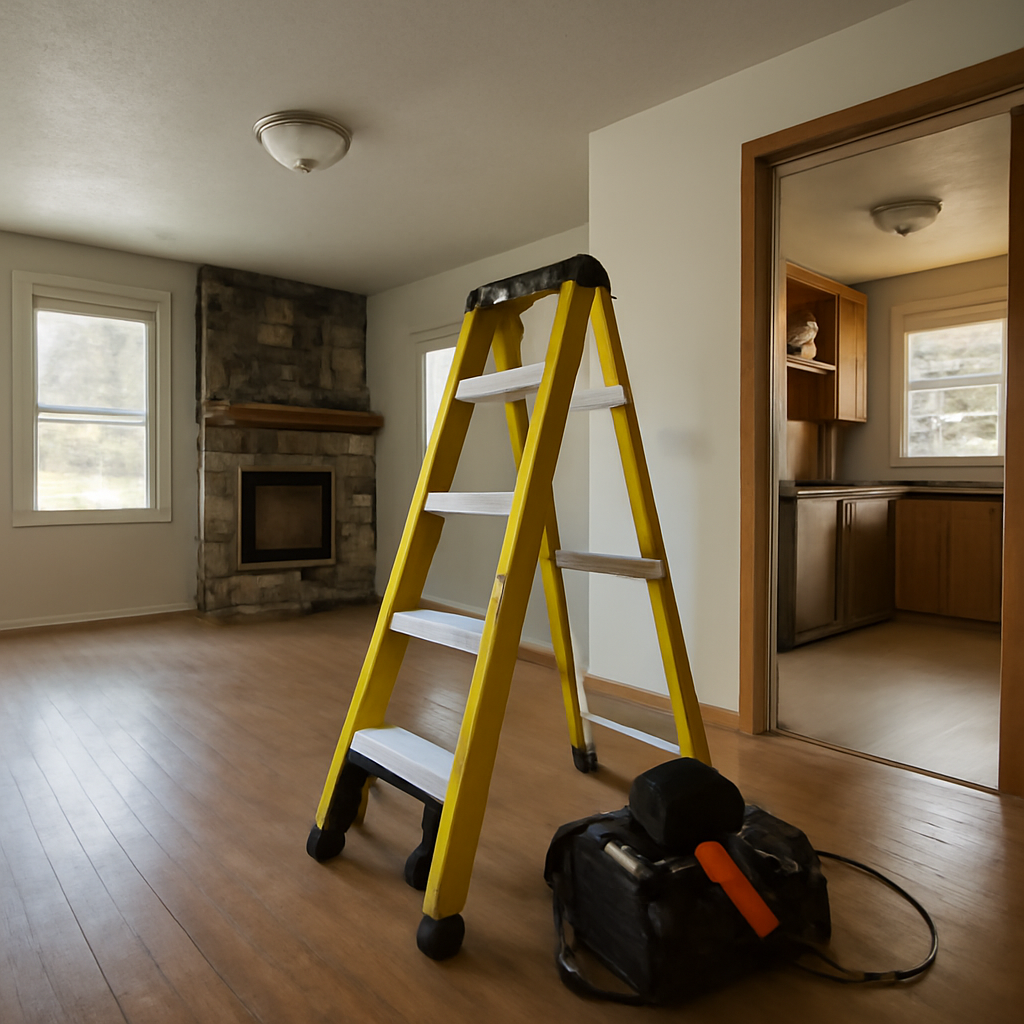
A pre-purchase inspection clear creek county buyers order is the due-diligence step that turns a mountain offer into an informed decision, usually inside a tight contingency window. Clear Creek County is a narrow I-70 corridor west of Denver, climbing from about 7,500 to over 10,000 feet, built around historic silver and gold mining towns. This page is a county-level hub explaining what a pre-purchase inspection examines across Georgetown, Idaho Springs, Silver Plume, Empire, Dumont, Downieville, and Lawson, why mountain conditions deserve attention, what it costs, and how to choose the right inspector before you commit.
Part of our Home Inspections Explained guide — start there for the full picture →
Pre-purchase inspection in Clear Creek County: what to know
A pre-purchase inspection is a home inspection ordered specifically during the buying process, timed to the contract’s inspection contingency. Its job is to surface the property’s true condition while a buyer still has the contractual right to negotiate repairs, request credits, or terminate. The deliverable is the same thorough, photo-documented report, but the stakes and timeline are sharper because a deadline is running.
In Clear Creek County, that report carries extra weight because mountain properties vary so much and hide so much. A Georgetown Victorian, a newer steep-lot home above Idaho Springs, and a remote cabin on a well and septic system present completely different risk profiles, and the pre-purchase inspection is what tells a buyer which one they are actually buying. For the full picture of how to time and use an inspection in a transaction, our guide to hiring a home inspector lays out the process.
The value is leverage. A snow-damaged roof, an aging septic system, a foundation issue on a bedrock-cut lot, or an outdated electrical panel found before closing becomes a negotiating point or a reason to walk; the same issue found after closing becomes the new owner’s bill. In the mountains, where many properties carry rural infrastructure and a century of additions, that pre-closing leverage is especially valuable.
Why Clear Creek County buyers need a pre-purchase inspection
Roofs and snow are the first reason. Heavy mountain snow loads stress roofs and create ice dams that drive meltwater into walls and ceilings, so a pre-purchase inspection looks hard at roof structure, condition, flashing, and the moisture intrusion that often follows. On a historic Georgetown home or a shaded canyon house in Idaho Springs, a roof finding can be the most consequential item in the report.
Rural infrastructure is the second. Many county properties sit on private wells and septic systems, and a buyer used to municipal utilities may not know to ask about pump condition, water quality, or drain-field age. A pre-purchase inspection assesses the visible condition of these systems and flags where a specialized well-water or septic evaluation should happen before the contingency closes, so a five-figure surprise does not land after move-in.
Housing age is the third. The Georgetown, Silver Plume, and old Idaho Springs stock dates to the 1800s, with original wiring, galvanized plumbing, and stone or rubble foundations sometimes still in service, and additions layered across generations. Cabins carry mid-century quirks. A careful inspection reveals the hidden splices and mismatches before a buyer is committed to a beautiful but complicated old home.
Geology and wildfire round it out. The county sits in EPA Radon Zone 1 atop fractured mining rock, so radon testing belongs in the due diligence, and defensible space against wildfire is a real mountain consideration an inspector can note. Catching these before closing keeps a known cost or risk from becoming a hidden one.
What a Clear Creek County pre-purchase inspection covers
The inspection follows a full standard scope, weighted toward the property’s mountain risks. The inspector evaluates the roof, structure, foundation, electrical, plumbing, heating, cooling, defensible space, and the moisture conditions tying them together, then documents each in a report organized so a buyer can act quickly within the contingency.
The systems that drive negotiations
Roofs, foundations, electrical panels, and heating systems are the big-ticket items that most often shape a mountain deal. On a historic home, the inspector pays close attention to snow-stressed roofs, ice-dam moisture, old wiring, and foundation movement on steep or bedrock lots, because these are the findings that justify a repair request or credit.
Rural systems and access
On a remote property, the visible condition of the well equipment, pressure tank, and septic components is assessed, along with outbuildings and driveway access that can complicate winter living. The inspector recommends specialized well-water, septic, and radon testing where warranted, so the buyer enters closing with the mountain infrastructure understood rather than assumed.
Pre-purchase inspection cost in Clear Creek County
A standard pre-purchase home inspection in the Clear Creek County market typically runs about $400 to $600, with mountain travel, steep-lot access, and complex historic structures pushing toward the higher end. Larger historic homes with additions, or remote cabins with difficult access, sit above that range because there is more to evaluate and harder to reach.
Buyers commonly bundle add-ons to use one trip charge: radon testing, sewer-scope, well-water analysis, and septic evaluation each carry their own fee but are far cheaper combined than discovered after closing. Against the price of an undisclosed roof, foundation, or septic problem on a remote mountain home, the inspection is a small, well-timed investment in negotiating leverage.
Colorado regulations and disclosure
Colorado does not license home inspectors, so a buyer should confirm credentials and method directly. Inspectors certified through ASHI or InterNACHI follow a published standard of practice that defines the inspection’s scope and keeps the report consistent, which matters when the findings drive a contract decision on an unusual property.
Colorado’s Seller’s Property Disclosure requires sellers to report known defects, including roof and water damage, well and septic issues, and environmental hazards like radon. A pre-purchase inspection lets a buyer verify those disclosures and uncover what an owner may not know, which is especially important on a historic mountain home where decades of additions and hard winters can hide problems no current owner has tracked.
Communities and areas served across Clear Creek County
Buyer priorities shift by community. In Georgetown, the county seat, and in Silver Plume, historic homes mean roofs, old wiring, and layered additions dominate the inspection. Idaho Springs, the largest town, mixes historic and newer steep-lot housing, so the scope follows the specific home. Empire, Dumont, Downieville, and Lawson are cabin and older-home country, where wells, septic, snow loads, and access carry the negotiation.
For related due diligence on the same homes, our pages on home inspection in Clear Creek County and thermal imaging inspection in Clear Creek County cover the general and diagnostic angles. Coverage commonly extends down I-70 toward neighboring Jefferson County and mountain communities like Conifer, which share Clear Creek’s snow-load, cabin, and rural-utility patterns.
Confused by your home inspection report? Decode it free in plain English
Upload your inspector's PDF and get a plain-English summary, what actually matters, rough repair costs, and negotiation talking points. Educational only — not a professional re-inspection. Your file is analyzed and discarded, never stored.
Educational summary only. AI can be wrong and cost figures are rough estimates. This is not a professional re-inspection, appraisal, or legal/financial advice — confirm major items with your inspector or a licensed contractor.
Timing the inspection within the contingency
The most important thing a Clear Creek County buyer can do is schedule the pre-purchase inspection early in the inspection contingency, not at the deadline. A mountain property often needs more than the house inspected, the well, the septic, a radon test, sometimes a sewer-scope, and those specialized evaluations take time to schedule and return in a remote area where service trips are longer. Booking the base inspection in the first day or two leaves room to add the specialists the inspector recommends without blowing past the deadline.
Attending the inspection pays off here more than almost anywhere. Walking the property with the inspector, a buyer learns how the roof sheds snow, how the well house is plumbed, where past ice-dam water left its marks, and what defensible space the lot has. For an out-of-area buyer unfamiliar with mountain systems and the demands of winter living, that on-site education is often the difference between a confident purchase and a costly assumption about a romantic but unforgiving property.
What mountain weather and geology add to due diligence
A Clear Creek County purchase carries condition risks tied to altitude and geology that belong in the contingency. Heavy snow loads and freeze-thaw cycles stress roofs and create ice dams that drive meltwater into walls and ceilings, so a pre-purchase inspection that documents roof structure, snow-shedding ability, and prior ice-dam intrusion gives a buyer both a negotiating point and a realistic sense of a costly future expense. On a historic home with complex rooflines, the roof finding is frequently the most consequential item in the report, because a failing mountain roof is both a structural and a water-intrusion problem.
The county’s radon picture is a second piece of due diligence a buyer should not skip. Clear Creek County sits in EPA Radon Zone 1 atop fractured mining rock laced with old tunnels, so elevated readings are common and testing belongs in the contingency rather than after closing. A high reading found before closing becomes a basis to request a mitigation system or credit; the same reading discovered later becomes the new owner’s cost and concern. Pairing a radon test with the inspection is a small, well-timed step in a county where the geology makes the risk real.
Rural infrastructure and wildfire complete the list. Many properties run on private wells and septic systems whose condition a buyer used to city utilities may not know to question, and the inspection assesses their visible state while flagging where specialized testing should follow. Defensible space against wildfire is a real mountain consideration an inspector can note. Reading the home as a mountain property, with its roof, geology, rural systems, and fire exposure all in view, is what turns an unfamiliar and romantic listing into a known quantity before the deadline.
Heating and winter livability deserve their own place in the due diligence. Many county homes run on woodstoves, propane, or a mix of sources to survive winters that can stretch into spring, and a buyer should understand how reliably the home stays warm and what those systems will cost to maintain. The inspection evaluates woodstove clearances and chimney condition, propane lines and appliance venting, and whether the primary heat is adequate for the home’s altitude and exposure. Driveway access and grade matter too, since a road that is hard to clear in deep snow shapes daily life on a remote parcel. For an out-of-area buyer, these mountain-living realities can be as consequential as any single defect, and the pre-purchase inspection is the moment to surface them.
How to choose a Clear Creek County pre-purchase inspection provider
Ask whether the inspector is ASHI or InterNACHI certified, carries errors-and-omissions coverage, and delivers a written, photo-documented report fast enough to act on within your contingency. For a mountain purchase, confirm the inspector is experienced with snow loads, steep lots, wells, septic, and historic construction, and ask which specialized tests, radon especially, they recommend bundling so nothing surfaces after closing.
A strong inspector welcomes your attendance, prioritizes findings into safety issues, repairs, and routine maintenance, and explains which items genuinely warrant a negotiation. That clear, honest triage is what lets a Clear Creek County buyer use the inspection as leverage rather than a source of anxiety as the deadline approaches on a complex mountain home.
References
- Residential standards of practice — International Association of Certified Home Inspectors
- Finding a qualified inspector — American Society of Home Inspectors
- Radon risk and testing in real estate — U.S. Environmental Protection Agency
Frequently asked questions
When should I schedule a pre-purchase inspection in Clear Creek County?
Early in your inspection contingency, not at the deadline. Mountain properties often need the well, septic, radon, or a sewer-scope evaluated too, and those tests take time to schedule and return in a remote area, so booking the base inspection first leaves room to add them.
Does the inspection cover the well, septic, and snow-load roof?
It assesses the visible condition of well and septic components and evaluates roof structure and snow-load performance, then flags where specialized well-water, septic, or further roof evaluation is needed. On a remote property, those follow-ups are strongly recommended before closing.
How much does a pre-purchase inspection cost in Clear Creek County?
A standard inspection typically runs $400 to $600, with mountain travel and complex historic homes pushing higher. Add-ons like radon, sewer-scope, well-water, and septic evaluation carry separate fees but are far cheaper than issues found after closing.
Can inspection findings help me negotiate?
Yes. A documented defect found during the contingency, like a snow-damaged roof, aging septic, or high radon reading, becomes a basis to request repairs, a credit, or to terminate, while the same issue found after closing becomes the buyer's expense.
A Clear Creek County purchase, whether a Georgetown home or a remote cabin on a well, deserves a clear inspection while you still have leverage to act on it. To connect with a vetted local inspector before your contingency closes, get in touch through our contact page.