Radon Levels: Test Kits, Results Charts & Health Risk
This hub gathers our guidance on measuring radon and making sense of the number you get back. It covers how to test, which kits and monitors are worth buying, what radon levels mean in picocuries per liter (pCi/L), how radon affects long-term health, and how testing fits into a home sale. Radon is a colorless, odorless radioactive gas that seeps up from soil and rock, and the only way to know how much is in a house is to test it. Colorado matters here: the EPA places most of the state in Zone 1, its highest radon-potential category. For the bigger picture, start with our radon testing pillar for Colorado homeowners. The material summarizes EPA guidance current as of 2026. It is general information, not medical advice.
Radon testing near you in Colorado
Two houses on the same street can test very differently, so county averages are a starting point rather than an answer. The EPA’s radon zone map puts most Colorado counties in Zone 1, meaning the predicted average indoor screening level is above 4 pCi/L. The Colorado Department of Public Health and Environment (CDPHE) runs a state radon program that promotes testing, points residents to certified professionals and has periodically offered free or discounted kits. Our guide to the free radon test kit options in Colorado explains how those offers usually work, and radon levels by zip code in Colorado covers what local data can and cannot tell you.
County pages add local detail on foundations, soils and typical test scheduling. West of Denver, see radon testing in Jefferson County, where foothill homes often sit on granite and fractured rock. Along the northern Front Range, read Boulder County and Larimer County. South of the metro, radon testing in El Paso County covers Colorado Springs and its suburbs. More city and county pages appear in the cards below.
What radon levels mean
Radon in indoor air is measured in pCi/L. The EPA recommends fixing a home when the confirmed level is 4 pCi/L or higher, and suggests that homeowners consider fixing levels between 2 and 4 pCi/L. The EPA estimates the average indoor level nationally at about 1.3 pCi/L and the average outdoor level at about 0.4 pCi/L. Because radon causes harm through cumulative exposure, no level is considered risk-free; the 4 pCi/L figure is an action point, not a safety line.
If you want a plain explanation of those thresholds, start with what radon levels should be in a home, then see the band-by-band radon levels chart explained in pCi/L. Basements usually read higher than upper floors because they sit closest to the soil, which is the focus of acceptable radon levels in a basement. Specific readings raise specific questions: our pages on a 2.5 pCi/L radon level and on whether a radon level of 10 is dangerous walk through each. For context on the outdoor baseline, read outdoor radon levels versus indoor.
Radon test kits and monitors
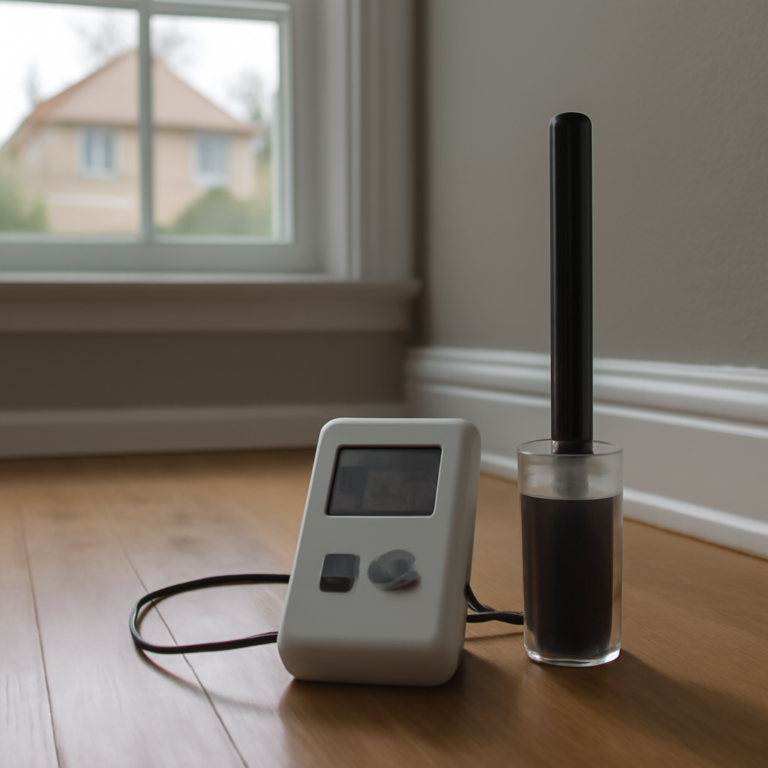
There are two broad ways to measure radon at home. Passive test kits, such as charcoal canisters and alpha-track detectors, sit in place for a set period and then go to a lab. Short-term kits run about 2 to 90 days, most often 2 to 7, while long-term kits run more than 90 days and better reflect a year-round average. Continuous electronic monitors give a running reading on a screen or app and are useful for tracking change over time. Our refreshed flagship radon test kit guide explains how to choose and place a kit, and you can compare current options in our radon test kit shop category.
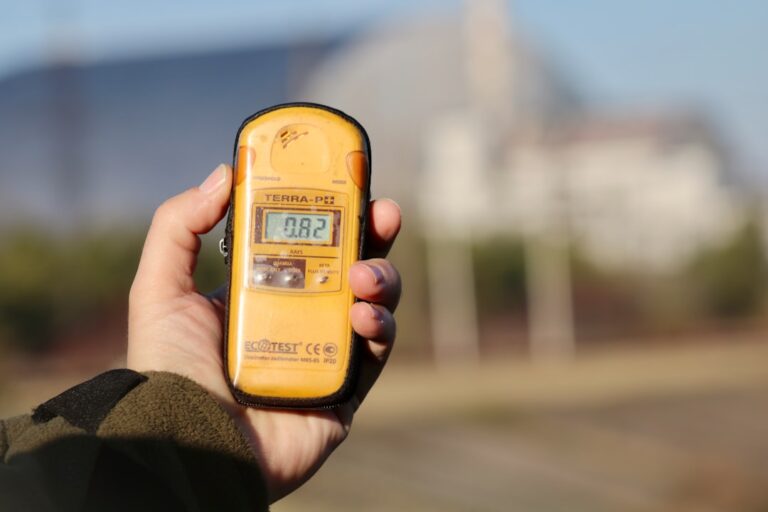
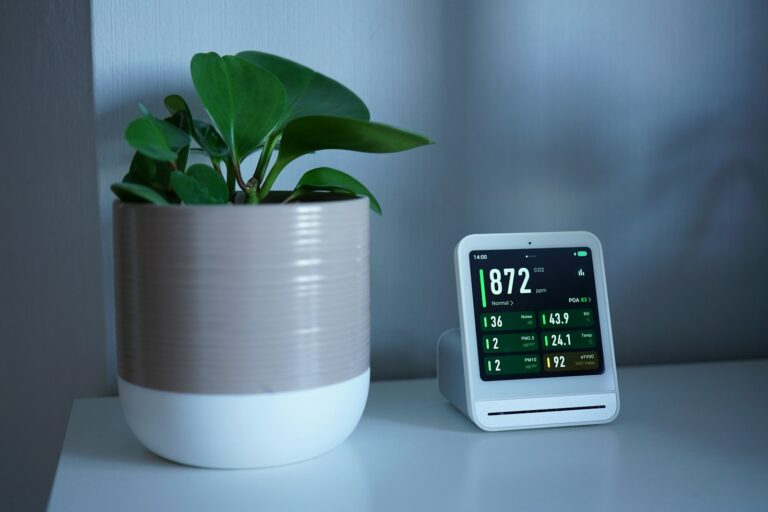
For monitors, see the best radon detector buyer’s comparison and browse the radon detector product category. Consumer monitors are helpful, but readings bounce from hour to hour and day to day, so read how accurate home radon detectors are and how to read a radon meter before acting on a single number. If you just want a lab-analyzed kit, our roundup of the best radon test kits compares the common choices. Whichever you pick, test in the lowest lived-in level under closed-house conditions.
Radon health risks
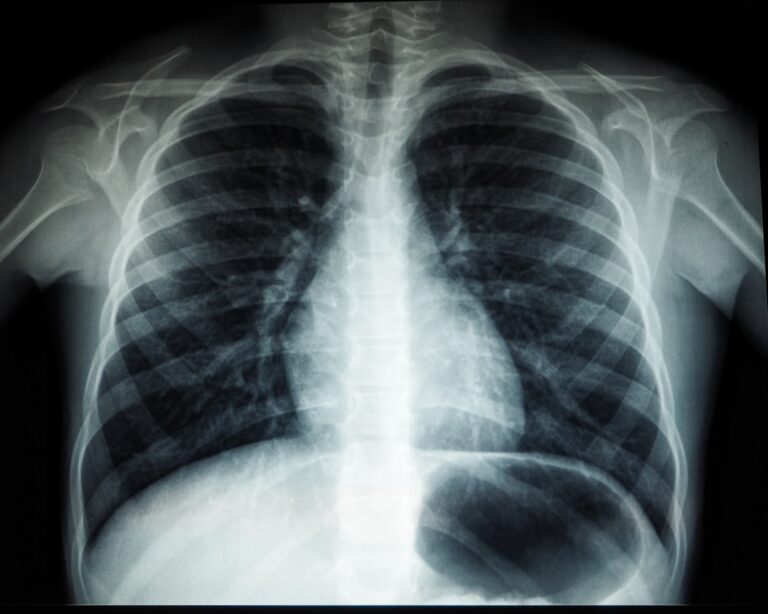
The EPA identifies radon as the leading cause of lung cancer among people who have never smoked and the second leading cause overall, estimating roughly 21,000 U.S. lung cancer deaths a year are radon-related. The risk is much higher for people who smoke or used to smoke. Radon decays into radioactive particles that lodge in lung tissue, and damage builds over years of exposure. Our guide to radon and lung cancer summarizes the evidence, and how dangerous radon is puts the numbers in plain terms.
A common misunderstanding is that radon produces warning signs. It does not cause headaches, nausea or other short-term symptoms, which is why testing is the only way to know. Our page on radon symptoms explains what the EPA and the Surgeon General actually say, and what counts as long-term radon exposure covers why years and concentration both matter. If you have health concerns, including a persistent cough or a history of smoking in a high-radon home, talk to a doctor; these guides explain the home side of the question only.
Radon testing during a home sale
Many Front Range buyers add a radon test to their home inspection, and the timeline is tight. Real estate tests are usually short-term, often 48 hours with a continuous monitor, run under closed-house conditions so the result can be negotiated before the inspection objection deadline. Our guide to a radon test during a home inspection explains placement, tamper concerns and timing. For Colorado specifics, read how radon testing works in a Colorado home inspection.
Testing is not legally required in most sales, but it is common and reasonable. Our page on whether a radon test is required when buying a home covers disclosure and contract questions, and radon inspection cost on the Front Range outlines typical pricing as an add-on or stand-alone test. If a seller already has a mitigation system, ask for its paperwork and the most recent post-mitigation result, and consider a fresh test anyway. Sellers can also run their own test before listing, which removes a surprise from the negotiation and gives time to install a system if needed. If a buyer’s test comes back at or above 4 pCi/L, common outcomes include a price credit, a seller-installed system with a post-mitigation test, or an escrow holdback.
Radon in water, soil and basements
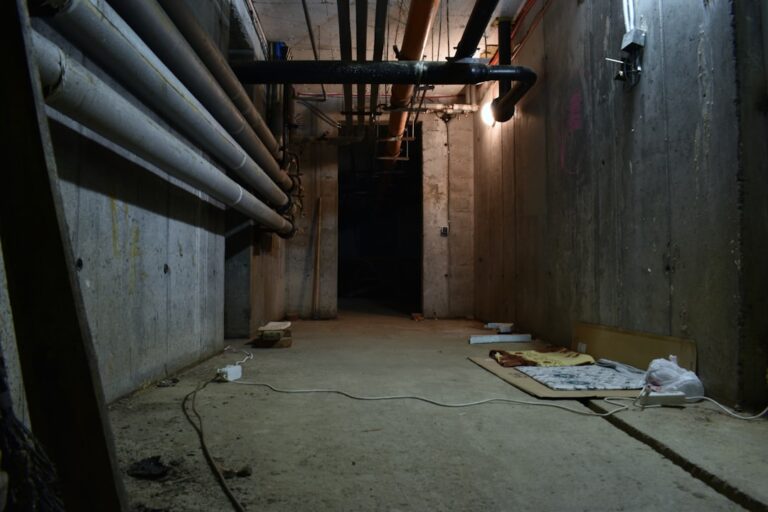
Most radon enters as soil gas through slab cracks, floor-wall joints, sump pits and crawl spaces, which is why the lowest level of a house usually reads highest. Our guide to radon in the basement explains why, and how to test for radon in a basement covers placement away from walls, drafts, sump pits and humidity. A basement you rarely use still matters if it connects to the rest of the house through ductwork and stairs.
Homes on private wells have a second pathway. Radon dissolves in groundwater and is released when water is used for showers, laundry and dishes, adding to indoor air levels. Public water systems are less of a concern; private wells in granite-rich areas, including parts of the Colorado foothills, deserve a separate water test. See radon in well water for how it gets in and how it is treated, and testing for radon in well water for sampling steps. Air radon from soil remains the larger share of exposure in most homes.
More radon testing guides
A single test is a snapshot. Radon swings with weather, season, heating and ventilation, so the EPA suggests retesting periodically, after renovations, and after any change to the lowest lived-in level. Our guide on how often you should test for radon sets out a sensible schedule, and radon sampling methods compares passive, continuous and grab sampling.
Some questions come up again and again. To understand the entry routes, read how radon gets into homes. Upper floors are not automatically safe, which is the subject of whether radon travels upstairs. Renters face their own constraints, and radon in an apartment explains how to test and what to ask a landlord. Seasonal timing matters too: winter tests in Colorado often read higher because closed windows and the stack effect of a heated house pull more soil gas indoors. A result from a single season is useful, but a long-term test spanning cold and warm months gives the best picture of what a household actually breathes over a year. Keep a simple record of each test date, location and result so later readings can be compared fairly.
Radon levels and what to do next
Use the table below as a quick reference once you have a result. It reflects EPA recommendations for indoor air. Whenever a confirmed level is high, our sibling hub on radon mitigation systems and costs covers how to fix it.
| Result in pCi/L | What EPA suggests | Next step |
|---|---|---|
| About 0.4 | Typical average outdoor air level; a reference point, not a target | Indoor results rarely fall this low; no action implied |
| Below 2 | Below the range where EPA suggests considering a fix; still not risk-free (U.S. indoor average is about 1.3) | Retest every few years and after renovations or foundation changes |
| 2 to 3.9 | Consider fixing the home | Run a long-term test to confirm the annual average; weigh low-cost mitigation |
| 4 to 7.9 | Fix the home if confirmed (EPA action level is 4) | Confirm with a long-term or second short-term test, then contact a certified mitigator |
| 8 or higher | Fix the home; confirmation should be quick | Run a second short-term test promptly and plan mitigation without delay |
References
- A Citizen’s Guide to Radon (PDF) — U.S. Environmental Protection Agency
- Health Risk of Radon — U.S. Environmental Protection Agency
- EPA Map of Radon Zones — U.S. Environmental Protection Agency
- Radon — American Lung Association
Frequently asked questions
What is a safe radon level in a home?
No radon level is considered completely risk-free. The EPA recommends fixing a home at a confirmed 4 pCi/L or higher and suggests considering a fix between 2 and 4 pCi/L. The average indoor level in the U.S. is about 1.3 pCi/L.
How long should a radon test run?
Short-term tests run from 2 to 90 days, most often 2 to 7 days, and give a quick snapshot. Long-term tests run more than 90 days and better reflect the year-round average. Real estate tests are usually 48-hour short-term tests.
Should I retest if my first radon result is high?
Yes. The EPA recommends confirming a short-term result of 4 pCi/L or more with a second test before deciding on mitigation. If the first result is 8 pCi/L or higher, run the second short-term test promptly.
Does radon cause symptoms?
No. Radon does not cause short-term symptoms such as headaches or nausea. Its main health effect is an increased risk of lung cancer after long-term exposure, so testing is the only way to know your level. Talk to a doctor about any health concerns.
Is radon a problem in Colorado?
Yes. The EPA places most Colorado counties in Zone 1, its highest radon-potential category, and the state health department runs a radon program that encourages testing. Every home should be tested, because levels vary widely even between neighboring houses.
Got a radon result on a Front Range home and not sure what it means for your purchase or your family? Send us a note and we can connect you with a certified local professional for a confirmation test or a second opinion.
Local radon testing

Radon Testing in Golden, Colorado | InspectandTest
Radon Testing in Windsor, Colorado | InspectandTest

Radon Testing in Broomfield, Colorado | InspectandTest

Radon Testing in Pueblo, Colorado | InspectandTest

Radon Testing in Adams County, Colorado

Radon Testing Aurora CO: What Homeowners Should Know
Radon levels & what they mean


Test kits & monitors
Best Radon Detector in 2026: A Buyer’s Comparison Guide

Best Radon Test Kits in 2026: A Buyer’s Guide for Homeowners
Best Radon Detector for Home in 2026: A Buyer’s Guide

Best Radon Test Kit in 2026: A Buyer Comparison Guide
Best Radon Detectors in 2026: A Buyer’s Guide for Homeowners

How to Read a Radon Meter: A Plain-Language Guide
Health risks



Testing during a sale

Radon Inspection Cost in 2026: Front Range Pricing Guide
What Is a Radon Test for Home Inspection: A 2026 Guide

What Is a Radon Inspection: A Plain-Language Guide

Radon Test During Home Inspection: 2026 Buyer Guide

Should I Get a Radon Test With Home Inspection?

Is a Radon Test Required When Buying a Home?
Radon in water, soil & building materials

Radon in the Basement: What Homeowners Need to Know

Testing for Radon in Well Water: What to Know
How to Vent Radon Gas From Basement

How to Test for Radon in Basement: A 2026 Procedural Guide

Radon in Well Water: How It Gets In, How to Test, and How to Treat It

Radon Testing Basement: Why Basements Register Highest
More guides

How to Measure Radon: A Plain-Language Guide for 2026

How Do You Know If You Have Radon in Your Home? Testing Only

Radon Sampling: Passive, Continuous, and Grab Methods
Radon Filter: What Homeowners Should Know

How Often Should You Test for Radon: A Plain Guide
How Quickly Can Radon Affect You: The Honest EPA Answer
Browse all 581 radon levels guides » Back to the Radon Testing in Colorado hub