Are Radon Detectors Accurate? What Homeowners Need to Know
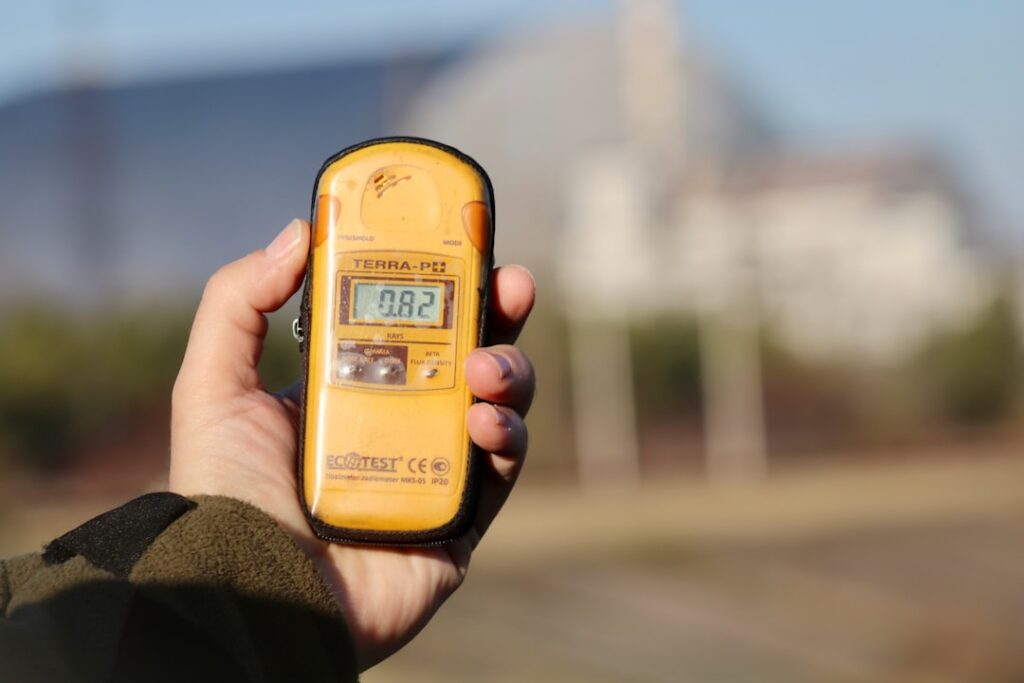
You bought a radon detector, set it in the basement, and now a number is staring back at you. The obvious question follows: can you trust it? Radon detectors range from inexpensive lab-mail kits to digital continuous monitors that update every hour, and their accuracy varies with the device, the placement, and how you use it. The short answer is that good detectors, used correctly, are reliable enough to guide decisions — but no single short reading should be treated as gospel. This guide explains what affects accuracy and how to get trustworthy numbers. It summarizes EPA and Colorado Department of Public Health and Environment guidance current as of 2026 and is educational only — use a certified professional for real estate and mitigation decisions.
Part of our Radon Levels guide — start there for the full picture →
Are radon detectors accurate?
Yes, quality radon detectors are accurate when used according to their instructions, but accuracy is a spectrum. The EPA’s action level is 4.0 pCi/L, and the practical question is whether a device can reliably tell you which side of that line your home sits on. Lab-analyzed kits — charcoal canisters and alpha-track detectors — and electronic continuous radon monitors from reputable makers all meet that bar when deployed properly.
Accuracy has two parts: precision (consistent repeat readings) and trueness (closeness to the real value). A device can be precise but biased if it has not been calibrated, which is why professional-grade monitors are calibrated against a known radon source on a schedule. For homeowners weighing devices, our guide to choosing an at-home radon test kit compares the main types and their reliability.
It also helps to set realistic expectations. No radon measurement, professional or consumer, produces a single perfectly exact number, because radon itself is constantly changing. The honest question is not whether a detector is exact to the decimal but whether it reliably tells you which side of the 4.0 pCi/L action level your home sits on, and whether it tracks trends over time. By that standard, good detectors used correctly are more than accurate enough to guide real decisions.
How the main detector types compare
Different technologies trade cost for speed and detail. Knowing the trade-offs helps you read your result with the right confidence.
Charcoal canister kits
These passive kits absorb radon over two to seven days, then go to a lab. They are inexpensive and accurate for a short snapshot, but they are sensitive to humidity and to the exact exposure window. Because radon swings day to day, one canister captures only a brief slice of conditions.
Alpha-track detectors
Alpha-track kits sit for 90 days to a year and record an average over that long span. The longer exposure smooths out daily and weather-driven swings, giving a result closer to your true annual exposure. The trade-off is patience — you wait months for an answer.
Continuous radon monitors
Electronic monitors sample continuously and display rolling averages, often updating hourly. They reveal patterns — the overnight spikes, the effect of closing windows — that single-shot kits miss. Consumer models have improved sharply, though they still benefit from periodic calibration. Our review of the RadonEye RD200 continuous monitor looks at how one popular device performs against lab references.
How accuracy is measured and verified
Behind every trustworthy detector is a calibration process. Professional and reference-grade monitors are placed in a controlled radon chamber where the true concentration is known, and the device’s readings are compared against that standard. Any consistent over- or under-reading is corrected. This is why a calibration schedule matters: even a precise instrument drifts over time, and only periodic recalibration keeps its readings true.
Lab-analyzed kits rely on the laboratory’s own quality control rather than a calibration you perform. Accredited radon labs participate in proficiency programs where they analyze blind samples of known concentration to prove their results stay within tolerance. When you mail a charcoal canister to a reputable lab, you are leaning on that institutional accuracy. Choosing a recognized lab, and following the kit’s instructions exactly, is how a homeowner borrows professional-grade accuracy at a low cost.
What affects detector accuracy
Even an accurate device gives misleading numbers if conditions are wrong. Placement is the biggest factor. Detectors belong in the lowest lived-in level, in the breathing zone roughly two to six feet off the floor, away from drafts, exterior walls, windows, sump pits, and direct sunlight. Set on a windowsill or next to a running fan, any detector will read low.
Test conditions matter too. Short-term tests require closed-house conditions — windows and exterior doors kept shut except for normal entry — for at least 12 hours before and during the test. Open a basement window mid-test and the number drops artificially. Weather plays a role as well: radon rises in winter and during storms when homes are sealed and pressure shifts. A single summer reading can understate the winter reality.
Device condition rounds out the list. Charcoal kits past their expiration, monitors that have never been calibrated, or sensors clogged with dust all drift. Following the manufacturer’s calibration and replacement schedule keeps a good device honest.
How long the device runs
Duration is its own accuracy factor. A charcoal canister pulled after only a day captures a narrower slice of conditions than one left for the full recommended window, and a continuous monitor read after two hours has not yet settled into a meaningful average. The longer a detector accumulates data, within its intended range, the closer its result tracks your true exposure. Acting on a too-short measurement is a common way to get a misleading number from an otherwise accurate device.
Interference and placement errors
Even small placement mistakes skew results. A detector on an exterior windowsill reads the outdoor air leaking in, not the room. One set on the floor can read high from radon pooling at the lowest point, while one perched on a high shelf misses the breathing zone entirely. Drafts from HVAC vents, fans, and doorways dilute the reading. The fix is simple — central placement in the breathing zone, away from disturbances — but skipping it undermines even the best instrument.
Why accuracy is worth the effort
Radon is invisible and odorless, so the detector is your only window into a real health risk. The EPA names radon the second-leading cause of lung cancer and the leading cause among people who never smoked. The Front Range sits in EPA Radon Zone 1, the highest-risk category, where elevated readings are common. An inaccurate low reading can give false comfort and leave a family exposed for years; an inaccurate high reading can trigger unnecessary spending. Getting the number right is the whole point.
Comparing detector types for accuracy in practice
For a quick yes-or-no answer about whether a home has a radon problem, a short-term charcoal kit from an accredited lab is accurate enough and inexpensive. Its weakness is that it captures only a few days, so a result near the action level should be confirmed. For the truest picture of long-term exposure, an alpha-track detector left in place for months averages out the seasonal swings better than any short test, at the cost of patience.
For ongoing accuracy and the richest information, a continuous monitor wins. It does not just produce a number; it shows the pattern over time, reveals how weather and habits move the level, and warns you if a mitigation fan fails. The trade-off is the upfront purchase price and the need to keep it calibrated. Many Front Range homeowners pair an inexpensive lab kit for the initial decision with a continuous monitor for the years that follow, getting both a defensible starting result and ongoing assurance.
How to get a trustworthy result
Confirm before you act. If a short-term test reads near or above 4.0 pCi/L, follow it with a second short-term test or a longer measurement before committing to mitigation. Two tests that agree are far more convincing than one. For ongoing peace of mind, a continuous monitor that runs year-round catches seasonal swings a one-time kit cannot.
Match the test length to the question you are asking. For a quick screen, a short-term test tells you whether levels are clearly low, clearly high, or borderline. For a true sense of yearly exposure, a long-term test or a continuous monitor running across seasons is far more representative, because it captures both the high-radon winter and the lower-radon summer rather than a single moment in time.
For real estate transactions, use a certified measurement professional rather than a consumer kit. Their devices are calibrated and tamper-resistant, and their reports carry weight at the closing table. Re-test the home every two years and after major renovations, since changes to the foundation or air sealing can move your numbers.
Why consumer monitors have improved
A decade ago, the gap between a hardware-store gadget and a professional instrument was wide. That gap has narrowed considerably as sensor technology matured and as makers began publishing comparison data against reference chambers. Today’s better consumer continuous monitors can track levels closely enough for ongoing household awareness, displaying trends that a one-shot kit simply cannot show.
The remaining differences are not mainly about the sensor. They are about calibration discipline, tamper resistance, and the certification chain that makes a result defensible to a third party. A homeowner watching their own levels does not need that chain; a buyer negotiating a price does. Understanding that distinction lets you spend appropriately — a reliable consumer monitor for everyday peace of mind, a certified professional when the number must convince someone else.
When a detector reading should not be trusted
Certain situations should make you skeptical of a reading regardless of the device. A test run with windows open, a detector that was clearly bumped or moved mid-test, an expired charcoal kit, or a monitor that has never been calibrated all produce numbers you cannot rely on. A single high reading after an unusual weather event, like a strong storm that briefly spiked levels, is also not a sound basis for a major decision.
The remedy in every case is the same: confirm before acting. If a result is surprising, near the action level, or taken under questionable conditions, run a second test or bring in a certified professional. Two well-conducted tests that agree are far more convincing than one ambiguous reading. Radon decisions carry real cost and real health weight, so the small effort of confirmation is always justified when the first number is in doubt.
It is also worth remembering that a low reading is not a permanent guarantee. A home that tests safely today can read higher after a renovation, a foundation repair, or simply a change in how the home is used and sealed. Periodic re-testing keeps an accurate detector honest over the years, catching the gradual or sudden changes that a single past reading cannot anticipate.
When to call a professional
Call a certified radon measurement professional when a home test reads at or above 4.0 pCi/L, when you are buying or selling and need a defensible result, or when two home tests disagree and you cannot tell which to believe. In Colorado, look for technicians certified through AARST-NRPP or NRSB. They use calibrated equipment, control test conditions, and document results — turning an ambiguous home reading into a number you can act on with confidence.
References
- A Citizen’s Guide to Radon — U.S. Environmental Protection Agency
- Radon Testing Guidance for Colorado — Colorado Department of Public Health and Environment
- Health Risk of Radon — U.S. Environmental Protection Agency
Frequently asked questions
Are home radon test kits as accurate as professional testing?
Quality lab kits are accurate for a snapshot when used correctly, but professionals use calibrated, tamper-resistant equipment and control test conditions. For real estate decisions, a certified measurement professional gives a more defensible result.
Why did my two radon tests give different numbers?
Radon varies day to day with weather, season, and whether the house was sealed. Placement and test duration also matter. Differences are normal, which is why confirming an elevated short-term result with a second test is recommended.
Where should I place a radon detector for the best accuracy?
In the lowest lived-in level, two to six feet off the floor, away from drafts, windows, exterior walls, sump pits, and sunlight. Keep the house closed during short-term tests for accurate readings.
Do continuous radon monitors need calibration?
Yes. Even good electronic monitors can drift over time and benefit from periodic calibration against a known source. Follow the manufacturer's schedule, and use a certified professional's calibrated device when the stakes are high.
If your home test came back high or you simply want a number you can trust, a certified measurement is the next step. Get in touch through our contact page and we’ll connect you with a vetted Front Range radon professional.
Test your home for radon
Radon is invisible and odorless, so a test is the only way to know your level. A short-term kit gives a first reading in days; a digital monitor tracks it over time.
| Product | Why | Buy |
|---|---|---|
 AirChek Charcoal Radon Test Kit AirChek Charcoal Radon Test Kit | Lab fee usually included; EPA short-term protocol. | Amazon — $21.95 |
 First Alert RD1 Radon Test Kit First Alert RD1 Radon Test Kit | Widely stocked; 48-hour charcoal test. | Amazon — $16.98 |
 Airthings Corentium Home Airthings Corentium Home | Digital monitor with a long-term average. | Amazon — $147.11 |