Mold Around the Home: Bathrooms, Kitchens, HVAC & Basements
Mold in the home almost always follows water. A bathroom that never dries out, a slow drip under the kitchen sink, a sweating air handler or a damp basement wall each give spores the moisture they need to grow. This hub sorts our guides by location so homeowners, buyers and renters can go straight to the room they are worried about, learn what usually feeds the growth there and see what to do first. Each section below explains the typical moisture source, the first practical fix and when a problem is big enough to call in help. For testing, inspection and remediation basics, start with our mold inspection and testing overview. This page summarizes EPA guidance current as of 2026 and is general information, not medical advice; consult your physician about symptoms and a qualified professional for testing or remediation decisions.
Bathrooms and showers
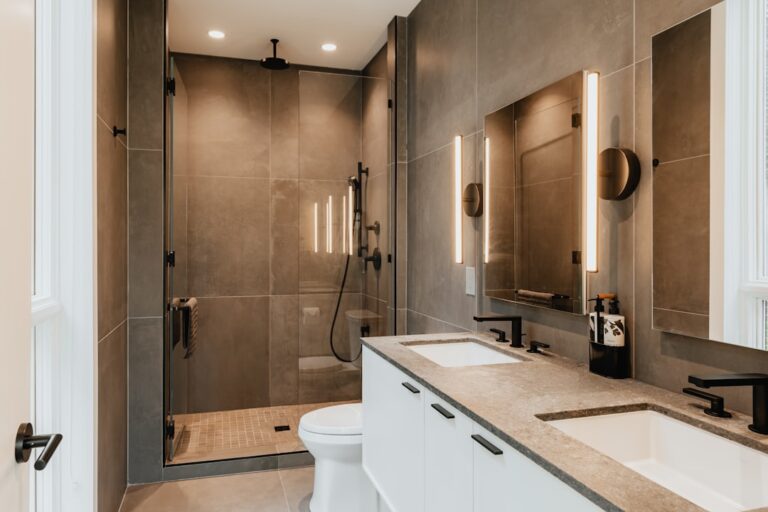
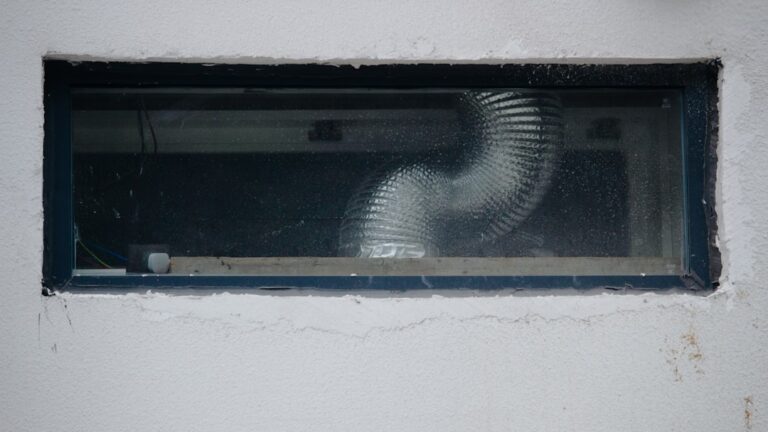
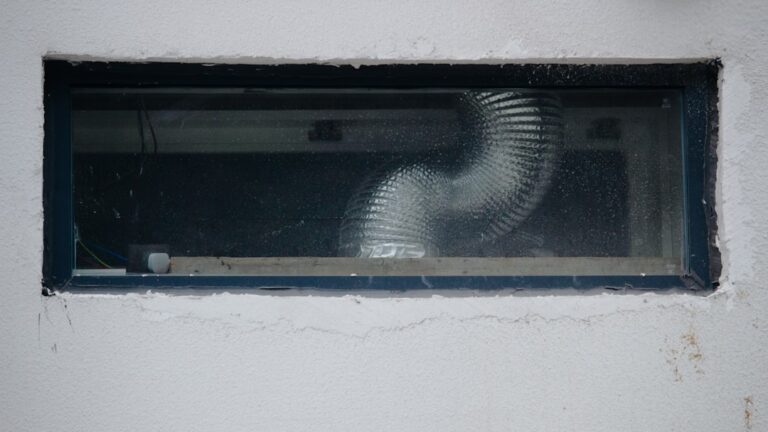
Bathrooms produce more moisture per square foot than any other room. Every shower releases warm, humid air that condenses on cooler tile, grout, caulk and ceiling paint, and if the room stays damp for hours afterward, mildew and mold follow. The first fix is ventilation: run an exhaust fan that is ducted to the outdoors (not into the attic) during the shower and for 20 to 30 minutes afterward, then squeegee walls and leave the door open. Our guide on preventing bathroom mold walks through fan sizing and daily habits.
Color gives clues but not a diagnosis. The orange growth that shows up around drains and grout and the pink slime along shower edges, which is usually a bacterium rather than a mold, both respond to regular cleaning. Surface spots on nonporous tile are a routine job, and our roundup of home remedies for shower mold covers what actually works. If you are unsure whether it is mildew or true mold, or whether shower mold poses a health risk, those guides explain the difference.
Stains that return through fresh paint, soft drywall or a musty smell outside the shower point to a hidden leak. Our walkthrough on mold inside a bathroom wall and the step-by-step bathroom mold check cover supply lines, failed grout and tub-surround leaks.
Kitchens and appliances
Kitchen mold tends to hide rather than announce itself. The cabinet base under the sink is the classic spot: a loose trap fitting, a weeping dishwasher supply line or a failed faucet seal can drip slowly for months before anyone opens the door and notices the smell. Particle board and MDF cabinet floors swell and hold water like a sponge, which is why mold on particle board under the sink usually means replacing the panel rather than scrubbing it.
The first fix is always the plumbing. Tighten or replace the leaking connection, dry the cabinet completely with a fan, and discard any swollen or crumbling board. EPA advises drying wet materials within 24 to 48 hours to keep mold from establishing, so a small leak caught quickly rarely becomes a mold problem. Our broader guide to mold under the sink covers inspection of the wall behind the cabinet, where drain lines pass through and leaks can wick upward into drywall.
Dark film inside the drain itself is a separate issue. It is usually biofilm, a mix of bacteria, yeasts and mold feeding on food residue and soap. Our explainer on whether mold in a sink drain is dangerous covers cleaning it out. Beyond the sink, check refrigerator drip pans, dishwasher door gaskets and the wall behind the range hood if it recirculates rather than vents outdoors, since cooking steam adds noticeable humidity to a closed kitchen.
HVAC, air conditioning and air ducts
Air conditioners remove moisture from the air, and that water has to go somewhere. When a condensate drain pan clogs, a line backs up, or insulation around cold ductwork sweats in a humid attic or crawlspace, the system itself becomes a mold site. Oversized units add to the problem: they cool the house quickly, shut off before running long enough to dehumidify, and leave indoor humidity high. Our guide to mold in the air handler explains where to look around the coil, pan and cabinet.
HVAC mold is usually a professional job. Cleaning a coil or duct without fixing the moisture cause just resets the clock, and disturbing growth can spread spores through the whole house. EPA’s guidance on duct cleaning notes that if ducts are contaminated, the underlying moisture problem must be corrected first. See our explainers on mold in ductwork and mold throughout the HVAC system for how technicians approach it, and compare what you see against photos of mold in air ducts.
Dark specks around supply registers are often dust or condensation staining rather than mold, but a musty smell when the system kicks on deserves attention. Our guide on whether mold on air vents is dangerous helps sort the two. If you suspect airborne spores, read how to check the air in your house for mold before buying test kits, and our review of whether a mold air purifier helps sets realistic expectations.
Walls, windows and ceilings
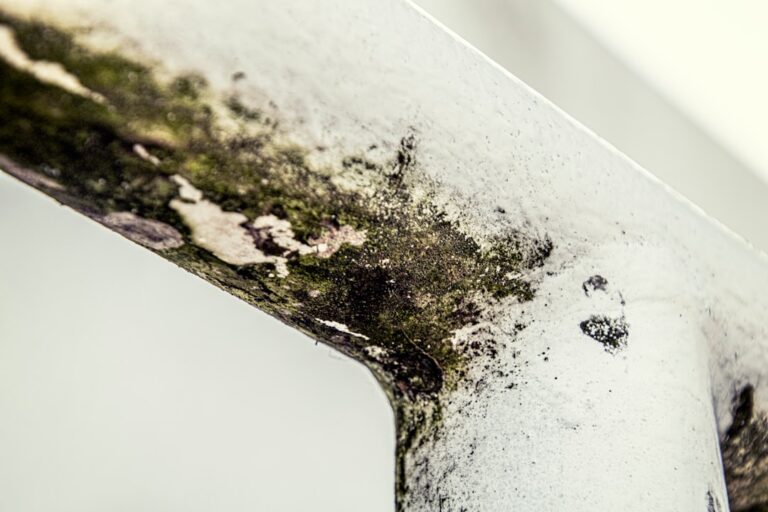
Wall and ceiling mold comes from three main sources: leaks (roof, plumbing, window flashing), condensation on cold surfaces, and chronically high indoor humidity. Exterior walls in winter, closet walls with poor air circulation and the corners behind furniture are common trouble spots because they stay colder and damper than the room around them. Our guide to what causes mold on walls breaks these patterns down, and what mold looks like on walls helps with identification.
Visible color varies widely. Homeowners search for everything from Aspergillus on a wall to yellow mold on a ceiling and early white growth on painted walls, but color alone does not tell you the species or the risk. What matters more is the size of the area and whether the material behind it is wet. If a spot wipes away easily and does not return, our guide to mold versus mildew on walls explains why it may be surface mildew.
The first fix is finding the moisture. A moisture meter or thermal camera can reveal wet framing behind paint, and our guides on detecting mold in walls and mold behind drywall cover when to open a cavity. Condensation on window frames usually signals indoor humidity above EPA’s recommended range. Wood trim and framing are also vulnerable; see white mold on wood for what to do.
Basements, attics and closets
Basements sit below grade, surrounded by damp soil, and their walls and slabs are naturally cooler than the air above them. Water enters through poor lot grading, overflowing or short gutter downspouts, cracks in the foundation and simple condensation when humid summer air hits cool concrete. Our overview of the most common basement mold pattern explains why finished basements with carpet and drywall against foundation walls are especially prone.
The first fixes work from the outside in. Slope soil away from the foundation, clean gutters and extend downspouts several feet from the house, then run a dehumidifier to hold indoor relative humidity under 60 percent, ideally between 30 and 50 percent. Our guide on how to prevent mold in a basement covers dehumidifier sizing and drainage, while the basement inspection sequence shows where to look first. For growth already on concrete or framing, read how to treat basement mold and mold in basement walls, and check whether basement mold is dangerous if someone in the household has asthma or allergies.
Attics grow mold when bathroom fans or dryer vents dump humid air into them, or when poor ventilation lets warm indoor air condense on cold roof sheathing. Closets on exterior walls trap still, damp air; our guide on preventing mold in a closet covers airflow and storage.
Identifying mold and deciding who fixes it
Many questions are not about a single room but about what the growth is. A common assumption is that dark mold is the dangerous kind. Our color-by-color identification guide explains why color is a poor indicator, and black surface mildew covers the harmless-looking spots that are often just that. EPA does not recommend routine sampling to identify species; if mold is visible, the priority is removing it and fixing the water source.
Size sets the dividing line between do-it-yourself and professional work. EPA suggests homeowners can usually handle areas under about 10 square feet on their own, while larger areas, HVAC contamination or mold caused by sewage or contaminated water call for a trained remediator. When you reach that point, our guide to hiring a mold contractor covers licensing, scope and red flags, and mold damage repair costs help you budget for rebuilding drywall, flooring or cabinets afterward.
Room-by-room moisture checklist
| Room | Common cause | Quick prevention |
|---|---|---|
| Bathroom | Shower steam, failed grout or caulk, no exhaust | Run an outdoor-vented fan 20–30 minutes after showers; recaulk |
| Kitchen | Slow leaks under sink, dishwasher lines, cooking steam | Check the sink cabinet monthly; vent the range hood outdoors |
| HVAC | Clogged condensate pan or line, oversized unit, sweating ducts | Annual service; keep drain lines clear; insulate cold ducts |
| Walls and windows | Leaks, cold-surface condensation, high humidity | Keep indoor humidity at 30–50%; fix leaks fast |
| Basement | Poor grading, gutters, foundation seepage, condensation | Slope soil away, extend downspouts, run a dehumidifier |
| Attic and closets | Misrouted exhaust vents, stagnant air | Vent fans outdoors; leave space for airflow |
Any time a material gets wet from a leak or spill, dry it within 24 to 48 hours. That single habit prevents most household mold.
References
- A Brief Guide to Mold, Moisture and Your Home — U.S. Environmental Protection Agency
- Mold Cleanup in Your Home — U.S. Environmental Protection Agency
- Should You Have the Air Ducts in Your Home Cleaned? — U.S. Environmental Protection Agency
- Mold and Indoor Air Quality — U.S. Environmental Protection Agency
Frequently asked questions
Which room in the house is most likely to get mold?
Bathrooms and basements are the most common locations because they have the most moisture. Bathrooms produce steam daily, and basements sit against damp soil with cool surfaces where condensation forms.
What indoor humidity level prevents mold?
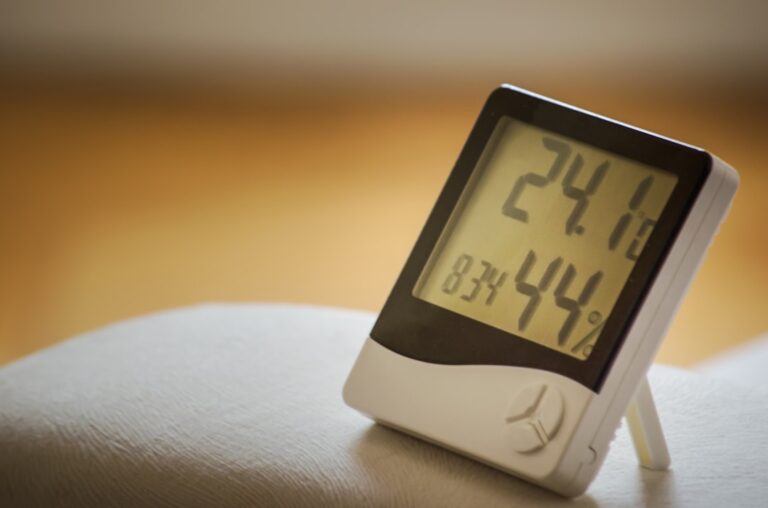
EPA recommends keeping indoor relative humidity below 60 percent, ideally between 30 and 50 percent. An inexpensive hygrometer lets you check, and a dehumidifier or better ventilation can bring levels down.
Can I clean mold myself or do I need a professional?
EPA suggests homeowners can usually clean areas smaller than about 10 square feet on hard surfaces. Larger areas, mold inside HVAC systems, or growth caused by sewage or contaminated water should be handled by a trained remediation professional.
Should I have my air ducts cleaned if I smell mold?
Duct cleaning only helps if the moisture source is fixed first, such as a clogged condensate line, leaking ducts or an oversized unit. Have an HVAC technician inspect the system before paying for cleaning.
How fast does mold grow after a leak?
Mold can begin growing on damp materials within 24 to 48 hours. Drying wet drywall, carpet and wood within that window is the most effective way to prevent a leak from becoming a mold problem.
Bathrooms & showers


Kitchens & appliances



HVAC, AC & air ducts



Walls, windows & ceilings



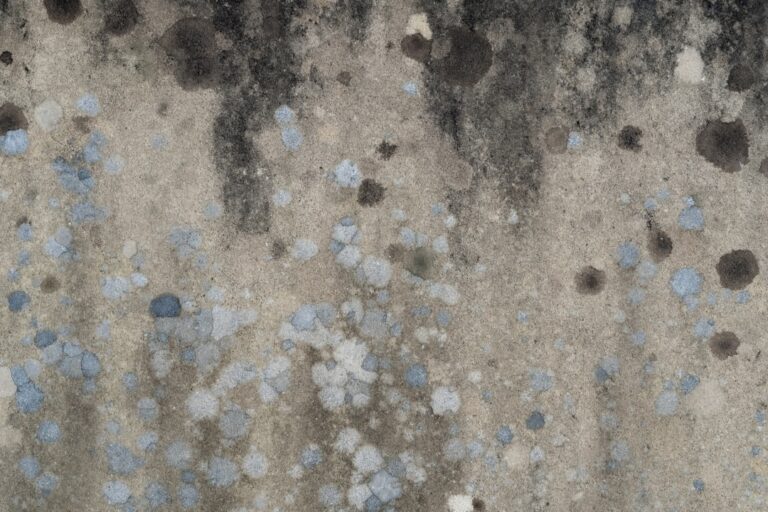
Basements, attics & closets


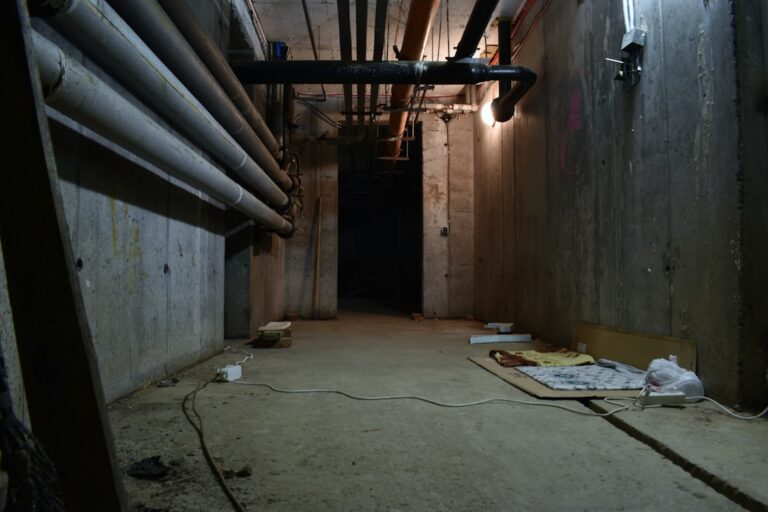

Browse all 92 mold around the home guides » Back to the Mold Inspection & Testing hub