How to Treat Mold in Basement: A Plain-Language Guide
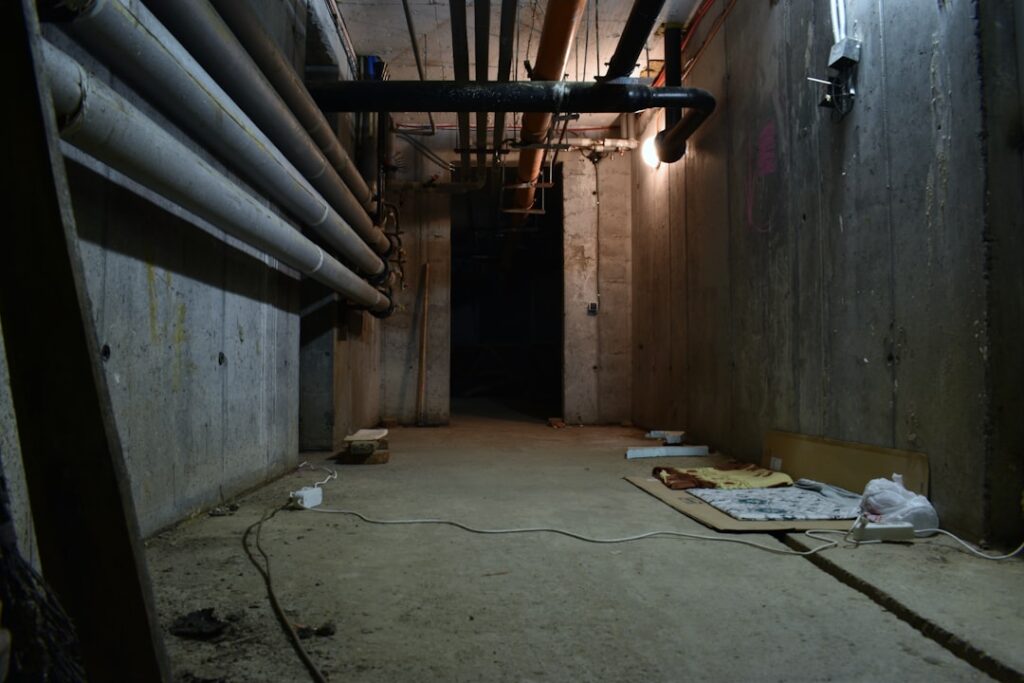
Treating basement mold is less about a magic cleaner and more about a sequence done in the right order. Basements stay cool and damp, so growth that is scrubbed away returns quickly unless the underlying moisture is handled. For Front Range homeowners contending with snowmelt and seasonal storms, that moisture pressure is a recurring fact of life. This guide explains how to treat mold in basement spaces from start to finish, what you can do safely, and when to call for help. It summarizes EPA and CDC guidance current as of 2026; consult your physician for symptoms and a certified professional for testing or large-scale removal decisions.
Is this mold, asbestos, or water damage? Get a free instant screen
Upload a clear photo of the suspect area. You'll get an instant AI screening opinion and what to do next. This is screening guidance, not a professional determination.
Screening guidance only. AI can be wrong. Confirm asbestos, mold type, or lead with lab testing or a licensed professional before acting.
How to Treat Mold in Basement Spaces
Effective treatment follows a clear order: find the moisture source, protect yourself, remove or clean affected materials, dry the space, and then keep humidity controlled. The EPA emphasizes that cleanup without moisture control fails, because mold regrows on anything that stays damp. Treating the visible growth while ignoring the water is the most common mistake.
For the cleaning itself, hard surfaces like concrete walls, floors, and framing can be scrubbed with detergent and water, then dried, for areas under about 10 square feet. Porous materials behave differently: the EPA recommends discarding heavily contaminated items such as carpet, drywall, ceiling tiles, and cardboard rather than cleaning them, since mold roots inside and survives surface treatment.
Wear an N-95 respirator, gloves, and goggles, ventilate the space as much as a basement allows, and work in small sections to limit spore spread. The mold inspection and testing hub describes how professionals locate basement moisture when the source is hidden, and the guide on basement mold removal details the removal steps.
Step One: Find and Fix the Moisture
Treatment begins with diagnosis. Look for the obvious culprits: foundation cracks, water stains, condensation on cold walls and pipes, leaking plumbing, and downspouts discharging near the foundation. Note whether the dampness is general humidity or concentrated water intrusion, because each calls for a different fix.
Condensation is solved with dehumidification, insulation, and air movement. Bulk intrusion requires exterior grading so soil slopes away from the house, drainage improvements, crack sealing, or waterproofing. Until the water is controlled, any treatment is temporary. Many homeowners are surprised that the most important step in treating basement mold involves a downspout or a grading shovel rather than a cleaning product.
Step Two: Clean or Remove the Mold
With the moisture addressed, treat the growth. Scrub concrete, block, and framing lumber with detergent and water, then rinse and dry. The CDC notes bleach is not always necessary, but if you disinfect, use no more than one cup of household bleach per gallon of water, in a ventilated space, and never mixed with other cleaners. White vinegar is a safer alternative for many surface molds.
Discard contaminated porous materials rather than cleaning them: water-damaged drywall, insulation, carpet and padding, ceiling tiles, and stored cardboard or fabric. Bag the debris in plastic before carrying it through the house. The guide on removing mold from basement walls covers the wall-specific technique in depth.
Step Three: Dry the Basement Thoroughly
Drying is not optional. After cleaning, run a dehumidifier and fans to remove residual moisture, because even a slightly damp surface invites regrowth. The EPA recommends keeping indoor relative humidity below 50 percent, and a basement is where that target is hardest to hit without a dehumidifier running through the humid months.
Concrete holds moisture, so allow extra drying time for masonry surfaces. Move stored items off the floor and away from walls to improve airflow. A hygrometer, an inexpensive humidity gauge, helps you confirm the space is actually drying rather than just feeling drier. Sustained low humidity is what locks in the result of all the cleaning that came before.
What Not to Do When Treating Basement Mold
Do not paint or seal over mold; coating it traps moisture and growth continues beneath the finish. Do not use a dry brush or a shop vacuum without a HEPA filter, since both scatter spores. Do not treat bleach as a permanent solution, because it addresses the surface but not the moisture that caused the problem.
Never mix cleaning chemicals, and do not disturb large areas of growth without protection. Avoid the temptation to skip the moisture step because the wall looks clean; that shortcut guarantees the mold returns. If the contamination is large, hidden in finished walls, or tied to flooding, stop and call a professional rather than improvising.
Preventing Basement Mold Long Term
Treatment that lasts depends on prevention. Keep a dehumidifier running to hold humidity below 50 percent, direct downspouts away from the foundation, grade soil to slope away from the house, and seal foundation cracks. Insulate cold walls and pipes to cut condensation, vent the clothes dryer outdoors, and keep cardboard and fabric off the floor.
Address leaks within 24 to 48 hours and keep air circulating with fans in stagnant corners. Front Range basements warrant extra vigilance during spring snowmelt and summer storms, when groundwater pressure peaks. A basement kept consistently dry simply does not support mold, which is why prevention is the most cost-effective part of any treatment plan. The guide on black mold in the basement reinforces these moisture-control habits.
Signs Basement Mold Treatment Has Failed
Treating basement mold once does not guarantee it stays gone, and recognizing failure early prevents wasted effort. The clearest sign is regrowth in the same spot within days or weeks, which almost always means the moisture source was never addressed. A musty smell that returns or never fully left points the same direction, as does fresh staining or condensation on a wall you thought you had resolved.
Other failure signals include mold appearing in new nearby areas, which suggests spores spread during cleaning, and persistent high humidity readings despite a running dehumidifier, which indicates the space is still taking on moisture. When treatment keeps failing, the answer is not another round of the same cleaning but a step back to diagnose the moisture properly. Repeatedly treating the symptom while the cause persists is the single most common reason basement mold becomes a chronic frustration. The guide on black mold in the basement covers the moisture sources that drive these repeat failures.
Treatment Versus Removal: What’s the Difference?
Homeowners often use “treating” and “removing” mold interchangeably, but the distinction shapes expectations. Treating mold usually refers to cleaning and disinfecting surfaces to kill and remove visible growth, the approach that works on small areas of hard, non-porous materials. Removal, in the remediation sense, involves physically taking out contaminated materials such as drywall and insulation that cannot be salvaged.
A complete basement response often involves both: treating hard surfaces like concrete and framing while removing porous materials that mold has invaded. The mistake is assuming that treating a surface with a spray resolves a problem that has spread into the building materials behind it. When mold has penetrated drywall, insulation, or carpet, no amount of surface treatment will reach it, and removal is the only effective answer. Knowing which your situation calls for, and recognizing when both are needed, prevents the false sense of completion that comes from spraying a surface clean. The guide on basement mold removal covers the removal side in depth.
Choosing the Right Treatment Products
The product you use to treat basement mold should match the surface and the severity. For hard materials like concrete, block, and framing, detergent and water handle routine growth, and the CDC notes bleach is not always necessary. White vinegar, applied undiluted and given time to dwell, kills many surface molds without harsh fumes, which is welcome in a poorly ventilated basement.
A diluted bleach solution, one cup per gallon of water, disinfects and lifts staining from non-porous surfaces but produces stronger fumes, so use it only with ventilation and never mixed with other cleaners. Commercial mold treatments and concrete-specific cleaners offer convenience at higher cost without clearly outperforming household options on the surfaces basements present. Whatever you choose, remember that no product substitutes for physical removal and drying; the cleaner addresses the surface, while controlling moisture decides whether the growth comes back. The guide on sprays that kill mold compares the commercial products with household choices.
Treating Mold on Different Basement Materials
Basements contain a mix of materials, and treatment varies by type. Poured concrete and block walls and floors tolerate scrubbing and most cleaners, then need thorough drying because the masonry holds moisture. Bare framing lumber can be scrubbed and dried, though deeply rotted wood is a structural concern beyond simple mold treatment and warrants professional evaluation.
Porous and finished materials are the ones to discard when heavily contaminated: drywall, insulation, carpet and padding, ceiling tiles, and stored cardboard or fabric all harbor mold below the surface, and the EPA recommends removing rather than cleaning them. Metal, glass, sealed wood trim, and hard plastics can be wiped clean and kept. Sorting materials into clean-and-keep versus remove-and-replace is the judgment that determines whether treatment actually resolves the problem. The guide on removing mold from basement walls covers the wall-specific decisions in detail.
Safety Precautions in a Confined Basement
Basements amplify the hazards of mold work because they are enclosed and poorly ventilated, so disturbed spores linger around you. Wear an N-95 or N-100 respirator, non-vented goggles, and gloves throughout, and add a disposable coverall for larger jobs. Open windows or vents where possible and direct a fan toward an opening to move air outward rather than recirculating it.
Avoid running the home’s central HVAC during treatment, since return ducts can carry basement spores into living areas above. People with asthma, allergies, or weakened immune systems should not perform basement mold work, given the elevated exposure in a tight space. Take regular breaks in fresh air, and launder your work clothing separately. Treating the basement as a higher-exposure environment than an open room is the correct mindset and underscores why large basement jobs belong with professionals who bring containment equipment.
When to Call a Professional
Some basement mold exceeds a homeowner’s reach. Call a professional when growth covers more than about 10 square feet, when mold hides inside finished walls or insulation, when a musty smell pervades the space, or when contamination followed a flood or sewage backup. The EPA recommends professional remediation with containment in these cases to keep spores from spreading upstairs.
Anyone with asthma, allergies, or a weakened immune system should not perform basement cleanup. A qualified inspector can pinpoint moisture and define the extent of growth, and a remediation contractor can remove contaminated materials safely and verify the result. For a small surface patch on a sound wall, though, the find-clean-dry-prevent sequence handled carefully resolves most basement mold for good. The order of those steps is what matters most: homeowners who start with the moisture source and finish with sustained humidity control rarely see the problem come back, while those who jump straight to scrubbing tend to repeat the job every few months. Treating basement mold well, in other words, is less about the cleaner in your hand and more about the dehumidifier, the drainage, and the vapor barrier that decide whether the problem ever comes back.
References
- Mold Cleanup in Your Home — U.S. Environmental Protection Agency
- A Brief Guide to Mold, Moisture and Your Home — U.S. Environmental Protection Agency
- About Mold and Health — Centers for Disease Control and Prevention
- Mold and Your Health — Colorado Department of Public Health and Environment
If basement mold keeps returning despite treatment, the moisture source likely remains. We can connect Front Range homeowners with a vetted local inspector to find it. Get in touch through our contact page for a referral.