Black Mold Basement: What Homeowners Need to Know
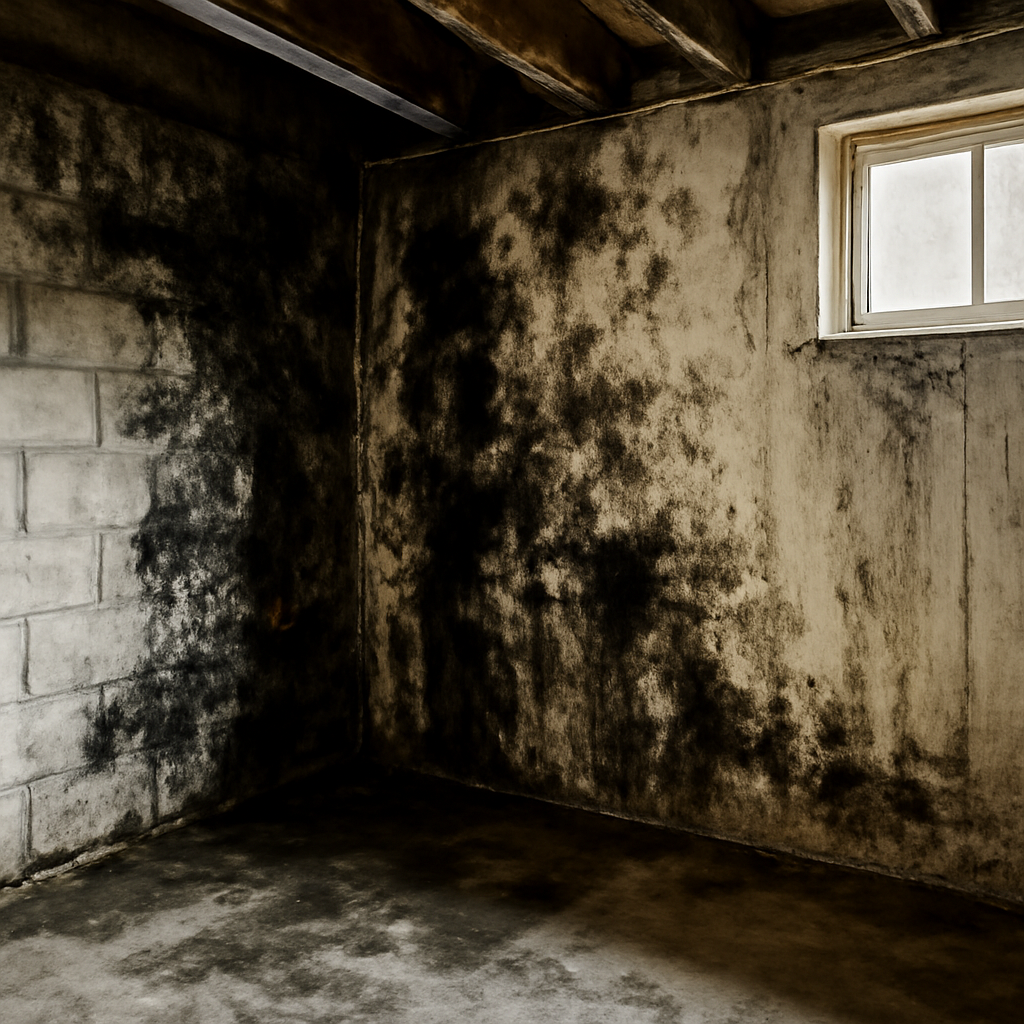
A dark, fuzzy patch creeping along a basement wall is one of the more alarming things a homeowner can find, and “black mold” carries a fearsome reputation. The basement is a frequent host because it is cool, often damp, and poorly ventilated, conditions that hold true for many Front Range homes during snowmelt and summer storms. This guide explains what black mold basement growth means, what causes it, and how to respond sensibly. It summarizes EPA and CDC guidance current as of 2026; consult your physician for symptoms and a certified professional for testing or large-scale removal decisions.
Is this mold, asbestos, or water damage? Get a free instant screen
Upload a clear photo of the suspect area. You'll get an instant AI screening opinion and what to do next. This is screening guidance, not a professional determination.
Screening guidance only. AI can be wrong. Confirm asbestos, mold type, or lead with lab testing or a licensed professional before acting.
What Is Black Mold in a Basement?
“Black mold” usually refers to Stachybotrys chartarum, a greenish-black mold that favors chronically wet, cellulose-rich materials such as drywall paper, cardboard, and wood, all common in basements. But many molds look dark, and color alone cannot confirm the species. Identifying Stachybotrys for certain requires lab analysis, which the EPA notes is usually unnecessary because cleanup is the same regardless of type.
The CDC is clear that the term “toxic mold” is misleading and that black mold is not uniquely dangerous compared with other indoor molds. That does not mean it should be ignored. Any substantial growth should be removed and the moisture source fixed, because all molds can cause allergic and respiratory symptoms in sensitive people. The takeaway is balance: respond promptly, but skip the panic. The guide on whether black mold is toxic unpacks the science further.
What Causes Black Mold in Basements?
Basements concentrate moisture for structural reasons. They sit below grade against cool, often damp earth, so warm interior air condenses on cold foundation walls and floors. That condensation alone can feed mold. Bulk water intrusion makes it worse: foundation cracks, poor exterior grading, downspouts dumping near the wall, and plumbing leaks all let water in.
High humidity is the quieter culprit. A clothes dryer venting indoors, a humid summer, or simply a lack of airflow can push relative humidity above the 50 percent threshold the EPA recommends staying under. Stored cardboard boxes and fabric soak up that humidity and become mold food. Pinpointing whether your problem is condensation, intrusion, or humidity determines the right fix.
Is Basement Black Mold a Health Risk?
The health effects of black mold are the same as those linked to other indoor molds. The CDC lists nasal congestion, throat irritation, coughing, wheezing, eye irritation, and skin irritation among common reactions in sensitive individuals. People with mold allergies may react more strongly, and those with asthma can experience attacks.
Vulnerability varies. Infants, older adults, people with asthma or chronic lung disease, allergy sufferers, and anyone with a weakened immune system face higher risk, and for the immunocompromised certain molds can cause serious lung infections. Healthy adults often have no reaction to brief exposure. Because basements are confined and spore-heavy during cleanup, sensitive household members should stay out. Any persistent symptom warrants a call to a physician rather than self-diagnosis.
How to Clean Small Areas of Basement Black Mold
For surface mold under about 10 square feet on hard materials, the EPA says a homeowner can usually clean it. Concrete walls and floors, painted block, and bare framing can be scrubbed with detergent and water, then dried completely. Wear an N-95 respirator, gloves, and goggles, and ventilate the space as much as a basement allows.
Porous materials are a different story. The EPA recommends discarding heavily contaminated items like water-damaged cardboard, carpet, ceiling tiles, and drywall rather than cleaning them, since mold roots inside and survives surface treatment. Work in small sections to limit spore spread, bag the debris, and dry the area with a dehumidifier afterward. The guide on basement mold removal walks through the full method.
What Not to Do
Do not paint or seal over basement mold; coating it traps moisture and the growth continues underneath. Do not use a dry brush or a shop vacuum without a HEPA filter, since both fling spores into the air. Do not assume bleach permanently solves the problem, because it addresses the surface but not the moisture that caused it, and the EPA notes bleach is not always necessary.
Never mix cleaning chemicals, and avoid disturbing large areas of growth without protection. If the mold covers a wide area, sits inside finished walls, or followed a flood or sewage backup, stop and call a professional. These situations involve hidden colonization or contaminated water that home cleaning cannot safely resolve.
Health Effects of Living Above a Moldy Basement
A basement does not have to be a living area for its mold to affect the people upstairs. Air tends to move upward through a house, drawing some basement air into the rooms above, so spores and musty odors below can reach the breathing space on the main floor. This is why occupants sometimes report symptoms even though they rarely set foot in the basement.
The symptoms are the same ones the CDC associates with mold generally: nasal congestion, throat irritation, coughing, eye irritation, and worsened asthma in sensitive people. Vulnerable household members, children, older adults, allergy and asthma sufferers, and the immunocompromised, are most likely to notice. The practical implication is that basement mold is a whole-house air quality issue, not a contained one, and addressing it benefits everyone in the home. Anyone with persistent symptoms should consult a physician, since only a doctor can connect them to exposure. The guide on what kind of mold is dangerous puts these health effects in context without overstating them.
Why Front Range Basements Are Prone to Mold
Colorado’s climate is dry overall, which leads some homeowners to assume basements are safe from mold, but the below-grade environment tells a different story. Spring snowmelt sends large volumes of water into the soil around foundations, and summer afternoon storms can dump intense rain quickly. Both push water toward basement walls, and a foundation crack or poor grading turns that pressure into intrusion.
Inside, the contrast between warm living air and cool foundation surfaces produces condensation even when outdoor humidity is low. Finished basements compound the risk by trapping moisture behind drywall against the foundation. The result is that Front Range basements, despite the arid reputation of the region, are a frequent site of mold. Recognizing the seasonal pattern, heightened risk during snowmelt and storm season, helps Denver-area homeowners stay ahead of it with drainage management and dehumidification. The mold inspection and testing hub covers how local moisture conditions factor into an assessment.
How to Tell Black Mold From Other Basement Discoloration
Not every dark mark on a basement wall is mold, and misreading it leads to the wrong response. Efflorescence, a white or grayish crystalline deposit, is mineral salt left behind as water evaporates through concrete; it brushes off as powder and is not a living organism, though it does signal water moving through the wall. Soot, dirt, and old water staining can also masquerade as growth.
True mold tends to be fuzzy, slimy, or textured, often spreads in irregular patches, and may carry a musty odor. Color alone cannot confirm a species, since many molds look dark, and only lab analysis distinguishes Stachybotrys from lookalikes, which the EPA generally considers unnecessary because cleanup is the same regardless. If a deposit wipes off as dry powder, suspect efflorescence and the water intrusion behind it; if it smears and smells musty, treat it as mold. The guide on colors of mold explains why appearance is an unreliable identifier.
The Link Between Basement Mold and Home Value
Basement mold is not only a health and maintenance issue; it can affect a home’s marketability. Buyers and home inspectors routinely flag visible mold and musty odors, and unresolved moisture problems can complicate a sale or prompt price negotiations. A finished basement with hidden growth behind the walls can become a costly surprise during a transaction.
Addressing basement mold and its moisture source proactively protects both the structure and its value. Documentation of the repair, what caused the moisture and how it was fixed, reassures future buyers far more than a freshly painted wall that hides an unaddressed problem. For homeowners planning to sell, resolving the cause rather than masking the symptom is the sounder investment. The guide on whether insurance covers black mold covers the financial side when the growth follows a covered event.
Encapsulation and Long-Term Basement Solutions
For chronically damp basements, spot cleaning is a losing battle, and a more comprehensive moisture strategy pays off. Sealing foundation cracks, installing or improving a sump pump and drainage system, and applying masonry sealers to walls all reduce intrusion. A dedicated basement dehumidifier sized for the space holds humidity below the EPA’s recommended 50 percent through the humid months.
In persistently wet basements, professional waterproofing, interior or exterior drainage systems, or full encapsulation may be warranted. These are larger investments, but they address the root condition that keeps regenerating mold. For Front Range homes contending with spring snowmelt and summer storms, controlling where that seasonal water goes is often the difference between an occasional patch and a recurring infestation. The guide on treating mold in the basement covers how these measures fit into an overall plan.
When Basement Black Mold Needs a Professional
Several signals point to professional remediation. Growth larger than about 10 square feet, mold hidden inside finished basement walls or under flooring, a musty smell throughout the space, and contamination following flooding all exceed a homeowner scope. The EPA recommends professional remediation with containment in these cases to keep spores from spreading upstairs.
Finished basements are especially prone to hidden growth behind drywall pressed against the foundation. By the time mold is visible, the cavity may be widely affected. Anyone with respiratory illness, allergies, or a weakened immune system should not do the cleanup. A qualified inspector can locate moisture with meters and thermal imaging, and the mold inspection and testing hub explains how to scope the problem before hiring a removal crew.
Preventing Black Mold From Returning
Lasting prevention is moisture control. Run a dehumidifier to keep relative humidity below 50 percent, the EPA’s recommended ceiling. Direct downspouts away from the foundation, grade soil to slope away from the house, seal foundation cracks, and insulate cold walls and pipes to cut condensation. Vent any clothes dryer to the outside and keep boxes and fabric off the floor.
Address leaks within 24 to 48 hours and improve airflow with fans if the space is stagnant. Front Range basements deserve extra attention during spring snowmelt and summer storm season, when water pressure against foundations peaks. When the basement stays dry, black mold rarely returns, which is the goal of removing it correctly the first time. Reading the growth as a moisture signal rather than a toxic threat keeps the response proportionate: address the water, remove the mold, and the alarming dark patch becomes a solved problem rather than a recurring fear. For Front Range homeowners especially, building seasonal moisture management into the routine, before snowmelt and storm season rather than after, is what keeps the basement clear year after year. A short pre-spring checklist, clearing gutters, confirming downspout extensions, testing the sump pump, and checking the dehumidifier, prevents most of the recurring growth homeowners would otherwise discover later.
References
- Stachybotrys chartarum (Black Mold) — Centers for Disease Control and Prevention
- Mold Cleanup in Your Home — U.S. Environmental Protection Agency
- A Brief Guide to Mold, Moisture and Your Home — U.S. Environmental Protection Agency
- Mold and Your Health — Colorado Department of Public Health and Environment
If black mold keeps returning to your Front Range basement, a hidden moisture source is usually to blame. We can connect you with a vetted local inspector to find it. Reach out through our contact page to get started.