What Kind of Mold Is Dangerous: A Plain-Language Guide
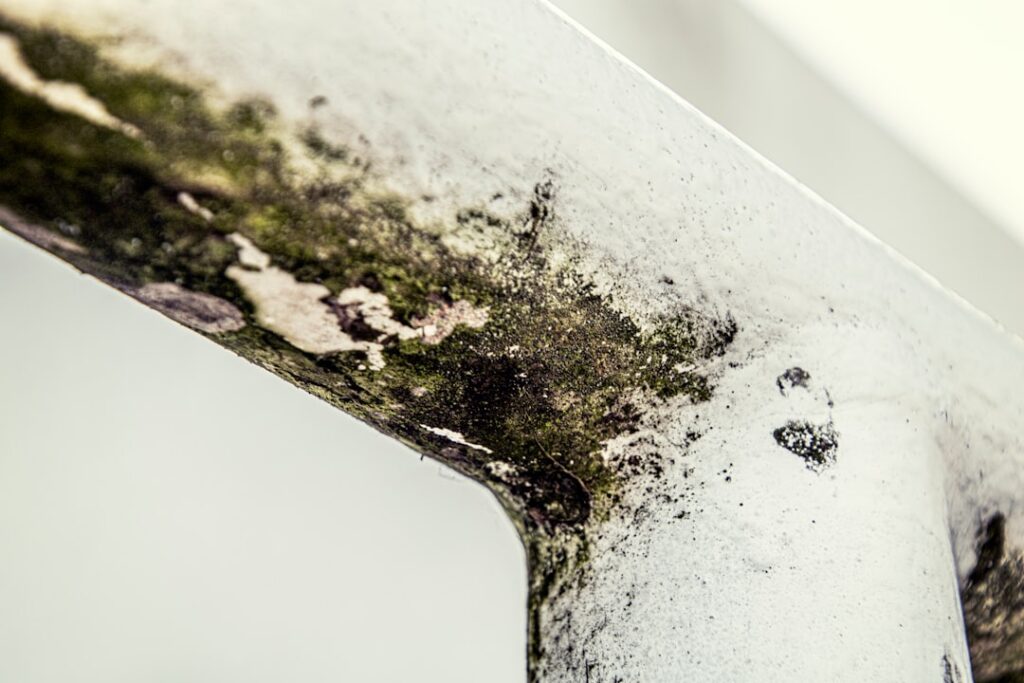
When mold appears on a wall or ceiling, the first question most homeowners ask is whether it is the dangerous kind. The internet is full of frightening labels, and it can be hard to tell genuine health information from marketing fear. The honest answer is that the species matters less than most people think, and the amount of moisture and exposure matters far more. This guide explains what kind of mold is dangerous, which common indoor molds you might encounter, and what public-health agencies actually recommend. It summarizes EPA and CDC guidance current as of 2026; consult your physician about symptoms and a certified professional for testing decisions.
Is this mold, asbestos, or water damage? Get a free instant screen
Upload a clear photo of the suspect area. You'll get an instant AI screening opinion and what to do next. This is screening guidance, not a professional determination.
Screening guidance only. AI can be wrong. Confirm asbestos, mold type, or lead with lab testing or a licensed professional before acting.
What kind of mold is actually dangerous?
No common indoor mold is harmless to everyone, and no common indoor mold is acutely lethal to a healthy person at the levels found in a typical home. The CDC takes the position that all indoor mold should be removed regardless of type, because any species growing on damp building materials can cause health effects in sensitive individuals. In other words, the practical answer to which mold is dangerous is: any mold that is actively growing indoors, in enough quantity, around someone who is susceptible.
That framing matters because it changes the response. Instead of paying a lab to identify a species before deciding what to do, the EPA recommends removing visible growth and fixing the moisture source. The cleanup is the same whether the mold is black, green, or white.
Common indoor molds and their reputations
Several genera show up repeatedly in homes. Understanding their general traits helps cut through the hype.
Stachybotrys (so-called black mold)
Stachybotrys chartarum is the species most often called toxic black mold. It is greenish-black and slimy, and it grows on very wet, cellulose-rich materials such as constantly damp drywall. It can produce mycotoxins under certain conditions. However, the CDC states that a causal link between Stachybotrys in homes and severe illness has not been proven, and reports tying it to dramatic outcomes have not held up under scientific scrutiny. It still warrants removal, like any indoor mold. Our guide on dangerous kinds of mold covers this species in more detail.
Aspergillus
Aspergillus is extremely common both outdoors and indoors. Most people inhale its spores daily without effect. In people with weakened immune systems or serious lung disease, certain Aspergillus species can cause infections, which is why hospitals monitor it closely. For the average healthy household, it is a nuisance to be cleaned up, not an emergency.
Penicillium and Cladosporium
Penicillium often appears as blue-green growth on water-damaged materials and food. Cladosporium is one of the most widespread molds, showing up as olive-green to brown spots in bathrooms and on window frames. Both can trigger allergic reactions, and both call for cleanup and moisture control rather than alarm.
What makes mold a health risk?
The danger from indoor mold comes from three overlapping factors rather than species alone. The first is exposure: how much mold is present and how long someone breathes the air around it. The second is sensitivity: people with asthma, allergies, or compromised immune systems react more strongly. The third is the route, with inhalation of spores being the main concern indoors.
The CDC reports that damp, moldy environments can cause nasal congestion, throat and eye irritation, coughing, and wheezing in sensitive people, and can worsen asthma. Serious infections are largely confined to those with significant underlying illness. If you want to dig into the symptom side, our piece on whether mold can cause bronchitis looks at the respiratory questions homeowners ask most.
Color is a poor guide to danger
Homeowners often assume black mold is the worst and lighter molds are safe, but color is not a reliable indicator of risk. Many harmless molds are dark, and some species that cause infections in vulnerable people are light colored. The same species can even appear different colors depending on the surface and moisture level. Relying on color to judge danger leads people to ignore real problems and panic over minor ones.
This is exactly why the EPA’s advice is species-agnostic: treat any indoor growth as something to remove and address the water that feeds it. If you are trying to tell mold apart from harmless staining, our overview of the colors of mold explains what the shades actually tell you and, just as importantly, what they do not.
When mold is a bigger concern
Certain situations raise the stakes. Large affected areas, generally cited by the EPA as roughly 10 square feet or more, may warrant professional remediation rather than a do-it-yourself cleanup. Contamination of HVAC systems can spread spores throughout a home. Mold hidden inside wall cavities, often signaled by a persistent musty smell, can be extensive even when little is visible.
Households with infants, elderly members, or people who are immunocompromised should be more cautious and act sooner. In these cases, professional assessment is reasonable even when the visible growth seems small, because the goal is to find and dry the moisture source before it spreads further.
Do you need to identify the species?
For most homeowners, no. The EPA explicitly notes that sampling is usually unnecessary because the response to visible mold does not change with species. Testing has a place in specific scenarios: confirming suspected hidden growth, settling a dispute with a landlord or seller, or verifying that remediation worked. Even then, the goal is information for a decision, not a diagnosis of danger.
If you do test, choose an independent party rather than a company that also profits from removal, and interpret results in context. A lab report listing several genera is normal; it does not by itself mean your home is hazardous.
Why hidden mold can be more concerning than visible mold
A counterintuitive truth about mold danger is that the growth you cannot see can matter more than the patch you can. Mold thriving inside a wall cavity, under flooring, or in ductwork may shed spores into the living space through gaps, vents, and torn surfaces while remaining invisible. A homeowner who scrubs the one stain they can see may leave a far larger hidden colony untouched.
This is why a persistent musty odor with no visible source deserves attention rather than dismissal. The smell often means active growth in a concealed space, and the moisture feeding it is ongoing. Hidden growth is also harder to assess for extent, which is one of the few situations where the EPA acknowledges testing or professional investigation can be genuinely useful. The practical takeaway is that danger correlates with exposure and moisture, not with whether the mold happens to be in plain view.
Allergenic, pathogenic, and toxigenic categories
Rather than sorting molds by color, researchers group them by how they can affect people, and this framework is far more useful for homeowners. Allergenic molds, the largest group, can provoke allergic and asthmatic reactions in sensitive individuals. Most common indoor molds, including Cladosporium and many Penicillium species, fall here. They are unpleasant but rarely dangerous to healthy people.
Pathogenic molds can cause infection, but typically only in people with weakened immune systems. Certain Aspergillus species are the classic example, capable of serious lung infections in vulnerable patients while passing harmlessly through healthy lungs. Toxigenic molds, the smallest group, can produce mycotoxins under the right conditions; Stachybotrys is the most discussed. Importantly, a single species can belong to more than one category, and the category does not change the homeowner’s response, which remains to remove the growth and correct the moisture. This is exactly why the EPA’s advice is species-agnostic.
Mycotoxins and the toxic mold debate
Much of the fear around dangerous mold centers on mycotoxins, the chemical compounds some molds can produce under certain conditions. It is true that species such as Stachybotrys can generate mycotoxins, and that is a legitimate reason to remove the growth. But the leap from that fact to claims of severe, lasting illness from ordinary home exposure is where the science thins out.
The CDC’s position is measured: the agency acknowledges that mold can cause allergic and irritant effects and can infect vulnerable people, but it states that a proven causal link between household mold and the catastrophic outcomes often described online has not been established. Producing mycotoxins requires specific conditions, and the route, dose, and individual sensitivity all influence whether any effect occurs. The practical lesson is to remove mold and fix moisture without buying into marketing built on dread. Our overview of the colors of mold reinforces why visual fear cues mislead.
Who is most at risk from indoor mold
Risk is not evenly distributed, and that is central to answering which mold is dangerous. For a healthy adult, ordinary household mold is usually a nuisance and an allergen rather than a serious threat. For specific groups, the calculus changes. People with asthma may experience triggered attacks. Those with allergies to mold can react to relatively small exposures.
The highest concern applies to people with significantly weakened immune systems, such as transplant recipients, those undergoing chemotherapy, or people with advanced lung disease. For them, certain molds like Aspergillus can cause invasive infections that healthy people would never develop. Infants and the elderly may also be more sensitive. In households that include anyone in these categories, the threshold for acting on visible mold, and for calling a professional, should be lower.
How exposure actually happens at home
Understanding the route of exposure clarifies the real risk. Indoors, the primary concern is inhaling airborne spores and fragments, which is why disturbing a colony without containment can briefly raise exposure. Touching mold and then touching the face is a secondary route, and ingestion is mostly relevant to contaminated food rather than building mold.
This is why the EPA emphasizes containment and protective equipment during removal: the act of cleaning can temporarily increase airborne spores. It also explains why a small, sealed-off colony behind intact drywall poses less immediate exposure than the same colony actively shedding into living-space air through a vent or a torn surface. The amount in the breathing zone, not the existence of mold somewhere in the structure, drives the practical risk.
Pets, plants, and other mold myths
Several persistent myths cloud the question of which mold is dangerous, and clearing them helps homeowners act rationally. One is that any mold in a home guarantees illness; in reality, healthy people tolerate the low spore levels present in normal indoor air, and effects appear mainly with significant exposure or in sensitive individuals. Another is that bleach is a cure-all; the EPA does not recommend routine bleaching of porous materials, because killing surface mold without removing it or fixing the moisture leaves the problem to return.
A further myth holds that a mold-free home is achievable and necessary. It is neither, since spores are ubiquitous outdoors and drift inside through doors and windows. The realistic goal is controlling indoor moisture so spores cannot colonize and grow. Houseplants, pet bedding, and damp basements can all support growth, but they are managed by drying and cleaning, not by chasing an impossible sterility. Replacing these myths with the EPA’s moisture-first framework is what separates a measured response from needless anxiety.
What to do when you find mold
Start by treating the moisture, not just the stain. Find and fix the leak, condensation, or humidity problem. For small areas on hard surfaces, the EPA’s guidance allows careful cleanup with detergent and water while wearing gloves and an N95-type respirator. Porous materials that are heavily contaminated, such as soaked drywall or carpet, usually need to be discarded.
For larger jobs, ducts, or any situation involving a vulnerable household member, hire a qualified remediation professional. To understand the broader process and your options, the mold inspection and testing hub pulls together the steps, costs, and decisions in one place.
References
- About Mold and Health — Centers for Disease Control and Prevention
- A Brief Guide to Mold, Moisture, and Your Home — U.S. Environmental Protection Agency
- Mold and Health — National Institute of Environmental Health Sciences
If you are in the Denver metro or Front Range and want to talk with a vetted inspector about possible mold before a purchase, reach out through our contact page.