Dangerous Kinds of Mold: Allergenic, Pathogenic and Toxigenic
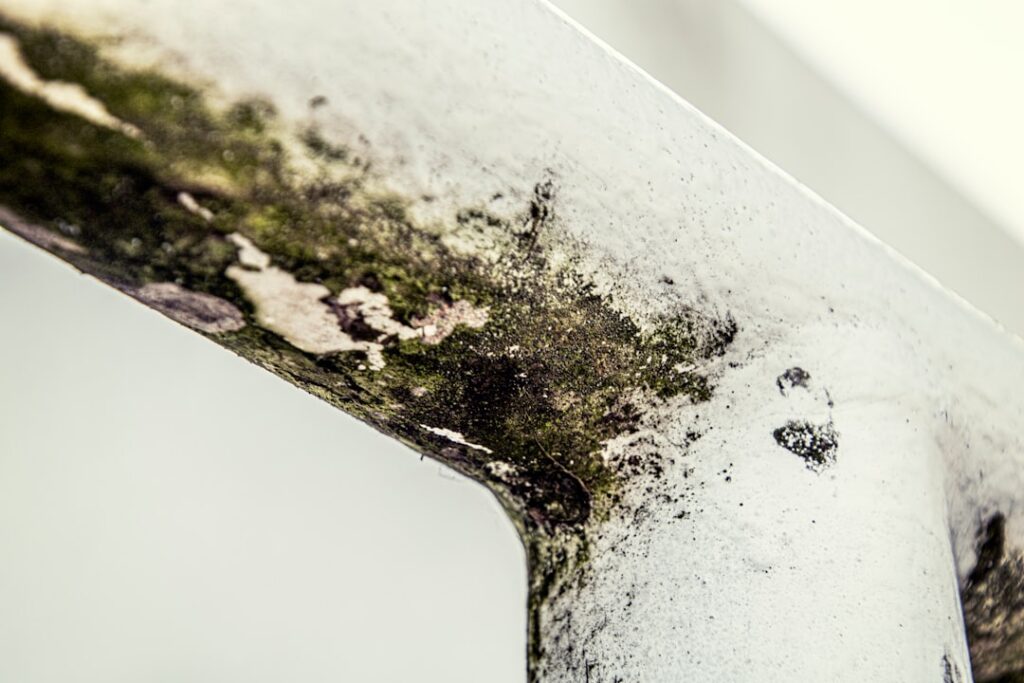
Search for mold online and it is easy to come away convinced that one particular species is a silent killer lurking behind the drywall. The reality, according to federal health agencies, is both more reassuring and more practical. Any mold growing indoors can cause problems for people who are sensitive to it, a smaller number of molds can cause infections in people with weakened immune systems, and some molds can produce toxic byproducts under some conditions. This guide explains the dangerous kinds of mold in those terms, separates the myths about “toxic black mold” from what agencies actually say, and covers who faces higher risk. It summarizes CDC and EPA guidance available in 2026. It is educational only and does not replace advice from a physician about symptoms or an inspection by a qualified professional.
Part of our Types of Mold guide — start there for the full picture →
Is this mold, asbestos, or water damage? Get a free instant screen
Upload a clear photo of the suspect area. You'll get an instant AI screening opinion and what to do next. This is screening guidance, not a professional determination.
Screening guidance only. AI can be wrong. Confirm asbestos, mold type, or lead with lab testing or a licensed professional before acting.
What Makes a Mold Dangerous?
There is no official list of “dangerous” molds that homeowners need to check against. The CDC takes a broader view: exposure to damp and moldy environments may cause a variety of health effects, or none at all. For some people, mold can cause a stuffy nose, sore throat, coughing or wheezing, burning eyes or skin rash. People with asthma or mold allergies may have severe reactions. Immune-compromised people and people with chronic lung disease may get infections in their lungs from mold.
In other words, how dangerous a mold is depends heavily on who is exposed, how much and for how long, not only on which species it is. That is why both the CDC and EPA tell homeowners to remove any mold growing indoors and fix the moisture behind it, regardless of type.
It can still be useful to understand the broad ways mold can affect health. People who write about mold often group molds into three overlapping categories: allergenic, pathogenic and toxigenic. These are informal groupings rather than strict scientific classes, and a single mold can fall into more than one. For a deeper look at how molds are organized, see our guide to the classification of mold. This article sits within our mold inspection section, and the mold types hub covers individual molds in more detail.
Three Ways Mold Can Affect Health
EPA’s introductory mold course states that molds produce allergens, which are substances that can cause allergic reactions; irritants; and potentially toxic substances or chemicals called mycotoxins. EPA adds that mold exposure may result in opportunistic infections in people whose immune systems are weakened or suppressed. Those statements map neatly onto the three informal categories.
Allergenic molds
This is by far the most common way indoor mold affects people. EPA explains that inhaling or touching mold or mold spores may cause allergic reactions in sensitive individuals, and that allergic reactions to mold are common and can be immediate or delayed. Allergic responses include hay fever-like symptoms such as headache, sneezing, runny nose, red eyes and skin rash. EPA also notes that mold does not have to be alive to cause an allergic reaction, and that repeated exposure has the potential to increase sensitivity.
Molds can also trigger asthma attacks in people with asthma who are allergic to mold, and EPA notes that molds can irritate the eyes, skin, nose, throat and lungs whether or not someone is allergic. The CDC lists Cladosporium, Penicillium and Aspergillus as the most common indoor molds, and these are often mentioned as allergenic. Because almost any mold can provoke allergies in a sensitized person, this category is less about specific species and more about exposure.
Pathogenic molds
Pathogenic molds are those that can cause infections. For most healthy people, this is not a concern with common household molds. The clearest example is Aspergillus. The CDC explains that aspergillosis is an infection caused by breathing in spores of Aspergillus, a common mold, and that most people breathe in Aspergillus spores every day without getting sick. People with weakened immune systems or lung diseases are most at risk.
The CDC states that there are approximately 180 species of Aspergillus, but fewer than 40 of them are known to cause infections in humans. Aspergillus fumigatus is the most common cause of human Aspergillus infections, and other common species include A. flavus, A. terreus and A. niger. The CDC also notes that antimicrobial resistance is emerging in A. fumigatus, making it harder to treat. People who recently had an organ or stem cell transplant are among those at risk for invasive aspergillosis, the most severe form. Our guides to Aspergillus flavus and Aspergillus niger cover those species in more detail.
EPA’s mold course also mentions hypersensitivity pneumonitis, an uncommon disease resembling bacterial pneumonia that breathing in mold may cause. The CDC notes that severe reactions such as fever or shortness of breath may occur among workers exposed to large amounts of mold in occupational settings, such as farmers working around moldy hay.
Toxigenic molds
Toxigenic molds are those that can produce mycotoxins. EPA’s mold course explains that as molds grow, some, but not all, of them may produce potentially toxic byproducts called mycotoxins under some conditions, and that some of these molds are commonly found in moisture-damaged buildings. More than 200 mycotoxins from common molds have been identified, and many more remain to be identified.
EPA is careful about what this means. The amount and types of mycotoxins a mold produces depend on many environmental and genetic factors. No one can tell whether a mold is producing mycotoxins just by looking at it. Some mycotoxins are known to affect people, but for many, little health information is available, and research is ongoing. In short, a mold being capable of producing mycotoxins does not mean it is producing them in a particular home, or that occupants are being exposed at harmful levels.
Dangerous Kinds of Mold at a Glance
The table below summarizes the three categories. Examples are hedged: many molds fit more than one category, and whether a given mold causes a problem depends on the person and the exposure.
| Category | Examples (hedged) | Main concern |
|---|---|---|
| Allergenic | Common indoor molds such as Cladosporium, Penicillium and Aspergillus; nearly any mold for a sensitized person | Allergic reactions, asthma attacks and irritation of eyes, skin, nose, throat and lungs |
| Pathogenic | Aspergillus species, especially A. fumigatus; A. flavus, A. terreus and A. niger also cause infections | Lung infections, mainly in people with weakened immune systems or lung disease |
| Toxigenic | Some molds found in water-damaged buildings, including Stachybotrys chartarum, under some conditions | Possible mycotoxin production; effects on people not well characterized for many mycotoxins |
| Any indoor mold | Whatever is growing on a damp surface | Ongoing moisture problem and material damage; potential effects for sensitive people |
The “Toxic Black Mold” Myth
No discussion of dangerous mold is complete without addressing the phrase that dominates search results. EPA’s mold course states plainly that “black mold” is not a species or specific kind of mold, and neither is “toxic mold.” EPA explains that the news media sometimes use those terms to refer to molds that may produce mycotoxins, or to a specific mold, Stachybotrys chartarum. Molds that produce mycotoxins are often referred to as toxigenic fungi.
Several things follow from this. First, color is not a reliable indicator of danger. Many common, ordinary molds are dark green, gray or black, and molds come in many colors. Second, Stachybotrys is not the only mold that may produce mycotoxins, and it does not necessarily produce them in every situation. Third, a dark patch on bathroom grout is far more likely to be a common mold than Stachybotrys.
The CDC describes Stachybotrys chartarum as a greenish-black mold that grows on high-cellulose material such as fiberboard, gypsum board and paper, and states that constant moisture is required for its growth. The CDC also states that at present no test exists that proves an association between Stachybotrys chartarum and particular health symptoms, and that a possible association between this mold and acute idiopathic pulmonary hemorrhage among infants has not been proven. People with persistent symptoms should see their physician. Our guides on toxic mold vs. regular mold and whether yellow mold is dangerous explore how color and labels mislead.
Why You Do Not Need to Identify the Species
A natural instinct after finding mold is to find out exactly what it is. Federal guidance consistently says that this is usually unnecessary for deciding what to do.
The CDC states that if you see or smell mold, you should remove it, and that you do not need to know the type of mold. On Stachybotrys specifically, the CDC says it is not necessary to determine what type of mold you may have growing in your home, and that all molds should be treated the same with respect to potential health risks and removal.
The CDC also does not recommend mold testing. It explains that the health effects of mold differ from person to person, so sampling and culturing cannot tell you whether someone might become sick. It adds that good sampling can be expensive and that there are no set standards for what is and is not an acceptable quantity of different kinds of mold in a home.
EPA’s Brief Guide takes a similar position on cleanup: the key to mold control is moisture control. Clean up the mold promptly and fix the water problem. Knowing whether a patch is Aspergillus, Penicillium or Stachybotrys does not change those steps.
There are situations where testing or professional sampling can still be useful, such as searching for hidden mold, investigating an unexplained musty odor, or documenting conditions for a real estate transaction or legal matter. In those cases a qualified inspector can explain what sampling can and cannot tell you. For photos of common household growth, see our guide to household types of mold with pictures.
Who Is at Higher Risk?
Because danger depends so much on the person exposed, it helps to know which groups agencies single out.
- People with mold allergies. The CDC notes they may have severe reactions. EPA explains that repeated exposure can increase sensitivity.
- People with asthma. Molds can cause asthma attacks in people with asthma who are allergic to mold, according to EPA, and the CDC notes the Institute of Medicine found sufficient evidence linking indoor mold exposure with asthma symptoms in people with asthma.
- People with weakened immune systems. The CDC says immune-compromised people may get lung infections from mold, and that people with weakened immune systems are most at risk for aspergillosis. Recent organ or stem cell transplant recipients are specifically mentioned for invasive aspergillosis.
- People with chronic lung disease. The CDC identifies them as at risk for lung infections from mold and for aspergillosis.
- Young children. The CDC notes that some studies have suggested a potential link between early mold exposure and development of asthma in some children, particularly those who may be genetically susceptible.
If anyone in the home falls into these groups, it is especially worth acting quickly on moisture problems and talking to a physician about precautions. EPA’s Brief Guide notes that although using a biocide such as chlorine bleach is not recommended as a routine practice during mold cleanup, professional judgment may indicate its use in some instances, for example when immune-compromised individuals are present. EPA also advises consulting a health professional before starting cleanup if you have health concerns. Our guide to black mold symptoms covers what symptoms agencies associate with mold exposure.
Where Problem Mold Tends to Grow
Mold that grows indoors needs moisture and something to feed on. The CDC notes that mold grows where there is moisture, such as around leaks in roofs, windows or pipes, or where there has been a flood, and that it grows on paper, cardboard, ceiling tiles and wood, as well as dust, paints, wallpaper, insulation, drywall, carpet, fabric and upholstery.
Common hot spots include bathrooms with poor ventilation, the area under kitchen and bathroom sinks, around water heaters and washing machines, window frames where condensation collects, basements and crawl spaces, and attics with roof leaks. Along the Colorado Front Range, dry outdoor air means indoor mold more often signals a leak, a past flood, a burst pipe or a moisture-producing appliance rather than general humidity.
Mold also appears on outdoor-sourced materials brought inside, such as firewood, and on stored items in damp spaces. Less familiar molds, including Bipolaris, are sometimes identified when samples are analyzed, but the response to them is the same as for any other indoor mold.
Mold Is Not the Only Hazard in a Damp Home
Focusing on which mold is the most dangerous can distract from a broader point. EPA’s mold course notes that although mold is frequently found in damp buildings, it is not the only potential contaminant. Bacteria, dust mites, cockroaches and other pests, and chemicals emitted by damp building materials and furnishings may also be present and may also cause health effects. Damp buildings can attract rodents and other pests as well.
EPA’s course also lists symptoms that occupants sometimes report when mold grows indoors, including headaches, difficulty breathing, skin irritation, allergic reactions and aggravated asthma. It then cautions that all of these symptoms may be caused by other exposures or conditions unrelated to mold growth, so it is important not to assume mold is the cause whenever they occur. For anyone experiencing symptoms, EPA suggests consulting a health professional or the state or local health department.
The practical lesson is that drying out the building addresses several hazards at once. Fixing leaks, improving ventilation and controlling humidity reduce mold, dust mites and pest pressure together, which is a stronger reason to act than identifying one species.
Signs a Mold Problem Deserves Prompt Attention
Since species is a poor guide to urgency, other signals matter more. A problem generally deserves faster or professional attention when:
- Growth covers more than about 10 square feet, the threshold EPA uses for suggesting professional guidance.
- The water came from sewage or another contaminated source, which EPA says calls for a professional experienced with contaminated water.
- There is a strong, persistent musty odor but no visible source, which may indicate hidden growth inside walls, under floors or in ductwork.
- Mold is suspected in the heating and cooling system. EPA advises not running an HVAC system known or suspected to be contaminated, because it could spread mold through the building.
- Growth keeps returning after cleaning, which usually means the moisture source has not been fixed.
- Someone in the home is immune-compromised, has chronic lung disease, or has asthma or mold allergies that are flaring.
Common Mistakes When Mold Looks Dangerous
Panicking over color. A dark patch prompts fear of toxic black mold, but EPA is clear that color does not identify a species or reveal toxicity.
Spending on species identification first. Money spent identifying a mold that will be removed either way is often better spent finding and fixing the leak.
Painting over growth. EPA advises against painting or caulking moldy surfaces; paint applied over mold is likely to peel, and the moisture problem remains.
Ignoring small, recurring spots. Small patches in bathrooms are rarely an emergency, but if they return quickly they point to a ventilation or moisture issue worth fixing.
How to Respond to Mold, Whatever the Type
Because every indoor mold gets the same basic treatment, the response is straightforward.
- Find and fix the moisture. EPA’s Brief Guide stresses that moisture control is the key to mold control, and that water-damaged areas and items should be dried within 24 to 48 hours to prevent growth.
- Size up the problem. EPA says that if the moldy area is less than about 10 square feet, homeowners can handle cleanup themselves in most cases. Larger areas, extensive water damage or contamination from sewage call for professional help.
- Protect yourself. EPA recommends gloves, goggles and an N-95 respirator. People in higher-risk groups may want to stay out of the area during cleanup.
- Clean or remove. EPA advises scrubbing hard surfaces with detergent and water and drying them completely. Porous materials such as ceiling tiles and carpet may need to be discarded. Do not paint or caulk over mold.
- Prevent a return. EPA recommends keeping indoor relative humidity below 60 percent, ideally 30 to 50 percent. The CDC recommends exhaust fans that vent outside and fixing leaks in roofs, walls and plumbing.
If mold keeps coming back, covers a large area, follows a flood or long leak, or anyone in the home has a weakened immune system or lung disease, a professional mold assessment can help find hidden moisture and define the scope of remediation.
References
- Centers for Disease Control and Prevention. Mold: What to Know
- Centers for Disease Control and Prevention. Aspergillosis Basics
- Centers for Disease Control and Prevention. Facts About Stachybotrys chartarum
- U.S. EPA. Mold Course Chapter 1: Introduction to Molds
- U.S. EPA. A Brief Guide to Mold, Moisture and Your Home
Frequently asked questions
What is the most dangerous kind of mold?
There is no single most dangerous mold for everyone. For most people, the main concern is allergic or irritant reactions, which almost any mold can cause. For people with weakened immune systems or lung disease, Aspergillus species, especially A. fumigatus, are a particular concern because they can cause infections.
Is black mold the most dangerous mold?
Not necessarily. EPA states that black mold is not a species and neither is toxic mold. Stachybotrys chartarum can produce mycotoxins under some conditions, but CDC says no test proves an association between it and particular health symptoms, and all molds should be treated the same for removal.
Should mold be tested to find out if it is dangerous?
Usually not. CDC does not recommend mold testing because health effects vary between people and there are no set standards for acceptable levels. Whatever the type, the response is to remove the mold and fix the moisture. Sampling can help in specific cases, such as searching for hidden mold.
Who is most at risk from mold exposure?
CDC identifies people with mold allergies or asthma, people with weakened immune systems and people with chronic lung disease as facing greater risk. Anyone in these groups should talk to a physician about precautions and avoid doing mold cleanup if possible.
Is bathroom mold dangerous?
Bathroom mold is usually a common mold growing on damp grout, caulk or ceilings. It can still cause allergic or irritant reactions in sensitive people, so it should be cleaned and the moisture reduced with better ventilation, such as running an exhaust fan that vents outside.
Not sure how serious the growth in your home is? Contact us here and we can put you in touch with a qualified Front Range mold inspector who can assess the moisture source and the extent of the problem.