Toxic Mold vs Regular Mold: A Homeowner Comparison Guide
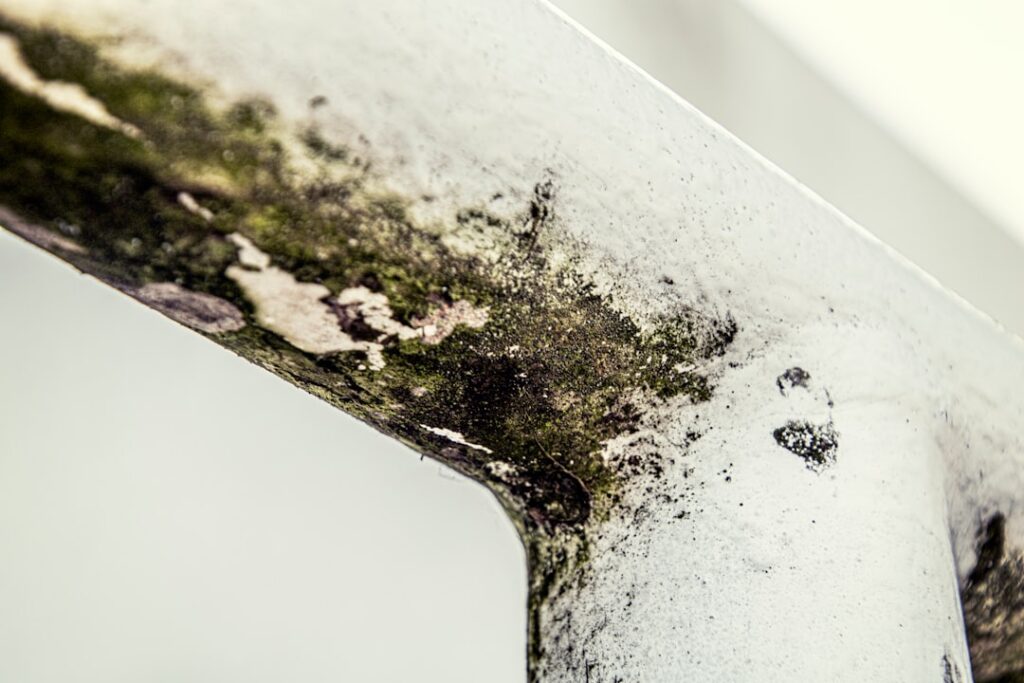
The phrase “toxic mold” gets used loosely in marketing materials, news headlines, and homeowner forums. Every mold can cause health problems in someone, and even the species most often called “toxic” rarely match the catastrophic illness pictures sometimes attached to them. Understanding what actually separates a mycotoxin-producing species from a routine allergenic mold helps homeowners make better decisions about cleanup scope, professional involvement, and which symptoms to bring to a doctor. This guide summarizes EPA and CDC guidance current as of 2026 — consult a certified mold inspector for testing decisions and your physician for symptom evaluation.
Part of our Black Mold & Your Health guide — start there for the full picture →
Is this mold, asbestos, or water damage? Get a free instant screen
Upload a clear photo of the suspect area. You'll get an instant AI screening opinion and what to do next. This is screening guidance, not a professional determination.
Screening guidance only. AI can be wrong. Confirm asbestos, mold type, or lead with lab testing or a licensed professional before acting.
Toxic Mold vs Regular Mold: The Honest Distinction
The functional distinction is whether the species in question produces mycotoxins — secondary metabolites that can cause harm beyond simple allergic or irritant responses. The “toxic” label gets applied loosely, but the species most commonly cited in the category are Stachybotrys chartarum, certain strains of Aspergillus (especially A. flavus, which produces aflatoxins), certain Penicillium species, Chaetomium, Acremonium, and Fusarium. “Regular mold” in common usage refers to the much larger group of allergenic species — Cladosporium, most Aspergillus, most Penicillium, Alternaria — that cause hay-fever-type symptoms and asthma reactions but are not typically classified as mycotoxin producers in indoor residential concentrations.
The CDC and the Institute of Medicine have both noted that exposure to damp indoor environments is associated with respiratory symptoms, asthma development in children, and asthma exacerbation in adults, regardless of which specific species is present. The case for severe systemic illness caused specifically by indoor mycotoxin exposure in residential homes — sometimes called “mycotoxin illness” or “mold illness” in alternative-medicine circles — is contested within mainstream public health, with the CDC stating that the causal relationship is not well established by current research.
What Makes a Mold “Toxic”
Mycotoxin production is a feature of certain species under certain growth conditions. The same Stachybotrys colony may produce trichothecene mycotoxins on a saturated drywall substrate and very little on a different substrate at lower water activity. Aflatoxins from Aspergillus flavus are well documented in stored grain — the agricultural context where they were first recognized — and the residential exposure picture is less clear. Mycotoxins are not airborne in the same way spores are; they’re typically bound to spore and hyphal fragments rather than free-floating in air. Exposure pathways include inhalation of contaminated dust, dermal contact with growth, and incidental ingestion.
What this means for homeowners: a “toxic mold” diagnosis doesn’t automatically mean catastrophic exposure. It means the species detected has the biological capacity to produce harmful compounds under the right conditions. The remediation approach is more conservative because of that capacity, not because every exposure produces severe illness.
The Common Toxic and Regular Mold Species
Knowing the cast of characters helps homeowners read mold reports without panic.
Toxic Side
Stachybotrys chartarum. Slow-growing, slimy when wet, dark olive to black, requires sustained moisture on cellulose substrates. Produces macrocyclic trichothecenes. The species most often associated with the “toxic black mold” label in mainstream news.
Aspergillus flavus and A. parasiticus. Yellow-green to olive colonies, common in stored grain and rarely the dominant indoor mold in a typical home. Produces aflatoxins, which the EPA recognizes as potent contaminants in food and feed.
Chaetomium. Olive to gray colonies that grow on water-damaged cellulose; produces chaetoglobosins and other toxins. Often grows alongside Stachybotrys in chronic-moisture environments.
Acremonium. Pink, orange, or gray colonies. Slow-growing on damp building materials. Produces various toxins; clinical significance in residential exposure is less well documented than Stachybotrys.
Fusarium. Pink to red colonies on damp building materials and houseplants. Produces fumonisins and other toxins primarily of concern in agricultural settings; residential exposure picture is less clear.
Regular (Allergenic) Side
Cladosporium. The most common outdoor airborne mold globally; thrives indoors on damp surfaces. Dark olive-green to black surface colonies on shower tile, window frames, and damp drywall. Major allergen; not typically classified as a mycotoxin producer at household concentrations.
Most Aspergillus species (niger, fumigatus, versicolor). The Aspergillus genus is enormous; most species are allergenic rather than toxic. A. fumigatus is a clinical concern for immunocompromised patients (aspergillosis) but is more common in soil and compost than in homes.
Most Penicillium species. Blue-green fuzzy colonies on damp building materials and food. Many species are harmless or even useful (cheese ripening, antibiotic production). Some produce mycotoxins under specific growth conditions, but the typical indoor Penicillium colony is treated as allergenic rather than toxic.
Alternaria. Dark green-to-black colonies on damp window frames and shower curtains. Major outdoor allergen and known asthma trigger; not a notable mycotoxin producer at residential concentrations.
The Risk Profile Difference
For most healthy adults, exposure to regular allergenic molds produces hay-fever-type symptoms — runny nose, sneezing, watery eyes, sometimes throat irritation and skin rash. Asthma patients may experience flare-ups. Cleanup and moisture-source repair usually resolve symptoms within days to weeks.
For exposure to mycotoxin-producing species in sustained, high-concentration indoor environments, the symptom picture is harder to characterize because research is mixed. The CDC notes that documented mycotoxin illness has typically involved occupational exposures (grain workers, agricultural settings) rather than residential exposure. People with asthma, allergy sensitivity, immune suppression, or chronic respiratory conditions are at higher risk for stronger reactions regardless of species. The NIEHS lists exposure to damp indoor environments as an independent risk factor for asthma development in children — the most consistent finding across the research base.
The Cleanup Protocol Difference
The EPA’s cleanup guidance scales by area, substrate, and water source — not by species. But homeowners and contractors generally apply more conservative protocols when toxic-species growth is suspected.
Regular Mold Cleanup
For surface mildew under 10 square feet on non-porous substrates, the EPA approves homeowner cleanup with detergent and water or diluted bleach, basic PPE (gloves, N95 mask), and adequate ventilation. The goal is removal of the visible growth and correction of the moisture source.
Suspected Toxic Mold Cleanup
Larger areas of suspected toxic-species growth get a more conservative approach. The EPA’s guidance for mold remediation in schools and commercial buildings, which is widely applied to residential events, includes containment (plastic sheeting and negative air pressure), HEPA-filtered air scrubbers running during work, removal of porous affected materials rather than surface cleaning, double-bagging of debris, and post-remediation verification testing. Cleanup workers wear full-face respirators with P100 cartridges, disposable coveralls, and gloves.
Why the Protocol Gap Matters
Aggressive cleanup of suspected Stachybotrys growth using simple detergent and a kitchen sponge can aerosolize spores and mycotoxin-bearing hyphal fragments, exposing the cleaner more than the original passive exposure did. The protocol gap isn’t bureaucratic — it reflects real differences in how the cleanup process itself can either contain or amplify exposure.
How Inspectors Distinguish Them
Visual ID is unreliable for distinguishing toxic from allergenic species. Cladosporium and Stachybotrys can both look black-to-olive in active growth. The credentialed mold inspectors who work residential jobs use three sampling approaches.
Tape lift or surface swab samples a visible patch. The lab examines the sample microscopically and identifies dominant species. Best for confirming what’s growing in a visible location.
Air spore-trap sample captures airborne particles over a short collection period. The lab counts spore types and concentrations. Indoor counts compared against an outdoor control identify which species are amplified indoors versus naturally present from outdoor air.
ERMI dust sample analyzes settled dust DNA across dozens of species. The EPA developed ERMI as a research tool and has explicitly said it isn’t endorsed for individual residential diagnosis, though some inspectors and physicians use it as part of broader investigations.
None of these tests measures mycotoxin concentration directly. Mycotoxin testing exists but is expensive, not standardized for residential use, and rarely changes the remediation decision — which the EPA frames as “find the moisture, remove the visible growth, clean the affected area” regardless of species.
Health Symptoms: When to See a Doctor
Symptoms that warrant medical evaluation, with or without a confirmed species ID: persistent cough, wheezing, shortness of breath, sinus congestion lasting weeks, fatigue that doesn’t resolve with rest, headache patterns tied to home environment, sleep disturbance, and new-onset asthma or asthma exacerbation. The CDC encourages anyone with these symptoms in a damp or visibly moldy home to see a primary care doctor or allergist. Specific IgE testing can identify mold allergens triggering symptoms.
Direct-to-consumer mycotoxin urine panels marketed by some alternative-medicine clinics are controversial within mainstream medicine. The CDC has not endorsed them for routine diagnosis, and the methodology debate around what the panels are actually measuring is ongoing. A symptomatic homeowner is generally better served by an established allergist and primary care workup than by interpretation of a mycotoxin urine panel result.
Cost Difference: Cleanup of Each
A small bathroom surface mildew job costs nothing more than a $5 spray bottle and a homeowner’s hour. A professional inspection with sampling for suspected toxic-species growth typically runs $300 to $800 in Front Range counties. Full remediation of a wall-cavity Stachybotrys event with containment and material removal commonly lands between $2,000 and $6,000 for a single affected room, and considerably more for whole-house events. Insurance coverage varies by policy and by whether the moisture source is “sudden and accidental” (more likely covered) or “gradual” (typically excluded).
Real-World Scenarios Side by Side
Two contrasting examples make the difference concrete. In the first, an Arvada homeowner notices dark Cladosporium growth on the bottom edge of a bedroom window frame after a wet spring. Cleanup with detergent and water, plus running the bedroom ceiling fan to improve air movement, resolves the patch within an hour and prevents recurrence. That is regular mold — surface-level, easily cleaned, no professional involvement needed.
In the second, a Highlands Ranch homeowner discovers a sustained-wet drywall section behind a built-in bookcase that had been hiding a slow plumbing leak for about six weeks. The visible drywall is soft, spongy, and shows extensive dark slimy growth. The homeowner has been experiencing persistent sinus symptoms that improve when traveling for work. A subsequent sample identifies Stachybotrys and Chaetomium. Cleanup requires a licensed remediator with containment, HEPA scrubbers, removal of the affected drywall and insulation, and a separate plumbing repair. That scenario fits the toxic-mold profile — and the more conservative protocol is appropriate even before symptoms are formally tied to the exposure.
When to Hire a Professional
Three scenarios escalate from DIY to professional involvement. First, any visible growth larger than 10 square feet regardless of species. Second, growth tied to a sustained or unknown water source — by the time the species is identifiable, the underlying problem has often grown beyond DIY scope. Third, occupant symptoms that improve when people leave the home and return on return — the strongest behavioral signal that something indoors is contributing to health complaints.
For broader context on inspector selection, see the mold inspection and testing hub. The companion normal mold vs black mold guide provides a homeowner decision tree, and the black mold vs other mold article goes deeper into species ID.
Prevention Applies to Both
The prevention strategy is the same regardless of species risk: control moisture aggressively. Keep indoor humidity below 60 percent. Vent bathrooms and laundry rooms to exterior air. Fix plumbing leaks within 48 hours. Inspect for hidden moisture quarterly in the high-risk locations — under sinks, behind appliances, along basement walls, around windows, near roof penetrations. Damp materials dried within 24 to 48 hours rarely produce significant mold growth. Damp materials left wet for a week almost always do.
The 48-Hour Rule
The EPA’s published 24-to-48-hour drying window is the single most important number a homeowner can remember for mold prevention. After a water event — burst pipe, sewer backup, dishwasher overflow, ice-dam leak, basement seepage — drying must begin immediately. Wet carpet, soaked carpet padding, saturated drywall, and damp insulation become viable mold platforms within days. Front Range homes with finished basements are especially vulnerable to spring snowmelt events that can flood floors and saturate pad in hours.
Practical mitigation looks like fans (axial or centrifugal), commercial-grade dehumidifiers, and removal of irrecoverably saturated materials. Carpet pad usually cannot be dried in place after a sustained soak and is the most common item discarded after a water event. Insurance generally covers reasonable mitigation costs separately from the main claim, so homeowners shouldn’t wait for an adjuster before starting to dry.
What the Lab Report Actually Tells You
A mold sample report typically lists dominant genera and approximate counts. Reading the report well prevents both panic and complacency. Stachybotrys, Chaetomium, and certain Aspergillus species showing in indoor samples but not in the outdoor control suggest amplified indoor sources of those species. High Cladosporium counts indoor and outdoor are normal seasonal background — Cladosporium is one of the most abundant outdoor airborne genera globally and shows up in nearly every indoor sample. Reports should be reviewed with the inspector who collected the samples, not interpreted alone.
Spore counts are often reported in spores per cubic meter of air. There are no federal regulatory thresholds for indoor mold concentrations the way there are for radon or lead — the EPA has declined to set numerical exposure limits because the underlying research base does not support a single safe-versus-unsafe number. The interpretive framework is comparative: indoor versus outdoor, room versus room, species mix versus typical outdoor mix. A good inspector explains the comparative reading rather than declaring a single number “high” or “safe.”
More Questions About Toxic and Regular Mold
Is mold on food the same as mold in a house?
Some molds that grow on food, such as Penicillium and Aspergillus, also grow in houses, but food and house mold problems are handled very differently. Moldy food is discarded, while house mold requires fixing moisture and cleaning or removing materials.
Certain food molds can produce mycotoxins, which is why food safety guidance recommends discarding most moldy soft foods. House mold growth on drywall or wood is an indoor air and building concern rather than an ingestion issue. Neither can be judged safe by color alone.
Can you smell the difference between toxic and regular mold?
No, the smell cannot distinguish toxic mold from regular mold. Both can produce musty odors from microbial volatile organic compounds released during growth. The strength of the smell reflects the amount of active growth and moisture, not the species.
A persistent musty smell is still useful as a warning sign, since it often points to hidden growth behind walls, under floors or in ductwork. Use the smell as a reason to look for moisture, not as a way to identify the type of mold.
Does killing mold make it safe?
No, killing mold does not make it safe, because dead mold spores and fragments can still cause allergic reactions and irritation. Bleach and biocides may kill surface mold but leave the residue behind, and they do not penetrate porous materials well.
The goal of mold cleanup is removal, not just killing. Hard surfaces are cleaned with detergent and water and dried. Porous materials with significant growth are usually removed. Fixing the moisture source prevents regrowth, which matters more than the cleaning product chosen.
Is it safe to stay in a house with mold?
Many people stay in a home with small, contained mold problems while they are cleaned, but the answer depends on the size of the problem and the occupants’ health. Infants, older adults, people with asthma, allergies or weakened immune systems may be more affected.
During larger remediation, contractors usually seal off work areas with containment and negative air pressure, and some households choose to relocate temporarily. Anyone with health concerns should ask a doctor for advice, and follow the remediation contractor’s guidance on occupancy.
References
- Brief Guide to Mold, Moisture and Your Home — U.S. Environmental Protection Agency
- About Mold, Moisture and Your Home — Centers for Disease Control and Prevention
- Mold and Health — National Institute of Environmental Health Sciences
- Mold Remediation Guidance — U.S. Environmental Protection Agency
Frequently asked questions
Is all black mold toxic?
No. Many dark molds are Cladosporium or Aspergillus species that are allergenic but not classified as toxic mycotoxin producers in typical indoor concentrations. The species most often labeled 'toxic black mold' is Stachybotrys chartarum, which is biologically capable of producing trichothecene mycotoxins but is rare in casual bathroom mildew.
Does testing for toxic mold change the cleanup approach?
It can, but the EPA's general guidance scales cleanup by area, substrate, and water source rather than by species. For larger areas or porous materials, professional remediation with containment is recommended regardless of species ID. Testing is most useful when occupants are symptomatic or in legal or insurance contexts.
Can a healthy adult get sick from toxic mold in a house?
The research is mixed. The CDC has stated that the causal link between specific indoor mold species and severe systemic illness in healthy people is not well established. People with asthma, allergies, or immune suppression are at higher risk for symptoms regardless of species. Persistent symptoms warrant a medical workup.
Is mycotoxin urine testing reliable?
Direct-to-consumer mycotoxin urine panels are controversial within mainstream medicine. The CDC does not endorse them for routine diagnosis, and the methodology debate around what the panels actually measure is ongoing. Established allergist and primary care workups are generally a more reliable starting point.
Does homeowners insurance cover regular mold?
Homeowners insurance usually covers mold only when it results from a sudden, covered water event and is reported promptly. Mold from long-term leaks, humidity or neglect is typically excluded. Many policies cap mold payouts, so review the policy's mold and water damage sections.
Can mold grow in a new house?
Yes, mold can grow in a new house, especially when framing or drywall got wet during construction and was enclosed before drying. Tight new homes with poor ventilation can also trap humidity. Check that bathroom fans vent outside and humidity stays moderate.
What is the most common household mold?
Cladosporium, Penicillium and Aspergillus are among the most common household molds. They grow on damp surfaces such as window sills, bathrooms, basements and HVAC components. Most are allergenic rather than highly toxic, but all indoor growth points to moisture that should be corrected.
Homeowners along the Front Range trying to decide whether a mold patch warrants professional sampling can reach out through our contact page for a referral to a vetted local mold inspector.