Structure & Exterior: Foundations, Roofs, Siding, Windows & Drainage
The roof, foundation, siding, windows and grading form the shell that keeps water out of a house, and most expensive interior damage traces back to a failure somewhere in that shell. This hub collects our guides on home exterior repairs and structural problems for homeowners and buyers who want to sort routine maintenance from jobs that need a roofer, mason, engineer or other specialist, and to understand what a home inspector is likely to flag. A general inspection is a visual, non-invasive survey; the ASHI Standard of Practice describes what inspectors following that standard are expected to observe and report. For how inspections are scoped and booked, see the pillar guide to hiring a home inspector. Cost figures here are broad industry ranges rather than quotes.
The Colorado Front Range adds its own stresses. Hailstorms can bruise shingles and dent metal, parts of the region sit on expansive clay soils that swell and shrink with moisture, repeated freeze-thaw cycles work water into concrete and masonry, and strong high-altitude sun tends to wear down paint, stain and sealants faster than in many lower, cloudier climates. None of these guarantee a problem, but they shape what local inspectors look for.
Roofs & gutters
Hail is the headline risk. Our guide to spotting hail damage on a roof explains bruised shingles, granule loss and how claims usually work, and the roof replacement cost guide covers materials, deductibles and timing. Homeowners weighing an upgrade can compare standing seam and panel options and impact ratings in the metal roof cost guide. Beneath the shingles, the roof underlayment guide covers felt, synthetic and ice barrier products, and the drip edge guide explains why that small strip protects the deck and fascia.
Most leaks start at transitions rather than open field shingles. The roof flashing guide covers step, counter and pipe flashing failures, while the skylight leak guide and the chimney crown repair guide address two of the most common penetrations. When water is already coming through, start with finding the source of a roof leak; walking a steep or icy roof is a job for a roofer rather than a homeowner.
Gutters are where DIY makes the most sense. Seasonal gutter cleaning from a stable ladder, adding downspout extensions that discharge several feet from the foundation and resealing small seams covered in the gutter repair guide are all reasonable weekend tasks. Whether gutter guards pay off depends on tree cover, and full runs are usually priced per linear foot, as the gutter installation cost guide explains. Overflowing gutters often rot the trim behind them, which the soffit and fascia repair guide covers.
What inspectors flag: hail bruising, lifted or missing shingles, exposed nail heads, deteriorated flashing, gutters draining at the foundation and roofs near the end of their expected life, often with a referral to a qualified roofer.
Foundations, floors & walls
Cracks worry buyers more than almost anything else, but many are cosmetic. The foundation cracks guide explains which patterns are usually shrinkage and which (wide, offset, stair-step or horizontal cracks) call for an engineer. The basement floor cracks guide covers slab shrinkage and heave, which matters in expansive soil areas, and the foundation settlement guide and foundation wall repair guide compare piers, wall anchors, bracing and drainage fixes. These repairs are almost always contractor work, and a structural engineer’s opinion first helps keep the scope honest.
Inside, symptoms of movement and moisture overlap. The wall cracks guide separates taped-joint cracks from warning signs such as diagonal cracks at door corners, and nail pops in drywall are usually seasonal framing movement. Patching both is reasonable DIY using the drywall repair guide, once the cause is understood. A ceiling water stain needs its source found before any paint goes on.
Floors tell a similar story. The floor leveling guide covers sloping floors and when self-leveler is enough, the subfloor repair guide deals with soft spots near toilets and tubs, and the hardwood floor water damage guide explains cupping and drying. The EPA notes that drying wet materials within 24 to 48 hours of a leak usually prevents mold growth (EPA, A Brief Guide to Mold, Moisture and Your Home). In the garage, the garage floor epoxy guide stresses moisture testing before coating. Masonry needs care too: brick repointing with the wrong mortar can damage softer older brick.
What inspectors flag: displaced or horizontal foundation cracks, bowing walls, sloped floors, efflorescence, active stains and soft subfloor. Many recommend evaluation by a structural engineer rather than a repair contractor first.
Siding, windows & doors
Siding is the main rain screen. The siding replacement cost guide compares vinyl, fiber cement and wood, and the Hardie board siding guide covers fiber cement’s hail and fire resistance along with its installation details. The stucco repair guide explains hairline cracks versus water intrusion, which may need moisture probing to confirm. Small areas of soft trim can often be consolidated and filled, as the wood rot repair guide describes, but rot that reaches sheathing or framing is contractor territory.
Windows age visibly. Fogging between panes means a failed seal, and the window seal repair guide covers defogging, glass-only replacement and full replacement, while the window replacement cost guide compares vinyl, wood and labor. Below grade, basement bedrooms need a code-compliant emergency exit, covered in the egress window installation cost guide, and the window well guide explains covers, drainage and egress clearances.
Doors tie the shell together. A sticking door can signal swollen wood or foundation movement, which the door frame repair guide helps diagnose. Replacement pricing is covered in the exterior door replacement cost guide and the sliding glass door replacement cost guide, and the storm door installation guide is a manageable DIY project for many homeowners. Garage door springs are not: torsion springs store enough energy to cause serious injury, which is why the garage door spring repair guide recommends a trained technician.
What inspectors flag: missing caulk and flashing at openings, rot at sills and trim, failed glazing seals, undersized basement egress, and garage doors that do not reverse when they meet an obstruction.
Decks, concrete & drainage
Water management around the foundation is often the cheapest structural repair. The yard drainage guide covers regrading, swales and French drains, and the EPA’s mold guidance advises keeping the ground sloped away from the foundation and gutters clean and repaired. Sunken walks and patios that tip toward the house can sometimes be raised rather than replaced, as the mudjacking vs foam lifting guide explains, and the driveway cracks guide covers when to fill and when to replace. A penetrating concrete sealer may help limit freeze-thaw scaling. Leaning landscape walls are covered in the retaining wall repair guide; taller walls typically need an engineered design.
Decks take the full force of sun and snow. The deck staining guide covers prep and stain types for high-UV exposure, a common DIY job, and the stair and deck railing height guide explains code basics for guards and handrails. Homes with pools have extra barrier considerations, covered in the pool safety fence guide.
Seasonal habits protect all of this. The Colorado winterizing checklist covers hose bibs, irrigation and gutters, and anyone planning to add living space below grade should read the basement finishing cost guide, which puts moisture control and egress ahead of finishes.
What inspectors flag: negative grading, short downspouts, missing deck ledger flashing or connectors, loose or low railings, wide balusters and heaved slabs that create trip hazards.
Exterior and structural repairs at a glance
Use this table as a starting point. Costs vary widely by home size, materials, access and local labor rates.
| Area | Reasonable DIY | When to call a pro | What an inspector may flag |
|---|---|---|---|
| Roof | Ground-level visual checks after storms | Hail, leaks, flashing, any work on the roof surface | Hail bruising, worn shingles, flashing defects |
| Gutters and downspouts | Cleaning, extensions, small seam repairs | Full replacement, rotted fascia, second-story work | Overflow, downspouts draining at foundation |
| Foundation | Monitoring and sealing hairline cracks | Wide, offset or horizontal cracks, bowing walls | Displacement, efflorescence, referral to an engineer |
| Interior walls and floors | Drywall patches, nail pops, minor leveling | Soft subfloor, recurring cracks, active leaks | Stains, sloping floors, door frames out of square |
| Siding, windows, doors | Caulking, small rot repairs, storm doors | Stucco intrusion, egress windows, garage springs | Rot, failed seals, missing flashing, auto-reverse failures |
| Decks, concrete, drainage | Staining, sealing, minor regrading | Ledger or structural deck issues, retaining walls, slab lifting | Negative grading, loose railings, heaved slabs |
References
- Standard of Practice for Home Inspections — American Society of Home Inspectors
- A Brief Guide to Mold, Moisture and Your Home — U.S. Environmental Protection Agency
Frequently asked questions
Which home exterior repairs can homeowners do themselves?
Gutter cleaning, adding downspout extensions, caulking around windows and doors, patching drywall, staining decks and sealing concrete are common DIY tasks. Work on the roof surface, foundation repairs, retaining walls, egress windows and garage door springs are usually best left to qualified contractors.
When should a foundation crack be evaluated by an engineer?
Cracks that are wider than a hairline, offset so one side sits higher than the other, horizontal, stair-stepped or growing over time are commonly referred to a structural engineer. Bowing walls, sloping floors and doors that suddenly stick can also point to movement worth evaluating.
How does hail affect a home inspection on the Front Range?
Inspectors often look for bruised or cracked shingles, granule loss, dented gutters and damaged siding after hail season. Because hail damage can be subtle from the ground, a general inspector may recommend a dedicated roof evaluation, and buyers may want to ask whether an insurance claim is open.
Why does drainage matter so much for foundations?
Water that collects against a foundation can lead to leaks, damp basements and, in expansive clay soils, swelling that pushes on walls and slabs. Keeping gutters clean, extending downspouts and sloping soil away from the house are some of the least expensive ways to reduce that risk.
What exterior issues do home inspectors most often flag?
Common findings include worn or hail-damaged roofing, gutters draining at the foundation, negative grading, foundation cracks, rot at windows and trim, failed window seals, loose deck railings and missing flashing at roof and wall transitions.
Buying or maintaining a Front Range home and not sure whether a crack, leak or sagging gutter needs a specialist? Contact our team and we can point you toward qualified local inspectors and contractors.
Roofs & gutters

Best Skylight (2026): Types, Costs + What to Check

Best Gutters (2026): How to Choose Size, Style and Material
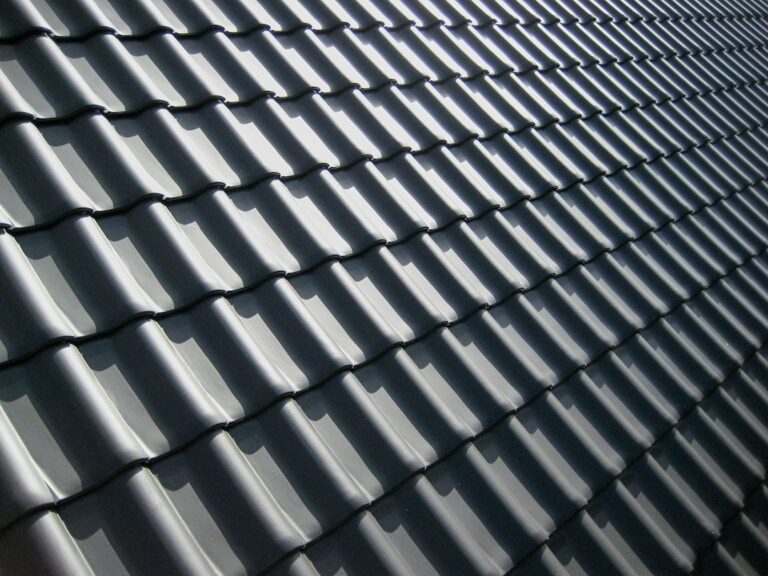
Best Metal Roofing (2026): Types, Costs + What to Check

Best Roofing Shingles (2026): How to Choose for Hail + Wind

Impact Resistant Shingles: Class 4 Ratings, Costs and Trade-Offs

What Is a Hip Roof? Framing, Types, Pros and Cons
Foundations, floors & walls

Foundation Repair Contractors: How to Choose and Vet One

Best Vacuum for Hardwood Floors (2026): 7 Picks Compared

Best Floor Cleaner (2026): 7 Picks Compared by Floor Type

Best Carpet Stain Removers (2026): 7 Picks Compared by Stain

Best Mops for Tile Floors (2026): 6 Picks for Tile and Grout

Best Mops for Laminate Floors (2026): 6 Low-Water Picks
Siding, windows & doors
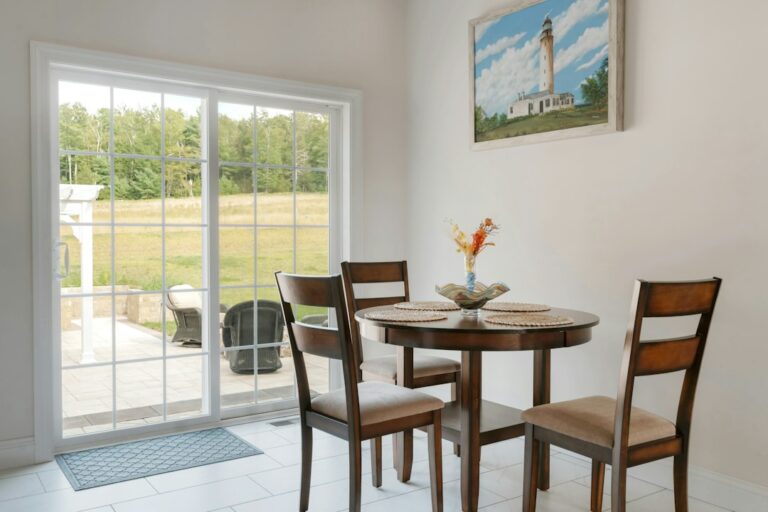
Best Patio Door (2026): How to Choose Sliding vs French

Best Garage Door (2026): Materials, Insulation + Springs

Best Vinyl Siding (2026): How to Choose Thickness + Profile

Best Storm Door (2026): How to Choose Style, Glass + Fit

Best Front Door (2026): How to Choose the Right One

Best Replacement Windows (2026): How to Choose the Right Ones
Remodels & accessibility

Best Kitchen Cabinets (2026): Construction + How to Choose

Best Countertops (2026): Materials Compared + How to Choose

Shower Remodel Cost: Refresh, Surround or Full Tear-Out

Walk In Shower Cost: Prefab vs Tile vs Curbless (2026)

Best Paint Sprayer for Cabinets (2026): 7 HVLP Picks Compared

Best Paint for Kitchen Cabinets (2026): 7 Picks Compared
Decks, concrete & drainage

Basement Flooding: What to Do Now, Causes and Prevention

Best Storage Shed (2026): 7 Metal, Resin and Wood Picks

Best Driveway Sealers (2026): 7 Asphalt and Concrete Picks

Best Fence (2026): Wood, Vinyl and Metal Compared

Best Composite Decking (2026): How to Choose Boards
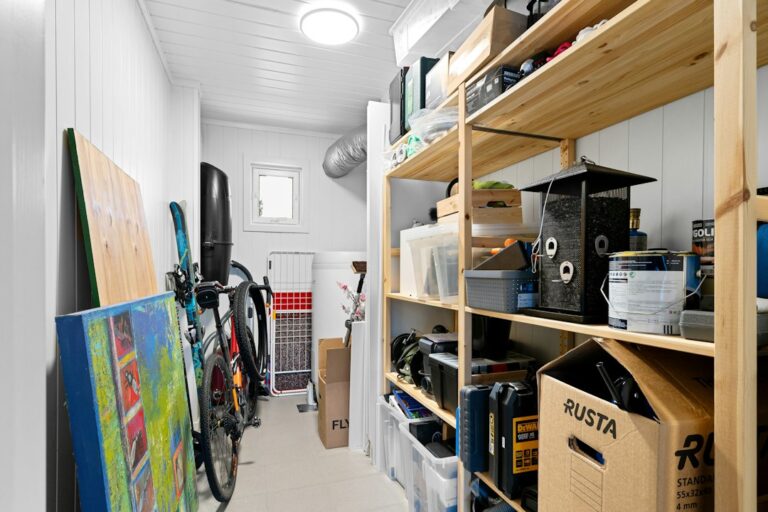
Best Garage Shelving (2026): 7 Units Compared by Load
More guides

Best Cordless Shop Vac (2026): 7 Picks Compared by Battery

Best Pool Pumps (2026): 7 Picks Compared by Pool Type
Best Spray Foam (2026): 7 Cans and Kits Compared by Job

Best Push Mowers (2026): 7 Gas, Battery and Reel Picks

Best Above Ground Pools (2026): 7 Frame Pools Compared

Best Hot Tub (2026): How to Choose a Spa That Lasts
Browse all 668 structure & exterior guides » Back to the Hiring a Home Inspector hub