Chimney Crown Repair: Cracks, Costs and Prevention
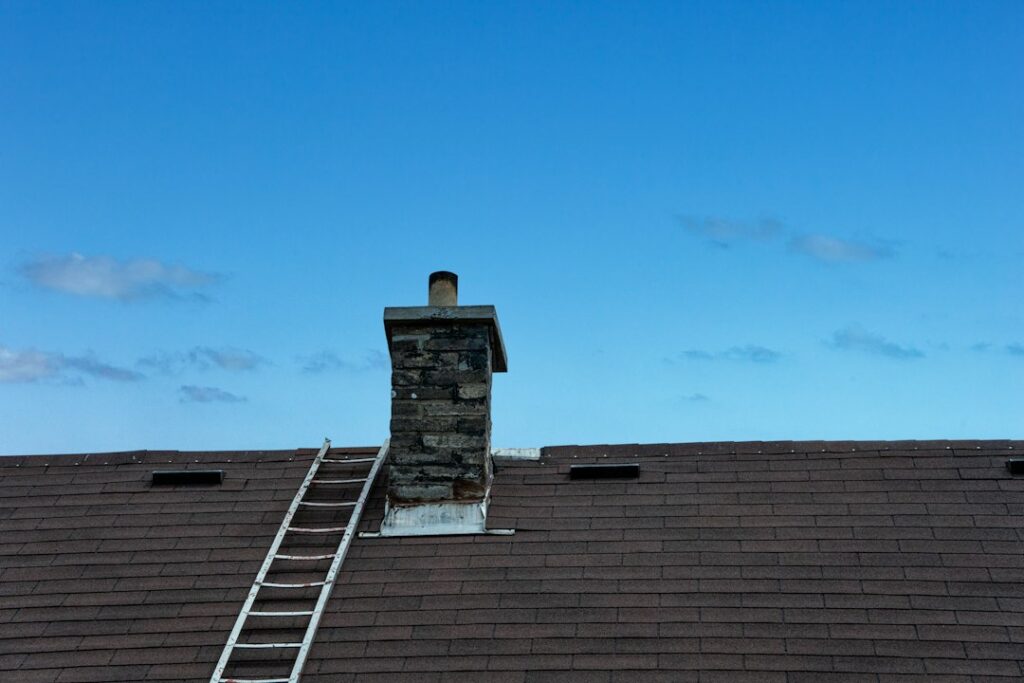
The top of a masonry chimney is one of the most weather-exposed surfaces on a house, and it is also one of the least seen. Homeowners rarely climb up to look, so a cracked crown can let water into the chimney for years before stains, crumbling brick or a damp firebox give it away. On the Colorado Front Range, where freeze-thaw cycles repeat through much of the winter, small crown cracks tend to grow quickly. This guide explains what a chimney crown does, how it differs from a chimney cap, why crowns crack, the warning signs to look for, the options for chimney crown repair from sealing to full rebuilds, how flashing and caps fit in, and what homeowners can expect to pay. Costs are general industry estimates, not quotes.
Part of our Structure & Exterior guide — start there for the full picture →
What Is Chimney Crown Repair and When Is It Needed?
Chimney crown repair is the work of fixing or replacing the concrete or mortar slab that covers the top of a masonry chimney around the flue liner. Minor hairline cracks can often be sealed with a crown repair coating for a few hundred dollars, while a crown that is broken, crumbling or built too thin usually needs to be removed and rebuilt, which commonly costs more. The repair is needed whenever cracks, gaps or deterioration allow water to get into the brickwork and chimney structure below.
The crown, sometimes called the chimney wash or chimney cement, slopes away from the flue so that rain and melting snow run off rather than soaking into the masonry. A well-built crown typically:
- Is a solid slab of concrete or a suitable mortar mix, thick enough to resist cracking.
- Slopes from the flue liner down to the edges.
- Overhangs the brick on all sides, with a drip edge or groove underneath so water drips clear of the chimney face instead of running down it.
- Has a small expansion gap or bond break around the flue liner, sealed with a flexible sealant, so the liner and crown can move independently as they heat and cool.
Crown Versus Chimney Cap
The two are often confused. The crown is the masonry or concrete cover on top of the chimney structure itself. A chimney cap is a metal hood, usually with mesh sides, that sits over the flue opening and is fastened to the flue tile or the crown. The cap keeps rain, animals and debris out of the flue and, with mesh, acts as a spark arrestor. A house can have a perfectly good cap over a badly cracked crown, and vice versa, so both need to be checked.
Why Chimney Crowns Crack
Freeze-Thaw Cycles
Concrete and mortar absorb some water. When that water freezes, it expands, and repeated cycles of freezing and thawing open tiny cracks, then widen them. Front Range winters often bring sunny afternoons that melt snow on the crown and cold nights that refreeze it, so a chimney may go through many cycles in a single season. Once a crack opens, more water enters with every storm, and the damage tends to accelerate.
Poor Original Construction
One of the most common problems is a crown that was never really a crown. Many chimneys were finished with a thin layer of ordinary mortar troweled over the top bricks, a “mortar wash.” Masonry mortar is formulated to bond bricks, not to serve as a weather cap, and a thin wash with no overhang or drip edge tends to crack and shed pieces within years. Crowns poured without an expansion gap around the flue can also crack as the flue liner expands with heat.
Thermal Movement and Settling
The flue liner heats up during fires while the crown stays at outdoor temperature, so the two materials move at different rates. Chimneys can also shift slightly with foundation movement, and a cracked crown is sometimes a symptom rather than the root cause. Large cracks running down the chimney body, or a chimney that leans or pulls away from the house, point to structural issues beyond the crown.
Age and Weather
Even well-built crowns wear. Hail, intense ultraviolet exposure at altitude and decades of storms erode surface material. Sealants around the flue harden and pull away. Without periodic maintenance, a crown that was sound when built will eventually let water through.
Warning Signs of a Damaged Crown
Some signs are visible from the ground with binoculars; others show up inside the house. Watch for:
- Visible cracks or missing chunks on the crown, often seen in roof photos or drone images taken during an inspection.
- Spalling bricks: brick faces that flake, pop off or crumble, usually near the top of the chimney, as water freezes inside them.
- Efflorescence: white, powdery salt deposits on the brick, a sign that water is moving through the masonry and evaporating at the surface.
- Deteriorated mortar joints near the top of the chimney.
- Water in the firebox or damper area, rust on the damper or firebox components, or a musty smell from the fireplace in damp weather.
- Stains on ceilings or walls next to the chimney, or water marks on framing in the attic around the chimney chase.
- Cracked or loose flue tiles found during a chimney inspection.
Not every chimney leak comes from the crown. Failed flashing where the chimney meets the roof, porous brick, a missing cap and condensation inside the flue can produce similar symptoms. In winter, ice dams along nearby eaves can also send water under shingles close to the chimney; the guide to ice dams explains how those form. Finding the actual source is why a professional evaluation is usually the first step.
Chimney Crown Repair Options
Sealing Hairline Cracks and Coating the Crown
If the crown is structurally sound, reasonably thick and simply showing fine cracks, a chimney professional may clean it, fill cracks with a compatible patching material and apply an elastomeric crown coating or sealant. These products form a flexible, waterproof membrane that bridges small cracks and can move with the masonry. This approach can extend a crown’s life for years at modest cost, but it will not fix a crown that is crumbling, too thin or missing an overhang. Coatings also need reapplication over time, so the work should be reviewed at future inspections.
Rebuilding the Crown
When the crown is badly cracked, loose, a thin mortar wash or lacks an overhang and drip edge, rebuilding is usually recommended. The old crown is broken off, forms are built around the top of the chimney, and a new crown is cast in place, or a precast crown is set, with:
- A slope away from the flue.
- An overhang beyond the brick face with a drip edge underneath.
- A bond break or expansion joint around the flue liner, sealed with a flexible high-temperature sealant.
- Adequate thickness so the crown resists cracking.
Rebuilding takes longer, depends on weather for curing and usually requires the top courses of brick to be sound. If the top of the chimney is also deteriorated, a mason may recommend rebuilding several courses of brick above the roofline along with the crown.
Repairing the Brick and Mortar Below
A failed crown often leaves damaged masonry behind. Repointing (also called tuckpointing) replaces deteriorated mortar joints, and spalled bricks may be cut out and replaced. Some chimney professionals also apply a vapor-permeable water repellent to the brick after repairs; it should be breathable so moisture inside the masonry can still escape.
Caps, Spark Arrestors and Flashing
Chimney Caps and Spark Arrestors
A properly sized cap with mesh sides keeps rain from pouring straight down the flue, blocks birds and small animals and helps keep embers from escaping. Stainless steel and copper caps generally last longer than galvanized ones. Single-flue caps are the most affordable; multi-flue caps that cover the whole crown cost more but also shelter the crown surface. In areas with wildfire exposure, a spark arrestor screen is a sensible precaution, and some jurisdictions or insurers may have their own requirements, so homeowners should check locally. Mesh should be cleaned of creosote and debris during sweeps so it does not restrict draft.
Flashing Tie-In at the Roof
Where the chimney passes through the roof, metal flashing (typically step flashing along the sides and counter-flashing set into the mortar joints) keeps water out of the roof deck and attic. Flashing failures are among the most common sources of leaks around chimneys, and they are often mistaken for crown problems or vice versa. Flashing is usually best replaced when the roof is replaced, since new shingles and old flashing make a poor pairing. The guide to roof replacement cost covers how flashing work typically figures into roofing bids. Wide chimneys on the uphill side of a roof may also need a cricket, a small peaked structure that diverts water and snow around the chimney.
What Homeowners Can Check Safely, and When to Call a Pro
Roofs are a fall hazard, and chimney tops are usually the highest and most exposed point on a house. Most homeowners are better off checking from the ground and from inside, then leaving rooftop work to professionals with proper fall protection. Useful checks that do not require climbing include:
- Look from the ground with binoculars after a snowfall or rain. Check whether the top looks flat and sound, whether a cap is present and whether the brick near the top looks darker, flaking or streaked with white deposits.
- Inspect the firebox and damper with a flashlight when the fireplace is cold. Rust flakes, damp ash, loose mortar or water marks suggest water is entering from above.
- Check the attic around the chimney chase, where accessible, for stained framing, damp insulation or daylight around the chimney.
- Look at interior walls and ceilings beside the chimney for stains, bubbling paint or musty odors after storms.
- Keep notes and photos with dates, so a chimney professional can connect symptoms to specific weather events.
Call a chimney professional or mason when any of the following apply: the crown is visibly broken, the chimney leans or has large cracks running down its sides, bricks are falling, water appears in the firebox, or the fireplace or a wood stove is going to be used regularly and has not been inspected in the past year. Chimneys that serve gas furnaces or water heaters also deserve attention, because a damaged flue or blocked cap can affect venting.
Questions to Ask a Contractor
- Is the existing crown a true crown or a mortar wash, and is sealing realistic or is a rebuild needed?
- Will the new crown have an overhang, a drip edge and a bond break around the flue liner?
- Does the quote include a cap, and what material is it?
- Has the flashing been evaluated, and is it part of the leak?
- What warranty applies to the coating or rebuild, and does it require periodic inspection?
Weather affects scheduling. Concrete and many sealants need temperatures above a minimum to cure properly, so crown rebuilds on the Front Range are usually easiest from late spring through early fall. Temporary coatings or a cap can sometimes protect a damaged crown through winter until a rebuild is possible.
How Much Does Chimney Crown Repair Cost?
Prices vary with chimney height, roof pitch and access, crown size, materials and local labor. As rough industry estimates:
- Crack sealing and elastomeric coating: often about $200 to $800.
- Crown rebuild (cast-in-place or precast): often about $800 to $3,000 or more, higher for large or multi-flue chimneys and steep roofs.
- Chimney cap installation: roughly $150 to $800 for common single-flue caps, more for custom multi-flue or copper caps.
- Repointing or brick replacement: often several hundred to a few thousand dollars depending on the area involved.
- Flashing repair or replacement: roughly $300 to $1,500 or more, depending on roof type and whether a cricket is needed.
- Rebuilding the chimney above the roofline: can run from a few thousand to $10,000 or more for larger chimneys.
Addressing a crown early is almost always cheaper than waiting. Water damage that reaches the flue liner, damper, firebox, roof framing or interior finishes can multiply the cost of what began as a small crack. When comparing bids, ask whether the price includes a cap, flue sealant, brick repairs and cleanup, and whether the work comes with any warranty.
Prevention: Annual Inspection and Sweeping
The NFPA, which publishes NFPA 211, its standard covering chimneys, fireplaces, vents and solid fuel-burning appliances, advises in its home heating safety guidance that heating equipment and chimneys be cleaned and inspected every year by a qualified professional. The U.S. Fire Administration gives similar advice. An annual inspection is the natural moment to catch crown cracks while they are still small, check the cap and flashing, and look for creosote buildup in the flue. Many homeowners schedule it in late summer or early fall, before the first fires of the heating season.
The guide to chimney inspection explains the different inspection levels and when a camera inspection of the flue is warranted, and the guide to chimney sweep cost covers what a sweep typically includes and charges. Pairing the two often saves a service call.
What a Home Inspection Covers
Buyers should know the limits of a general home inspection. The ASHI Standard of Practice lists chimneys among the roofing items an inspector inspects, but it does not require inspectors to inspect the interiors of flues and chimneys that are not readily accessible. Inspectors may also view the crown only from the ground or a ladder at the eaves if the roof is too steep, high or icy to walk. When a general inspection notes efflorescence, spalling, a missing cap or a questionable crown, a follow-up evaluation by a chimney professional is the logical next step. The specialty inspections guide explains how to add that kind of follow-up during a contingency period, and the main home inspector hiring guide covers how to scope the general inspection itself.
More Questions About Chimney Crown Repair
How long does a chimney crown last?
A properly built chimney crown typically lasts many decades, while a thin mortar wash crown can start cracking within a few years. Lifespan depends on construction quality, the materials used, and how many freeze-thaw cycles the chimney faces each winter.
Crowns cast from concrete with an overhang, a drip edge, and a bond break around the flue tile last the longest. Applying an elastomeric crown coating when hairline cracks first appear can extend life considerably. Annual chimney inspections catch small cracks before water reaches the brick and flue.
Does homeowners insurance cover chimney crown repair?
Homeowners insurance usually does not cover chimney crown repair caused by age, weathering, or freeze-thaw cracking, because those are maintenance issues. Damage from a sudden covered event, such as a lightning strike, falling tree, or hail, may be covered depending on the policy.
Interior water damage resulting from a crown leak is sometimes covered while the crown itself is not. Documenting the damage with photos and having a chimney professional describe the cause in writing helps with any claim. Reviewing the policy’s exclusions for wear and tear clarifies coverage.
What happens if a cracked chimney crown is not repaired?
Leaving a cracked chimney crown unrepaired lets water seep into the chimney structure, which typically leads to spalling bricks, crumbling mortar, damaged flue tiles, and rusted dampers over time. Each freeze widens the cracks, so repairs grow more expensive the longer they wait.
Water inside the chimney can also cause interior leaks, stained ceilings, and musty odors near the fireplace. Damaged flue tiles affect safe venting of smoke and gas appliance exhaust. Sealing hairline cracks early costs far less than rebuilding the crown and upper chimney later.
What is a chimney crown made of?
A chimney crown is typically made of concrete or a mortar-based mix cast over the top of the masonry chimney, surrounding the flue tile. The best crowns use a proper concrete mix, are several inches thick, slope away from the flue, and overhang the brick with a drip edge.
Many older crowns were made from ordinary mortar troweled thin, which is not designed for this exposure and cracks quickly. Some contractors install precast concrete or stone crowns. A flexible sealant or bond break between the crown and flue tile allows movement without cracking.
References
- Heating Safety Tips and Resources — National Fire Protection Association
- NFPA 211: Standard for Chimneys, Fireplaces, Vents, and Solid Fuel-Burning Appliances — National Fire Protection Association
- Heating Fire Safety — U.S. Fire Administration
- ASHI Standard of Practice for Home Inspections — American Society of Home Inspectors
Frequently asked questions
How much does chimney crown repair cost?
As rough estimates, sealing hairline cracks with an elastomeric coating often costs about $200 to $800, while rebuilding a crown commonly runs about $800 to $3,000 or more. Height, roof pitch, chimney size and any brick or flashing repairs affect the total.
What is the difference between a chimney crown and a chimney cap?
The crown is the concrete or mortar slab covering the top of the chimney structure. The cap is a metal cover over the flue opening that keeps out rain, animals and debris and often acts as a spark arrestor. Both help keep water out.
Can a cracked chimney crown be sealed instead of replaced?
Hairline cracks in an otherwise sound, adequately thick crown can often be sealed with a crown repair coating. Crowns that are crumbling, very thin, a simple mortar wash or lacking an overhang usually need to be rebuilt.
How often should a chimney be inspected?
NFPA's heating safety guidance recommends having chimneys cleaned and inspected every year by a qualified professional. Annual inspections are a good time to catch crown cracks, cap problems and flashing issues early.
Why do chimney crowns crack so often in Colorado?
Frequent freeze-thaw cycles let absorbed water freeze and expand repeatedly, widening small cracks. Crowns built as thin mortar washes without an overhang or expansion gap are especially vulnerable.
Can a chimney crown be repaired in winter?
Minor chimney crown sealing can sometimes be done in winter on dry days above the product's minimum application temperature, but most crown rebuilds wait for warmer weather. Concrete and coatings need time to cure without freezing. Temporary covers can limit water entry until spring.
Will chimney crown repair stop a chimney leak?
Chimney crown repair stops leaks that come through a cracked crown, but chimney leaks also come from failed flashing, a missing cap, or porous brick. A chimney professional should trace the water path, since repairing only the crown may leave the actual leak source untouched.
Is a crown coating the same as a chimney waterproofing sealer?
No, a crown coating is a thick elastomeric product designed to bridge cracks on the horizontal crown surface, while a waterproofing sealer is a thin, breathable repellent applied to the vertical brick. Both help keep water out, but they are different products for different surfaces.
Seeing stains by the fireplace or flaking brick on a chimney at a home you are buying along the Front Range? Contact us and we can point you to a local inspector who will flag crown, cap and flashing concerns before closing.