Chimney Repair Cost: Typical Prices by Repair and Quote Tips
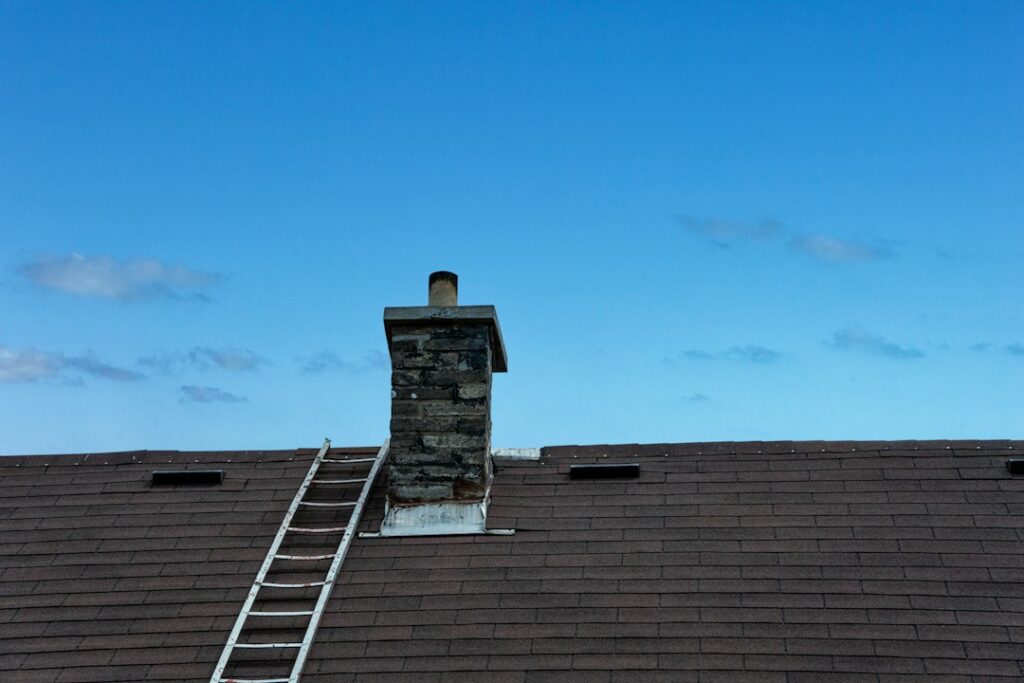
Chimney repair cost ranges from a couple of hundred dollars for a new cap or a crown sealant to several thousand dollars for a stainless steel liner or rebuilding the top of a masonry chimney, and full rebuilds can reach well into five figures. For most homeowners holding a quote after an inspection or a sweep, the common jobs, such as crown repair, flashing, tuckpointing and relining, land somewhere between a few hundred and roughly six thousand dollars. This guide gives typical national ranges by repair type, explains what drives the price, sets out repair-versus-rebuild logic, shows how to read a quote and covers the Front Range conditions that are hard on chimneys. Figures are typical ranges as of 2026, not quotes, so compare written local bids.
Part of our Structure & Exterior guide — start there for the full picture →
Typical Chimney Repair Cost by Repair Type
Chimney work is usually priced per job, with liners priced by length and size and masonry work priced by the amount of brick and mortar involved. The table below gives broad ranges for the most common repairs.
| Repair | What is involved | Typical national range, 2026 (get local quotes) |
|---|---|---|
| Chimney cap install or replacement | Metal cap with spark screen over one or more flues | About $150 to $600 |
| Crown seal or patch | Crack repair and elastomeric coating on the concrete or mortar top | About $300 to $1,000 |
| Crown rebuild | Removing and recasting the crown with a proper overhang and drip edge | About $1,000 to $3,000 |
| Flashing repair or replacement | Step, counter and cricket flashing at the roof line | About $300 to $2,000 |
| Tuckpointing (repointing mortar joints) | Grinding out failed mortar and replacing it | About $500 to $3,000, depending on area |
| Masonry water repellent | Vapor-permeable sealer applied to brick | About $300 to $800 |
| Damper repair or top-sealing damper | Fixing a throat damper or installing a damper at the top of the flue | About $150 to $1,000 |
| Firebox or smoke chamber repair | Replacing cracked firebrick, parging the smoke chamber | About $500 to $3,000 |
| Flue liner (stainless steel relining) | Insulated or uninsulated stainless liner sized to the appliance | About $2,000 to $6,000 or more |
| Chase cover for a factory-built (metal) chimney | Replacing a rusted top pan on a framed chase | About $300 to $1,500 |
| Rebuild above the roofline | Taking down and relaying brick above the roof | About $2,500 to $8,000 |
| Full chimney rebuild | Rebuilding from the foundation or firebox up | About $10,000 to $25,000 or more |
Many jobs combine several items. A common pairing is a new crown, a cap and flashing repair, which together usually cost less than doing each on separate visits because the scaffolding or roof setup is shared. Before comparing prices, it helps to know what the inspection actually found. Our guide to chimney inspections explains the different inspection levels and what each one can and cannot see.
What Drives the Price of Chimney Repair
Chimney contractors base their price on labor hours at height, materials and how much of the chimney has to be opened up. These factors move a quote most.
Height, roof pitch and access
Steep roofs, two- and three-story chimneys and chimneys on the ridge require roof anchors, scaffolding or lifts. Access can account for a large share of the price, which is why bundling repairs into one visit saves money.
Masonry versus factory-built chimneys
Masonry chimneys are built from brick, block or stone with clay tile liners in many homes. Factory-built chimneys use a metal flue inside a framed chase with a metal top pan. Masonry repairs involve mortar and brick work, while factory-built systems usually involve replacing listed components, such as chase covers, caps or flue sections, with parts compatible with that system.
Liner type and flue size
Relining is one of the larger chimney expenses. The price depends on chimney height, flue size, whether the liner must be insulated and whether the flue has to be enlarged or cleared of obstructions first. Our guide to chimney liners compares clay tile, stainless steel and cast-in-place options.
Water damage
Water is the main enemy of masonry chimneys. Cracked crowns, missing caps and failed flashing let water into the brick and the house. The longer a leak runs, the more brick, mortar, roof sheathing, framing and drywall may need repair. Our guide to chimney crown repair covers why the crown is so often the starting point.
Permits and code
Liner installation, rebuilds and appliance changes often require a permit. Requirements vary, so check with your city or county building department before work begins.
Season
Fall is the busiest season for chimney companies, as homeowners prepare for heating season. Scheduling inspections and repairs in spring or summer may make it easier to compare bids without time pressure.
Repair Versus Rebuild: How Far to Go
Most chimneys can be maintained for decades with targeted repairs. These rules of thumb help frame the decision. They are rules of thumb, not standards, and a qualified chimney professional’s evaluation takes priority.
- Fix water entry first. A cap, a sound crown and good flashing are relatively inexpensive and protect everything below them.
- Repoint while bricks are sound. When mortar joints are eroded but bricks are intact, tuckpointing is usually the right move. Waiting until bricks spall and crumble moves the job toward a partial rebuild.
- Rebuild the top when damage is concentrated there. The portion above the roof takes the most weather. Leaning, loose or heavily spalled brick above the roofline is commonly taken down and relaid rather than patched.
- Reline when the flue is cracked, missing or mismatched. A damaged clay liner, an unlined flue or a flue that is the wrong size for the appliance it serves is a safety issue and usually calls for relining.
- Consider the appliance. If the fireplace is rarely used, an insert, a gas conversion or decommissioning the flue may be more cost-effective than restoring an open wood-burning fireplace. An insert sized for the existing firebox usually needs its own properly sized liner, so the two costs are often quoted together.
Why the flue liner matters for safety
A chimney does two jobs: it carries smoke and combustion gases out of the house and it keeps heat away from combustible framing. Cracked or missing liners can let heat, smoke and gases reach places they should not. EPA guidance on wood-burning installation and maintenance notes that annual inspection includes looking for chimney cracks, which can allow smoke to enter the home or expose the chimney’s components to high temperatures that may cause a fire. EPA also describes the venting system as the engine that drives the entire burning process, with sizing, height, location, protection from extreme cold and configuration all affecting performance.
Gas appliances are part of this too. CPSC notes that more than 200 people die each year from unintentional non-fire carbon monoxide poisoning associated with consumer products, with heating equipment among the top contributors, and urges a yearly professional inspection of fuel-burning heating systems, including fireplaces, wood stoves, chimneys, flues and vents. A furnace or water heater venting into an old masonry chimney deserves the same attention as a fireplace flue.
Three Common Repair Scenarios
Real quotes rarely contain a single line. These examples show how typical findings tend to add up. The totals are illustrative ranges built from the table above, not prices for any particular house.
Ceiling stain beside the chimney
A one-story ranch has a water stain on the living room ceiling next to the fireplace. The contractor finds a cracked crown, no cap and flashing that relies on roofing cement. A typical scope is a crown rebuild or a crown repair with coating, a new cap and replacement step and counter flashing. Combined, that often lands in the low to mid thousands, plus any drywall or roof sheathing repair inside.
Orphaned water heater flue
A homeowner replaces an old furnace with a high-efficiency model that vents through the side wall. The gas water heater still vents into the original masonry chimney, now alone in a flue sized for two appliances. A chimney professional may recommend a properly sized liner for the water heater. That is usually a mid-range relining job, and it is a safety item rather than a cosmetic one.
Older brick chimney before a sale
A buyer’s inspector notes eroded mortar joints, a few spalled bricks above the roofline and a damaged clay liner seen from the firebox. A camera inspection confirms cracked tiles. The repair scope might combine tuckpointing, replacing a handful of bricks and a stainless liner, which can reach the upper thousands. If the brick above the roof is loose or leaning, a rebuild of that section may be quoted instead of tuckpointing.
How to Read a Chimney Repair Quote
Chimney repair is an area where homeowners cannot easily see the problem themselves, which makes clear documentation especially important. Get two or three written quotes and compare scope before price.
Line items a solid quote should include
- The findings that justify each repair, ideally with photos or camera video of the flue
- The specific repair for each item, such as crown rebuild, flashing replacement or stainless liner
- Liner details: material, diameter, insulation and whether a new cap and top plate are included
- Square footage or brick area for tuckpointing, and whether bricks will be replaced
- Roof work: who repairs shingles around new flashing, and whether a roofer is involved
- Permit responsibility and any required inspection
- Warranty terms for workmanship and materials
- Cleanup, debris removal and protection of the roof and landscaping
Red flags worth slowing down for
- A cheap sweep followed by a large repair list. Low-priced sweeping offers are sometimes used to get on the roof and sell expensive repairs. Ask for photos and get a second opinion on major items.
- “Unsafe to use” with no evidence. A genuine safety finding should be documented with photos or video and explained in writing.
- Relining every flue by default. A furnace flue, a water heater flue and a fireplace flue have different needs. Each should be justified separately.
- Caulk or roofing cement as the main fix for flashing. Proper chimney flashing is a mechanical, two-part system. Sealant alone usually needs repeated maintenance.
- Pressure to sign the same day. Outside of an active hazard, chimney repairs can wait long enough to compare quotes.
Questions to ask
- Can you show me photos or video of each problem you found?
- Which repairs are about safety, which are about water and which are cosmetic?
- Is the liner sized for the appliance that uses this flue?
- Does the flashing repair include counter flashing set into the mortar joints?
- Who handles any roof repairs, and is that included?
- Is a permit needed for this work?
Flashing and Leaks: The Most Common Roof-Line Repair
A large share of chimney repair calls start with a ceiling stain near the fireplace. ASHI’s article on chimney flashings notes that chimney flashings are typically more complex than other types of roof flashings and are a common source of roof leaks. It explains that good chimney flashings are two-part, with base flashings secured to the roof deck and cap flashings secured to the masonry, so the roof and chimney can move relative to each other without opening a leak. It also notes that a cricket, or saddle, is typical on a chimney and is required by many authorities when the chimney is wider than 30 inches, to divert water and snow around the high side.
That two-part design is worth checking for in a quote. A repair that relies on a bead of sealant along the brick may stop a leak for a season, while properly installed step and counter flashing is designed to last as long as the roof. Our guide to chimney flashing repair explains what correct flashing looks like, and our guide to roof repair cost covers the shingle and sheathing work that sometimes goes with it.
Front Range Factors
- Freeze-thaw cycles. Water that soaks into brick, mortar or a cracked crown freezes and thaws repeatedly through a typical Front Range winter. That cycle causes spalling, crumbling mortar and widening crown cracks, and it is the main reason caps and crowns matter so much here.
- Hail. Hail can dent metal caps and chase covers and damage flashing and the surrounding roof. After a significant hailstorm, the chimney top is worth including in any roof inspection or insurance claim.
- Wind. Strong downslope winds along the foothills can loosen caps and stress tall, unsupported chimneys.
- Strong sun and dry air. High-altitude sun breaks down sealants and coatings faster, so crown coatings and water repellents may need reapplication sooner than product literature suggests.
- Older brick homes and orphaned flues. Many older Denver-area homes have masonry chimneys serving a furnace and water heater. When a furnace is replaced with a high-efficiency model that vents through the wall, the water heater may be left alone in a large flue, which can affect draft. That combination is worth a professional check.
- Burn restrictions and permits. Wood-burning rules and permit requirements vary by city and county across the metro. Check with your local building department and air quality program.
How a Home Inspection Flags Chimney Problems
A standard home inspection looks at the visible parts of the chimney, such as the exterior masonry, the crown and cap where they can be seen, the flashing, the firebox and damper. Interiors of flues that are not readily accessible are generally beyond its scope, which is why inspectors often recommend a camera inspection by a chimney professional, especially before buying a home with a wood-burning fireplace.
Common findings that lead to a referral include:
- Cracked or deteriorated crowns and missing caps
- Spalled brick, eroded mortar or a leaning chimney
- Rusted, loose or sealant-only flashing, or no cricket on a wide chimney
- Water stains on ceilings or walls near the chimney
- Cracked firebrick, a damaged damper or heavy creosote
- Gas appliance vents in old masonry chimneys with no visible liner
- Rusted chase covers on factory-built chimneys
Annual care is the best protection. The U.S. Fire Administration advises having chimneys inspected and cleaned each year by a professional, keeping anything that can burn at least 3 feet from fireplaces and wood stoves and placing ashes in a metal container with a lid at least 10 feet from the home. For routine cleaning costs, see our guide to chimney sweep cost.
When to call a chimney professional
- Smoke entering the room, or a smoke smell when the fireplace is not in use
- Water stains near the chimney or debris falling into the firebox
- Visible cracks, loose brick or a leaning chimney
- A carbon monoxide alarm activation in a home with fuel-burning appliances
- Any inspection report that recommends further evaluation of the chimney or flue
EPA’s wood-burning guidance suggests checking credentials when choosing installation and maintenance professionals, and notes that certification organizations can help homeowners find certified chimney sweeps and hearth technicians. For a broader look at how structure and exterior findings are reported, see our structure and exterior inspection hub.
References
- Fireplace and Wood Stove Safety — U.S. Fire Administration
- Heating Fire Safety — U.S. Fire Administration
- Wood-Burning Installation and Maintenance — U.S. Environmental Protection Agency
- Carbon Monoxide and Home Heating Equipment — U.S. Consumer Product Safety Commission
- Chimney Flashings — American Society of Home Inspectors
Frequently asked questions
How much does chimney repair typically cost?
Small jobs such as a new cap or crown sealing often cost a few hundred dollars. Flashing, tuckpointing and crown rebuilds commonly run from several hundred to a few thousand dollars, and stainless steel relining often costs $2,000 to $6,000 or more. These are typical national ranges, so compare written local quotes.
Is it worth repairing a chimney instead of rebuilding it?
Usually, if the bricks are sound. Fixing the cap, crown and flashing and repointing mortar is far cheaper than a rebuild. Rebuilding is generally reserved for chimneys with heavily spalled, loose or leaning brick, most often above the roofline.
How often should a chimney be inspected?
The U.S. Fire Administration advises having chimneys inspected and cleaned each year by a professional. CPSC also urges a yearly professional inspection of fuel-burning heating systems, including chimneys, flues and vents.
Why do chimneys deteriorate faster on the Colorado Front Range?
Repeated freeze-thaw cycles drive water damage in brick, mortar and crowns, while hail, wind and strong high-altitude sun wear caps, flashing and sealants. Keeping a sound cap and crown in place is the main defense.
Will a home inspector check inside the chimney flue?
A standard home inspection covers the visible parts of the chimney, fireplace and damper. Flue interiors that are not readily accessible are generally outside its scope, so inspectors often recommend a camera inspection by a chimney professional.
Buying a Front Range home with a fireplace or an older brick chimney? Contact our team to connect with a qualified local inspector before your inspection deadline.