Roof Repair Cost: What Drives Price on Front Range Roofs
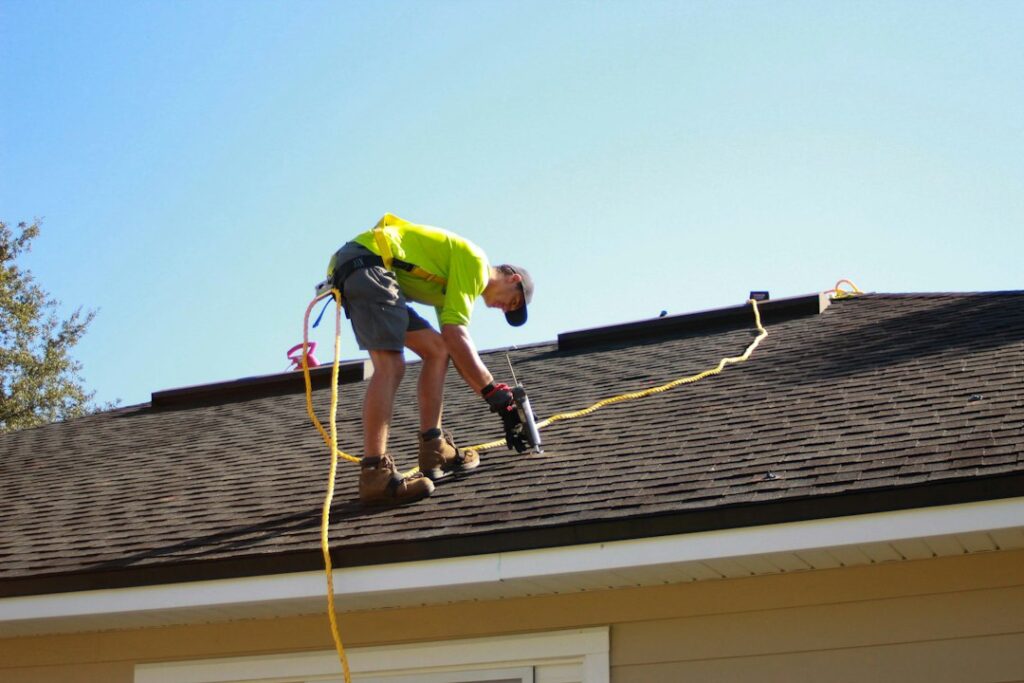
A roofing estimate can look arbitrary. One contractor quotes a few hundred dollars to fix a leak around a vent; another recommends a full replacement for the same roof. Both may be acting in good faith, because roof repair pricing depends heavily on things a homeowner cannot easily see from the ground: how steep the roof is, how hard it is to reach, what the covering is made of, whether the decking underneath has rotted and whether the existing materials can still be matched. On the Front Range, hail adds another layer, bringing insurance claims, adjusters and a seasonal wave of out-of-town contractors. This guide explains the main drivers of roof repair cost, offers general price ranges, outlines when repair stops making sense compared with replacement, describes how hail claims typically work and lists red flags to watch for when contractors knock on the door after a storm.
Part of our Structure & Exterior guide — start there for the full picture →
Roof damage or a roof replacement? Get a local roofer on the phone.
📞 Call (833) 850-2469What Roof Repair Cost Usually Includes
A roof repair quote typically bundles several components, even when it is presented as a single number:
- Labor: Usually the largest share. Roofing is physically demanding, involves fall protection and is often priced with a minimum charge for any visit.
- Materials: Replacement shingles, tiles or panels; underlayment; flashing; fasteners; vent boots; sealant.
- Tear-off and disposal: Removing damaged materials and hauling them away.
- Decking or framing repair: Often quoted as a per-sheet or per-foot allowance because the extent of damage is unknown until the roof is opened.
- Permits: Many Colorado jurisdictions require permits for reroofing and some larger repairs; requirements vary by city and county.
- Overhead and profit: Insurance, vehicles, equipment, warranty reserves and the contractor’s margin.
Because labor and setup costs are fixed whether the crew replaces one shingle or twenty, small repairs tend to cost more per square foot than large ones. Bundling several small items into one service visit often lowers the total compared with calling a roofer back repeatedly.
The Main Cost Drivers
Roof pitch and height
Steeper roofs are slower and riskier to work on. Above a certain pitch, crews typically need roof jacks, harnesses, anchors and toe boards, and they move more slowly. Two- and three-story homes add ladder work and material hoisting. OSHA’s Fall Prevention Campaign notes that falls are the leading cause of death in construction and emphasizes planning, providing the right equipment and training; the cost of doing that properly is built into what reputable contractors charge for steep or high work.
Access and site conditions
A roof over a tight side yard, a steep lot, a detached garage reached only through the house, landscaping that must be protected or a roof above a pool or deck all add time. Contractors may need to carry materials by hand or bring special equipment.
Roofing material
Material type drives both the cost of replacement parts and the skill required:
- Asphalt shingles: The most common and generally the least expensive to repair, though matching older or discontinued colors can be difficult. Our asphalt shingles guide covers types and lifespans.
- Metal: Repairs to standing seam or exposed-fastener panels require panel-specific parts and often specialized crews. Small dents may be cosmetic, while seam or fastener problems are functional. See our metal roof cost guide.
- Tile and slate: Individual pieces can break when walked on, and replacement units may be costly or hard to find. Repairs usually require experienced crews.
- Wood shakes: Labor-intensive, and some jurisdictions have fire-related restrictions.
- Low-slope membranes: Repairs depend on membrane type (modified bitumen, EPDM, TPO, built-up). See our guide to flat roof repair.
Hidden decking and framing damage
The biggest source of cost surprises is what lies below the surface. A long-term leak can rot roof sheathing, rafters or trusses, and mold may develop in the attic. Roofers commonly include a per-sheet price for replacing damaged decking in their contract, because the number of sheets is unknown until tear-off. Asking for that unit price in writing, and asking to see or photograph damaged decking before it is replaced, helps avoid disputes.
Flashing and penetrations
Many leaks start at flashing around chimneys, skylights, walls and vents rather than in the field of the roof. Replacing a pipe boot is usually a modest repair. Reflashing a chimney, particularly one that needs counterflashing cut into masonry, costs considerably more. Our guide to roof sealant explains why piling caulk on flashing usually delays rather than solves these problems, and our roof leak guide covers how leaks are traced.
Season and demand
After a widespread hailstorm, demand for roofers spikes and schedules fill quickly. Prices can rise, and lead times can stretch for weeks or months. Off-season work may be easier to schedule, though cold weather affects some materials and sealants.
General Roof Repair Cost Ranges
The ranges below are broad 2026 estimates for the Front Range and can vary widely by contractor, roof complexity, material and the condition discovered once work begins. They are a starting point for comparing quotes, not a substitute for them.
- Minor repairs such as replacing a handful of shingles, resealing exposed nails or replacing a single vent boot: often a few hundred dollars, sometimes subject to a minimum service charge.
- Moderate repairs such as replacing a section of shingles, repairing valley flashing or fixing a small leak with limited decking damage: commonly several hundred to a couple of thousand dollars.
- Major repairs such as reflashing a chimney, repairing a large section with decking replacement or addressing structural damage: can run from a couple of thousand dollars into five figures for extensive work.
- Inspection or diagnostic visits: Some roofers offer free estimates; others charge a diagnostic fee, particularly for leak tracing.
Metal, tile, slate and steep or tall roofs usually sit toward the high end of each range. Written quotes that spell out scope, materials, decking unit price, cleanup and warranty make comparisons more meaningful than headline totals.
Repair or Replace?
Repair makes sense when the roof is otherwise in good condition and the problem is localized. Replacement becomes more attractive when the damage is widespread or the roof is near the end of its service life. Factors that typically push toward replacement include:
- Age. Asphalt shingle roofs are commonly expected to last roughly two decades or more, depending on product, ventilation and exposure. In high-UV, hail-prone Colorado, many wear out sooner. Spending heavily to repair an old roof may not be cost-effective.
- Widespread damage. Granule loss across slopes, curling, cracking or hail bruising over large areas suggests systemic wear rather than an isolated defect.
- Repeated leaks. Multiple repairs in different spots over a few years often signal that the roof is failing as a system.
- Matching problems. Discontinued shingles may leave visible patches, and some insurance policies and local rules address matching differently.
- Multiple layers. Roofs with more than one layer of shingles generally need full tear-off when replaced, and repairs can be complicated.
Our guide to roof replacement cost covers what drives full reroof pricing, including impact-resistant shingle upgrades. When comparing, consider how much of the remaining life a repair will actually buy, not just the immediate price difference.
Hail Damage, Insurance and Claims
Hail is the defining roof risk for much of the Front Range. Hail damage can be subtle: bruised shingles with fractured mats, dislodged granules, dented flashing, cracked vent caps and split pipe boots. Our guide to hail damage on a roof walks through what to look for.
How claims generally work
The Consumer Financial Protection Bureau explains that homeowner’s insurance pays for losses and damage to property when something unexpected happens, and that lenders generally require it when there is a mortgage. Specific coverage for hail, deductibles, depreciation, matching and code upgrades depends entirely on the individual policy. In broad terms, many claims follow a pattern:
- Document damage with dated photos from safe vantage points, including dents on gutters, downspouts, siding and soft metals, which can show hail size.
- Contact the insurer to report the claim and ask about deadlines and the inspection process.
- An adjuster inspects the roof and issues an estimate based on the policy.
- The homeowner hires a contractor, and payments may come in stages depending on the policy and any depreciation holdback.
Deductibles on many Colorado policies are a meaningful amount, and some policies use percentage-based deductibles for wind and hail. Reading the declarations page, asking the insurer or agent questions in writing and keeping copies of all correspondence helps. Policy terms vary, so this is general information rather than advice about any specific policy.
Impact-resistant roofing
FEMA’s case study “Hail, Hail, the Roof’s Still Here” describes Oklahoma homeowners who installed Class 4 impact-resistant shingles and reported no damage after multiple hailstorms, while many neighbors with conventional roofs needed replacements. The insurer involved in that program offered premium reductions for Class 4 roofs after finding fewer claims. Programs and discounts differ by insurer and state, so homeowners replacing a hail-damaged roof often ask their own insurer whether impact-resistant products affect premiums.
Storm Chasers and Contractor Red Flags
After major hailstorms, contractors from out of state commonly arrive to canvass neighborhoods. Some are legitimate and help meet demand; others take deposits and disappear, do poor work or leave before warranty issues surface. The FTC’s guidance on avoiding home improvement scams lists tactics scammers use, including:
- Knocking on doors looking for business because they are “in the area.”
- Claiming to have leftover materials from a previous job.
- Pressuring for an immediate decision.
- Asking for payment up front or accepting only cash.
- Asking the homeowner to obtain required building permits.
- Suggesting a loan through a lender they know.
The FTC recommends considering only contractors who are licensed and insured, checking with state or local officials, getting multiple written estimates, reading the contract carefully, not paying the full amount up front and never making the final payment until the work is done to satisfaction. It also notes that a contract signed at home may carry a right to cancel within three business days.
Additional local checks
- Confirm the contractor holds any license or registration required by the city or county where the home is located; requirements differ across Front Range jurisdictions.
- Ask for a certificate of insurance sent directly from the insurer.
- Look for a local physical address and history of work in the area, which matters for warranty follow-up.
- Be cautious of any contractor who offers to “cover” or “waive” the insurance deductible; that may conflict with state law and policy terms.
- Avoid signing documents that assign insurance benefits to the contractor without understanding what that means.
Getting and Comparing Estimates
Three written estimates is a common rule of thumb, and the FTC suggests getting multiple estimates and asking for an explanation when prices differ widely. The lowest number is not automatically the best value, because quotes can differ in scope as much as in price.
What a useful estimate spells out
- The cause and the fix. “Replace cracked pipe boot and reflash” is more useful than “repair leak.” A vague scope makes it hard to tell whether the contractor diagnosed the problem.
- Materials by name. Shingle line and color, underlayment type, flashing material and gauge, and any sealant specified.
- Decking allowance. The unit price per sheet or per square foot of replacement sheathing, and how the homeowner will be notified before extra work is done.
- Permit and inspection. Who pulls the permit, if one is required, and whether the fee is included.
- Cleanup and protection. Tarping of landscaping, magnetic sweeps for nails and debris removal.
- Warranty. Length of workmanship warranty, what it covers and whether manufacturer warranties apply to repairs.
- Payment schedule. A modest deposit with the balance due on completion is common; large upfront payments are a warning sign.
Emergency repairs and tarping
When water is actively entering after a storm, a temporary tarp can limit interior damage while a permanent repair is scheduled. Emergency tarping is often billed separately and may be priced higher than routine work because of short notice and demand. Many homeowner’s policies expect reasonable steps to prevent further damage, so keeping receipts and photos of emergency work is sensible. Tarping a steep or wet roof is dangerous; it is generally a job for a contractor equipped with fall protection.
Maintenance that keeps repair bills small
Many costly repairs start as small, cheap ones. Clearing debris from valleys and gutters, keeping tree limbs trimmed back from the roof, checking pipe boots and sealant details every year or two and looking in the attic after heavy storms all help catch problems early. Adequate attic ventilation and insulation also reduce ice dam risk in winter, which can push meltwater under shingles at the eaves.
How a Home Inspection Helps
A home inspection is not a roofing estimate, but it gives buyers and owners an independent look before they talk to contractors. The ASHI Standard of Practice requires an inspector to inspect roofing materials, roof drainage systems, flashing, and skylights, chimneys and roof penetrations, and to describe the roofing materials and the method used to inspect the roof. Inspectors also commonly look in accessible attics for staining, damp sheathing and daylight that help reveal where a leak is coming from.
Inspectors do not provide repair pricing or certify remaining roof life, and they may inspect from the ground, a ladder or a drone if the roof is unsafe to walk. When a report recommends evaluation by a roofer, that is the point to gather written estimates. For buyers, those estimates often become the basis for negotiating a repair credit or price reduction before closing, so getting them during the inspection contingency period matters. Sellers sometimes order a pre-listing inspection for the same reason: knowing the roof’s condition early avoids surprises after a contract is signed. Our structure and exterior inspection guides cover the rest of the exterior envelope, and the main guide to hiring a home inspector explains what to expect from an inspection.
More Questions About Roof Repair Costs
How much does it cost to fix a small roof leak?
Fixing a small roof leak typically costs about $150 to $800, according to industry estimates. Simple repairs, such as resealing a pipe boot or replacing a few shingles, fall at the low end.
Costs rise when the leak involves flashing around a chimney or skylight, damaged decking, or a steep roof that needs extra safety equipment. Interior repairs to stained or sagging drywall, insulation, and paint are usually separate from the roofing bill and can add a few hundred dollars or more.
How much does roof flashing repair cost?
Roof flashing repair typically costs about $200 to $1,000, depending on the location and how much flashing must be replaced. Resealing or replacing a short run of step flashing sits at the lower end.
Chimney flashing, which often includes step flashing, counter flashing, and a cricket on wider chimneys, tends to cost more, especially if masonry repointing is needed. Skylight flashing kits and valley metal replacement also push costs up. Get the scope in writing so you know which flashing pieces are included.
Does roof repair cost more in winter?
Roof repair can cost more in winter because cold temperatures slow work, some sealants and shingles do not bond well below about 40 degrees, and emergency calls carry premium rates.
Snow and ice also add safety time. On the other hand, nonemergency work may be easier to schedule in the off-season, and some roofers offer better pricing. For active leaks in winter, a temporary tarp or patch followed by a permanent fix in warmer weather is common.
How much does it cost to replace a few missing shingles?
Replacing a few missing shingles typically costs about $150 to $500, based on industry estimates, with many roofers charging a minimum service fee regardless of how many shingles are involved.
Matching color can be difficult on older roofs because shingle lines change and older shingles fade. Saving leftover bundles from the original installation helps. If many shingles are blowing off, it may signal aging sealant strips or improper nailing, which can justify a broader inspection.
Does a home warranty cover roof repair?
Most standard home warranty plans do not cover roof repair, or they cover only limited leak repair as an optional add-on. Coverage usually applies to specific leaks over occupied living space, with caps on the payout.
Home warranties generally exclude storm damage, hail, missing shingles, flashing, and full replacement, which fall under homeowners insurance or the owner’s budget. Read the contract terms closely, including service fees, caps, and exclusions, before relying on a warranty for roof work.
References
- How To Avoid a Home Improvement Scam — Federal Trade Commission, Consumer Advice
- What is homeowner’s insurance? Why is homeowner’s insurance required? — Consumer Financial Protection Bureau
- Hail, Hail, the Roof’s Still Here — Federal Emergency Management Agency
- OSHA’s Fall Prevention Campaign — Occupational Safety and Health Administration
- ASHI Standard of Practice for Home Inspections — American Society of Home Inspectors
Frequently asked questions
How much does a typical roof repair cost?
Minor repairs such as replacing a few shingles or a vent boot often cost a few hundred dollars. Moderate repairs commonly run several hundred to a couple of thousand dollars, and major repairs with decking or chimney work can cost much more. These are general 2026 ranges.
Why do roof repair quotes vary so much?
Contractors may scope the job differently, price fall protection and access differently, or assume different amounts of hidden decking damage. Comparing written quotes that list materials, decking unit prices and warranties helps explain the gap.
When is roof replacement better than repair?
Replacement often makes more sense when the roof is near the end of its life, damage is widespread, leaks keep recurring or materials cannot be matched. A localized problem on an otherwise sound roof usually favors repair.
Does homeowner's insurance cover hail damage to a roof?
Many policies cover sudden damage such as hail, but deductibles, depreciation and matching rules depend on the specific policy. Review the declarations page and ask the insurer questions in writing before signing a contractor agreement.
How can I spot a storm-chaser roofing contractor?
The FTC lists warning signs such as door-to-door solicitation, pressure for an immediate decision, cash-only or full upfront payment and asking the homeowner to pull permits. Verify licensing, insurance and a local address before signing.
Does a roof repair need a permit?
Small roof repairs usually do not need a permit, but rules vary by city and county. Many jurisdictions require permits when a large share of the roof is replaced, decking is changed, or structural work is done. Check with the local building department or ask the roofing contractor, who often handles permits.
Can roof repair costs be negotiated after a home inspection?
Yes. Buyers often use roof repair findings from a home inspection to ask for repairs, a price reduction, or a seller credit. A written roofer estimate strengthens the request. Sellers may prefer a credit so buyers can choose their own contractor after closing, which also avoids rushed repairs.
How long should a roof repair last?
A properly done roof repair should last as long as the surrounding roof, often many years. Patch repairs on very old roofs may fail sooner because nearby materials keep deteriorating. Ask the roofer for a written workmanship warranty, which commonly ranges from one year to several years for repairs.
Not sure whether that roof needs a patch or a full replacement? Contact our team to connect with a Front Range inspector for an independent look at the roof and attic before you collect bids.