Crawl Space Insulation
Explore by topic
Crawl space insulation is one of the highest-return upgrades a homeowner can make, and also one of the easiest to get wrong. Done well, it lowers heating and cooling bills, keeps floors warmer underfoot, protects pipes from freezing, and helps control the moisture that leads to mold and wood rot. Done poorly, it traps water against framing and quietly feeds the exact problems it was meant to prevent. This guide explains how crawl space insulation actually works, what it costs, and how to choose the right approach for your home and climate.
The single most important idea to carry through every decision below is this: insulation and moisture control are the same project. A crawl space that stays damp will ruin fiberglass, corrode fasteners, and grow mold no matter how much R-value you add. Before insulating, the ground and air have to be dry. Everything else follows from that.
Vented or encapsulated: the first decision
Every crawl space insulation strategy falls into one of two camps. In a vented crawl space, outside air is allowed to circulate through foundation vents, and the insulation goes up against the underside of the floor, between the joists. In an encapsulated (sealed) crawl space, the vents are closed, a heavy vapor barrier covers the ground and walls, and the insulation moves to the foundation walls so the space becomes a semi-conditioned part of the house.
The industry and modern energy codes have shifted steadily toward encapsulation in humid climates, because venting warm, moist summer air into a cool crawl space often causes condensation rather than preventing it. In dry climates, a well-built vented assembly can still perform well and costs less. The right answer depends on your climate, your moisture history, and your budget. Our comparison of vented vs encapsulated crawl spaces walks through the trade-offs, and whether your crawl space needs insulation at all is worth settling first.
What crawl space insulation costs
Costs vary widely by method, crawl space size, moisture prep, and whether the work is done DIY or by a contractor. Batt insulation between floor joists is the cheapest option; full encapsulation with closed-cell spray foam sits at the top of the range. A realistic budget also has to account for fixing drainage and adding a ground vapor barrier first, since insulating over a wet floor is wasted money. Our detailed crawl space insulation cost guide breaks the numbers down by method, and if you would rather hire out the work, how to find and vet a crawl space insulation contractor covers what to ask before signing anything.
Choosing an insulation material
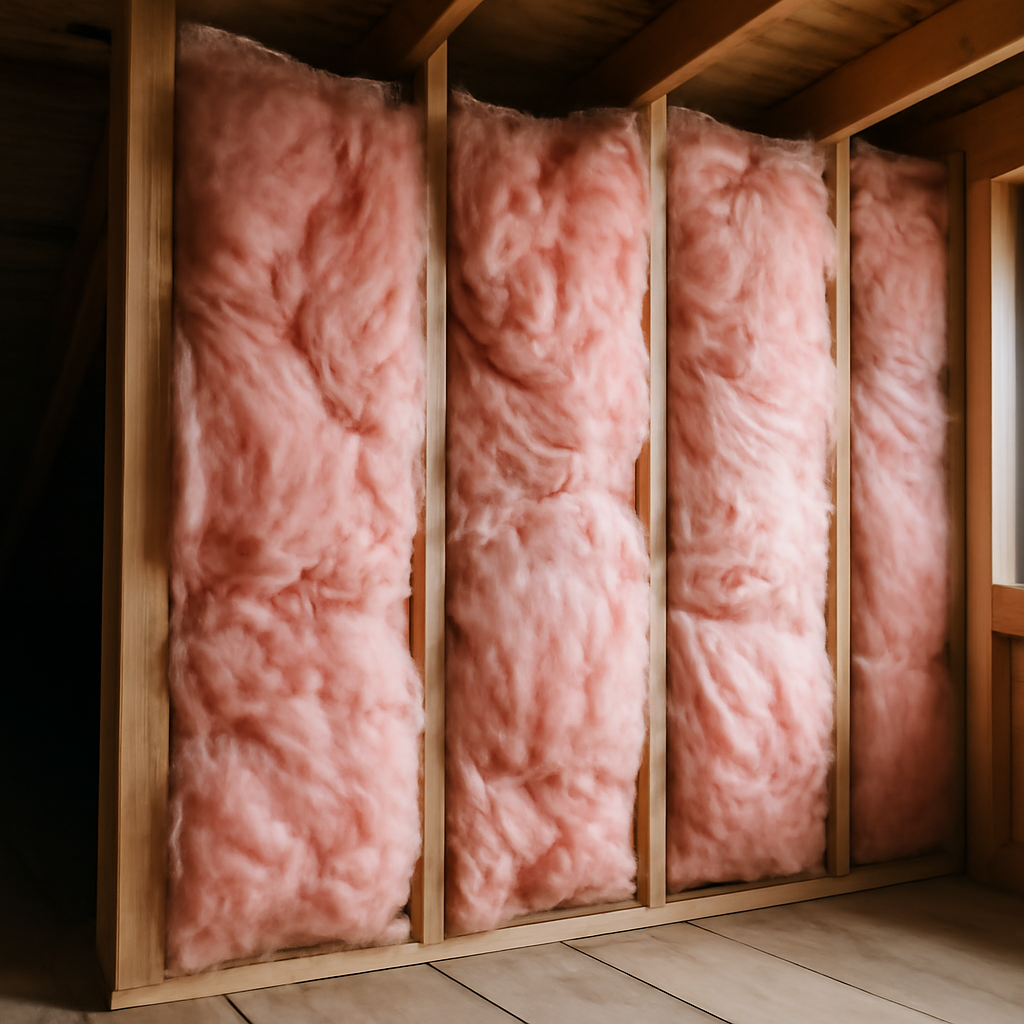
There is no single best material, only the best fit for a given assembly. Fiberglass batts are inexpensive and easy but intolerant of moisture. Rigid foam board resists water and works well on foundation walls. Closed-cell spray foam delivers the highest R-value per inch and doubles as an air and vapor barrier, at a higher price and with a professional install. Mineral wool sits in between. Compare them side by side in our guide to crawl space insulation types, see which options win by scenario in the best insulation for a crawl space, and read the full picture on spray foam insulation for crawl spaces.
Moisture, vapor barriers, and wet crawl spaces
Because moisture governs everything, the vapor barrier is not an accessory, it is the foundation of the whole system. A ground cover and, in encapsulated builds, wall coverage keep soil moisture from evaporating into the space. Understand the role it plays in our guide to crawl space vapor barriers and insulation. If your crawl space is already damp, do not insulate yet: read wet crawl space insulation first, and note that persistent moisture below the floor is a common driver of the problems covered in our mold inspection and testing resources and our overview of mold and humidity. A moisture meter is the simplest way to confirm materials are dry before you close them in.
Installing, removing, and special cases
For those doing the work themselves, our step-by-step guide to installing crawl space insulation and the focused walkthrough on insulating between floor joists cover materials, supports, and air sealing. A frequent source of confusion, which way insulation should face, is worth getting right the first time. If you are dealing with older or damaged material, removing and replacing old crawl space insulation explains how to do it safely, including when older loose-fill or pipe-wrap insulation should be tested before it is disturbed, a caution we detail in our guide to asbestos and lead in older homes. Two common special cases have their own guides: a dirt floor crawl space and a mobile or manufactured home.
Where to start
If you are early in the process, begin by confirming your crawl space is dry and deciding between a vented and an encapsulated approach. From there, pick a material that matches the assembly and your climate, and budget for the moisture work up front rather than as an afterthought. The guides linked throughout this page cover each step in depth, and a qualified local contractor can inspect your specific crawl space and recommend an approach suited to your home.
Explore all guides in this topic

Spray Foam vs Fiberglass Insulation: Cost, R-Value, Best Uses
Spray foam vs fiberglass insulation compared: typical costs, R-value per inch, air sealing, moisture, safety a…
Open vs Closed Cell Spray Foam: Differences and Cost
Open-cell vs closed cell spray foam compared: R-value, density, vapor control, best uses, typical cost per boa…

Spray Foam Insulation Cost: Open vs Closed Cell by Area
Spray foam insulation cost depends on open vs closed cell, thickness and area. Hedged 2026 ranges for attics,…

Attic Door Insulation: Sealing Hatches and Pull-Down Stairs
An attic door insulation guide covering why hatches and pull-down stairs leak, foam board, weatherstripping, c…

Attic Insulation: Types, R-Values, Costs and Mistakes
Compare attic insulation types, ENERGY STAR R-value targets for the Front Range, air sealing, and typical atti…

Attic Insulation Cost: Blown-In, Batts and Spray Foam
Compare attic insulation cost for blown-in fiberglass, cellulose, batts and spray foam, plus R-value targets,…

Best Attic Fans (2026): 6 Powered Gable and Roof Fans Compared
The best attic fan is efficient, well controlled and backed by enough intake venting. We compared 17 Amazon li…
Best Solar Attic Fans (2026): 7 Roof and Gable Fans Compared
The best solar attic fan matches panel size, airflow and controls to your roof. We compared 15 Amazon listings…

Sump Pump Replacement Cost: Typical Ranges and Cost Drivers
Sump pump replacement cost explained: typical ranges for pump swaps, new pits and battery backups, what drives…
Basement vs Crawl Space: Pros, Cons and What to Inspect
Basement vs crawl space compared: pros, cons, upkeep and what to inspect, including homes with a basement with…

Basement Waterproofing Cost: Typical Ranges by Method
Basement waterproofing cost by method: crack injection, interior drain tile and sump, exterior membranes, grad…
How Long Does a Sump Pump Last? Lifespan, Signs and Upkeep
How long does a sump pump last? Typical lifespans for submersible, pedestal and backup pumps, what wears them…

What Is a Sump Pump? How It Works, Types, Costs and Care
What is a sump pump? A plain-language guide to how sump pumps work, submersible vs pedestal types, ratings, ty…

Home Energy Audit: What It Finds, Blower Door Tests and Cost
Learn what a home energy audit includes, from blower door and infrared tests to combustion safety checks, plus…
Basement Waterproofing: Methods, Costs and What Works
Basement sealing and waterproofing explained: interior vs exterior methods, matching fixes to condensation or…

Crawl Space Foundation Repair: Piers, Beams and Moisture
Crawlspace foundation repair explained: sagging floors, rotted joists, moisture and soil causes, support posts…

Blown-In vs Batt Insulation: Cost, Coverage and Best Uses
Blown in vs batt insulation compared: typical costs, coverage, settling, DIY effort, R-value targets for Front…

Why Is My Sump Pump Running Constantly? Causes and Fixes
Why is my sump pump running constantly? Common causes are a high water table, a stuck float, a failed check va…

Pedestal vs Submersible Sump Pump: Which Should You Choose?
Pedestal vs submersible sump pump compared: pit size, noise, lifespan, switches, servicing, battery backup pai…

Garage Door Insulation: Kits vs. Insulated Doors and R-Value
Garage door insulation explained: foam and reflective kits vs. a new insulated door, what R-value really means…

Best Submersible Sump Pumps (2026): 6 Compared by Build
The best submersible sump pump comes down to housing material and float design. We compared current listings o…
Best Battery Backup Sump Pumps (2026): 7 Systems Compared
The best battery backup sump pump keeps pumping in an outage and warns you first. We compared current listings…

Best Sump Pumps (2026): 5 Picks Compared by HP and Switch
The best sump pump matches your pit inflow, lift height and switch style. We compared current listings on HP,…
Best Attic Ladder (2026): 6 Pull-Down Ladders by Load and Fit
The best attic ladder fits your rough opening, ceiling height and load. We compared 13 current Amazon attic la…