Asbestos in the Home: Testing, Materials & Removal
Asbestos is a group of natural mineral fibers that were added to hundreds of building products for fire resistance and strength. In most homes it causes no harm while it sits intact and undisturbed. The risk comes when a material is damaged, sanded, cut or torn out, because that can release fine fibers that are easy to inhale. This hub gathers our guidance on where asbestos turns up, how testing works, what removal and abatement involve, what the work tends to cost and how Colorado rules apply. Homes built before about 1980 are the most likely to contain it, so test before any renovation in an older house. For lead paint and related hazards, see our asbestos and lead pillar. This is general information, not medical or legal advice; do not disturb a suspect material until it has been tested.
Asbestos testing and removal on the Front Range
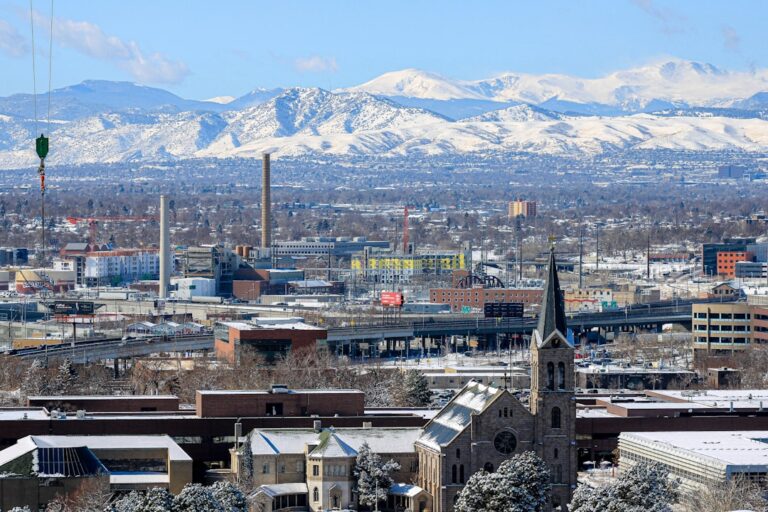
Colorado has its own rules on top of federal ones. The Colorado Department of Public Health and Environment (CDPHE) regulates asbestos during renovation and demolition, and in many situations a state-certified inspector must survey the affected materials before work starts. Thresholds, exemptions and permit steps change over time, so check current requirements with CDPHE or your contractor before planning a project. Single-family homeowners doing their own work face different rules than contractors, and demolition is treated more strictly than a small repair.
Our asbestos testing in Colorado guide explains how certified inspections work across the state, and asbestos in Colorado: CDPHE rules and building eras covers which local housing stock is most likely to be affected. To understand the credential itself, read about hiring a certified asbestos inspector. When removal is needed, asbestos abatement in Colorado walks through contractor licensing and permits. We also publish city and county pages, such as asbestos testing in Fort Collins, with notes on older neighborhoods and local disposal.
Asbestos testing and removal costs
Testing is usually the cheapest step in the process and the one that saves the most money. A lab analysis of a single bulk sample often costs tens of dollars, while a full pre-renovation survey by a certified inspector costs more because it covers every material the project will touch. Removal is priced by material, quantity, access and the containment the job requires, plus disposal at an approved landfill.
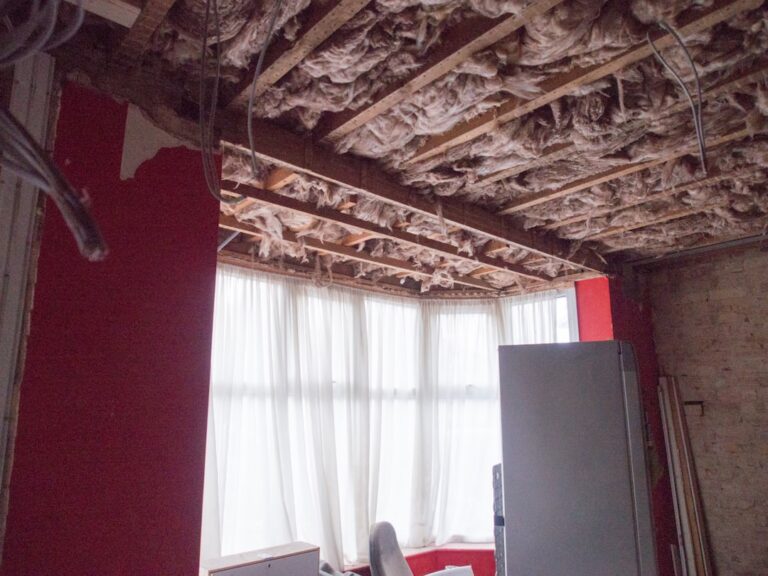
Start with asbestos testing cost to compare do-it-yourself kits, lab fees and inspector surveys. For removal, asbestos removal cost per square foot sets out typical ranges and what pushes a job higher. Flooring is one of the most common projects, covered in asbestos tile removal cost, and textured ceilings have their own guide on asbestos popcorn ceiling removal cost. If you are weighing removal against sealing a material in place, asbestos abatement cost compares the two. Treat every published figure as an estimate and get itemized written quotes that list containment, air monitoring and disposal separately.
Asbestos testing and identification
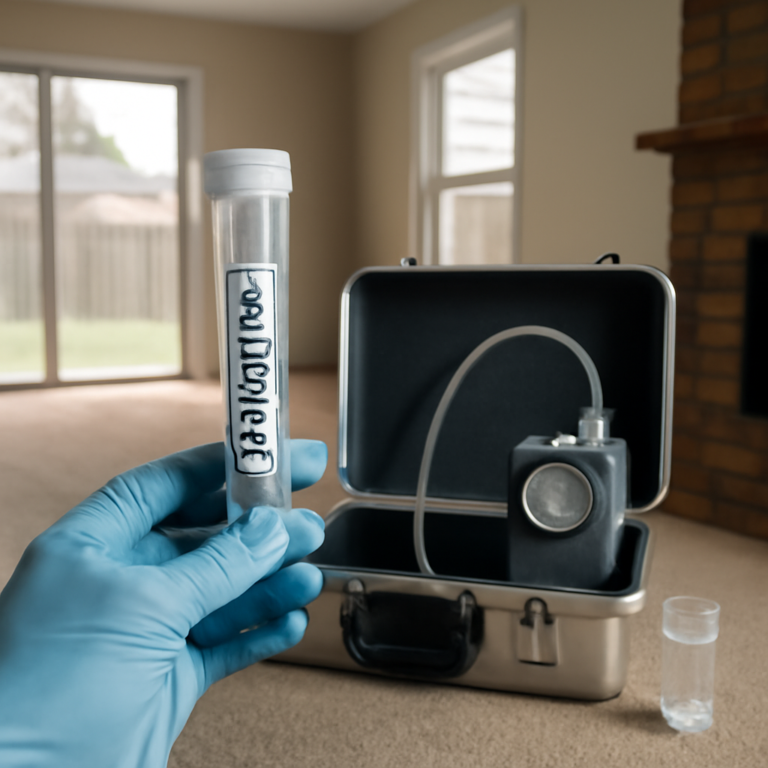
You cannot confirm asbestos by looking at it. Many asbestos products look identical to modern ones, and only a lab using polarized light microscopy (PLM) or, in some cases, transmission electron microscopy (TEM) can say for sure. The usual advice is to assume a suspect material contains asbestos until a test shows otherwise.
Our explainer on asbestos tests, PLM vs TEM covers which method fits which material. Many homeowners start with a kit; the best asbestos test kit guide compares options, and where to send samples for asbestos testing explains how to pick an accredited lab. Ceilings are the most searched case, so how to test for asbestos in a ceiling covers wetting, sealing and cleanup to limit fiber release. Taking your own sample still means disturbing the material, and some owners prefer professional asbestos testing for that reason, especially when a renovation permit requires a certified survey. Once results arrive, how to read asbestos test results explains percentages, “none detected” and what to do next.
Asbestos removal and abatement
“Abatement” covers several approaches: removal, encapsulation (sealing the surface), enclosure (covering it) and repair. Removal is not always the best choice. A material in good condition that will not be disturbed can often be left alone or sealed, which avoids the fiber release that removal itself can cause.
For a full walk-through of when removal makes sense, how containment works and how to vet a contractor, read our complete asbestos removal guide. The regulatory side is laid out in asbestos abatement: process, regulations and standards, while residential asbestos abatement follows a typical home job from setup to clearance. If sealing is an option, asbestos encapsulation explains which materials suit it and how long it lasts. Waste must be wetted, double-bagged and taken to an approved site, as how asbestos is disposed of explains. Owners asking about payment can check whether insurance covers asbestos removal; it often does only when a covered event caused the damage.
Where asbestos hides in a house
Asbestos was used in more places than most people expect. Common candidates in older homes include textured ceilings, vinyl floor tiles and their black adhesive, pipe and boiler insulation, duct tape and wrap, cement siding and roofing, plaster and some drywall joint compounds, and vermiculite attic insulation.
Our guide to popcorn ceiling asbestos explains how to tell, how to test and what to do. The asbestos ceiling tile guide covers suspended and glued tiles found in basements. Flooring often reveals itself by size, and pictures of asbestos floor tiles show the 9-by-9-inch tiles common in mid-century homes. In basements and boiler rooms, asbestos pipe wrap is one of the materials most likely to be friable and damaged. Outside, asbestos siding is generally low risk while intact but should not be power-washed, drilled or broken. In the attic, telling cellulose from asbestos insulation helps you decide whether loose-fill needs testing before anyone works in that space.
Health effects and exposure
Asbestos-related diseases, including asbestosis, lung cancer and mesothelioma, are linked mainly to heavy or repeated exposure, most often in past occupational settings. Risk rises with the amount and duration of exposure, and illness typically appears decades later. A brief, low-level exposure is far less concerning than years of work with the material, but there is no level known to be completely safe, which is why controlled handling matters.
If you are worried about a past event, how long after asbestos exposure symptoms appear explains the latency period. Asbestos exposure symptoms lists warning signs and when to see a doctor, and asbestos lung disease describes the main conditions in plain language. For a common household worry, is asbestos in the attic dangerous explains why undisturbed vermiculite is a lower risk than stirring it up. Tell your doctor about any known exposure; they can decide whether screening makes sense.
Asbestos history, types and real estate
Use of asbestos in U.S. homes peaked in the mid-twentieth century and fell sharply through the 1970s and 1980s. Some products remained legal for longer, and existing materials were never required to be removed from homes, which is why building age is a guide but not a guarantee. A house built in 1985 can still contain older stock, and remodels may have added or covered materials from different decades.
Our guide to when they stopped using asbestos covers the timeline and the bans that came and went. Flooring adhesive is a frequent surprise during remodels; read black mastic asbestos before scraping old glue. Many owners confuse old insulation types, and asbestos vs fiberglass explains how they differ. OSHA groups asbestos work by risk level, summarized in the four classes of asbestos work. Buyers and sellers should read asbestos in real estate and disclosure, since a standard home inspection notes suspect materials but does not test them.
Common asbestos materials and what to do
| Material | Era commonly used | Risk if disturbed | What to do |
|---|---|---|---|
| Popcorn or textured ceiling | About 1950s to early 1980s | Moderate to high; scraping releases fibers | Test before scraping, sanding or drilling; leave intact or hire a pro |
| 9-by-9-inch vinyl floor tiles and black mastic | About 1920s to 1980s | Low when intact; higher if sanded, ground or broken up | Cover with new flooring or test before removal |
| Pipe and boiler insulation | About 1920s to 1970s | High; often friable and crumbly | Do not touch; have a certified inspector assess and a licensed contractor repair or remove |
| Vermiculite attic insulation | About 1920s to 1990 | Moderate to high if stirred up | Leave undisturbed, avoid storage in the attic and get professional advice before work |
| Duct tape, wrap and register boots | About 1930s to 1980s | Moderate, higher where damaged | Test before HVAC replacement; seal or remove through a contractor |
| Cement siding and roofing | About 1920s to 1980s | Low when intact; higher if broken, drilled or power-washed | Leave intact, paint to protect, or remove whole panels through a pro |
| Plaster, joint compound and textured walls | About 1940s to 1980s | Moderate when sanded or demolished | Test before demolition or major wall work |
References
- Asbestos — U.S. Environmental Protection Agency
- Protect Your Family from Exposures to Asbestos — U.S. Environmental Protection Agency
- Asbestos — Occupational Safety and Health Administration
Frequently asked questions
Is asbestos dangerous if it is left alone?
Asbestos in good condition that is not disturbed generally poses little risk. The hazard comes when a material is damaged, sanded, cut or removed and releases fibers into the air. Friable materials that crumble easily, such as some pipe insulation, deserve more caution than intact tiles or siding.
How do I know if my house has asbestos?
Building age is the first clue: homes built before about 1980 are the most likely to contain asbestos products. The only way to confirm it is a lab test of a sample, either collected by a certified inspector or with a test kit that is sent to an accredited lab.
Do I need an asbestos test before renovating in Colorado?
Often, yes. CDPHE regulates asbestos during renovation and demolition, and many projects require a survey by a state-certified inspector before work begins. Rules differ for homeowners and contractors and change over time, so check current requirements with CDPHE before you start.
Should asbestos always be removed?
No. Removal is one of several options. Intact materials can often be left in place, encapsulated with a sealant or enclosed. Removal makes the most sense when the material is damaged or will be disturbed by planned work, and it should be done by a qualified contractor.
Does a home inspection test for asbestos?
A standard home inspection does not include asbestos testing. Inspectors may note materials that commonly contain asbestos, but confirming it requires separate sampling and lab analysis, usually by a certified asbestos inspector.
Planning a remodel in an older Front Range home and unsure what the walls, floors or ceilings contain? Reach out and we can connect you with a certified asbestos inspector so you have test results in hand before any work begins.
Local asbestos testing & removal
Asbestos Testing Colorado: CDPHE-Certified Inspector Guide

Asbestos Testing in Greeley, Colorado | InspectandTest

Asbestos Testing in Broomfield County, Colorado

Asbestos Testing in Weld County, Colorado

Asbestos Testing in Larimer County, CO | InspectandTest
Asbestos Testing in Douglas County, Colorado
Costs
How Much Asbestos Exposure Is Dangerous?

How Much Asbestos Exposure Is Dangerous? A Plain Guide
Asbestos Popcorn Ceiling Removal Cost: A Price Guide
Asbestos Removal Costs: 2026 Front Range Pricing Tier Guide

Asbestos Abatement Cost: What Removal and Encapsulation Actually Cost in 2026

Asbestos Testing Cost: What Homeowners Pay
Testing & identification

How to Test for Asbestos in Ceiling: Safe Sampling

Popcorn Ceiling Asbestos Testing: 2026 Homeowner Guide

Asbestos Test Results: How to Read Them and What to Do

Best Asbestos Test Kit: A 2026 Buyer’s Guide

How to Get Tested for Asbestos Exposure

Asbestos Test Kit Home Depot: What Homeowners Need to Know
Removal & abatement
How to Remove Asbestos Tile: A Plain-Language Guide
Asbestos Siding Removal: What Homeowners Need to Know
Asbestos Popcorn Ceiling Removal: What Homeowners Need to Know

Asbestos Roof Removal: What Homeowners Need to Know

Residential Asbestos Abatement: Process, Containment, and Cost

Removing Asbestos: What Homeowners Need to Know
Where asbestos hides

Popcorn Ceiling Asbestos: How to Tell, How to Test, and What to Do
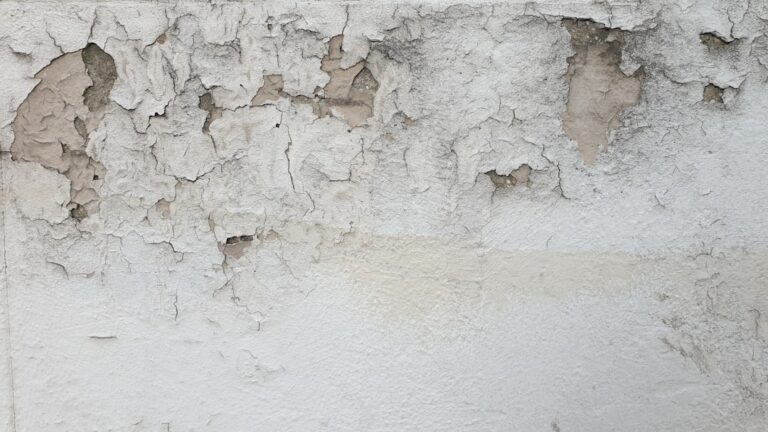
Asbestos in Wall: What Homeowners Need to Know
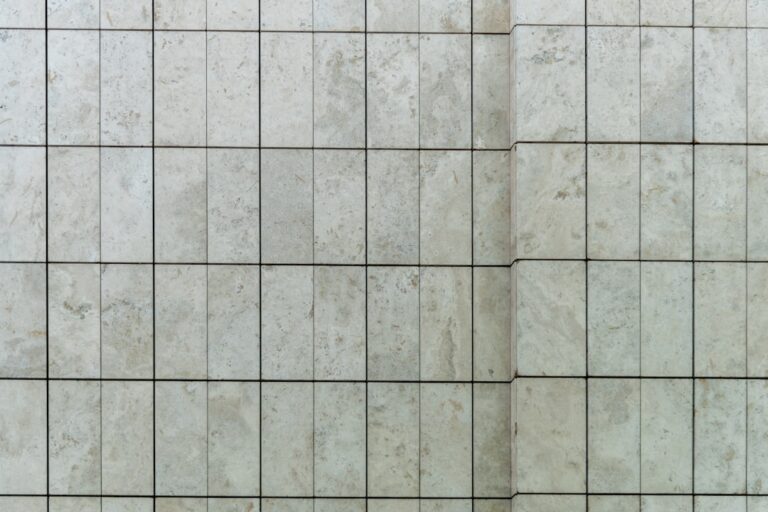
Pictures of Asbestos Floor Tiles: A Homeowner Guide

Asbestos Products: What Homeowners Need to Know

Asbestos Popcorn Ceiling: What Homeowners Should Know

Asbestos Drywall: What Homeowners Need to Know
Health & exposure

The Permissible Exposure for Asbestos Is What?
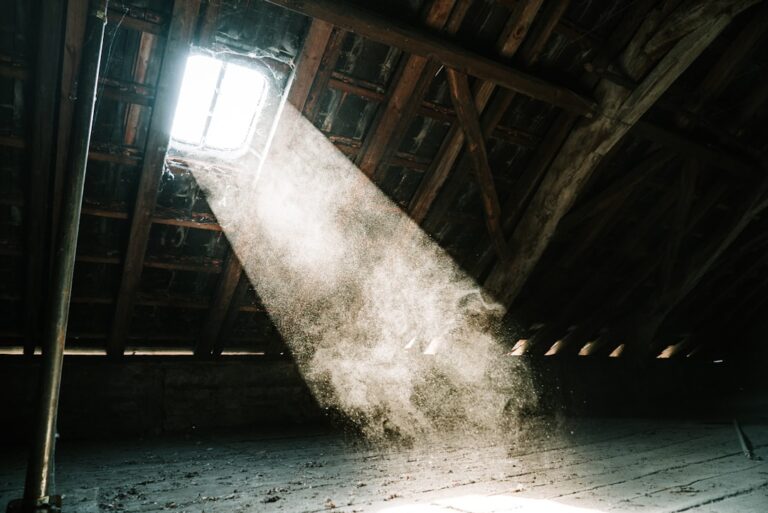
Is Asbestos in the Attic Dangerous: A Plain Guide

How Long After Asbestos Exposure Do Symptoms Appear?
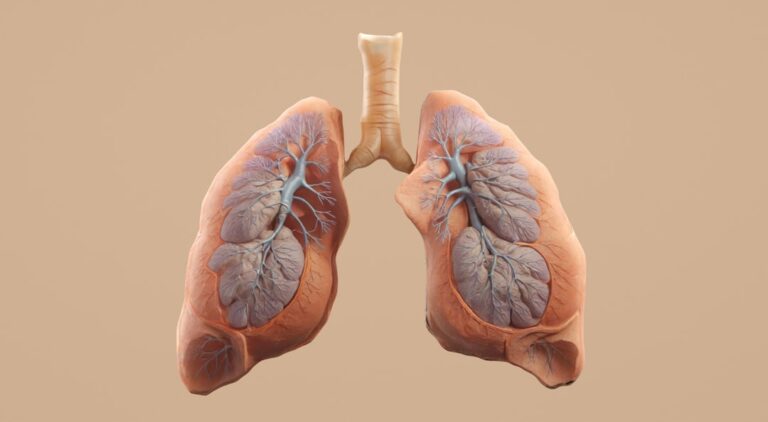
Asbestos Lung Disease: What Homeowners Should Know

Why Does Asbestos Cause Cancer: A Plain Guide

Asbestos and Lung Cancer: What Homeowners Need to Know
More guides



Browse all 526 asbestos in the home guides » Back to the Asbestos & Lead in Your Home hub