Asbestos in Makeup: What Homeowners Need to Know
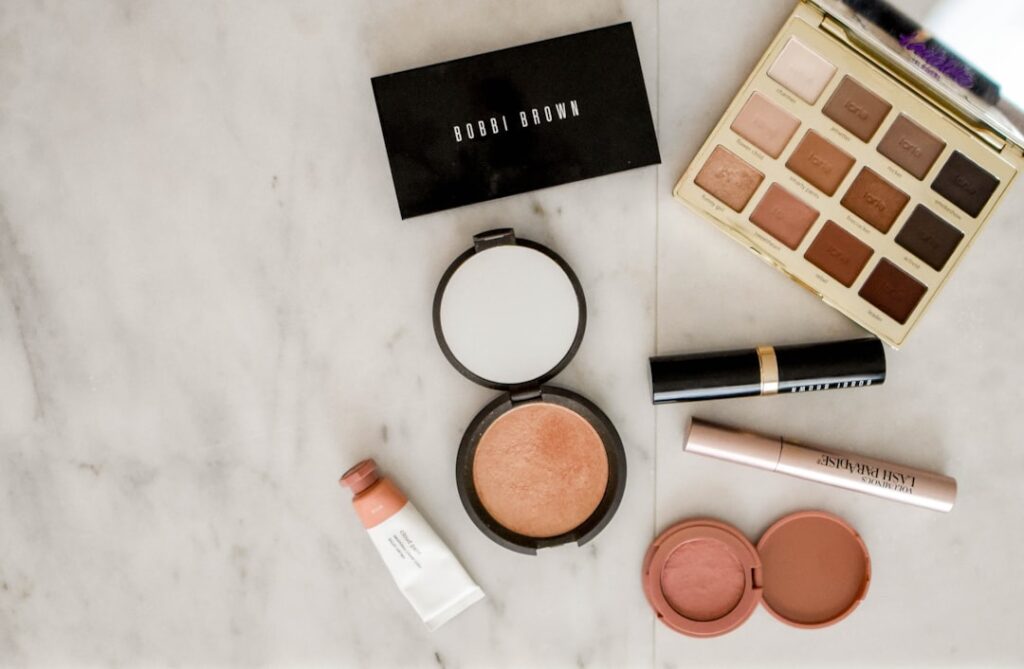
Asbestos is something most people associate with attics and old floor tile, not the bathroom vanity. Yet the same mineral that worries homeowners about pre-1978 housing has surfaced in a very different place: cosmetics. Asbestos in makeup is not an ingredient anyone adds on purpose; it appears as a contaminant in talc, the soft mineral that gives powders their silky feel. Because talc and asbestos can form side by side in the ground, talc-based products carry a risk of contamination if the talc is not carefully sourced and tested. This guide summarizes EPA and CDC guidance current as of 2026 and is educational only; it does not diagnose any condition or replace medical or regulatory advice. Health concerns belong with a physician.
Is this mold, asbestos, or water damage? Get a free instant screen
Upload a clear photo of the suspect area. You'll get an instant AI screening opinion and what to do next. This is screening guidance, not a professional determination.
Screening guidance only. AI can be wrong. Confirm asbestos, mold type, or lead with lab testing or a licensed professional before acting.
How asbestos ends up in makeup
The connection runs through geology. Talc is a naturally occurring mineral mined from deposits in the earth, and asbestos minerals, particularly tremolite and other amphiboles, can occur in the same rock formations. When talc is mined from a deposit that also contains asbestos, the raw talc can be contaminated with asbestos fibers. No reputable manufacturer adds asbestos to a product; the contamination is an unwanted consequence of where and how the talc is sourced.
This is why the issue is described as contamination rather than an ingredient. Talc itself is widely used in face powders, eyeshadows, blushes, foundations, and body and baby powders for its texture and oil absorption. The safety question is whether a given batch of talc was mined and processed to be free of asbestos. The same talc-and-tremolite relationship explains the broader concern, which is covered in the InspectandTest article on tremolite asbestos, and the wider asbestos picture appears in the pre-1978 housing hazard guide.
Which products are involved
The products most relevant to this concern are talc-based cosmetics and powders. That includes loose and pressed face powders, many eyeshadow and blush palettes, some foundations and concealers, and body and baby powders made with talc. Children’s makeup kits have drawn particular attention, since lower-cost talc-based products have been among those where contamination was found in testing.
Products that do not contain talc are not part of this concern. Many cosmetics use alternative bases, and a growing number of brands market talc-free formulas using ingredients such as cornstarch, mica, or other minerals. Reading the ingredient list is the simplest first filter: if talc is not present, asbestos contamination from talc is not a pathway. The general family of asbestos-containing and asbestos-contaminated items is catalogued in the InspectandTest overview of asbestos products.
Why this is a health concern at all
The worry exists because asbestos is a known human carcinogen regardless of how it enters the body’s airways. Inhaling asbestos fibers is linked to lung disease, asbestosis, and mesothelioma, and there is no exposure level considered entirely without risk. Powders are of particular concern because they can become airborne when applied, creating the potential for inhalation. The amount of any contamination in a finished cosmetic is generally small, and the health significance of low-level cosmetic exposure is an area of ongoing study, but the precautionary view is that asbestos should not be present in products people apply to their skin and breathe near.
How regulators and testing address it
Cosmetic safety in the United States is overseen at the federal level, and surveillance testing of talc-based products has periodically identified asbestos contamination, prompting recalls. The analytical challenge is real: detecting trace asbestos in talc requires sensitive laboratory methods, and standardizing those methods has been part of the regulatory conversation. Transmission electron microscopy, the high-resolution technique used for fine fibers and trace contamination, is central to this kind of testing.
For a homeowner, the practical takeaway is that contamination is detectable and that responsible manufacturers test their talc supply. The concern is greatest with products whose talc sourcing and testing are unknown or undocumented. How laboratories distinguish and quantify asbestos in a sample, including the methods used for trace amounts, is described in the InspectandTest guide to asbestos analysis.
How to lower your risk
A few straightforward choices reduce exposure. The simplest is to favor talc-free products, which sidesteps the contamination pathway entirely; talc-free powders and palettes are widely available. For those who prefer talc-based products, choosing brands that publicly document asbestos testing of their talc adds a layer of assurance. Checking for recalls before buying, and discarding any product subject to a recall, is sensible.
Application habits help too. Because the concern centers on inhaling airborne particles, applying powders gently to limit dust, keeping powder away from a child’s face, and avoiding products that produce heavy clouds of dust all reduce the chance of breathing fibers. These are modest, low-cost steps rather than dramatic measures, and they match the precautionary spirit of the broader guidance: minimize any potential asbestos exposure, even when the level in a given product is likely low.
What this means for households
Asbestos in makeup is a narrower and generally lower-level concern than the friable insulation and crumbling materials that dominate home asbestos discussions, but it shares the same underlying principle: asbestos is hazardous when inhaled, and contamination, not intentional use, is the route into everyday products. For most households the response is practical, not alarmist. Reviewing the cosmetics on the shelf, preferring talc-free or tested products, paying attention to children’s makeup, and keeping an eye on recall notices addresses the pathway without upheaval.
The persistent feature across all asbestos topics is uncertainty by appearance: just as a homeowner cannot see asbestos in a wall, a consumer cannot see it in a powder. Decisions therefore rest on sourcing, testing, and labeling rather than on what a product looks like. Those who want to understand the mineral family behind the contamination can read the InspectandTest piece on amphibole asbestos, which explains why tremolite, the typical talc contaminant, is among the more hazardous fibers.
When to seek guidance
Concerns about a specific product are best addressed by checking the manufacturer’s testing statements and current recall information, and by choosing alternatives where sourcing is unclear. Any health worry related to past exposure, to cosmetics or any other source, should be discussed with a physician, who can assess individual risk; this article does not diagnose or treat any condition. For home-based asbestos questions, the kind involving insulation, tile, or siding, a certified asbestos professional is the right resource, and the InspectandTest overview of removing asbestos covers that side. The unifying advice is simple: where asbestos contamination is possible, choose tested or asbestos-free options and reduce the chance of inhaling any fibers.
Why detecting asbestos in talc is technically hard
Part of what makes the cosmetic-talc question persistent is that detecting trace asbestos in talc is genuinely difficult, and the difficulty has shaped years of debate. Talc and asbestos minerals are chemically related silicates, and in a finished powder the asbestos, if present, may exist as a very small fraction unevenly distributed through the product. Detecting it reliably requires sensitive, high-resolution methods, and transmission electron microscopy is central to finding the fine fibers that lighter microscopy can miss.
The choice of method and the sensitivity of the test influence the result, which is why standardizing testing approaches has been part of the regulatory conversation. A test that is not sensitive enough can report “none detected” on a product that contains trace contamination, while a more rigorous method finds it. For a homeowner, the takeaway is not to become an expert in microscopy but to understand why the issue does not resolve simply: it depends on careful sourcing of the raw talc and on testing methods sensitive enough to catch low-level contamination. That is why brands that publicly document rigorous asbestos testing of their talc offer more reassurance than those that say nothing about it.
The talc-free shift and what to look for on a label
A clear market trend has emerged in response to the contamination concern: a growing number of cosmetics are formulated without talc at all. Talc-free products use alternative bases such as cornstarch, mica, rice powder, kaolin clay, or silica to achieve the texture and oil absorption that talc once provided. Because the asbestos concern enters specifically through talc, a talc-free product removes that pathway entirely, which is why “talc-free” has become a meaningful label claim rather than mere marketing.
Reading the ingredient list is the simplest tool a consumer has. If talc (sometimes listed as talc or talcum) does not appear, the asbestos-from-talc pathway does not apply to that product. For those who prefer talc-based items, the label and the brand’s published statements about sourcing and testing become the relevant signals. Checking these is a small habit, comparable to reading any other ingredient label, and it puts the decision in the consumer’s hands without requiring laboratory knowledge. It also extends naturally to children’s products, where favoring talc-free options is a straightforward precaution given that lower-cost children’s makeup has been among the items where contamination was identified in testing.
Keeping the cosmetic concern in proportion
It is worth situating this issue accurately against the larger asbestos picture. The materials that drive the most urgent home-asbestos guidance, friable pipe insulation, crumbling surfacing, and contaminated vermiculite poured into attics, involve potentially high fiber release from large quantities of material. The cosmetic concern involves trace contamination in small quantities of product, and the amount of any asbestos in a finished cosmetic is generally low. The precautionary principle still applies, because asbestos has no established safe exposure level, but the practical scale of the two concerns differs.
For most households, then, the right posture toward asbestos in makeup is measured rather than alarmed. Reviewing the products already on the shelf, preferring talc-free or documented-tested options going forward, paying particular attention to children’s cosmetics, and discarding any product subject to a recall together address the pathway sensibly. The deeper lesson connects back to every asbestos topic: the hazard hinges on inhaling fibers, contamination rather than intentional use is often the route into everyday items, and informed choices, here based on labels and sourcing rather than on what a product looks like, are what keep exposure low. Genuine health worries about any exposure belong with a physician, while the consumer’s own role is the simple, repeatable act of choosing tested or talc-free products.
How the cosmetic concern relates to home asbestos
It can seem strange that a site focused on home inspection addresses cosmetics at all, but the two concerns share a common mineral and a common principle. The talc that may carry asbestos into a powder is contaminated by the same amphibole fibers, often tremolite, that contaminate the vermiculite insulation found in older attics. The geological reality that asbestos minerals form alongside other useful minerals underlies both problems, which is why a homeowner who understands attic vermiculite already grasps the cosmetic-talc issue.
The difference lies in scale and response. Home asbestos, especially friable insulation, can involve large quantities of material and high potential fiber release, calling for testing, professional handling, and regulated disposal. The cosmetic concern involves trace contamination in small product quantities, calling for nothing more than informed label-reading and product choice. Both, though, rest on the same foundation that runs through every asbestos topic on this site: asbestos is hazardous when inhaled, appearance never reveals its presence, and decisions must be based on testing, sourcing, and documentation rather than on what something looks like. Recognizing that shared logic helps a household respond proportionately to each, neither ignoring a real hazard nor overreacting to a minor one.
References
- Asbestos Fibers and Health Effects — CDC/NIOSH
- Learn About Asbestos and Talc Contamination — EPA
- Cancer and Carcinogen Information — CDC
While this concern centers on cosmetics, Front Range homeowners with asbestos worries in the home itself, insulation, tile, or siding, can connect with a vetted inspector. Reach out through our contact page, and take any health questions to your physician.