Specialty Home Inspections: Roof, Termite, Sewer & More
A standard home inspection is a broad, visual survey of a house on one day. Inspectors following recognized standards of practice look at the roof, structure, plumbing, electrical and mechanical systems, but they are not required to walk every roof slope, run a camera down the sewer line, take apart a furnace or probe for hidden termite galleries. That gap is where specialty home inspections come in. They are focused add-ons, usually ordered during the inspection contingency, that answer one expensive question in depth: how much life the roof has left, whether a foundation crack matters, or whether the sewer lateral is intact. This hub explains what each common specialty inspection checks, when it earns its fee, who performs it and roughly what it costs. For the wider process of choosing and scheduling inspectors, start with the guide to hiring a home inspector.
This hub sticks to inspections themselves. For repair and maintenance guidance once a problem is found, see our plumbing and water hub, heating, cooling and ventilation hub, home electrical hub and structure and exterior hub.
Roof inspections
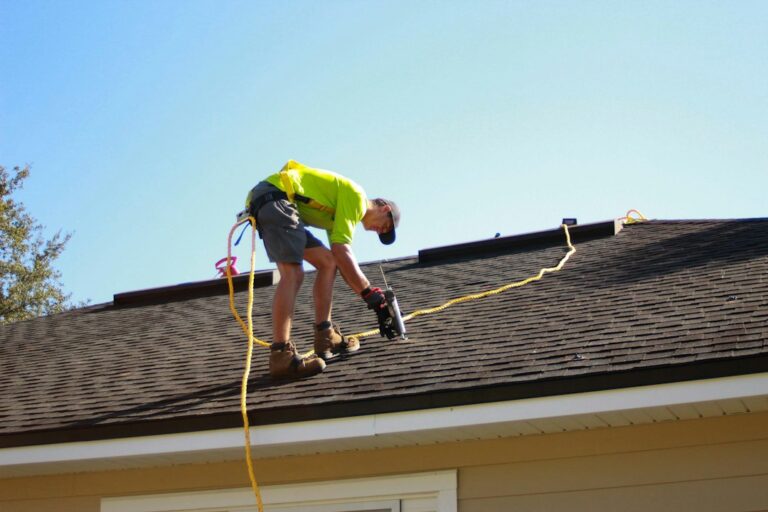
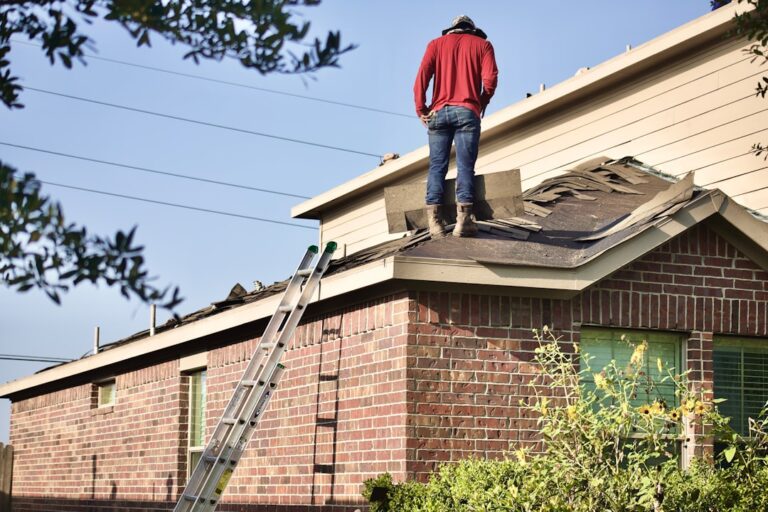
A general inspector evaluates the roof covering, flashing, gutters and penetrations, often from the ground, a ladder or a drone. A dedicated roof inspection goes further: the inspector walks the surface where it is safe, checks for soft decking and lifted shingle seals, looks at attic ventilation and the underside of the roof deck, and usually estimates remaining service life with photos for every slope.
On the Front Range, hail is the main trigger. Hail bruising on asphalt shingles can be subtle, and a roof that looks fine from the street may already carry an open insurance claim or a near-term replacement bill. Order a roof inspection when the roof is more than about 15 years old, when the seller cannot document a recent replacement, after a known hailstorm, or when the general report recommends “further evaluation by a qualified roofer.”
The work is done by home inspectors with roof training, independent roof consultants (some HAAG-certified for hail assessment) or roofing contractors. Contractor assessments are sometimes free, but they are tied to selling a replacement. Our guide to what a roof inspector checks and charges compares these options and notes that a standalone roof inspection often runs roughly $150 to $400.
Termite and WDI inspections
A wood-destroying insect (WDI) inspection looks specifically for termites, carpenter ants, wood-boring beetles and the damage they leave, along with evidence of past treatment. Results are usually recorded on the NPMA-33 form that lenders recognize. A general home inspection may mention obvious mud tubes as a courtesy, but it is not a WDI report, a distinction covered in our buyer guide to home and termite inspections.
Subterranean termites are present along the Colorado Front Range, though pressure is lower than in the humid Southeast. Risk rises with older homes, irrigated beds against the foundation, wood-to-soil contact and damp crawl spaces, while carpenter ants are a frequent finding in wooded foothill neighborhoods. Some loan programs, including VA loans in certain areas, may require a WDI report, so confirm with the lender early.
WDI reports are written by licensed pest control companies or by home inspectors qualified to sign the form. Our termite inspection overview explains the process. For pricing, see the termite home inspection cost breakdown, which puts a standalone report at about $75 to $200, and the guide to bundling termite and radon inspection costs. Buyers comparing local providers can use our Front Range guide to finding a termite inspector.
Foundation and structural evaluations
Every standard inspection includes a visual look at the foundation, so the real question is when to escalate. A focused foundation evaluation measures floor elevations, maps cracks, checks for bowing basement walls and looks at grading, gutters and downspouts that steer water toward the house.
Front Range buyers have a specific reason to care. Parts of the region sit on expansive clay soils, including bentonite, that swell when wet and shrink when dry. That movement can heave slabs and basement floors, crack drywall, rack door frames and push on foundation walls. Thin vertical shrinkage cracks are common and often harmless. Cracks that are wide, offset or horizontal, walls that bow inward, or floors with a noticeable slope are worth a professional opinion before the contingency deadline.
A home inspector can do a standalone visual review, but the authoritative answer comes from a licensed structural engineer, who can judge cause and significance and outline a repair scope. Repair contractors often offer free assessments, though they also sell the fix. Our foundation inspection cost guide lays out the tiers, from a roughly $300 to $800 engineer letter to detailed elevation surveys that can exceed $1,000.
Sewer scope, septic and well inspections
The sewer lateral that runs from the house to the city main is usually the owner’s responsibility, and it is invisible to a standard inspection. A sewer scope feeds a waterproof camera through a cleanout to record root intrusion, offset joints, sags (bellies), cracks and collapses. Our explainer on what the sewer scope camera reveals walks through typical findings.
Order a scope for homes older than roughly 30 to 40 years, homes with mature trees near the line or a finished basement, and any house that may still have clay tile or Orangeburg fiber pipe, which was used in some homes built from about the 1940s to the 1970s. A scope often costs roughly $125 to $350, as detailed in the sewer scope inspection cost guide, a small fraction of a typical line repair. If the video shows defects, the sewer scope negotiation guide covers repair requests and credits, and our guide to hiring a sewer camera inspection compares inspectors with plumbers.
Rural properties in Elbert County, the foothills and other areas off municipal sewer use a septic system instead. A septic inspection checks the tank, baffles, sludge levels and drain field, and it is usually done by a septic contractor who pumps the tank; see our septic home inspection guide. Homes on a private well should also have water tested for bacteria and other contaminants, and the well equipment checked by a qualified well contractor.
HVAC, chimney and other systems
A home inspector operates the furnace and air conditioner with normal controls and notes visible problems, but does not dismantle equipment. An HVAC contractor can inspect the heat exchanger, burners, flue and venting, run combustion analysis and check refrigerant performance. This matters because a cracked heat exchanger can let carbon monoxide into living space. Our guide to what an HVAC inspector checks and costs puts a pre-purchase evaluation at roughly $150 to $400. Consider one when equipment is older than about 15 years, records are missing, or the general report flags rust, soot or flame problems. Homes with wood-burning fireplaces benefit from a chimney sweep’s Level 2 inspection at sale, which often uses a flue camera.
A 4-point inspection is a different animal: a short, insurance-driven review of the roof, electrical, plumbing and HVAC, mostly requested by carriers for older homes in Florida and a few other states. Front Range buyers rarely need one, but anyone insuring an out-of-state or older property may. Start with what a 4-point home inspection is or the companion explainer on four-point inspections, then read the 4-point homeowner overview, what insurance carriers look for and what the insurance-driven visit covers. For logistics, see 4-point inspection pricing, how to pass a 4-point inspection and our Florida guide to booking a 4-point inspection.
Which specialty inspections do you need? A quick guide
Use this table as a starting point. Costs are typical industry ranges, not quotes, and vary by market, home size and access.
| Inspection | Order it when | Typical cost range | Who does it |
|---|---|---|---|
| Roof | Roof over about 15 years old, recent hail, no replacement records | Often roughly $150 to $400 | Roof-trained inspector, roof consultant or roofer |
| Termite / WDI | Lender requires it, older home, wood-to-soil contact, damp crawl space | About $75 to $200 | Licensed pest company or qualified inspector |
| Foundation / structural | Wide, offset or horizontal cracks, bowing walls, sloped floors, expansive clay area | Often roughly $300 to $800 for an engineer letter; more for detailed surveys | Licensed structural engineer |
| Sewer scope | Home older than about 30 to 40 years, mature trees, clay or Orangeburg pipe possible | Often roughly $125 to $350 | Home inspector with camera or plumber |
| Septic | Property not on municipal sewer | Varies widely; pumping often adds cost | Septic contractor |
| HVAC | Equipment over about 15 years old, missing service records, flagged defects | Often roughly $150 to $400 | HVAC contractor |
| 4-point | Insurer requests it, usually for an older home in Florida or similar markets | Varies by market; often a few hundred dollars or less | Licensed home inspector or contractor accepted by the insurer |
References
- ASHI Standard of Practice for Home Inspections — American Society of Home Inspectors
- Termites: How to Identify and Control Them — U.S. Environmental Protection Agency
- Septic Systems (Onsite/Decentralized Systems) — U.S. Environmental Protection Agency
- Carbon Monoxide Safety — National Fire Protection Association
Frequently asked questions
What are specialty home inspections?
Specialty home inspections are focused evaluations that go deeper than a standard home inspection on one system or risk, such as the roof, termites, foundation, sewer line, septic system or HVAC equipment. Buyers usually add them during the inspection contingency when the general report or the property's age suggests a closer look.
Which specialty inspections are most common on the Colorado Front Range?
Sewer scopes, roof inspections after hail and structural evaluations for expansive clay soils are the most common add-ons. Radon testing is also widely ordered. Termite reports are less universal than in the Southeast but may be required by some lenders.
Are specialty inspections worth the extra cost?
They are worth it when the potential repair is large compared with the fee. A sewer scope or engineer letter costs a few hundred dollars, while a sewer line replacement or foundation repair can cost many thousands. The findings can also support a repair request or price credit.
Can my home inspector do specialty inspections?
Many home inspectors offer sewer scopes, WDI reports and roof add-ons if they hold the right training or licenses. Structural engineering opinions, septic pumping and detailed HVAC combustion testing usually require an engineer or licensed contractor.
When should I schedule specialty inspections?
Book them as early as possible in the inspection contingency period, ideally alongside the general inspection. That leaves time to get repair estimates and negotiate before the deadline passes.
Buying along the Front Range and not sure which add-on inspections a particular house needs? Contact our team and we can point you toward qualified local inspectors for roofs, sewer lines, foundations and more.
Roof inspections

Roof Inspection Report: How to Read Findings and Photos
Roof Inspection for Insurance: Hail Claims, Roof Age, Proof

Drone Roof Inspection: How It Works, Limits and FAA Rules

Roof Certification Inspection: What It Is and Who Needs One
Roof Inspection Cost: What You Get and When You Need One

Roof Inspector: What a Roof Inspection Covers and Costs
Termite, pests & wood-destroying insects

Termite Bait Stations: How They Work, Cost and DIY vs Pro

Tenting for Termites: How Fumigation Works and When It Fits

Opossum Removal: Under Decks, Sheds and Crawl Spaces

Bird Removal: Vents, Gutters, Chimneys and Protected Species

Animal in Attic: How to Identify It and What to Do Next

Mice in Attic: Signs, Safe Cleanup, Sealing and Costs
Foundation & structural

Sewer, septic, plumbing & well

Septic Home Inspection: What Homeowners Need to Know

Home Inspection Sewer Scope: What the Camera Reveals

Why Is My Refrigerator Making Noise? Normal vs Problem Sounds

Water Heater Inspection: What Gets Checked and Red Flags

Septic Tank Inspection: What Gets Checked, Costs and Red Flags

Well Inspection Cost: What Gets Tested and What It Costs
Electrical

Windows, siding & exterior


HVAC, chimney & other systems
4 Point Home Inspection: What Homeowners Need to Know
How to Pass a 4-Point Home Inspection
4 Point Inspection Cost: 2026 Pricing and When It’s Required

What Is a 4 Point Home Inspection: A Plain-Language Guide

How Often to Replace Smoke Detectors (and How to Tell)

How Long Do Fire Extinguishers Last? Lifespan and Checks
More guides

Termite Home Inspection Near Me: Front Range Buyer Guide

Best Fly Trap (2026): 7 Indoor and Outdoor Picks Compared

Best Flea Treatment for Home (2026): 7 Picks Compared

Best Rat Traps (2026): 5 Rat-Size Picks Compared

Best Ant Killer (2026): 7 Baits and Sprays Compared

Best Roach Killers (2026): 7 Baits, Gels and Dusts Compared
Browse all 96 specialty home inspections guides » Back to the Hiring a Home Inspector hub