Moisture Meters & Water Damage Detection: A Homeowner Guide
A moisture meter is the tool that turns a suspicion into a measurement. A stain on the ceiling, a soft spot near a toilet or a cool patch on a thermal scan only tells you something might be wet; a meter tells you whether the material is wetter than it should be and how far the damp area spreads. This hub gathers our guidance on reading and interpreting results, choosing between pin and pinless models, finding leaks, and handling mold risk after water damage. Colorado’s dry Front Range air works in your favor, because dry materials stand out clearly against wet ones, but it also means a reading that looks modest elsewhere can be a real warning here. For the wider set of devices in an inspector’s kit, see our home inspection tools pillar. Meter readings are screening data; for active leaks or mold, bring in a qualified professional.
Reading and interpreting moisture meter results
The single most useful habit is comparison. Most meters read on a scale calibrated for wood, so the number shown on drywall, plaster or concrete is a relative value rather than a true moisture percentage. The reliable method is to take a reading on a known-dry area of the same material, ideally in the same room, and then measure the suspect spot. A reading far above that reference is the signal, whatever the display says in absolute terms.
Our most-visited guide on the topic, the drywall moisture meter readings chart, explains how to interpret numbers on gypsum board. For a broader view, what moisture meter readings are normal covers wood, subfloor and masonry ranges, while moisture meter readings explained discusses why two meters can disagree on the same wall. If you have just bought a meter, start with how to read a moisture meter and the step-by-step guide to using a moisture meter, which covers scale settings, pin depth and how to map a wet area by working outward from the wettest point until readings match the dry reference.
Choosing a moisture meter
Meters come in two main types. Pin meters push two small probes into the material and measure electrical resistance between them; they read at a known depth and are the standard for wood, but they leave tiny holes. Pinless meters press a flat sensor pad against the surface and sense moisture through a short depth without damage, which makes them fast for scanning a wall or floor. Many inspectors carry one of each, or a combination unit. The trade-offs are laid out in moisture meter pin vs pinless.
For buying advice, our best moisture meters buyer’s guide compares models across price tiers, and the best pinless moisture meter focuses on surface-scanning units. Owners mainly checking drywall can go straight to the best moisture meter for walls, while the best moisture meter for home inspectors covers tougher, more accurate professional tools. Brick, block and concrete need their own approach, explained in the masonry moisture meter guide. Check any meter now and then against its reference block or a known-dry sample, as described in moisture meter calibration. You can browse current models in our moisture meter product category.
Finding water and gas leaks
A meter tells you a material is wet, but not always where the water is coming from. Leak detection fills that gap. For plumbing, the usual sequence is to look for the obvious first (supply lines, wax rings, shower pans, roof flashing), then use a meter to trace the wet area back toward its highest or wettest point, which is often near the source. Our plumbing leak detection guide walks through that process and when to call a plumber with acoustic or pressure-test equipment.
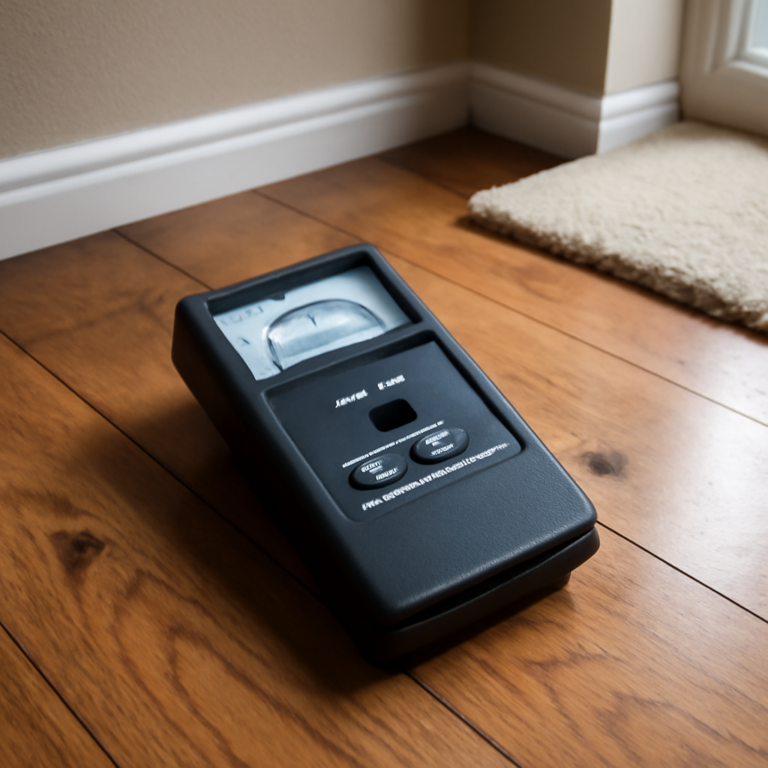
Prevention tools have improved too. A water leak detector placed under a water heater, washer or sink sounds an alarm when it gets wet, and smart water leak detectors add phone alerts and, in some systems, an automatic shutoff valve. Buried supply lines are harder; acoustic leak detectors listen for the sound of escaping water underground or inside slabs.
Gas leaks are a separate safety issue. If you smell gas, leave the house and call your utility from outside. A plug-in gas leak detector adds warning between inspections, but it does not replace carbon monoxide alarms, which detect a different gas.
Water damage, dampness and mold
Speed matters more than anything else after a leak. EPA guidance is to dry water-damaged materials within 24 to 48 hours to help prevent mold growth, and to keep indoor relative humidity below 60 percent, ideally between 30 and 50 percent. A meter is how you know whether drying is finished: keep fans and dehumidifiers running until the affected area reads close to your dry reference, not just until the surface feels dry.
The timeline is explained in mold after water damage and the 48-hour window. If growth has already appeared, water damage and mold remediation covers how drying, removal and repair fit into one plan, and is mold from water damage dangerous discusses health concerns in plain terms; anyone with symptoms should consult a doctor. Owners wondering how growth started can read can mold grow without moisture, which explains why a moisture source is always involved, and for practical cleanup steps see getting rid of mold after water damage. Porous items such as soaked carpet pad, ceiling tiles and insulation often cannot be dried well and are usually replaced.
Crawl spaces, specialist meters and local help
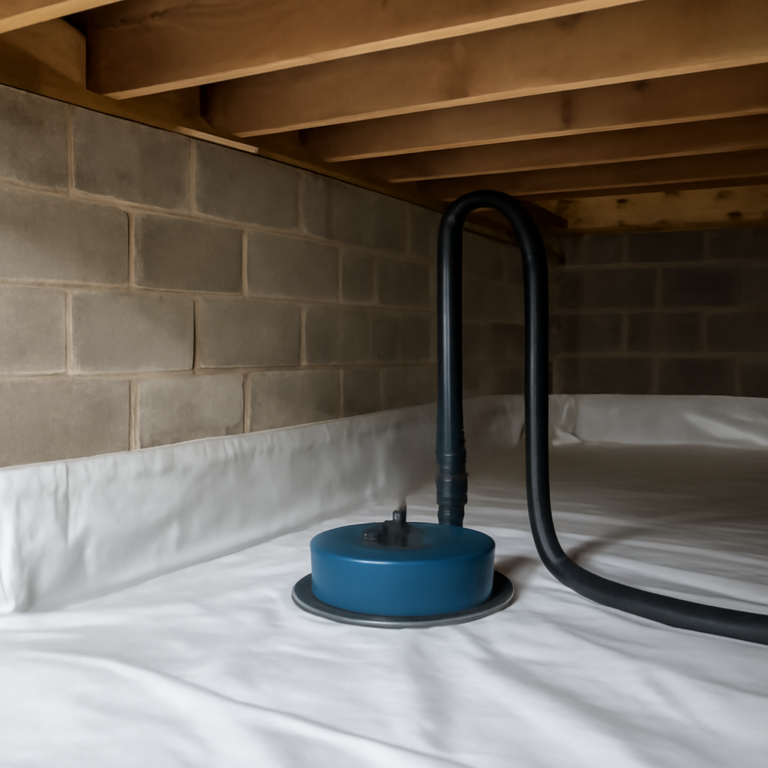
Some moisture problems are slow rather than sudden. Crawl spaces are the classic example: snowmelt, poor grading and open vents keep the soil and lower framing damp for months at a time. Readings on sill plates and floor joists are an early warning, and our crawl space moisture control guide explains the fixes, from drainage and vapor barriers to sealing. Take readings in the same spots each season so you can see whether the trend is improving.
Professionals often move up to specialist instruments for flooring and remediation work. The Tramex Moisture Encounter Plus is a common example of a deep-reading pinless meter used under floor coverings and tile. If you would rather buy locally and test a meter in hand, finding a moisture meter near you covers which store types carry building-grade models. For a leak you cannot trace yourself, leak detection near me explains how to choose a specialist and what the visit should include.
Typical readings by material and when to worry
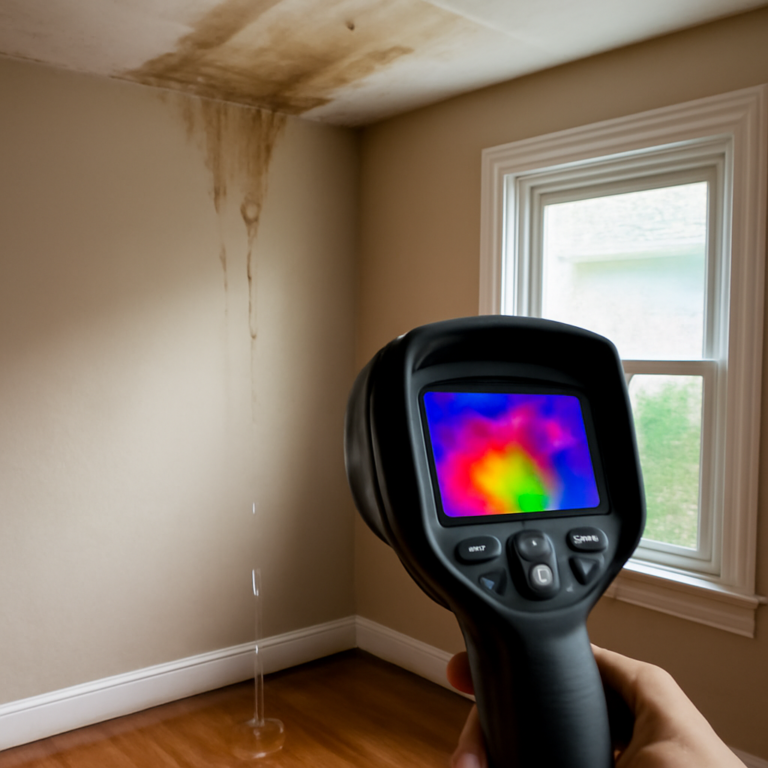
The guidance below is general and relative. Meter scales, calibration and material types vary, so always measure a known-dry area of the same material first and judge the suspect spot against it. A thermal camera can help you decide where to take readings, as our sibling hub on thermal imaging for homes explains, but the meter reading is what confirms moisture.
| Material | Typical dry reading guidance (relative) | When to worry |
|---|---|---|
| Wood framing and trim | Often low teens or below on a wood scale; in dry Colorado air, interior framing commonly reads lower still | Readings well above the dry reference, especially near or above about 19 to 20 percent, which raises decay and mold risk |
| Subfloor (plywood or OSB) | Similar to nearby framing when dry | A rise near toilets, tubs, dishwashers or exterior doors, or any soft or swollen area |
| Drywall | Very low on most meters; best judged against a dry wall in the same room | A clear jump over the reference, a reading that spreads outward from one point or one that stays high after 48 hours of drying |
| Plaster | Reads higher than drywall even when dry; use relative mode | Readings that climb near windows, chimneys or plumbing walls, often with bubbling paint |
| Concrete and masonry | Relative only on most meters; slabs and foundation walls vary widely | Damp patches that grow after storms or snowmelt, white efflorescence or flooring that lifts |
| Carpet pad and insulation | Should read close to a dry area of the same product | Any wet reading after a leak; these usually need removal rather than drying in place |
References
- A Brief Guide to Mold, Moisture and Your Home — U.S. Environmental Protection Agency
- Mold Cleanup in Your Home — U.S. Environmental Protection Agency
- Mold Course Chapter 2: Investigating, Evaluating and Remediating Moisture and Mold Problems — U.S. Environmental Protection Agency
- ASHI Standard of Practice for Home Inspections — American Society of Home Inspectors
Frequently asked questions
What is a normal moisture meter reading?
There is no single normal number, because readings depend on the meter, its scale and the material. The reliable approach is to measure a known-dry area of the same material and compare. A suspect spot that reads well above that reference is the warning sign.
Should I buy a pin or pinless moisture meter?
Pinless meters scan surfaces quickly without leaving holes, which suits walls and floors. Pin meters read at a known depth and are the standard for wood. Many inspectors use both, or a combination meter that offers each mode.
Can a moisture meter detect mold?
No. A moisture meter measures dampness, not mold. It is still useful, because mold needs moisture to grow, so a wet reading shows where growth is likely or where drying is needed. Visible growth or a musty odor calls for a closer look.
How fast do wet materials need to dry?
EPA guidance is to dry water-damaged materials and furnishings within 24 to 48 hours to help prevent mold growth. Use a moisture meter to confirm that readings have returned close to a dry reference before closing up walls or replacing flooring.
What indoor humidity should I aim for?
EPA recommends keeping indoor relative humidity below 60 percent, ideally between about 30 and 50 percent. Front Range homes are often drier than that, so localized moisture from leaks or poor drainage is usually the bigger concern.
Found a reading that will not come down, or a stain you cannot trace? Reach out through our contact page and we can connect you with a Front Range inspector who can map the moisture and point you to the right repair.
Reading & interpreting moisture
Moisture Meter Readings What Is Normal: A Plain-Language Guide
How to Read a Moisture Meter: A Plain-Language Guide

How to Use a Moisture Meter: Plain-Language How-To
Houseplant Moisture Meter: What Homeowners Need to Know
Moisture Meter for House: Building Diagnostics Buyer Guide

How to Get Rid of Mold From Water Leak: Plain Guide
Moisture meters
Best Soil Moisture Meter for Trees: 2026 Buyer Guide

Best Moisture Meters in 2026: A Buyer’s Guide for Homeowners and Inspectors

Soil Moisture Meters: A 2026 Comparison and Buyer Guide
Moisture Meter Pin vs Pinless: A Full Comparison

Best Pinless Moisture Meter: A 2026 Buyer’s Guide

Best Gas Leak Detectors in 2026: A Buyer’s Guide for Homeowners
Leak detection



Water damage & dampness

Is Mold From Water Damage Dangerous? A Plain Guide

Water Damage Restoration: Process, Timeline, Costs and Mold Risk
Can Mold Grow Without Moisture? What EPA and CDC Say
Water Damage Mold: What Homeowners Need to Know

Mold From Water Damage: What Homeowners Should Know
Moisture and Mold Remediation: A Homeowner Guide
More guides

Browse all 223 moisture meters & water damage detection guides » Back to the Home Inspection Tools hub