Will a Carbon Monoxide Detector Detect a Gas Leak?
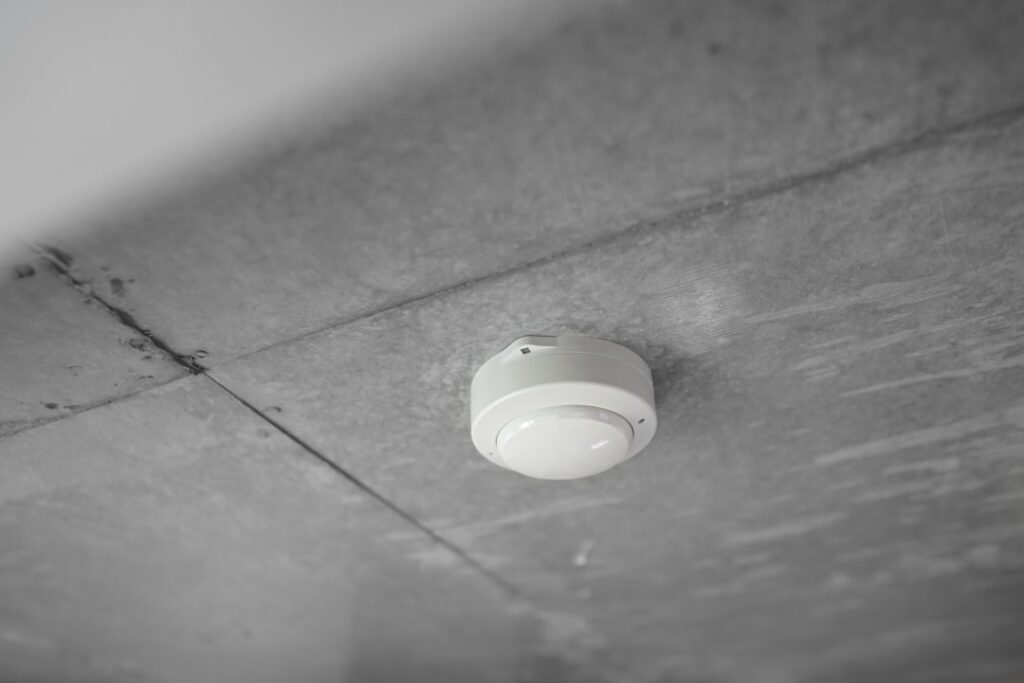
A natural gas furnace, a propane water heater, and a gas range all sit in the same houses that have a carbon monoxide alarm chirping on the hallway ceiling. That overlap leads to a reasonable but risky assumption. Many homeowners ask the same blunt question: will a carbon monoxide detector detect a gas leak? The short answer is no, not the kind of gas leak most people picture. A standard CO alarm watches for carbon monoxide, a byproduct of incomplete combustion, and ignores the raw natural gas or propane that escapes from a loose fitting. Understanding that gap matters, because relying on the wrong device can leave a real hazard invisible until it is dangerous.
Will a Carbon Monoxide Detector Detect a Gas Leak?
A carbon monoxide detector will not reliably detect a natural gas or propane leak. The two devices measure different things. A CO alarm senses carbon monoxide (CO), a colorless, odorless gas produced when fuel burns incompletely. A natural gas leak, by contrast, releases methane, and a propane leak releases that heavier fuel gas. Neither methane nor propane is carbon monoxide. The sensor inside a CO alarm is tuned to react to CO molecules at specific concentrations over time, not to combustible fuel gases.
There is one narrow scenario where the question gets fuzzy. If a gas appliance is leaking fuel and that fuel is also burning poorly, the bad combustion can generate carbon monoxide, and the CO alarm may sound. But that is the alarm responding to the CO, not to the raw gas leak itself. A slow leak from a capped line or a loosened union behind the stove can fill a room with methane without ever producing CO. In that case the CO alarm stays silent while a genuine explosion and asphyxiation risk builds.
How a CO Alarm Sensor Actually Works
Most residential CO alarms use an electrochemical sensor. Inside a sealed cell, CO molecules trigger a chemical reaction that produces a small electrical current. The alarm’s circuitry measures that current and compares it against time-weighted thresholds. The U.S. CO alarm performance standard requires the unit to respond to sustained elevated CO before it reaches levels that harm people, which is why a brief whiff near a running car does not always trip it. The Centers for Disease Control and Prevention notes that CO is undetectable by human senses, which is exactly why these alarms exist.
That electrochemical cell is selective. It is engineered to react to carbon monoxide and to largely ignore other household gases. Methane and propane molecules do not produce the same reaction, so they generate little or no current. The result is a device that does its one job well and the other job not at all. Homeowners who want a deeper look at how detection hardware differs across categories can review our overview of how household gas detectors work.
Natural Gas and Propane Leaks Need a Different Device
Combustible gas leaks call for a combustible gas detector, sometimes labeled a methane or explosive-gas alarm. These units use a different sensor, often a metal-oxide semiconductor or catalytic bead element, that reacts to flammable hydrocarbons in the air. They are rated to alarm well below the lower explosive limit of natural gas so occupants have time to ventilate and evacuate.
The distinction shows up in the marketing too. A package labeled for carbon monoxide protects against CO poisoning from furnaces, fireplaces, and attached garages. A package labeled for natural gas or “explosive gas” protects against fuel leaks from lines and appliance connections. Some combination units bundle both sensors in one housing, and those are a sensible choice in a home heated by gas. For a broader buyer’s view of these products, our guide to a gas leak detector for the home walks through the sensor types and placement.
Why the Smell Matters Too
Raw natural gas and propane are odorless on their own. Utilities add a sulfur compound called mercaptan to give the rotten-egg smell that warns people of a leak. That odorant is the first line of defense, but it is not foolproof. Some people have a reduced sense of smell, the odorant can fade in certain conditions, and a sleeping household may not wake to it. A combustible gas alarm backs up the human nose where it falls short.
There is also a phenomenon called odorant fade, where the mercaptan smell weakens as gas passes through new pipe, rusty pipe, or certain soils before it reaches the living space. A slow underground leak that migrates into a basement may arrive with much of its warning smell stripped away. That is one more reason a dedicated combustible gas sensor earns its place in a gas-heated home rather than leaning entirely on the nose of whoever happens to be awake.
Carbon Monoxide and Natural Gas Have Different Physics
The two gases even behave differently in a room, which affects where each alarm belongs. Natural gas is lighter than air and tends to rise and collect near the ceiling. Propane is heavier than air and pools near the floor, in basements, and in low spots. Carbon monoxide is close to the same weight as air and mixes fairly evenly, often riding warm air currents from a malfunctioning appliance. Because of this, manufacturers give different mounting instructions for each device, and following them is what makes the sensor useful.
Placing a propane alarm high on a wall, for example, leaves the densest layer of leaking gas unmonitored. Mounting a CO alarm directly above a fuel-burning appliance can expose it to harmless startup spikes and nuisance trips. The right approach is to read each product’s manual and follow its height and distance specifications rather than treating all gas alarms as interchangeable boxes. A home that mixes natural gas heat with a propane backup may need both placement strategies in different rooms.
Common Sources of CO Versus Gas Leaks
Carbon monoxide tends to come from appliances that burn fuel: furnaces with cracked heat exchangers, water heaters with blocked vents, gas ranges used for heating, wood stoves, fireplaces, generators run too close to the house, and cars idling in attached garages. Front Range homeowners see CO risk climb in winter when furnaces run hard and windows stay shut. A combustible gas leak, by contrast, usually traces to a hardware failure: a corroded supply line, a loose flare fitting behind a stove, a failed appliance shutoff valve, or a capped line left unsealed after a remodel. Knowing which hazard a given symptom points to helps a homeowner pick the right response and the right device.
What to Do If You Suspect a Gas Leak
If a home smells of rotten eggs or sulfur, treat it as a real leak. Leave the building immediately and bring everyone with you. Do not flip light switches, use a phone indoors, light a match, or start a car in an attached garage, because any spark can ignite accumulated gas. Once outside and at a safe distance, call the gas utility’s emergency line or 911. Many Front Range utilities, including those serving Denver, Aurora, and Colorado Springs, run 24-hour leak response lines.
Do not try to find the leak yourself with a flame, and do not re-enter to open windows if the smell is strong. Let the utility or a licensed professional locate and repair the source. Carbon monoxide incidents follow a different script: if a CO alarm sounds, get to fresh air, account for everyone, and call for help, then have appliances inspected before resuming use.
Coverage for a Gas-Heated Home
A complete safety setup in a home with gas appliances combines several devices. CO alarms belong on every level and near sleeping areas, per fire-safety guidance and Colorado statute for many dwellings. A combustible gas alarm belongs near gas appliances, often low to the ground for propane (which is heavier than air) and higher for natural gas (which is lighter). Smoke alarms cover the fire risk that neither of the others addresses.
Battery maintenance ties it all together. Test each alarm monthly, replace batteries on schedule, and replace the whole CO unit at the end of its rated life, usually five to ten years depending on the model. The sensor degrades over time, and an expired alarm can give a false sense of security. Homeowners weighing models and features can compare options in the home inspection tools buyer’s guide that anchors this section of the site.
Combination Units: A Practical Middle Ground
For households that do not want to track several separate devices, a combination smoke, CO, and gas alarm reduces the clutter. The tradeoff is that combination units can be pricier and may need replacement on the shortest sensor’s clock. Read the label closely. A unit that says “smoke and carbon monoxide” still does not detect a fuel-gas leak unless it explicitly lists combustible or explosive gas detection. The wording is the only reliable guide.
Why the Confusion Persists
Several factors keep this question circulating. The devices look alike, often share the same shelf at the hardware store, and both protect against invisible gas hazards in the home. Marketing language can blur the line, with packages that emphasize “gas safety” without specifying which gas. And the very real overlap, where a leaking and poorly burning appliance can throw off CO, gives the myth a kernel of truth that helps it survive. The cleanest way to cut through the confusion is to think in terms of sensors rather than brands. One sensor type reads carbon monoxide. A different sensor type reads combustible fuel gas. A single physical alarm can carry one, the other, or both, but no single sensor does both jobs.
Renters face an added wrinkle. Many leases and local codes require landlords to provide working CO alarms, but combustible gas detectors are less commonly mandated. A tenant in a gas-heated apartment may have a CO alarm supplied by the landlord and still want to add a plug-in combustible gas alarm of their own near the stove or furnace closet. The cost is modest compared to the risk a fuel leak carries.
Testing and Maintenance Habits That Pay Off
Whichever devices a home uses, the maintenance rhythm matters more than the brand. Press the test button monthly to confirm the horn and electronics work. Keep in mind that the test button verifies the alarm circuit, not the sensor’s chemistry, so it is not a substitute for replacing the unit at its rated end of life. Vacuum dust from the vents a few times a year. Write the installation date on the back of each alarm with a marker so the replacement clock is never a guess. And keep at least one combustible gas alarm wherever fuel-burning appliances cluster, since that is the exact hazard a CO alarm cannot see.
The Bottom Line for Homeowners
The core takeaway is simple to remember. A carbon monoxide alarm watches for the invisible poison made by bad combustion. It does not watch for the raw fuel gas that leaks from pipes and fittings. Those are two hazards with two sensors. A home that burns gas for heat, hot water, or cooking deserves protection against both, plus working smoke alarms. Pairing the right devices, testing them on a schedule, and knowing the evacuate-then-call routine turns a confusing question into a clear plan. The alarm on the ceiling is doing its job; just make sure it is not the only job that needs doing.
One last practical note for buyers shopping the aisle. If a label lists carbon monoxide protection only, plan to add a separate combustible gas alarm for the furnace, water heater, or range. If a label lists both CO and explosive or combustible gas, a single unit can cover both hazards in that location, though it still does not replace a smoke alarm. Match the device to the appliances in the room, mount it at the height the manual specifies for the gas you are guarding against, and the question of what each alarm can and cannot detect stops being a worry.
References
- Carbon Monoxide Poisoning: Frequently Asked Questions — Centers for Disease Control and Prevention
- Carbon Monoxide’s Impact on Indoor Air Quality — U.S. Environmental Protection Agency
- Carbon Monoxide Safety Tips — National Fire Protection Association
CO & gas detectors
A carbon monoxide alarm is the cheapest life-safety device in the house. Combination CO + explosive-gas units add a layer near furnaces and gas lines.
| Product | Why | Buy |
|---|---|---|
 First Alert CO Alarm First Alert CO Alarm | Plug-in with battery backup. | Amazon — $23.99 |
 Kidde Nighthawk CO + Gas Kidde Nighthawk CO + Gas | Detects CO + natural/propane gas. | Amazon — $57.47 |