Combustible Gas Leak Detector: A Homeowner’s Guide
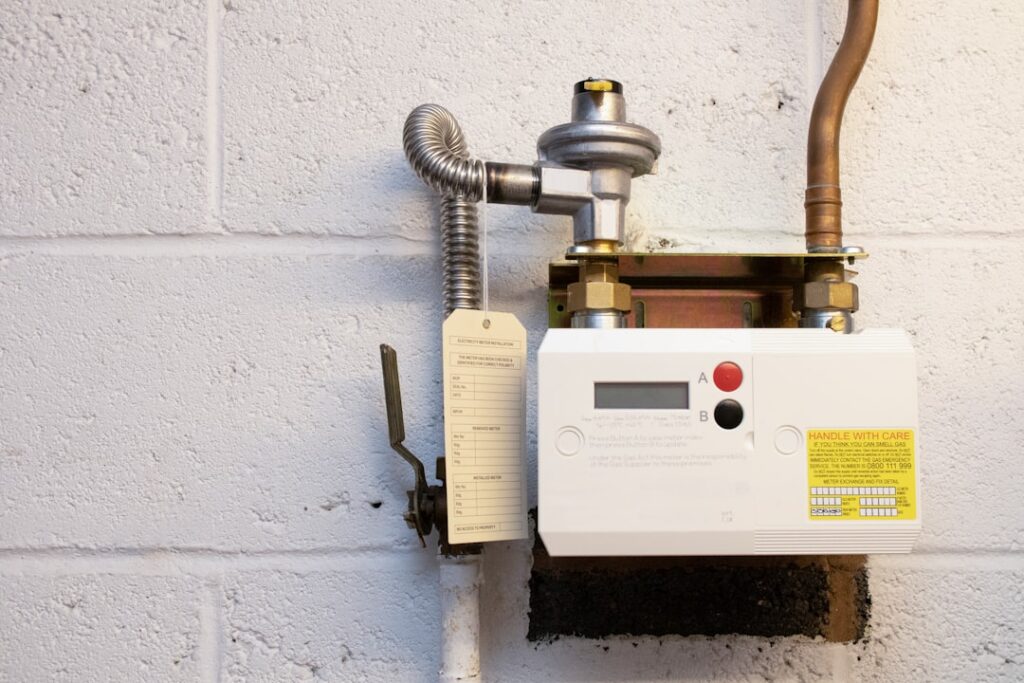
Natural gas and propane fuel furnaces, water heaters, ranges, and fireplaces in most Front Range homes, and both are explosive when they collect in air at the wrong concentration. A combustible gas leak detector finds those gases before they reach a dangerous level, alerting homeowners to a problem the nose alone cannot reliably catch. These tools range from handheld wands that sniff out the source of a leak to fixed monitors that watch a furnace room around the clock. This guide explains how they work, the sensor types involved, how they differ from carbon monoxide alarms, and how to use one safely without mistaking it for a substitute for professional repair.
What a Combustible Gas Leak Detector Does
A combustible gas leak detector senses the presence of flammable gases in air and signals when their concentration rises toward a hazardous range. The key gases in a home are methane, the main component of natural gas, and propane, used where gas mains do not reach. Both are odorized with a sulfur compound that smells like rotten eggs, but odor alone is unreliable: a small leak may be faint, some people lose sensitivity to the smell, and the additive can fade in certain soil conditions. A detector provides an objective check.
Detectors report relative to the lower explosive limit, or LEL, the concentration at which a gas-air mixture can ignite. A good monitor alarms at a small fraction of the LEL, long before the mixture becomes explosive, giving time to ventilate and shut off the supply. The category sits alongside CO and air-quality hardware described in our home inspection tools guide, and pairs naturally with the related gas leak detector for home overview.
Combustible Gas Versus Carbon Monoxide
These are two different hazards, and confusing them is a common and dangerous mistake. Carbon monoxide is a toxic byproduct of incomplete combustion; it poisons people by displacing oxygen in the blood, and it is detected by CO alarms tuned to ppm health thresholds. Combustible gas is unburned fuel that has escaped before ignition; its danger is fire and explosion, and it is measured against the LEL. A standard CO alarm does not reliably detect raw natural gas or propane, and a combustible gas detector does not measure CO. Our explainer on whether a carbon monoxide detector will detect a gas leak covers this distinction in detail.
A complete home approach uses both: CO alarms for the poisoning hazard from running appliances, and a combustible gas detector for the fire hazard from a leak in a line, fitting, or appliance connection. Some combination units monitor both, but homeowners should confirm a device actually covers both functions rather than assuming a single alarm handles every gas risk.
How the Sensors Work
Several sensor technologies appear in combustible gas detectors, and each has strengths.
Catalytic bead sensors
A catalytic bead sensor burns a tiny amount of the gas on a heated, catalyst-coated bead and measures the resulting temperature change. These have long been standard in industrial LEL monitors because they respond to a broad range of combustible gases and read reliably across the LEL range. They require oxygen to function and can be degraded by certain contaminants, so they suit fixed and professional instruments.
Semiconductor (metal oxide) sensors
Semiconductor sensors change electrical resistance when combustible gas contacts a heated metal-oxide surface. They are inexpensive, sensitive, and common in consumer plug-in monitors and handheld sniffers. They can be less specific, reacting to various gases and vapors, which makes them excellent for locating a leak but less precise for measuring exact concentration.
Infrared sensors
Infrared sensors detect how hydrocarbon gases absorb specific wavelengths of infrared light. They do not require oxygen, resist sensor poisoning, and are stable over time, though they typically target hydrocarbons like methane and propane rather than hydrogen. They appear in higher-end fixed monitors where long-term reliability matters.
Handheld Sniffers Versus Fixed Monitors
The right form depends on the task. A handheld combustible gas detector, often a wand with a flexible probe and a rising-tone or bar-graph display, is built for finding a leak. Sweeping the probe slowly along a gas line, a fitting, an appliance connector, or a meter, the user watches the reading climb as the probe nears the source. This is the tool a homeowner reaches for after smelling gas faintly or after a soapy-water test hints at a leak. Move slowly; gas detectors respond to the probe’s position, and rushing past a small leak can miss it.
A fixed monitor, plugged into an outlet or hardwired near a furnace, water heater, or gas range, watches continuously and alarms when concentration rises. These suit a furnace room, a basement utility area, or a kitchen with a gas range, and they keep watch when no one is home. For a Colorado basement that houses both the furnace and the water heater, a fixed monitor low to the floor catches a leak that pools near the appliances. Homeowners often own both: a fixed monitor for continuous protection and a handheld for pinpointing a source when an alarm or an odor appears.
Placement and Use
Placement should account for how the gas behaves. Natural gas is lighter than air and rises, so a monitor watching for a natural-gas leak belongs high on a wall or near the ceiling. Propane is heavier than air and settles, so a propane monitor belongs low, near the floor. A home with both fuels, or a homeowner unsure which applies, should follow the device manufacturer’s placement guidance for the specific gas. Mount monitors near the likeliest leak points, the gas-burning appliances and their connections, while avoiding spots directly over a range where cooking byproducts can trigger nuisance alarms.
Using a handheld sniffer effectively takes a methodical approach. Calibrate or zero the instrument in clean air first, then move the probe slowly along joints, valves, regulators, flexible connectors, and the appliance control area. Avoid contaminating the sensor with cleaning sprays, solvents, or aerosols, which can saturate it and cause false readings. Confirm a suspected leak with a soapy-water solution on the fitting, watching for bubbles, before assuming the detector is correct. Never use an open flame to check for a leak.
Reading the Lower Explosive Limit
Understanding how a combustible gas detector reports its findings makes the readings actionable. The lower explosive limit is the minimum concentration of a gas in air that will ignite if a spark or flame is present. For methane, that limit sits at roughly five percent of the air by volume; for propane it is lower, around two percent. Below the LEL there is too little fuel to burn, and above the upper explosive limit there is too little oxygen, but the range in between is dangerous. A detector that reads in percent-of-LEL gives an early warning long before the air becomes explosive.
A monitor that alarms at ten or twenty percent of the LEL is sounding while the actual gas concentration is only a fraction of a percent of the air, far below the ignition point. That margin is intentional. It buys time to ventilate, shut off the supply, and evacuate before the mixture ever reaches a flammable state. Homeowners should not wait for a reading to climb toward one hundred percent of the LEL; any sustained reading well below that is already a clear signal to act. The same logic explains why a small, persistent reading near an appliance connector deserves attention even though it poses no immediate explosion risk: it marks a leak that could grow.
Consumer monitors often simplify this into low, medium, and high indicators or a rising tone rather than a precise percentage, which is adequate for a home. Professional instruments display the percent-of-LEL number directly, which a technician uses to judge severity and to confirm a repair brought the reading back to zero. Either way, the goal is the same: detect the gas while the concentration is still far from the point where it could ignite.
Maintenance and Sensor Life
Like CO alarms, combustible gas detectors rely on sensors that age and eventually need replacement. Semiconductor and catalytic sensors typically carry a service life of several years, after which sensitivity drifts and the device can no longer be trusted. Quality monitors signal end of life; budget units may simply fade without warning, which is why noting the install date and replacing on the manufacturer’s schedule matters. Test a fixed monitor periodically using its test function, and keep its vents free of dust that can slow the sensor’s response.
Handheld sniffers benefit from careful handling. Store them away from solvents, fuels, and aerosols whose vapors can saturate or poison the sensor. Allow the instrument to warm up and stabilize in clean air before each use so it establishes an accurate zero. Replace batteries before they sag, since low power can affect readings on some models. For homeowners who only need a sniffer occasionally, keeping it in a sealed case in a clean, dry spot extends its useful life and keeps it ready when an odor or a fixed-monitor alarm calls for pinpointing the source. A monitor that is past its rated life, or one that fails its self-test, should be replaced promptly rather than relied upon for a hazard this serious.
What to Do When You Suspect a Leak
A strong gas odor or a high detector reading is an emergency. Leave the home immediately and take everyone with you. Do not flip light switches, unplug or plug in anything, use a phone indoors, or do anything that could create a spark, because a spark in a gas-air mixture can cause an explosion. From a safe distance outside, call your gas utility’s emergency line or 911. If you can do so safely on your way out and the shutoff is accessible, turning the gas off at the meter helps, but personal safety comes first. Let the utility or fire department verify the air is safe before anyone goes back inside.
For a faint odor or a low, intermittent reading that you cannot localize, ventilate the area, avoid using the suspect appliance, and call the gas utility for a check. Many utilities respond to suspected leaks at no charge. A handheld detector helps you describe where the reading is highest, which speeds the technician’s work. Keep in mind that cold weather and wind, both common along the Front Range, can affect how gas disperses; a leak that vents quickly outdoors on a windy afternoon may pool noticeably in a still, closed basement overnight, so a faint reading should not be dismissed simply because it comes and goes.
When to Call a Professional
A detector locates and warns; it does not repair. Any confirmed gas leak should be fixed by your gas utility or a licensed plumber or HVAC contractor, never by a homeowner improvising on a pressurized fuel line. Recurring low readings near an appliance point to a worn connector, a failing valve, or a loose fitting that a professional should evaluate and repair. During a home purchase, an inspector can flag aged gas connectors, improper appliance venting, and other red flags, giving buyers a basis for judging whether a licensed specialist should follow up before closing. Annual appliance service that includes a gas-tightness check is a sound habit for any Front Range home that heats with natural gas or propane. That yearly visit is also a chance to have the technician verify that your detectors are positioned correctly for the fuel in use and to confirm they are still within their rated sensor life, so the protection you rely on does not quietly lapse between seasons. Keeping a written note of each detector’s install date alongside the appliance service records makes that yearly check a quick formality rather than a guessing game about how old each unit is.
References
- Fire and Gas Safety After a Disaster — Centers for Disease Control and Prevention
- Combustible Gas and Dust Hazards — Occupational Safety and Health Administration
- Home Fire and Gas Safety — National Fire Protection Association