Home Inspection Tools: A 2026 Buyer’s Guide for Homeowners and Working Inspectors

Explore by topic
The home inspection toolkit has consolidated into a small set of instruments that produce most of the diagnostic value: a thermal camera, a moisture meter, a borescope, a few measurement instruments for combustion and electrical work, and a continuous radon monitor for ongoing visibility. This pillar reviews each category — what the tool does, who it is for, what to spend, and which models are widely used in 2026. Read it as the buyer’s-guide hub for the rest of the reviews on this site.
InspectandTest is an independent editorial team. We have not physically tested every product mentioned in this hub; specific reviews on our site disclose which products we have hands-on experience with and which we are evaluating from documented manufacturer specifications and consumer feedback. Pricing reflects May 2026 retail.
How to think about home inspection tooling
The tooling falls into three tiers, each with a different return on the dollar.
The essential homeowner kit — under $300, covering moisture, radon, basic electrical, and visual inspection. Anyone owning a home built before 2000 should have this kit.
The serious homeowner / hobbyist kit — $700 to $1,500, adding a phone-attached thermal camera, a basic borescope, and a more capable moisture meter. Justified once you are planning multiple inspection-related projects (energy audit, leak hunt, pre-purchase due diligence on multiple properties).
The working inspector kit — $2,500 to $6,000, adding higher-resolution thermal imaging (stand-alone camera at 320×240 or above), professional combustion analyzers, gas leak detectors, professional report-generation hardware, and redundancy. Justified by recurring revenue from inspections.
Most of this guide focuses on the essential and serious-homeowner tiers. Working inspectors building professional kits should add the ASNT thermography Level I or NACHI Certified Professional Inspector training paths and use this guide for the supplementary instruments not specified by their certification programs.
Thermal imaging cameras
Thermal cameras visualize surface temperature differences, which correlate with moisture (evaporation cools surfaces), insulation gaps (cold spots in winter, hot spots in summer), HVAC issues (air leaks, register imbalance), and electrical hot spots (overloaded breakers, loose connections). The right thermal camera turns invisible problems into a screenshot you can share with a contractor.
Three meaningful tiers in 2026:
- Phone-attached, $200 to $400. FLIR ONE Pro and Seek Thermal Compact Pro. Plug into a USB-C or Lightning phone and use the phone screen as the viewfinder. Both are credible. FLIR’s MSX overlay produces clearer images for beginners; Seek wins on raw pixel count. Our FLIR ONE Pro review walks through the trade-offs.
- Pocket stand-alone, $700 to $1,500. FLIR C3-X, Hikmicro Mini, Topdon TC003. Independent device, takes the form of a small camera or smartphone-shaped unit. Useful when you do not want to drain your phone battery or want a dedicated tool that lives in the toolkit.
- Professional handheld, $1,500 to $5,000. FLIR Ex-Pro and T-Series, Fluke Ti-Series, Hikmicro M-series. Higher resolution (320×240 to 1024×768), better thermal sensitivity, integrated cameras with high-resolution visible-light overlay, and software workflows for inspection report generation.
For homeowners and most prosumers, the phone-attached tier is the right starting point. Step up only if you have a specific application that benefits from higher resolution or stand-alone form factor.
Moisture meters
The single most useful tool a homeowner can own. Moisture meters quantify what your eyes guess at — whether a wall, ceiling, floor, or framing member contains moisture, and at what level. Two flavors:
Pinless (non-invasive) meters use radio-frequency or capacitive sensing to read moisture in the top quarter-inch to inch of material without leaving marks. Useful for sweeping large surfaces fast. Tramex Compact, General MMD7NP, and Klein ET140 are widely used at the homeowner-prosumer level.
Pin (invasive) meters drive two electrodes into the material and measure electrical resistance, which scales with moisture. More precise quantitatively, useful for confirming pinless screenings and for reading deeper. Delmhorst BD-10 is the inspector standard; Klein ET145 covers the homeowner range.
Most working inspectors carry both. For homeowner use, start with a quality pinless ($50 to $150). Add a pin meter only if you are doing recurring construction or restoration work.
Borescopes (inspection cameras)
Borescopes thread a small camera on a flexible cable into spaces you cannot reach with a phone or eye — wall cavities, drains, ductwork, attic insulation, vehicle components. The use case is targeted (a specific suspected problem) rather than continuous.
- USB and phone-attached, $30 to $100. Depstech, Anykit, NIDAGE. Good enough for occasional use. Image quality is usable but not great; cable lengths typically 3 to 5 meters.
- Stand-alone with built-in screen, $150 to $300. Teslong NTS300, Bosch GIC120. Better image quality, dedicated screen, more rugged. Worth the upgrade for repeated use.
- Articulating-head pro models, $300 to $1,000. Milwaukee M-Spector, Klein ET17. Bend the camera tip with controls so you can see around corners — important for HVAC and engine-bay inspection. Overkill for homeowner use.
For most homeowner one-off problems, a $50 phone-attached borescope is sufficient.
Continuous radon monitors
The single best home-safety purchase under $300 for owners of any home in EPA Radon Zone 1 (which includes essentially the entire Front Range). Continuous monitors report rolling daily, weekly, and monthly averages on a phone app and let you see when conditions change — a sump pump failure, a renovation, a furnace replacement that affects pressure differentials. AirThings View Plus and View Radon, Corentium Home, and RadonEye RD200 are the standard recommendations. The investment pays back the first time the device flags a level you would not otherwise have caught between formal tests.
For one-time testing — a real estate transaction, a single screening — a charcoal-canister kit ($15 to $30) plus the lab fee is sufficient. Continuous monitors are for owners who want ongoing visibility rather than periodic snapshots.
Combustion analyzers and gas detectors
Two distinct tools homeowners sometimes confuse.
Combustion analyzers measure the efficiency and safety of combustion appliances (gas furnace, water heater, boiler) by sampling flue gas and reporting CO, CO2, O2, and combustion efficiency. Used during HVAC tune-ups and safety checks. Bacharach Insight Plus and Testo 320i are the inspector standards. Not a homeowner tool — leave this to the HVAC technician.
Combustible gas detectors sniff for natural gas (methane) and propane leaks. Useful for a homeowner spot-checking a suspected leak around appliances or supply lines. UEi CD100A and Klein ET120 cover the homeowner range, $30 to $80. Step up to the inspector-grade Bacharach Leakator if you are doing inspection work.
Carbon monoxide detectors are required residential safety equipment per state law in most states; you should already have one. The hardware here ($25 to $60 for a quality plug-in or hardwired unit, Kidde and First Alert) is not part of the inspection toolkit per se — but is mentioned because confusing CO alarms with combustion analysis is a common error.
Electrical inspection tools
The basic kit:
- Outlet tester ($10 to $20). Klein RT250, Sperry GFI6302. Verifies outlet wiring and GFCI function. Should be in every homeowner kit.
- Non-contact voltage tester ($15 to $30). Klein NCVT-3P, Fluke 1AC-A1-II. Verifies whether wires and outlets are live without contact.
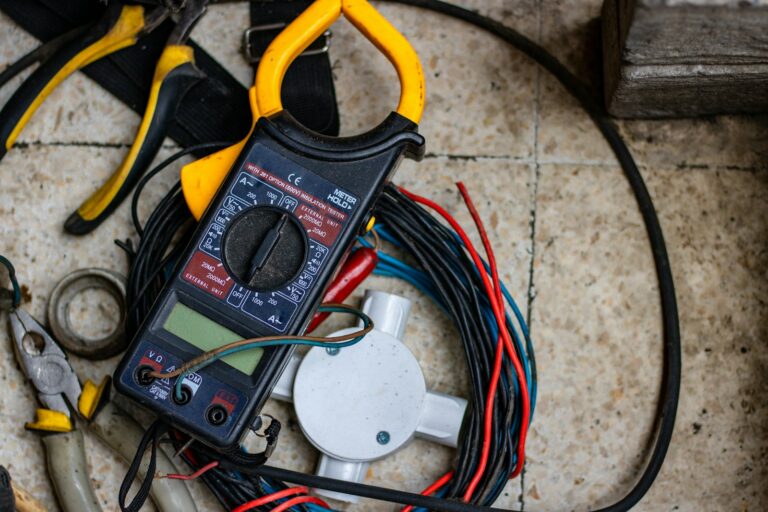
- Multimeter ($30 to $100). Klein MM400 or MM700, Fluke 117. For voltage, continuity, and resistance measurements. Most homeowners do not need one; useful for hobbyists and electricians.
- Clamp meter ($50 to $200). For measuring current draw without breaking a circuit. HVAC and inspection work; not a basic kit item.
Documentation and access tools
- High-lumen flashlight (1,000+ lumens). Fenix PD36R, Olight Warrior Mini, Streamlight Stinger. The single most-used tool on any inspection.
- Headlamp. Frees both hands; useful in attics and crawl spaces. Petzl Tactikka, Black Diamond Spot.
- Telescoping ladder ($200 to $500). Werner or Little Giant. For attic access and roof inspection.
- Crawl-suit or coveralls. If you will be in crawl spaces.
- Respirator (P-100 minimum). 3M 7503 with P-100 cartridges. For attic, crawl space, and any suspected asbestos or mold exposure.
Pricing tiers — what to spend
| Kit | Includes | Total cost |
|---|---|---|
| Essential homeowner | Flashlight, pinless moisture meter, continuous radon monitor, IR thermometer, outlet tester, NCV tester | $150–$300 |
| Serious homeowner | Above + phone thermal camera, basic borescope, multimeter, P-100 respirator, headlamp | $700–$1,500 |
| Pro inspector starter | Above + stand-alone thermal camera (320×240+), pin moisture meter, articulating borescope, gas leak detector, telescoping ladder, report software | $2,500–$6,000 |
What not to buy
- Sub-$200 thermal cameras. Resolution and accuracy are not adequate for diagnostic use. Either rent a real camera for one-off projects or step up to the FLIR ONE Pro / Seek Compact Pro tier.
- Settling-plate mold test kits. Effectively decorative — they confirm spores exist (true of every home) without quantifying anything useful.
- Combination “all-in-one” inspection devices. Marketed as moisture-plus-thermal-plus-distance-meter packages; almost always weaker at every individual function than dedicated single-purpose tools at similar price.
- Generic “EMF detectors” for home use. Real radio-frequency and electromagnetic-field measurement requires calibrated lab-grade equipment; consumer EMF meters detect basic AC fields but rarely produce actionable information for residential decisions.
Frequently asked questions
What's the minimum tool kit for a homeowner doing their own inspection?
For a homeowner walking their own house once a year, the practical kit is a flashlight (1,000+ lumens), a moisture meter (any reasonable pinless model in the $50 to $150 range), a continuous radon monitor ($130 to $250 one-time purchase), an inexpensive infrared thermometer (~$30), and an outlet tester ($10 to $20). Total kit under $300 covers visible defect screening, the highest-priority moisture and radon checks, and basic electrical safety verification. Add a phone-attached thermal camera (FLIR ONE Pro or Seek Compact Pro) when you start tracking specific issues that need diagnostic visualization.
Are the cheap thermal cameras on Amazon worth it?
Below about $150 for a thermal camera, you are buying a toy — resolution is too low for diagnostic use, the temperature accuracy is unreliable, and the apps are abandoned. The credible entry point is around $200 (FLIR ONE Pro or Seek Compact Pro), where you get usable resolution, working software, and accurate temperature data. Save the money on cheaper devices and either rent a real camera for one-off inspections or step up to a real one if you will use it repeatedly.
Pin vs pinless moisture meter — which should I buy?
Pinless meters scan a surface non-destructively and are faster for sweeping a wall to find concentrated moisture. Pin meters give a more precise quantitative reading at a single point and can read deeper into materials. Buy a pinless first; it solves more homeowner problems faster. Working inspectors often carry both. The Klein ET140, Tramex Compact, and General MMD7NP are widely used moisture meters at the prosumer price point.
Do I need a borescope?
For specific problems, yes. Borescopes (inspection cameras) let you see inside walls, ducts, drains, and tight cavities without cutting. The use case is usually targeted: a hidden leak, a suspected nest in a wall cavity, an HVAC duct contamination check. A $30 to $100 USB or phone-attached borescope handles most homeowner needs. The premium category ($500 to $1,000) adds higher resolution, better lighting, and articulating heads — useful for working inspectors but overkill for once-a-year homeowner use.
What's the difference between a homeowner inspector kit and a pro inspector kit?
The pro kit adds documentation tooling (flashlight on a magnetic mount, professional moisture meter, professional thermal camera with radiometric output, gas detector for natural gas leaks, anemometer for HVAC airflow), redundancy (two outlet testers, two flashlights), report generation hardware (laptop or tablet, printer for site reports), and mobility (a wheeled tool case rather than a backpack). The math: a serious homeowner kit lives under $1,500; a working inspector kit is $2,500 to $6,000 once thermal imaging at the higher resolutions and report software are included.
References
- Institute of Inspection, Cleaning and Restoration Certification (IICRC)
- American Society for Nondestructive Testing (ASNT) — thermography certification levels
- International Association of Certified Home Inspectors (InterNACHI)
- American Society of Home Inspectors (ASHI)
- ENERGY STAR: Seal and Insulate — U.S. Environmental Protection Agency (ENERGY STAR)
Explore all guides in this topic
Wired vs Wireless Security Cameras: Reliability, Cost, Cold
Wired vs wireless security cameras compared: PoE and NVR reliability versus battery and Wi-Fi convenience, typ…
How to Read FLIR Thermal Images Without Fooling Yourself
A FLIR thermogram maps temperature to color, but a blue patch could be wet drywall, missing insulation, or not…
Lumber Moisture Meter: Targets, Pins, and Species
Framing lumber ships at 19 percent or below; install wetter and you lock in cupping, gaps, and split joints la…
FLIR Thermal Cameras: Matching the Tier to the Job
FLIR thermal cameras span four tiers: a $400 phone clip-on, an $800 pocket unit, $2,000-$10,000 pro handhelds,…
Concrete Moisture Meters: Pinless, RH Probe, or MVER?
Three tools, three jobs: a pinless meter screens for wet spots, an in-situ RH probe (ASTM F2170) qualifies a s…
What Thermal Infrared Cameras See (and Can’t See)
A thermal infrared camera maps surface temperature in false color. It can't see through walls or measure moist…

Choosing a Home Thermal Imaging Camera That Finds Defects
A home thermal camera runs $200 to $1,000 and finds air leaks, missing insulation, and hot breakers. Two specs…

Reading a Borescope Camera Spec Sheet, Line by Line
The camera at the probe tip decides image quality, not the cable. How to read resolution, sensor, LEDs, and op…

FLIR Thermal Goggles: Why Home Inspectors Use Handhelds
FLIR thermal goggles are a military and hunting product, wrong for a house. For finding leaks, insulation gaps…

Where to Rent a Borescope and Which Tier to Get
Four scope tiers reach very different distances, so match the rental to the job. Where to find them, what each…

Seek IR Cameras: Models, Specs, and What They Detect
Seek Thermal makes phone-attached and standalone infrared cameras built on the same microbolometer as a $5,000…
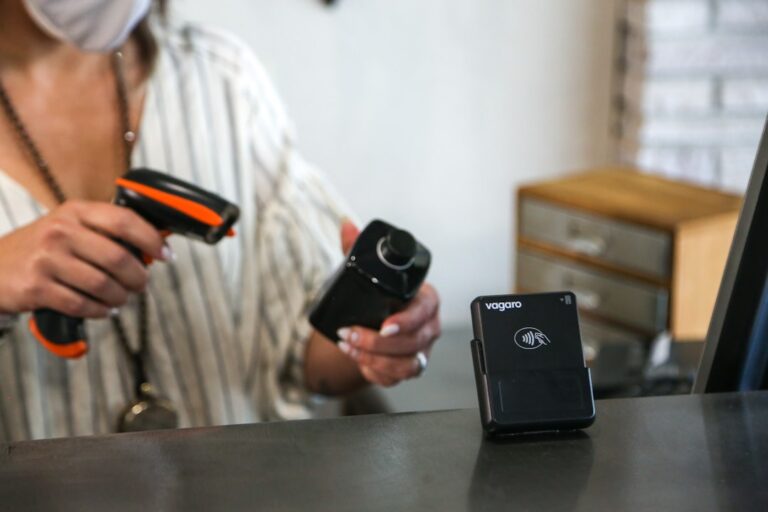
The “Thermal Imaging Gun” Is Usually an IR Thermometer
A thermal imaging gun is almost always a pistol-grip spot IR thermometer reading one number, not a heat image;…

Buying a Hunting Thermal Camera: Specs That Actually Matter
Shop a hunting thermal on identification range, not detection; the two differ 8 to 1. Resolution, NETD, and a…

Drone Thermal Cameras: When Aerial Roof Scans Pay Off
A drone thermal camera scans a full roof plane in minutes to flag trapped moisture and bad insulation. Here's…

Best Smoke Detectors (2026): 6 Battery Picks Compared
The best smoke detector for most homes is a photoelectric alarm with a sealed 10-year battery and a UL 217 lis…

Best Hardwired Smoke Detectors (2026): 6 Picks Compared
The best hardwired smoke detector matches your existing wiring and interconnect brand. We compared current lis…
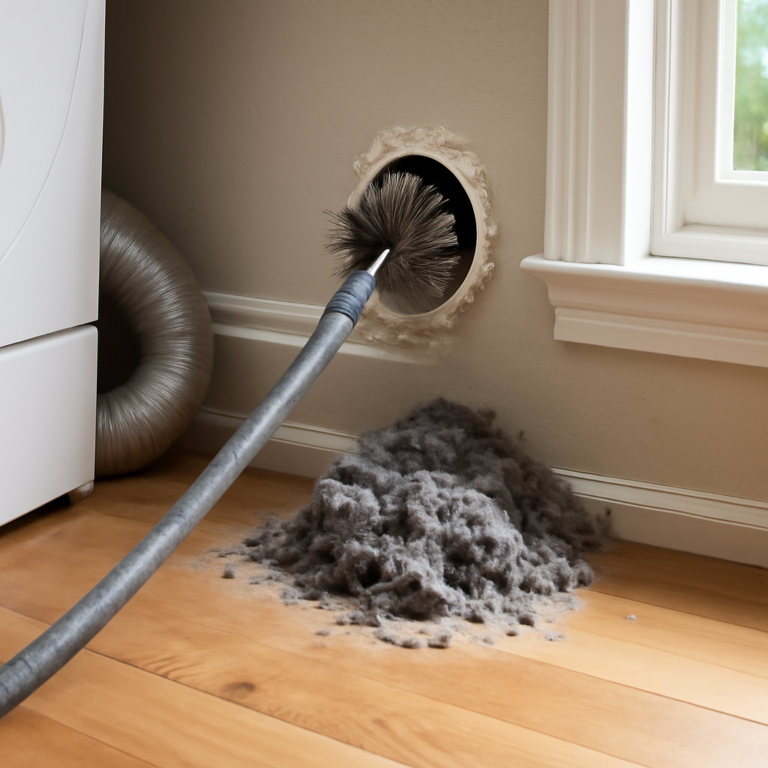
Dryer Vent Cleaning: Fire Risk, How Often and What It Costs
Dryer vent cleaning explained: fire risk, signs of a clogged vent, how often to clean, DIY vs pro service, ven…
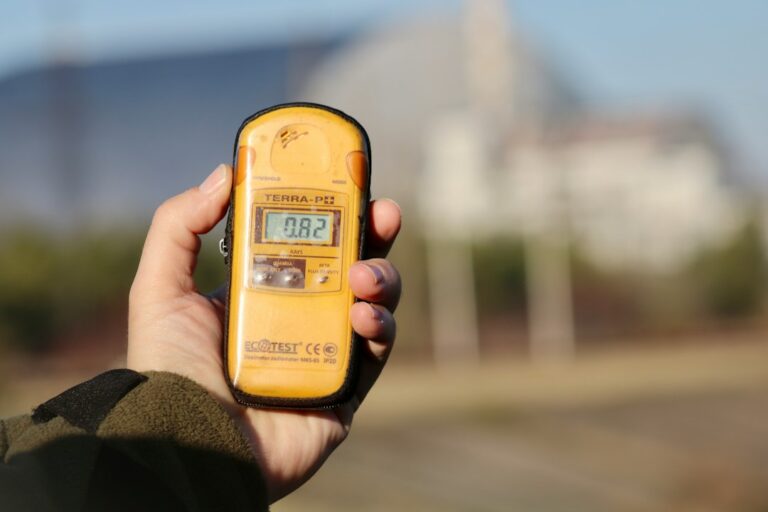
Best Refrigerant Leak Detectors (2026): 7 Sniffers Compared
The best refrigerant leak detector depends on sensor type, sensitivity and refrigerant coverage. We compared 1…
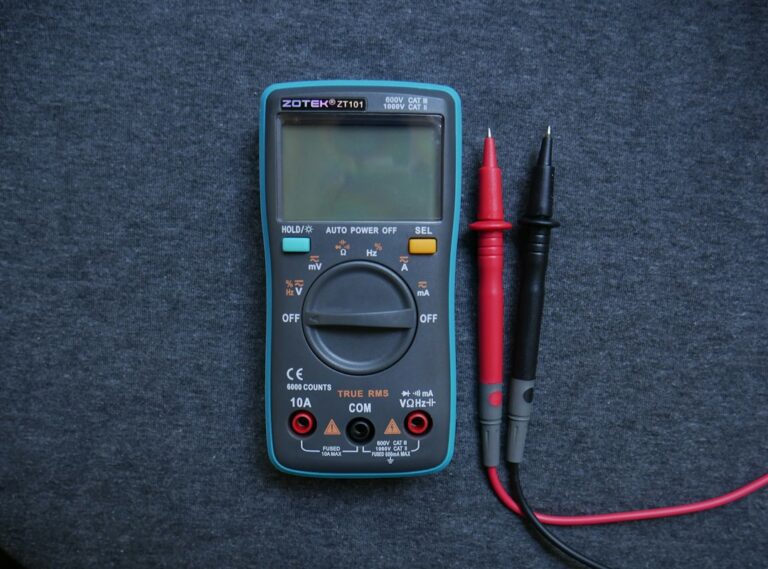
How to Use a Multimeter: Voltage, Continuity and Resistance
How to use a multimeter safely: pick the right CAT rating, inspect leads, then follow worked steps to test vol…
Best Smart Smoke Detectors (2026): 6 App-Connected Picks
Looking for the best smart smoke detector? We compared 13 current listings on app alerts, interconnect, UL 217…

Best Security Camera Systems (2026): 7 NVR and DVR Kits
Comparing the best security camera system for a house? We compared 17 current listings and narrowed them to 7…
Best Doorbell Cameras Without Subscription (2026): 7 Picks
Want the best doorbell camera without subscription fees? We compared 17 current listings on built-in storage,…

Best Indoor Security Cameras (2026): 7 Picks for Privacy
Searching for the best indoor security camera? We compared 14 current listings on privacy controls, pet and ba…
Best Wireless Outdoor Security Cameras (2026): 7 Picks
Shopping for the best wireless outdoor security camera? We compared 14 battery and solar listings on runtime,…
Product reviews in this topic
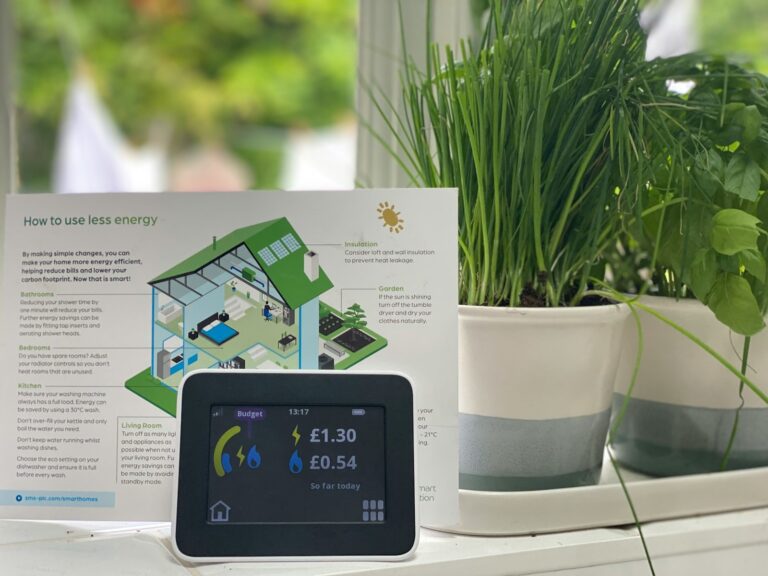
AirThings View Plus Review: The Best All-in-One Indoor Air Quality Monitor for Homeowners
Is the $299 AirThings View Plus worth it? An independent review covering the seven IAQ parameters, accuracy, a…
AirThings View Radon Review: The Radon-Focused Sibling to the View Plus
Is the $179 AirThings View Radon the right monitor for households focused only on radon? An independent review…

Delmhorst BD-10 Review: The Industry Standard Pin Moisture Meter
Why IICRC-certified remediators and ASHI-certified inspectors carry the Delmhorst BD-10, what justifies the $2…
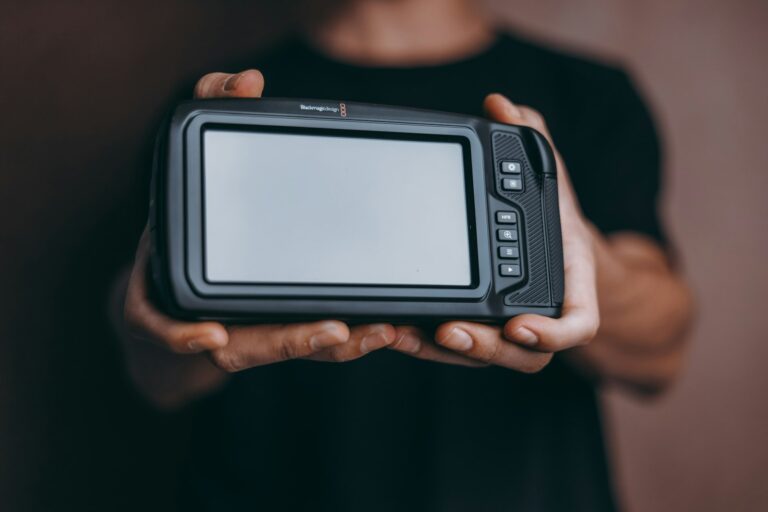
FLIR C3-X Review: A Stand-Alone Pocket Thermal Camera for Home Inspectors
Is the $549 FLIR C3-X the right thermal camera for inspectors who do not want a phone-attached unit? An indepe…
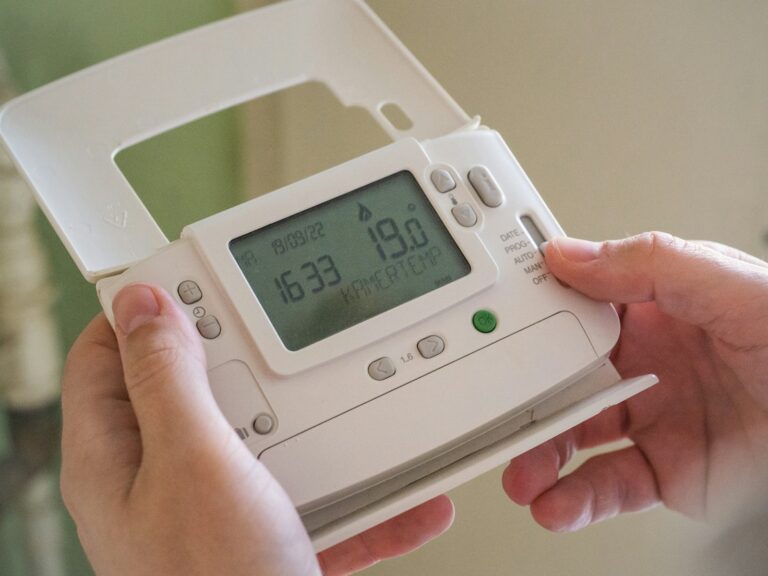
FLIR ONE Pro Review: Thermal Imaging for Home Inspection on a Phone
Is the FLIR ONE Pro worth for a homeowner or working inspector? An independent review covering specs, strength…
Hikmicro Pocket2 Review: A Higher-Resolution Stand-Alone Thermal Camera
Is the $499 Hikmicro Pocket2 a credible alternative to FLIR's stand-alone thermal cameras? An independent revi…
Klein NCVT Voltage Tester Review: Essential Tool for Every Inspection Kit
Is the $25 Klein NCVT-3P non-contact voltage tester the right tool for every inspection kit? An independent re…

Klein Tools ET140 Moisture Meter Review: A Strong Pick for Homeowners and Inspectors
Is the Klein ET140 pinless moisture meter worth $80? An independent review covering specs, accuracy, build qua…
RadonEye RD200 Review: A Fast-Reading Continuous Radon Monitor
Is the $189 RadonEye RD200 a credible alternative to AirThings? An independent review covering specs, the alph…

Seek Thermal Compact Pro Review: Higher Resolution Than FLIR ONE Pro at the Same Price
Is the $499 Seek Thermal Compact Pro the right thermal camera for inspectors who want higher resolution? An in…
Tramex Compact Moisture Meter Review: The Inspector Industry Standard
Why home inspectors and IICRC-certified remediators carry the Tramex Compact, what justifies the $250+ price,…
Wagner Orion 940 Review: Premium Pinless Moisture Meter for Flooring and Restoration Work
Is the $400+ Wagner Orion 940 worth the premium over a Tramex Compact? An independent review covering specs, I…