Humidity Control: Humidifiers, Dehumidifiers & Hygrometers
Indoor humidity is the one air-quality number most homeowners can measure cheaply, read easily and change themselves. Too little moisture leaves skin, sinuses and wood floors dry in winter; too much feeds dust mites, musty odors and, eventually, mold. This hub gathers our guides on humidity control in home settings: how to measure relative humidity (RH), when a dehumidifier or a humidifier is the right tool, how to size and run one, and what a home inspector reads into condensation, damp basements and stained window sills. It sits under our indoor air quality guide, alongside sibling hubs on air quality testing, ventilation and air cleaning. The anchor figure throughout is the U.S. Environmental Protection Agency’s guidance to keep indoor humidity below 60 percent and ideally between 30 and 50 percent (EPA, A Brief Guide to Mold, Moisture and Your Home). Prices below are typical ranges, not quotes.
Why humidity matters, and why Colorado homes swing both ways
Relative humidity is the amount of water vapor in the air compared with the most that air could hold at its current temperature. Because cold air holds less moisture, the same house can read 25 percent in January and 65 percent in a basement in July. Our overview of humidity control and mold prevention explains the basic physics, and humidifier vs dehumidifier helps decide which direction a particular home needs to go before anyone buys equipment.
Along the Colorado Front Range the answer is often “both.” Semi-arid winter air, forced-air heat and high altitude push living-space humidity into the teens or twenties for months, while below-grade rooms, crawl spaces and bathrooms can stay damp year-round. Other parts of the country lean harder one way, with humid summers in the Southeast and Midwest making dehumidification the main job. Wherever the home is, the goal is the same band, and the fix starts with finding the moisture source. If a room stays humid even with equipment running, our guide on how to lower humidity in a house walks through leaks, unvented dryers, long showers, wet crawl spaces and poor drainage, which are usually cheaper to correct than to dehumidify around.
The reason this hub keeps returning to the 60 percent ceiling is mold. Growth depends on moisture at surfaces, not just in the room air, and our mold guides explains what humidity mold grows at and how mold and humidity interact on cold walls, closets and basement slabs. The CDC’s mold guidance makes the same point plainly: mold grows where there is moisture, and cleanup has to include fixing the moisture problem. If you already see growth or smell a persistent musty odor, the mold inspection guide is the better starting point than a new appliance.
Measuring humidity: hygrometers and controllers
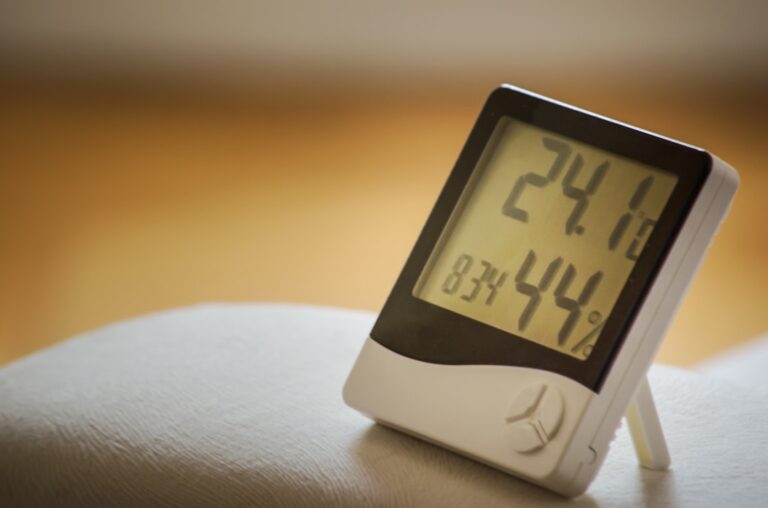
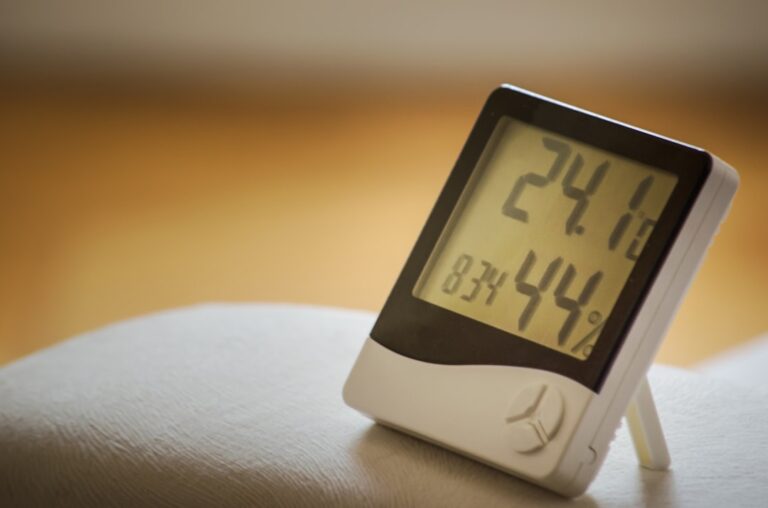
Every humidity decision should start with a reading, and the tool for that is a hygrometer. If the term is new, what is a hygrometer and the shorter hygrometer definition cover the basics, while what a hygrometer measures explains the difference between relative humidity, dew point and absolute moisture. People sometimes confuse the instrument with a device for measuring liquid density, which is why we keep a separate explainer on hydrometer vs hygrometer.
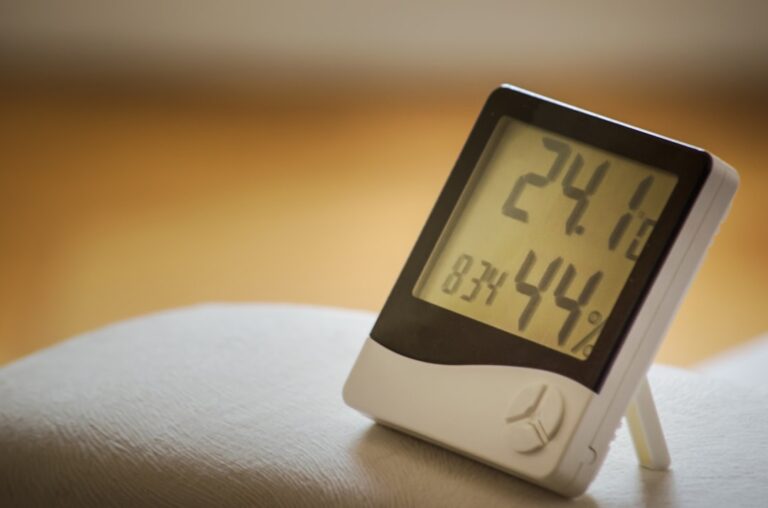
Most homes need nothing more than an inexpensive digital unit, and EPA notes that humidity meters are small, low-cost instruments sold at many hardware stores. Our guides to the digital hygrometer and the thermo hygrometer (which adds temperature) explain what accuracy to expect: consumer units are commonly within a few percentage points, which is plenty for keeping a room in the 30 to 50 percent band but not for settling a dispute over 58 versus 61 percent. A simple check is to place two or three units side by side for a day; if one disagrees sharply, trust the cluster. Connected sensors that log history are useful in basements and vacation homes, and our Govee hygrometer guide looks at one popular app-based family. For a wider view of what is on the market, the best hygrometers roundup compares listings by display, logging and alerts, and the broader hygrometer guide covers placement: away from exterior walls, supply registers, kitchens and direct sun, at roughly breathing height.
Once you can see the number, you can automate it. A humidity controller switches a plug-in dehumidifier, humidifier or fan on and off at a set point, and the furnace-mounted equivalent is the humidistat, which in cold climates should be turned down as outdoor temperatures fall to avoid window frost. For small enclosed spaces such as gun safes, cigar boxes, instrument cases or pantry bins, two-way humidity control packs do the job without power.
The cheapest humidity sensor in the house is the window. Persistent fog or frost on the room side of the glass, water pooling on sills or peeling paint below the window all say the air is wetter than that surface can handle. Our guide to window condensation separates the three cases (inside, outside, between the panes) and explains which point to humidity and which point to a failed insulated-glass seal. Inspectors note recurring condensation stains because they often correlate with mold on nearby drywall and window framing.
Dehumidifiers: sizing, placement and running costs
A dehumidifier is the right tool when a space stays above about 60 percent after obvious sources have been fixed. Start with the plain-language dehumidifiers overview, then use how to choose a dehumidifier to match capacity to the space. Capacity is rated in pints of water removed per day under a standard test condition; manufacturers rate units under the AHAM/Department of Energy procedure, so compare ratings from the same procedure rather than older pre-2019 labels, which ran higher for the same machine. The best dehumidifiers roundup organizes current listings by capacity, and ENERGY STAR reports that certified models remove the same amount of moisture as similar conventional units while using about 20 percent less energy.
Where the unit goes matters as much as which unit. For general living areas, our guides on a dehumidifier for home use and a dehumidifier for the whole house compare portable units with ducted whole-home systems that tie into the HVAC. Basements are the most common problem area, so start with basement humidity and the dehumidifier for basement guide, then the best basement dehumidifiers roundup for units that keep working in cool rooms where cheaper coils can frost. Crawl spaces are a different job, usually paired with a vapor barrier or encapsulation, and our crawl space section covers the dehumidifier in crawl space decision and crawl space dehumidifier cost.
Smaller rooms have their own trade-offs. Sleeping areas need quiet operation and a sensible night mode, covered in the dehumidifier for bedroom guide and the best dehumidifier for bedroom roundup. A bathroom without a working exhaust fan is better fixed at the fan (see the ventilation guide), but the best dehumidifier for bathroom page and the best small dehumidifier roundup explain what compact Peltier and mini-compressor units can and cannot do. Garages bring cold temperatures and rust on tools and vehicles, so see garage dehumidifiers and the best garage dehumidifiers roundup before buying a unit rated only for warm rooms.
Draining is the detail most buyers overlook. Emptying a bucket twice a day gets old fast, and our dehumidifier drain hose guide covers gravity drains to a floor drain or sump, while the best dehumidifier with pump roundup compares built-in pumps by lift height for basements with no drain at floor level. Inspectors sometimes find hoses draining onto a slab or into a sump without a check valve, which simply recycles the water.
Two practical questions come up constantly. The first is how long it takes: how long a dehumidifier takes to work explains why air reaches target in hours but damp materials such as carpet, framing and concrete can take days or weeks to dry out. The second is cost: the cost to run a dehumidifier works through wattage, hours and local electric rates, with a typical portable unit costing a few dollars to a few tens of dollars a month depending on how hard it runs.
Humidifiers: types, sizing and keeping them clean
In dry climates and heating season, adding moisture can make a house more comfortable and protect wood floors and furniture, but humidifiers carry their own risks if they are oversized or neglected. Begin with what size humidifier you need, which converts room area and home tightness into gallons per day. Then decide on a type: evaporative vs ultrasonic humidifiers lays out the trade-off. EPA notes that ultrasonic and impeller (“cool mist”) units can disperse minerals and microorganisms from their tanks into the air, while evaporative units are not expected to disperse substantial amounts of minerals. That is why ultrasonic owners in hard-water areas often see a fine “white dust” on furniture, and why EPA suggests low-mineral water such as distilled.
For room units, the general best humidifiers roundup compares listings by output and tank size, with narrower roundups for evaporative wick models, cool mist humidifiers, quiet bedroom humidifiers, nursery humidifiers (cool mist only, out of reach of children) and high-output units for large rooms. If the real goal is fewer allergens rather than more moisture, air purifier vs humidifier explains why the two do different jobs, and our air purifiers guide covers filtration in depth.
Cleaning is not optional. EPA’s humidifier guidance is to empty, wipe dry and refill portable tanks daily, clean them every third day to remove scale and film, rinse thoroughly after any cleaner, and not humidify above 50 percent. Our step-by-step guide on how to clean a humidifier turns that into a daily, weekly and end-of-season routine.
Whole-house systems mount on the furnace and humidify every room through the ductwork. The whole house humidifier guide compares bypass, fan-powered and steam designs, whole house humidifier cost sets out typical installed ranges (bypass units at the low end, steam units with dedicated wiring at the high end), and the best whole house humidifiers roundup covers furnace and console listings. Evaporative pads need replacing at least once a season in hard-water areas, as our guide to humidifier water panels explains. Inspectors flag whole-house units with disconnected drain lines, mineral-crusted pads, water stains on the furnace cabinet or a humidistat left at summer settings.
What the humidity numbers mean
Use this table as a quick read of a hygrometer. Bands follow EPA’s below-60, ideally 30-to-50 percent guidance; the actions are common first steps, not a diagnosis.
| Indoor RH reading | What it usually means | First step | Guide |
|---|---|---|---|
| Below 25% | Very dry; typical of Front Range winters with forced-air heat | Seal air leaks, then add a sized humidifier | Humidifier sizing |
| 25–30% | Dry but common in cold weather; window frost risk rises if pushed higher | Humidify modestly; lower the set point as it gets colder | Humidistat settings |
| 30–50% | EPA’s ideal range | Keep monitoring; check below-grade rooms separately | Hygrometer placement |
| 50–60% | Acceptable but trending damp; dust mites favor this range | Run bath and kitchen fans; check for leaks | Lowering humidity |
| Above 60% | Above EPA’s ceiling; mold risk on cool surfaces | Fix the source, then dehumidify | Choosing a dehumidifier |
| Condensation, musty smell or visible growth | Moisture problem already at surfaces | Dry out and assess for mold before buying equipment | Mold inspection |
References
- A Brief Guide to Mold, Moisture and Your Home — U.S. Environmental Protection Agency
- Use and Care of Home Humidifiers — U.S. Environmental Protection Agency
- Dehumidifiers — ENERGY STAR
- About Mold — Centers for Disease Control and Prevention
Frequently asked questions
What is the ideal humidity level for a home?
EPA recommends keeping indoor relative humidity below 60 percent and ideally between 30 and 50 percent. In very cold weather many homes run toward the low end of that range to avoid condensation and frost on windows.
Should I get a humidifier or a dehumidifier?
Measure first. If a hygrometer reads below about 30 percent for long stretches, a humidifier may help; if a room stays above 60 percent after leaks and ventilation are addressed, a dehumidifier is the usual tool. Many Front Range homes need a humidifier upstairs in winter and a dehumidifier in the basement in summer.
What size dehumidifier do I need?
Capacity is rated in pints of moisture removed per day. Size it to the area and how damp the space is: a mildly damp bedroom needs far less than a wet basement. Compare units rated under the same current test procedure, since older labels listed higher numbers for similar machines.
Why does my humidifier leave white dust on furniture?
Ultrasonic and impeller humidifiers can release dissolved minerals from tap water into the air, which settle as white dust. EPA suggests using low-mineral water, such as distilled water, or switching to an evaporative model, and cleaning the tank regularly.
Is window condensation a sign of a humidity problem?
Condensation on the room side of the glass usually means indoor humidity is too high for how cold the glass is. Fog between the panes of a double-pane window points to a failed seal instead. Recurring room-side condensation is worth addressing because it can lead to mold on sills and nearby walls.
Seeing damp basement walls, recurring condensation or a musty smell in a Front Range home? Contact our team and we can point you toward a qualified local inspector.
Dehumidifiers

Dehumidifier for Home: What Homeowners Need to Know

Dehumidifier for Basement: What Homeowners Need to Know

Cost to Run a Dehumidifier: Watts, Hours and Real Examples

How Long Does a Dehumidifier Take to Work? Hours vs Days

Humidifier vs Dehumidifier: Which One Your Home Actually Needs
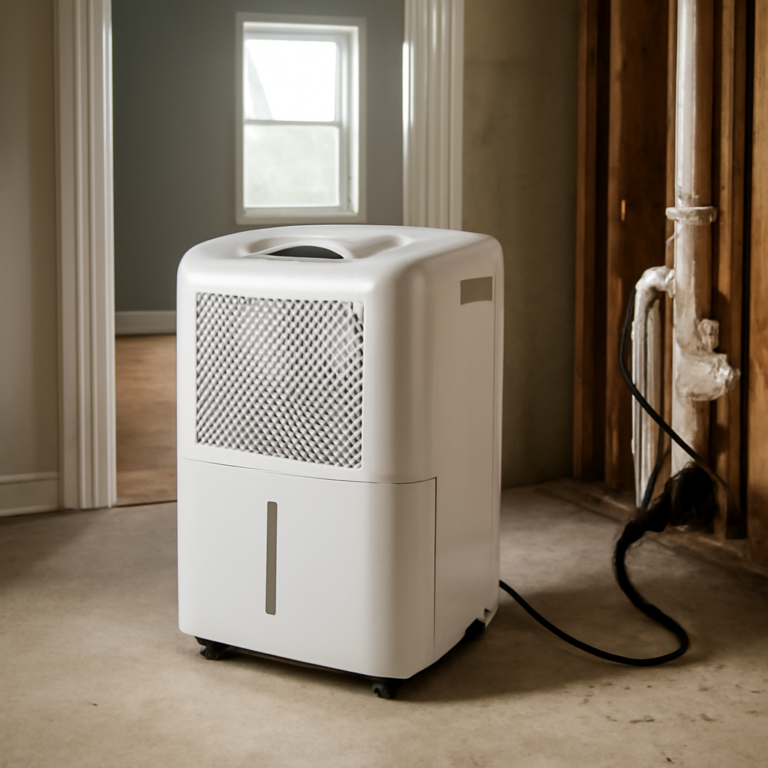
Best Dehumidifier With Pump (2026): 7 Units Compared by Lift
Humidifiers
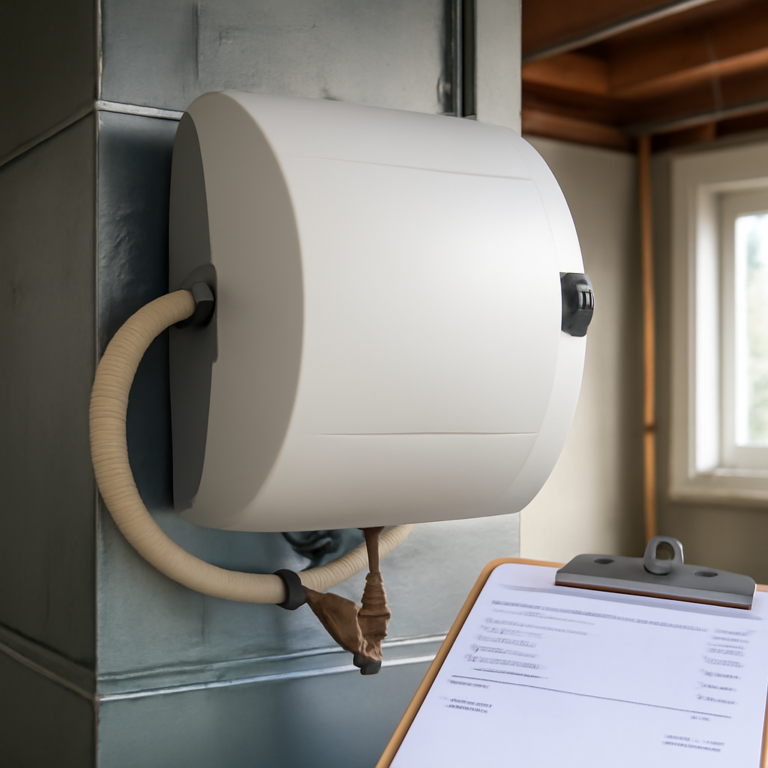
Whole House Humidifier Cost: Bypass, Fan and Steam Units
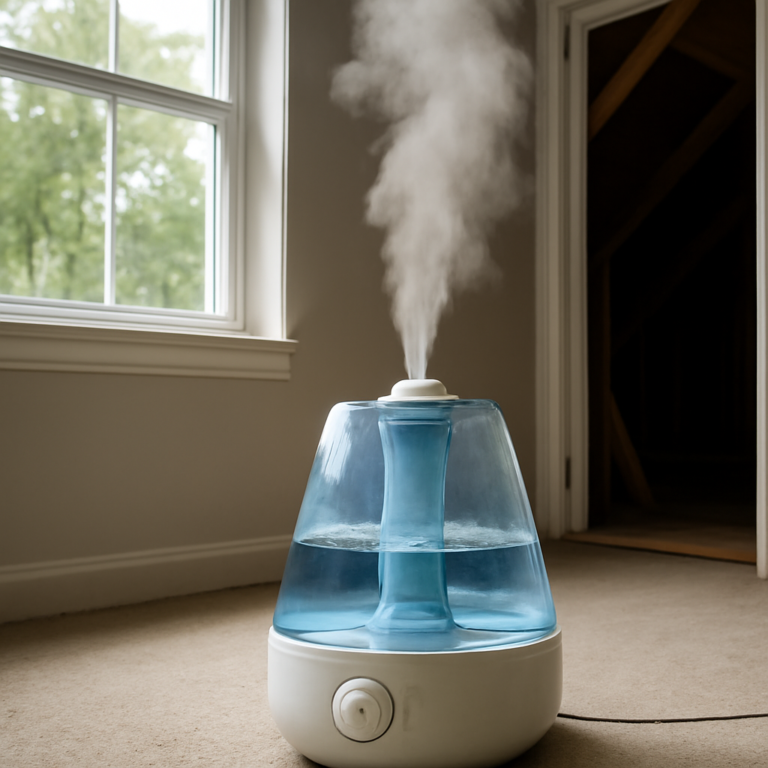
Best Cool Mist Humidifier (2026): 6 Picks for Dry Rooms
How to Clean a Humidifier: Daily, Weekly and Seasonal Steps

Air Purifier vs Humidifier: Which One Does Your Home Need?
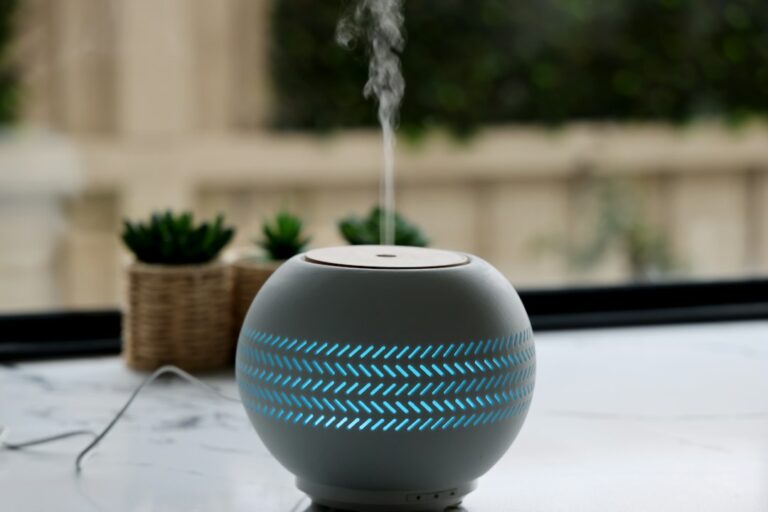
What Size Humidifier Do You Need? Gallons per Day Guide
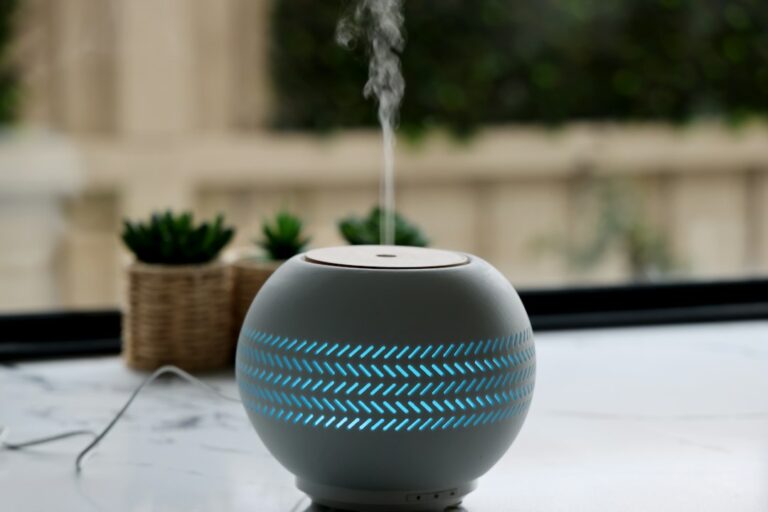
Evaporative vs Ultrasonic Humidifier: Which Is Better?
Measuring humidity


Browse all 47 humidity control guides » Back to the Indoor Air Quality at Home hub