Dehumidifier for House: What Homeowners Need to Know
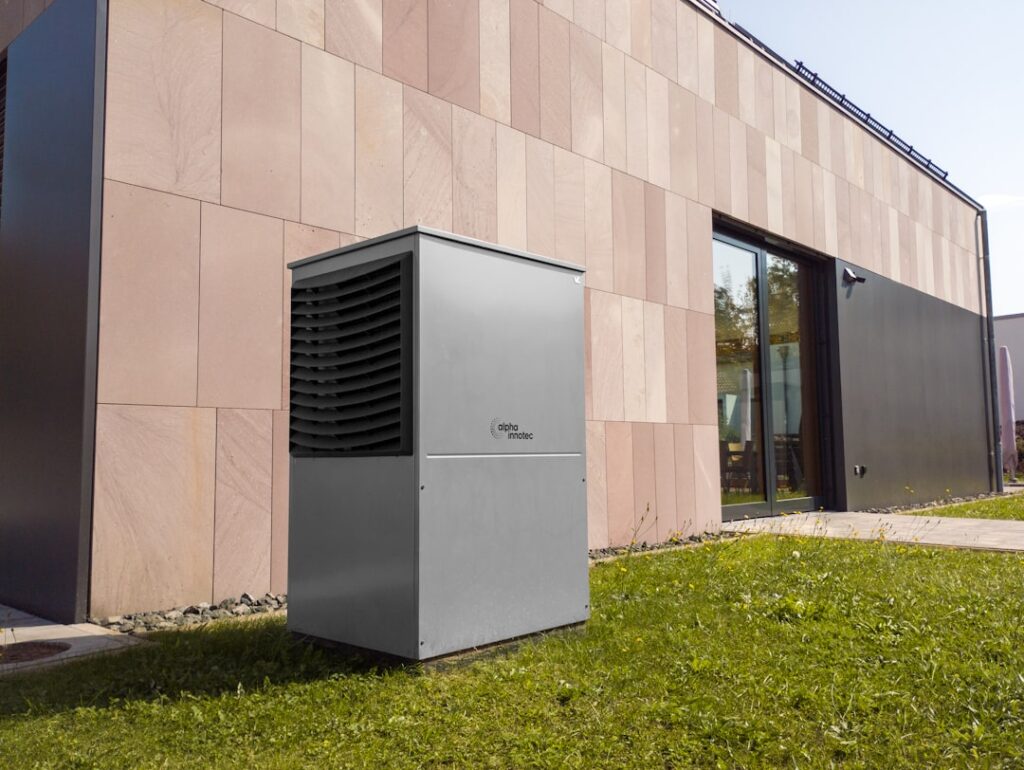
Treating one damp room at a time works until the moisture problem spans the whole home. A dehumidifier for house-wide use, whether a large portable or a ducted whole-home system, holds humidity in the mold-preventing range across every room at once. That matters because the U.S. Environmental Protection Agency recommends keeping indoor humidity between 30 and 50 percent everywhere, not just in the basement. This guide summarizes EPA and Department of Energy guidance current as of 2026; for active mold growth or health symptoms, consult a certified professional and your physician rather than relying on an appliance.
Dealing with mold or water damage? Talk to a remediation pro now.
📞 Call (833) 723-1134What a Whole-House Dehumidifier Does
A whole-house dehumidifier manages moisture across the entire living space rather than a single room. It either ties into the home’s HVAC ductwork, drawing air from and returning it to the system, or it is a high-capacity standalone unit positioned in a central area. Either way, the goal is uniform humidity control that keeps every surface in the home, from the basement wall to the upstairs closet, below the threshold where mold grows. Because moisture is the one mold requirement a homeowner can remove, this is preventive infrastructure, the same logic that drives mold inspection and testing for homeowners.
Ducted Versus Portable for Whole-House Coverage
Two approaches cover a whole house, and they suit different situations.
Ducted Whole-Home Systems
Installed into the HVAC system by a professional, these handle large square footage, drain to a permanent line, and run quietly out of sight. They are the cleaner solution for chronically humid homes but cost more upfront and require installation.
High-Capacity Portables
A single large portable, 50 to 70 pints, placed centrally with doors open can manage a smaller or open-plan home. It costs less and moves between seasons or rooms, but it is visible, needs draining, and struggles to reach closed-off rooms.
Sizing a Dehumidifier for the Whole House
Whole-house sizing depends on total conditioned square footage and the home’s overall dampness. A ducted unit is rated in pints per day at a much higher capacity than a room unit, often 70 to 120 pints, to cover thousands of square feet. For a portable serving an open layout, a 50- to 70-pint unit covers roughly 1,500 to 2,500 square feet of moderately to very damp space. The Department of Energy revised its capacity test, so a modern pint rating reflects lower-temperature performance; compare current models against one another and check the stated coverage area.
Setting and Maintaining the Humidity Target
Set the system to hold 45 to 50 percent relative humidity. A whole-house unit’s humidistat controls the entire home, so verify with independent hygrometers in two or three rooms, especially the basement and any room over a garage or against an exterior wall. If one room stays high while the rest are fine, that room has a local moisture source the central system cannot fully overcome. Our explainer on mold and humidity covers why cold-surface spots can stay damp even when the house average looks good.
Drainage for a Whole-House Unit
A house-wide unit produces too much condensate for a bucket, so continuous drainage is essential. Ducted systems drain to a permanent condensate line or pump as part of installation. A large portable should drain by gravity hose to a floor drain or use a condensate pump to lift water to a drain or outdoors. Confirm the unit supports continuous drainage before buying, and route the line so it cannot freeze or back up.
Energy Use Across a Whole Home
Running humidity control across an entire house uses more energy than a single room unit, so efficiency matters more, not less. Look for the ENERGY STAR label, which the Department of Energy uses to flag efficient models. A ducted unit that integrates with the HVAC fan can be more efficient at moving conditioned air than several portables running independently. Holding a sensible setpoint rather than an aggressively low one keeps the duty cycle and the bill in check.
Maintenance for a Whole-House Unit
A house-wide unit runs long hours, so maintenance keeps it efficient and reliable. For a ducted system, change or clean the filter on the schedule the manufacturer specifies, since a clogged filter chokes airflow and forces the unit to work harder. Inspect the condensate drain line periodically to confirm it flows freely and has not developed algae or a blockage that could back water up. Have the system checked during routine HVAC service so a technician can verify the controls, the humidistat calibration, and the refrigerant or desiccant components. For a large portable serving the whole house, the same filter and bucket or drain hygiene applies, plus periodic cleaning of the coils and grilles. Neglected maintenance is the most common reason a once-effective unit gradually stops holding the target humidity, so a simple seasonal routine pays for itself in performance.
Front Range Considerations
The Colorado Front Range is often described as a dry climate, and for much of the winter it is, with heated indoor air sometimes dropping below 30 percent on its own. That can make whole-house dehumidification seem unnecessary. The reality is more seasonal. Spring snowmelt and summer lawn irrigation push significant groundwater against foundations across Denver, Arapahoe, and Jefferson counties, and that moisture rises into basements and migrates upward through open stairwells. Summer storms add bursts of humidity. A whole-house unit with an accurate humidistat handles this naturally: it works hardest in the damp months and idles through the dry winter weeks, holding the home in the 30-to-50 percent band year-round without manual fiddling. The dry-climate assumption is exactly what lets a damp basement go unaddressed until odor or staining appears.
How Whole-House Humidity Control Prevents Mold
Mold appears wherever a surface stays damp long enough. A whole-house approach closes the gaps a single-room unit leaves open: the closet on an exterior wall, the spare bedroom no one ventilates, the storage area over the garage. By holding the entire envelope below 60 percent, ideally in the 30-to-50 percent band, the system denies mold the moisture it needs anywhere in the home at once. This is preventive rather than reactive, which is why it suits homes with a history of dampness or recurring odors.
When a Whole-House Unit Is the Right Call
Consider whole-house control when multiple rooms read high on a hygrometer, when musty odors appear in more than one area, or when a large or open-plan home cannot be served by room units without clutter. Homes along the Front Range with damp basements that share open stairwells with living areas often benefit, since basement moisture migrates upward. If only one room is damp, a targeted unit such as a basement dehumidifier is the more economical fix.
Verifying Coverage Across the Home
After installing whole-house humidity control, confirm it is actually reaching every part of the home, since one humidistat governs the whole envelope. Place inexpensive hygrometers in the rooms most likely to lag: the basement, a room over the garage, a closet on an exterior corner, and an upper-floor bedroom. Compare their readings over a few days and across activities like showering or cooking. Uniform readings near the target confirm the system is doing its job. A single room that consistently runs higher than the rest points to a local moisture source, poor airflow to that room, or a duct that is not delivering enough conditioned air there. Catching this early lets you address the laggard, by improving airflow, adding a small supplemental unit, or finding a local leak, rather than discovering a hidden damp pocket only after mold appears in it.
How a Ducted System Integrates With Your HVAC
A ducted whole-home dehumidifier is installed alongside the existing heating and cooling system, and understanding the arrangement clarifies why it works so evenly. The unit connects to the home’s ductwork, drawing humid air either from the return ducts or from dedicated intakes, removing moisture, and delivering drier air back into the supply ducts that already reach every room. Because it uses the distribution network the home was built with, it conditions the whole envelope rather than a single room. Many systems can operate independently of the furnace or air conditioner, running the blower as needed to circulate and dry air even when neither heating nor cooling is called for. Installation is a job for an HVAC professional, who sizes the unit to the home, ties in the drainage, and configures the controls. The payoff is uniform humidity with no visible appliance and no buckets to empty.
Signs a Home-Wide Approach Is Warranted
A few patterns indicate that room-by-room units are no longer the right answer. Hygrometers reading high in several rooms at once, rather than one damp basement, point to a whole-home moisture load. Musty odors that appear in multiple areas suggest growth in more than one place. Condensation on windows throughout the house in cooler weather signals high overall indoor humidity. A large or open-plan home where portable units would clutter living space and still miss closed-off rooms is a structural argument for a central system. And a home with a damp basement open by stairwell to the main floor often sees that moisture migrate upward, raising humidity house-wide. When two or more of these appear together, the case for whole-house control over a patchwork of portables becomes strong.
Cost Considerations Over Time
The economics of whole-house dehumidification weigh a higher upfront cost against lower long-term hassle and broader protection. A ducted system carries the price of the unit plus professional installation, more than buying a portable, but it covers the entire home from one place, drains permanently, and runs quietly without daily attention. Several portables to cover the same area add up in purchase price, clutter living space, and demand ongoing emptying or individual drainage setups. Against either option sits the cost of not controlling humidity at all: mold remediation, damaged materials, and ruined stored goods routinely exceed the price of prevention. Framed that way, the question is less whether humidity control pays off and more which delivery method, central or portable, fits the home’s layout and the owner’s tolerance for maintenance.
Pairing Whole-House Control With Source Repairs
Even a capable whole-house system works best when the home’s moisture sources are addressed rather than simply out-pumped. Outdoors, clean gutters and extended downspouts keep roof runoff away from the foundation, and proper grading stops water from pooling against the walls and seeping into the basement. Indoors, sealing foundation cracks, adding a crawl space vapor barrier, venting bathrooms and the clothes dryer to the exterior, and fixing plumbing leaks each cut the volume of moisture entering the air. A whole-house unit that no longer has to fight a flooded gutter or an unvented dryer reaches its target with a shorter duty cycle and a lower bill, and the home stays drier overall. The system handles the residual humidity that source control cannot eliminate, which is the right division of labor: repairs remove the bulk of the water, and the dehumidifier polishes the rest.
When to Bring in a Professional
A dehumidifier, however large, manages airborne moisture; it does not repair the source. If staining returns after cleaning, if odors persist despite controlled humidity, or if you have watched water intrude, a hidden source is feeding growth. That is the point to consider professional assessment. Our overview of mold assessments for homeowners explains what an inspection covers before remediation decisions are made.
References
- Dehumidifiers Energy Saver Guidance — U.S. Department of Energy
- Mold and Health — U.S. Environmental Protection Agency
- About Mold — Centers for Disease Control and Prevention
If dampness spans several rooms of your Front Range home, a vetted local inspector can help confirm whether a hidden source is at work before you size a system. Reach one through our contact page.
Dehumidifiers for damp basements
Holding relative humidity under ~50% is the single most effective way to keep mold from taking hold in a basement or crawlspace.
| Product | Why | Buy |
|---|---|---|
 hOmeLabs 4,500 sq ft hOmeLabs 4,500 sq ft | Popular large-basement unit. | Amazon — $174.99 |
 Frigidaire High-Humidity Frigidaire High-Humidity | Continuous-drain option. | Amazon — $287.01 |