Mold Assessments: What Homeowners Need to Know
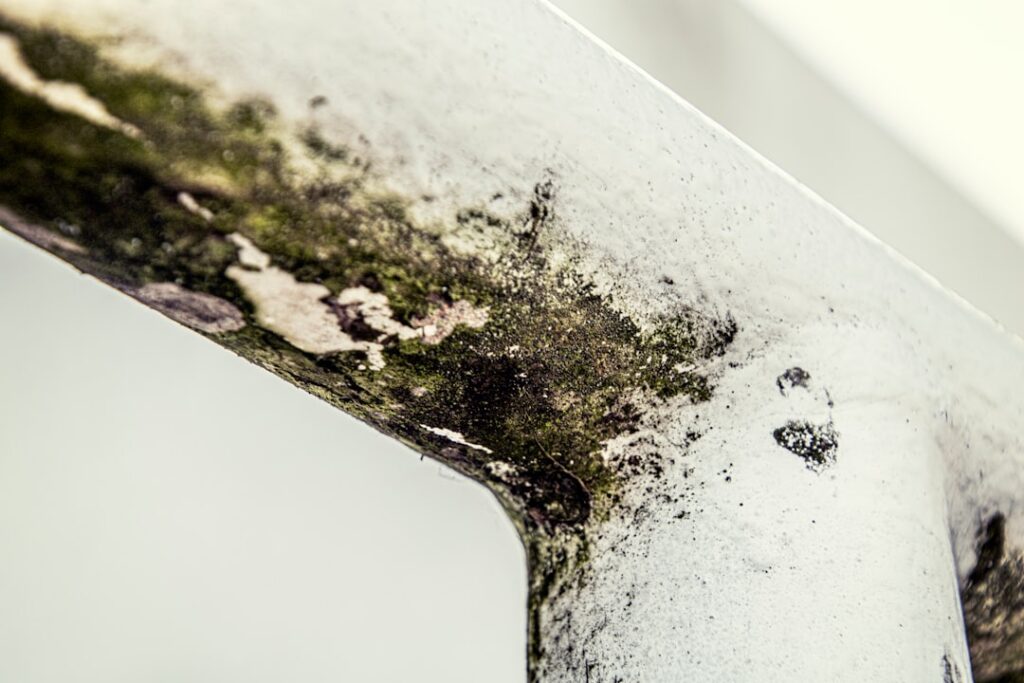
Before anyone removes mold, someone has to figure out where it is, how much exists, and what is feeding it. That diagnostic step is the mold assessment. Done well, it turns a vague musty smell or a suspicious stain into a documented plan a homeowner can act on. Done poorly, or skipped entirely, it leads to either wasted spending or a problem that returns. This guide explains what mold assessments include and how to read the results. It summarizes EPA and CDC guidance current as of 2026; consult your physician for health symptoms and a certified professional for testing decisions.
Is this mold, asbestos, or water damage? Get a free instant screen
Upload a clear photo of the suspect area. You'll get an instant AI screening opinion and what to do next. This is screening guidance, not a professional determination.
Screening guidance only. AI can be wrong. Confirm asbestos, mold type, or lead with lab testing or a licensed professional before acting.
What is a mold assessment?
A mold assessment is a structured evaluation of a building to identify visible mold, hidden moisture, and the conditions allowing growth. An assessor inspects the property, measures moisture and humidity, sometimes collects samples for laboratory analysis, and produces a report describing findings and recommendations. The EPA emphasizes that the goal is to find and fix moisture, not simply to confirm that mold exists.
An assessment differs from remediation. The assessor diagnoses; the remediation contractor performs the cleanup. Keeping those roles separate avoids the conflict of interest that arises when the company finding the mold is also the one paid to remove it. A firm that both tests and removes has a financial incentive to find more mold than necessary, and an independent assessor has no such stake in the outcome. For larger jobs, that independence is one of the most valuable protections a homeowner has, because it anchors the scope of work to an objective finding rather than a sales target.
What does a mold assessment include?
A thorough assessment usually covers several elements.
Visual inspection
The assessor examines walls, ceilings, crawlspaces, basements, attics, and around plumbing and HVAC equipment for visible growth, staining, and water damage. Much of a good assessment is simply careful looking.
Moisture and humidity readings
Moisture meters and hygrometers reveal damp materials and elevated indoor humidity that the eye cannot detect. Thermal cameras can flag cool, wet areas behind surfaces. These tools point toward hidden problems.
Sampling (when warranted)
Air or surface samples sent to a lab can identify mold types and concentrations. The EPA notes that sampling is not always necessary; if visible mold is present, the practical answer is to remove it regardless of species. Sampling is most useful for confirming hidden growth, comparing indoor and outdoor levels, or verifying cleanup.
Reviewing history and conditions
A thorough assessor asks about the building’s history — past leaks, flooding, renovations, and how long any symptoms have been present. That context narrows the search. A musty smell that appears only in summer points toward humidity, while a stain that grew after a storm points toward a roof or drainage failure. The interview is as much a diagnostic tool as the instruments.
Do you always need a mold test?
No. The EPA states plainly that mold testing is generally unnecessary when growth is already visible, because the response is the same: remove the mold and fix the moisture. Testing earns its keep when mold is suspected but not seen, when a sale or dispute requires documentation, or when post-remediation verification is needed. Our overview at the mold inspection and testing hub explains when each scenario applies.
How much do mold assessments cost?
Costs vary with property size, scope, and whether laboratory sampling is included. A basic visual assessment with moisture readings typically costs less than one that includes multiple lab samples. Larger homes and crawlspace access add time. Homeowners comparing the diagnostic cost against the cleanup cost can review our guides on how much it costs to remediate mold and mold remediation cost per square foot.
How to read an assessment report
A useful report identifies the moisture source, describes the location and extent of growth, includes any lab results with plain-language interpretation, and recommends a scope of work. Be cautious of reports that list scary spore counts without explaining indoor-versus-outdoor context, since outdoor air always contains mold spores. The most valuable line in any report names the water problem to fix.
Spore counts on their own can mislead a homeowner who does not know how to read them. Every indoor space contains mold spores, drawn in from outdoor air, so a number that looks alarming in isolation may simply reflect normal background. A meaningful report compares the indoor sample against an outdoor control taken the same day and explains what the comparison means: indoor levels far above the outdoor baseline of a particular genus may suggest a hidden source, while levels that track the outdoor air usually reflect ordinary conditions. A report that hands over raw counts without that interpretation is leaving the homeowner to guess, and guessing tends to lead either to unnecessary spending or to ignoring a real problem.
Choosing a qualified assessor
Look for assessors who carry relevant credentials, follow EPA and industry protocols, and remain independent of any remediation company. Ask whether they will explain findings in writing, how they decide when to sample, and whether they offer post-remediation verification. Some states regulate mold assessors; many do not, which makes references and documentation important. Our guide to certified mold remediation covers the credentials worth recognizing.
A few questions quickly reveal an assessor’s quality. A strong candidate explains when sampling is and is not worth the cost rather than recommending it reflexively, since unnecessary lab work inflates the bill without changing the answer. They describe how they locate hidden moisture, not just how they spot visible mold. And they are transparent about any relationship with a remediation firm; a referral is fine, but an assessor who only ever recommends one company, or who profits from the cleanup, has a conflict worth weighing. The best assessors treat their job as answering a question accurately, not as the first step in a sales funnel.
What happens after the assessment?
If the report finds significant growth, the next step is remediation by a qualified contractor following EPA-aligned procedures. After cleanup, a follow-up assessment can verify the area is dry and clean. If the report finds only minor surface mold, a homeowner may handle it directly with detergent and water on hard surfaces under about 10 square feet, as the CDC describes.
The report also becomes the basis for collecting comparable quotes. When a homeowner hands the same independently established scope to several remediation companies, the bids become genuinely comparable, line by line, rather than a confusing mix of different assumptions. That alone often saves money, because it exposes both padded quotes and bids that quietly omit the moisture repair. The assessment, in other words, does double duty: it diagnoses the problem and it arms the homeowner to hire wisely.
Tools an assessor uses
The instruments behind a good assessment are worth understanding, because they explain why a trained assessor sees what a homeowner cannot. A moisture meter reads the moisture content of a material, revealing damp drywall or framing that looks dry to the eye. A hygrometer measures the relative humidity of the air, flagging conditions that favor growth even where no water is visible. A thermal imaging camera does not see mold directly but detects the temperature differences that wet materials create, helping locate hidden moisture behind a wall or under a floor without tearing into it. A borescope can peek inside a wall cavity through a small hole when growth is suspected but not confirmed. None of these tools replaces judgment — a thermal camera shows a cool spot, not its cause — but together they let an assessor build an evidence-based picture of where moisture is and where it is going, which is exactly the information a homeowner needs to fix the problem at its root.
Air sampling versus surface sampling
When sampling is warranted, an assessor chooses between two main methods. Air sampling captures spores from the air on a collection device, then a lab counts and identifies them. Because outdoor air always contains spores, a meaningful air sample includes an outdoor control taken the same day, so the lab can compare indoor levels against the natural background. A result that ignores this comparison is hard to interpret. Surface sampling, by contrast, uses a swab or tape lift on a specific spot to confirm whether visible growth is mold and what type. Surface sampling answers “what is this?” while air sampling tries to answer “is there a hidden problem?” Neither replaces fixing the moisture once growth is confirmed.
Limits of a mold assessment
An assessment is a snapshot, not a guarantee. It reflects conditions on the day of the visit, and a non-invasive inspection cannot see inside every wall or under every floor without disturbing the structure. Spore counts vary hour to hour with weather, ventilation, and activity, so a single air sample is a rough indicator rather than a precise measurement. A good assessor explains these limits plainly rather than presenting numbers as definitive. The most valuable output is still the identification of moisture conditions, because that is what a homeowner can actually act on.
Post-remediation verification
One of the most useful applications of an assessment comes after cleanup rather than before it. Post-remediation verification confirms that the work succeeded — that the area is visibly clean, dry to a measured level, and free of the conditions that allowed growth. Keeping this verification independent of the company that performed the removal protects the homeowner, since the firm being checked is not the one grading its own work. For a real-estate transaction or a dispute, that independent sign-off carries weight a self-certified result does not.
The assessment before buying or selling a home
A mold assessment plays a distinct role in a real-estate transaction, where documentation and timing carry weight they do not in a routine repair. For a buyer, an assessment during the inspection period turns a vague worry about a musty basement or a water stain into a documented finding that can inform negotiations while there is still leverage to address it. A seller who has already remediated a past problem benefits from independent post-remediation verification, which provides a credible record that the issue was handled rather than hidden. In both cases the value lies in the independence and the paper trail: a finding from an assessor with no stake in the sale or the repair is more persuasive than an assurance from an interested party. Buyers in particular should resist the temptation to skip an assessment on a home with known water history simply to keep a deal moving, because the cost of diagnosis is small next to the cost of discovering a hidden moisture problem after closing, when the leverage to negotiate is gone.
When to schedule an assessment
Consider an assessment when you smell a persistent musty odor without a visible source, after flooding or a roof or plumbing leak, before buying a home with water-damage history, or when occupants report unexplained respiratory symptoms. Early diagnosis usually costs less than reacting to a problem that has spread. Front Range buyers in particular benefit from an assessment before closing, when a documented moisture finding can inform negotiations while there is still leverage to address it.
The recurring theme across all of these situations is the same: an assessment is most valuable when it answers a question a homeowner cannot answer by looking. Where mold is plainly visible and small, the EPA’s advice to simply remove it and fix the moisture often makes a formal assessment unnecessary. Where the problem is hidden, disputed, or tied to a transaction, the assessment earns its cost by producing an independent, documented answer. Matching the decision to that distinction — diagnose when there is genuine uncertainty, act directly when there is not — keeps a homeowner from either overspending on testing or overlooking a problem that needed a closer look.
References
- Mold Remediation Guide — U.S. Environmental Protection Agency
- About Mold and Health — Centers for Disease Control and Prevention
- A Brief Guide to Mold, Moisture and Your Home — U.S. Environmental Protection Agency
Front Range homeowners who want an independent mold assessment before deciding on cleanup can get in touch through our contact page to connect with a qualified local inspector.