Home Ventilation: Bath Fans, Range Hoods, Whole-House Fans & HRVs
Ventilation is how a house gets rid of what it makes: shower steam, cooking smoke and gases, odors, and the carbon dioxide and moisture that people breathe out. This hub covers home ventilation from the room fan up to the whole house: sizing and venting bathroom exhaust fans, choosing between ducted and recirculating range hoods, when a whole-house fan earns its keep, how heat and energy recovery ventilators supply fresh air to tight homes, and when duct or dryer vent cleaning is worth paying for. It sits under our indoor air quality guide. EPA lists improved ventilation as one of three basic strategies for better indoor air, alongside source control and air cleaning, and notes that most home heating and cooling systems, including forced-air systems, do not mechanically bring fresh air into the house (EPA, Improving Indoor Air Quality). Prices below are typical ranges, not quotes.
Spot ventilation: bathroom and utility exhaust fans
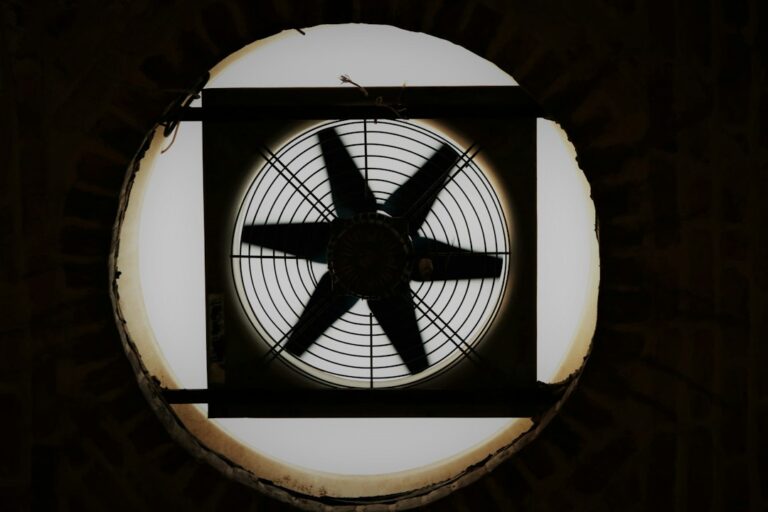
Spot ventilation removes pollutants where they are made, before they spread. EPA notes that bathroom or kitchen fans that exhaust outdoors remove contaminants directly from the room and also increase the outdoor air ventilation rate. The bathroom fan does most of that work in a typical house, and our bathroom exhaust fan guide covers sizing, venting and mold prevention. The common sizing rule of thumb is about 1 cubic foot per minute (CFM) of airflow per square foot of floor area for bathrooms up to roughly 100 square feet, with larger or high-ceiling rooms and rooms with jetted tubs sized by fixture instead. Noise is rated in sones, and a quiet fan is a fan people actually run; ENERGY STAR certified ventilation fans must meet maximum sound levels and minimum efficiency, and the program reports they use about 48 percent less energy than standard models. The best bathroom exhaust fans roundup compares listings by CFM and sones.
The most common inspector flag in this whole hub is a bath fan that dumps into the attic. A fan has to be ducted all the way to the outdoors through a roof or wall cap with a damper, not into the attic space, a soffit cavity or “toward” a ridge vent. Warm, wet air released into a cold Front Range attic condenses on the roof sheathing and nails and can lead to frost, staining and mold; our guide to attic ventilation explains why the attic’s own vents cannot carry bathroom moisture away. Other flags: crushed or uninsulated flex duct, long runs with too many bends, and fans with no make-up path because the door is weather-stripped tight. For long or awkward runs, an inline exhaust fan mounted in the attic can be quieter and stronger than a ceiling unit. Our guide to bathroom exhaust fan installation cost sets out typical ranges, which depend mostly on whether a new duct and roof penetration are needed.
Attached garages need their own attention because they collect vehicle exhaust, fuel vapors and stored chemicals next to living space. The garage exhaust fan guide covers fan options and timers, but a fan is not a substitute for a working CO alarm inside the house and for never running engines in a closed garage.
Range hoods: ducted, recirculating and makeup air
Cooking is one of the largest indoor sources of particles, moisture and odor, and gas burners add combustion gases. EPA lists unvented combustion appliances such as gas stoves among the primary indoor sources of nitrogen dioxide, and its first steps to reduce exposure include installing and using an exhaust fan vented to the outdoors over gas stoves. That puts the ducted range hood at the center of kitchen ventilation. Our guide to range hood installation covers CFM, mounting height and capture area, and range hood ducting goes deeper into duct diameter, run length, elbows and wall versus roof caps. A larger hood with a short, smooth duct usually outperforms a high-CFM motor pushed through a long, kinked one.
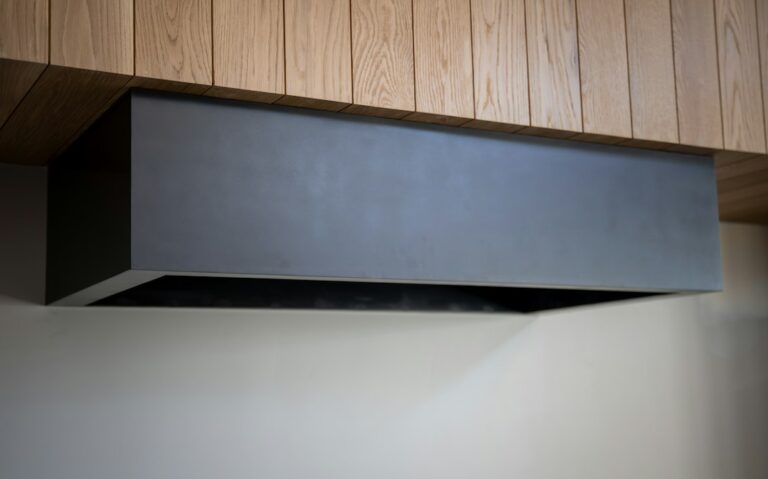
Recirculating hoods filter grease and pass the air back into the kitchen. A ductless range hood traps grease and some odor in charcoal filters, but it does not remove moisture, heat or combustion gases, so it is a compromise for apartments and interior kitchens rather than an equivalent to ducting outdoors. The best ductless range hoods roundup is candid about those limits. Whatever the type, filters need routine cleaning or replacement, and our guide to range hood filters covers mesh, baffle and charcoal care.
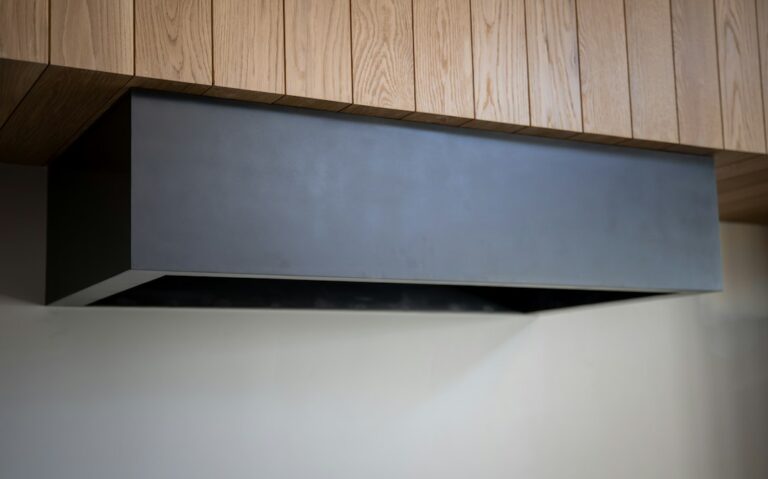
Powerful hoods raise a code issue: makeup air. Exhausting several hundred CFM from a tight house depressurizes it, which can pull flue gases back down a water heater or furnace vent. The International Residential Code generally requires makeup air for kitchen exhaust systems rated above 400 CFM, and local amendments vary. Our range hood installation cost guide explains how a new duct path, roof penetration or makeup-air damper changes the budget. For comparing models by type, the best range hood roundup and the best under cabinet range hood page organize listings by hood style and duct size.
Whole-house fans in dry climates
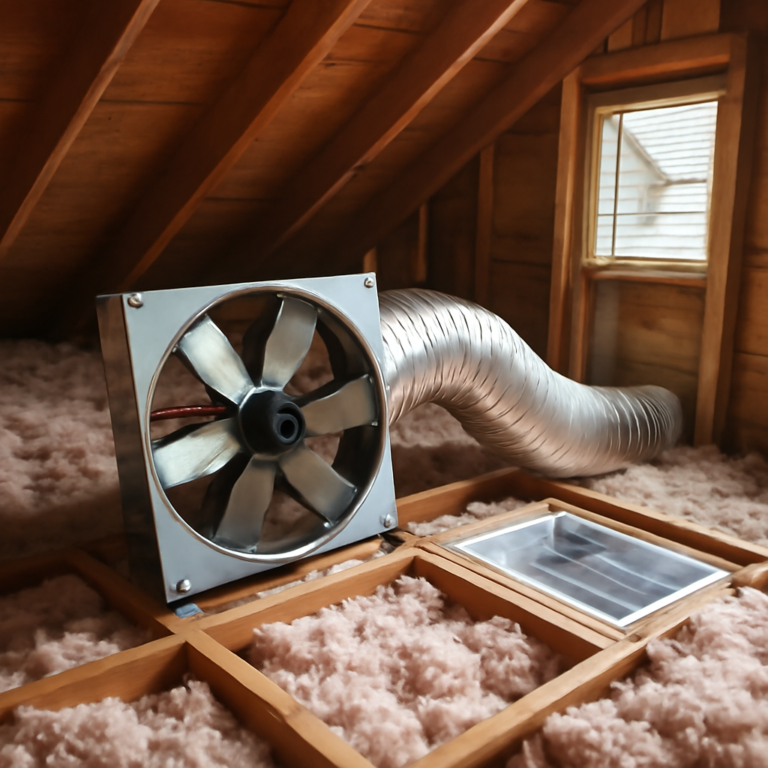
A whole-house fan pulls cool outdoor air in through open windows and pushes warm indoor air out through the attic. In dry climates with large day-night temperature swings, such as the Colorado Front Range, it can flush a house in minutes on a summer evening and reduce how much the air conditioner runs. Our whole house fan guide explains how they work and when they make sense, and the best whole house fans roundup compares listings by home size and noise. Installation typically requires adequate attic vent area for the air being exhausted, an insulated, sealed damper or cover for winter, and wiring; our guide to whole house fan installation cost covers typical ranges.
Two cautions. A whole-house fan should only run with windows open, because running one in a closed house can backdraft fuel-burning appliances. And it is not a fit everywhere: in humid regions it brings in damp air, and on wildfire-smoke days or high-pollen days it pulls outdoor pollution straight inside. Front Range homes often pair one with an evaporative cooler, which also depends on open windows to work.
Fresh air for tight homes: HRVs and ERVs
Newer and well-sealed homes leak less air, which saves energy but means stale air and moisture linger unless fresh air is supplied on purpose. A balanced ventilator brings in outdoor air and exhausts indoor air at the same time while transferring heat between the two streams. Our guide to the heat recovery ventilator explains the difference: an HRV transfers heat, while an ERV transfers heat and some moisture, which can help in very dry or very humid climates. Ventilation also plays a role in radon control, and our radon section covers HRV and ERV dilution for radon and where it falls short of a sub-slab mitigation system. A CO2 monitor from the air quality testing guide is an easy way to see whether bedrooms are getting enough fresh air overnight.
Crawl spaces are a separate question. A crawl space ventilator fan can help or hurt depending on the outdoor humidity, which is why the humidity control guide and the crawl space section treat it as a moisture decision rather than a fresh-air one.
Ducts, dryer vents and when cleaning pays
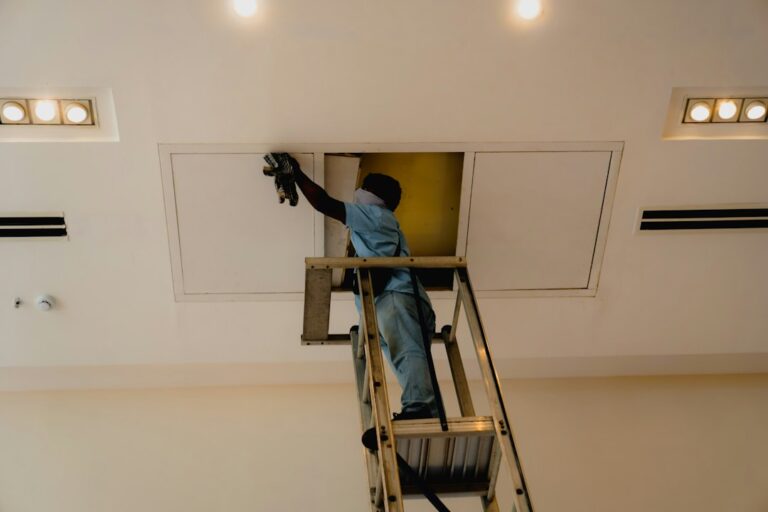
Air duct cleaning is widely marketed and widely misunderstood. EPA’s position is that duct cleaning has never been shown to prevent health problems, and that there is no evidence a light amount of household dust in ducts poses a health risk. EPA does say cleaning should be considered when there is substantial visible mold growth inside hard-surface ducts or other system components, when ducts are infested with vermin, or when ducts are clogged with excessive dust and debris or particles are actually blowing out of the supply registers. Our guide to air duct cleaning cost sets out typical prices and when it pays, the mold guides covers EPA’s view on air duct cleaning and duct cleaning during mold remediation, and if a musty smell starts when the AC runs, see air conditioner smells musty before paying for cleaning.
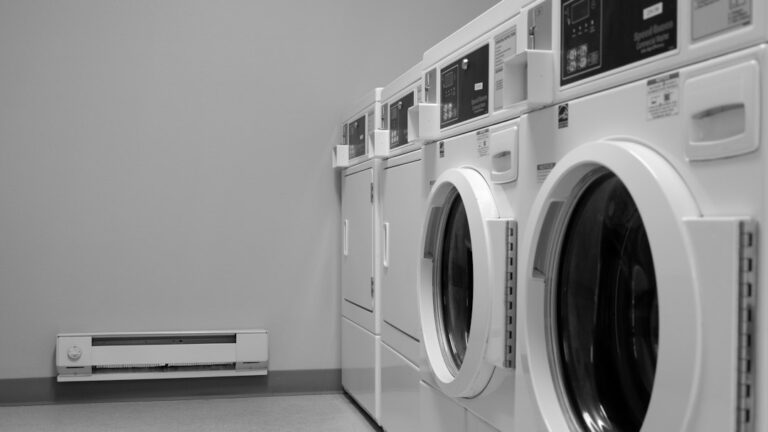
Dryer vents are a fire and moisture issue more than an air-quality one, and they are a different job from duct cleaning. Lint builds up in long or crushed runs, slows drying and raises fire risk. Inspectors flag plastic or foil flex duct, vents that terminate in the attic, crawl space or garage, screened caps that trap lint, and runs that are too long for the dryer. Our guide to dryer vent cleaning cost covers typical prices and how often cleaning is worth it. For furnace and air conditioner ventilation such as flues and combustion air, see the heating and cooling guide.
Ventilation at a glance: DIY or pro?
A quick guide to common ventilation jobs. Costs depend on access, duct runs, roof penetrations, permits and local labor rates.
| Job or issue | Reasonable DIY? | When to call a pro | What an inspector may flag |
|---|---|---|---|
| Bath fan replacement, same duct | Often, if wiring is straightforward | New circuit, new roof or wall penetration | Fan venting into attic, crushed duct, no damper |
| Range hood filter care | Yes | Hood not capturing smoke despite clean filters | Grease-laden filters, recirculating hood over gas range |
| New ducted range hood | Rarely | Duct through cabinets or roof; hoods over 400 CFM needing makeup air | Undersized duct, missing exterior cap |
| Whole-house fan | No, for installation | Attic vent area, wiring, insulated damper | No winter cover, inadequate attic venting |
| HRV or ERV | Filter and core cleaning only | Installation, balancing, condensate issues | Dirty filters, disconnected ducts, unit switched off |
| Air duct cleaning | Register cleaning only | Visible mold in hard ducts, vermin, debris blowing from registers | Dust or debris at supply registers, suspected mold |
| Dryer vent | Lint screen and short runs | Long, concealed or roof-terminated runs | Foil or plastic duct, attic or garage termination |
References
- Improving Indoor Air Quality — U.S. Environmental Protection Agency
- Nitrogen Dioxide’s Impact on Indoor Air Quality — U.S. Environmental Protection Agency
- Should You Have the Air Ducts in Your Home Cleaned? — U.S. Environmental Protection Agency
- Ventilation Fans — ENERGY STAR
Frequently asked questions
How big should a bathroom exhaust fan be?
A common rule of thumb is about 1 CFM of airflow per square foot of floor area for bathrooms up to roughly 100 square feet. Larger rooms, high ceilings and long duct runs call for more capacity. A quieter fan, rated in sones, is more likely to be used long enough to clear moisture.
Can a bathroom fan vent into the attic?
It should not. The fan needs to be ducted to the outdoors through a roof or wall cap with a damper. Venting into the attic releases warm, moist air that can condense on the roof sheathing and lead to frost, staining and mold, and home inspectors routinely flag it.
Is a ductless range hood as good as a ducted one?
No. A recirculating hood filters grease and some odor but returns heat, moisture and combustion gases to the kitchen. EPA recommends an exhaust fan vented to the outdoors over gas stoves, so a ducted hood is the better choice wherever one can be installed.
Is air duct cleaning worth it?
Usually not as routine maintenance. EPA says duct cleaning has not been shown to prevent health problems, but it suggests considering cleaning when there is substantial visible mold in hard-surface ducts, vermin infestation, or excessive dust and debris blowing from registers. Fix the cause before or alongside any cleaning.
Does a whole-house fan work in Colorado?
Often, yes. The Front Range's dry air and cool summer nights suit whole-house fans, which can flush heat from a house quickly in the evening. Run one only with windows open, and skip it on smoky or high-pollen days, since it pulls outdoor air straight inside.
Not sure whether a bath fan, range hood or dryer vent on a Front Range home is venting where it should? Contact our team and we can point you toward a qualified local inspector.
Range hoods

Best Under Cabinet Range Hood (2026): 7 Picks Compared
Best Range Hood (2026): 7 Picks Compared by Hood Type

Range Hood Installation Cost: Ducted, Ductless and Upgrades

Best Ductless Range Hoods (2026): 7 Picks and Their Real Limits
Range Hood Filters: Mesh, Baffle and Charcoal Maintenance

Ductless Range Hoods: How Recirculating Hoods Work
Exhaust & whole-house fans

Bathroom Exhaust Fan Installation Cost: Typical Ranges
Whole House Fan Installation Cost: Typical 2026 Price Guide
Best Bathroom Exhaust Fans (2026): 7 Picks by CFM and Sones

Best Whole House Fans (2026): 6 Picks Compared by Home Size

Garage Exhaust Fan: Fumes, CO and Ventilation Options
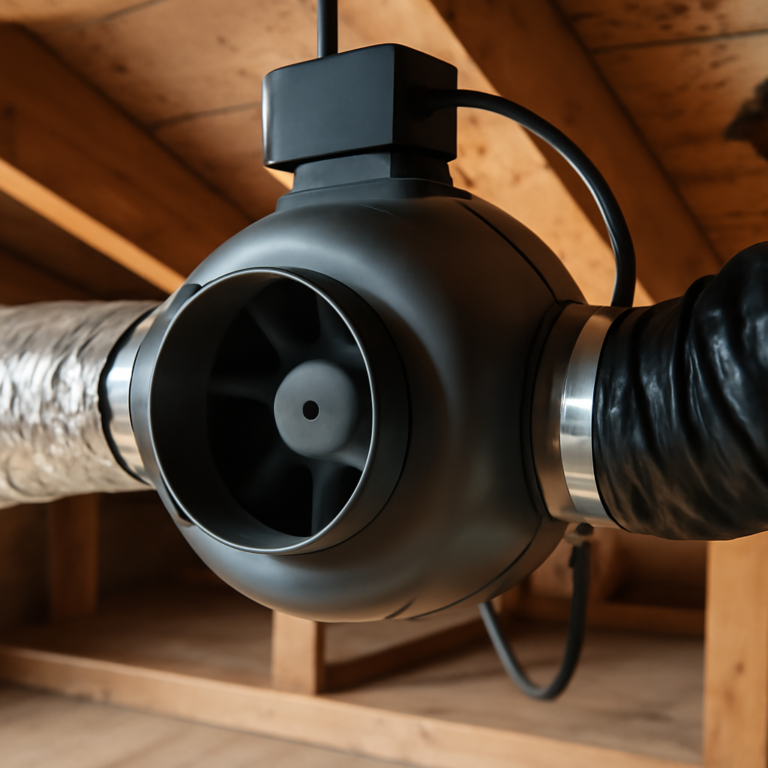
Inline Exhaust Fan: Quiet Ventilation and Long Duct Runs
Ducts, vents & fresh air

Browse all 19 home ventilation guides » Back to the Indoor Air Quality at Home hub