Air Duct Cleaning and Mold Remediation: A Clear Guide
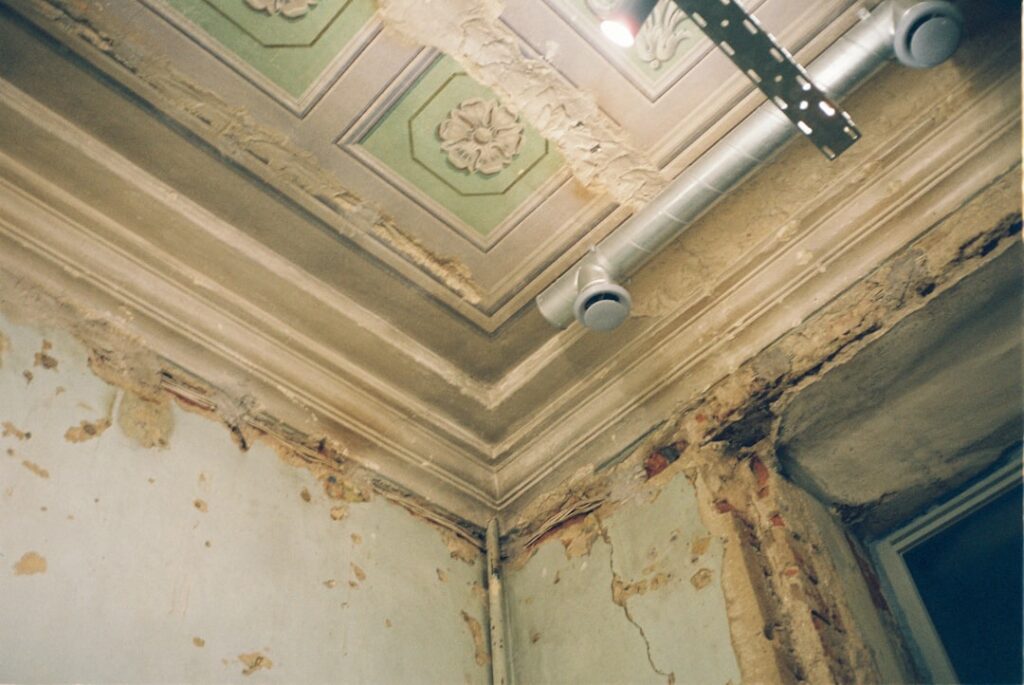
Mold in the heating and cooling system worries homeowners for a logical reason: ductwork moves air into every room, so contamination there can spread spores throughout the house. Understanding how air duct cleaning and mold remediation fit together helps separate a genuine need from an upsell. This guide summarizes EPA and CDC guidance current as of 2026 and is informational only; consult your physician for symptoms and a certified professional for testing or remediation.
Is this mold, asbestos, or water damage? Get a free instant screen
Upload a clear photo of the suspect area. You'll get an instant AI screening opinion and what to do next. This is screening guidance, not a professional determination.
Screening guidance only. AI can be wrong. Confirm asbestos, mold type, or lead with lab testing or a licensed professional before acting.
Air Duct Cleaning and Mold Remediation: How They Connect
Air duct cleaning removes dust and debris from the HVAC system, while mold remediation specifically addresses fungal growth and the moisture feeding it. They overlap when mold is found in the ducts or on HVAC components, because cleaning alone will not solve a mold problem if the system keeps getting wet. The EPA’s position is measured: it does not recommend routine duct cleaning as a default maintenance task, but it does advise cleaning when there is visible mold growth inside the ducts or on other HVAC components. The key distinction is that mold in an HVAC system is a remediation situation, not just a cleaning chore.
Cleaning vs. Remediation: The Key Distinction
It helps to separate two ideas that marketing often blurs. Duct cleaning is a maintenance service that removes accumulated dust and debris from the system. Mold remediation is the structured removal of fungal growth and, just as important, the correction of the moisture feeding it. A standard duct cleaning that vacuums out dust does nothing about a wet drain pan or a mold colony on the coil, and a “cleaning” sold as a mold fix without addressing the moisture is incomplete by definition. When mold is present in an HVAC system, the situation calls for remediation — cleaning or replacing affected components and fixing the source — not a routine cleaning. Recognizing which service you actually need keeps a homeowner from paying for the wrong one.
When Ducts Actually Need Attention
The EPA lists three situations that justify duct cleaning: visible mold growth inside hard ducts or on other system components, ducts infested with vermin, or ducts clogged with substantial debris that releases particles into the home. Mold is the situation most relevant here. Routine cleaning “just in case” has not been shown to prevent health problems, and the agency notes that cleaning improperly performed can even cause harm by dislodging contaminants. So the trigger is evidence of a problem, not a calendar.
How Mold Gets Into an HVAC System
Moisture is always the cause. Air conditioning systems cool air below its dew point, and condensation collects on the evaporator coil and in the drain pan. If the drain pan clogs or the condensate line backs up, standing water becomes a breeding ground. Uninsulated ducts running through humid spaces can sweat. Oversized systems that cycle on and off too quickly fail to dehumidify properly, leaving the indoor air damp. High indoor humidity from any source feeds growth inside the system. The link between damp ductwork and broader moisture problems is covered across the mold inspection and testing hub.
Where Mold Grows Inside an HVAC System
Mold does not spread evenly through a system; it concentrates where moisture collects. The evaporator coil is a prime location, since it runs cold and wet during cooling and sits in a dark, enclosed cabinet. The condensate drain pan beneath it holds water and grows growth when it clogs or drains slowly. Insulated duct liner and flexible ducts absorb moisture and provide a food source, making them harder to clean than bare metal. Registers and grilles near humid rooms can develop growth at their edges. The blower compartment, where damp air passes constantly, is another quiet spot. Knowing these locations helps a technician inspect the right places rather than assuming the whole system is contaminated, and it explains why some components can be cleaned while porous liner often must be replaced.
Signs of Mold in Your Ductwork
A musty smell that intensifies when the system runs is the classic indicator. Visible growth around supply registers, on the drain pan, or on the evaporator coil is more direct evidence. Occupants reporting allergy-like symptoms — congestion, coughing, eye irritation — that ease when the system is off can also point to the HVAC system. None of these signs is definitive on its own, but together they justify having a qualified professional inspect the system rather than scheduling a generic cleaning.
Two checks help a homeowner gauge the situation before calling anyone. Notice whether the musty odor appears only when the blower kicks on, which points squarely at the system rather than a room. And look at the supply registers themselves, since visible dark growth at the vents often reflects what is happening deeper inside. If either is present, the next step is an inspection of the coil and drain pan rather than a routine duct cleaning, because those components are where the moisture and the mold usually originate.
Why Mold in Ducts Concerns Homeowners
The worry about HVAC mold is reasonable because of what ductwork does: it moves conditioned air into every room, every time the system runs. Growth on a coil or in a duct can release spores into that airstream, distributing them throughout the home rather than keeping them contained to one spot. For households with members who have asthma, allergies, or weakened immune systems, that distribution matters, since the CDC notes those groups are most affected by mold exposure. The system also runs for hours a day during heating and cooling seasons, so the exposure is ongoing rather than occasional. This combination — wide reach plus frequent operation — is why mold in an HVAC system is treated more urgently than a comparable patch on an out-of-the-way wall.
The Remediation Approach for HVAC Mold
Inspection and Source Identification
A professional inspects the system, confirms the growth, and finds the moisture source — typically a clogged drain pan, a failing condensate line, or excess humidity.
Containment and Cleaning
Affected components are cleaned or, in the case of porous insulated duct liner that cannot be cleaned reliably, removed and replaced. HEPA filtration captures airborne spores during the work.
Moisture Correction
The drain pan and condensate line are cleared, insulation is corrected, and humidity is brought under control. Without this, mold returns regardless of how thoroughly the system was cleaned.
Verification
The system is checked to confirm growth is removed and conditions no longer favor regrowth.
Porous vs. Non-Porous Duct Components
Hard metal ducts and many components can be cleaned and disinfected. Porous materials — fiberglass duct liner or insulated flexible ducts that have grown mold — generally cannot be cleaned reliably and should be removed and replaced. This mirrors the rule for building materials, where non-porous surfaces are cleanable but porous ones often need replacement. The same logic that applies to wallboard, explained in the guide on the best way to kill mold on drywall, governs porous duct materials.
Avoiding Unnecessary or Harmful Cleaning
The HVAC cleaning market includes operators who push routine cleaning or apply chemical biocides and sealants inside ducts. The EPA cautions that biocides and sealants are not generally recommended for residential ducts and that their use should be considered carefully, since the products are applied into the airstream of the home. A reputable contractor diagnoses the actual problem, addresses the moisture source, and avoids selling services that the evidence does not support. Homeowners should treat aggressive “free inspection” duct-cleaning pitches with the same skepticism they would any high-pressure home service.
What to Expect During the Service
A legitimate HVAC mold service starts with an inspection rather than a sales pitch. The technician opens accessible components — the air handler, evaporator coil, drain pan, and a sample of ductwork — and documents what is found, ideally with photos. If mold is confirmed, the work involves shutting down the system, containing the area, cleaning or removing affected components, and running HEPA filtration to capture airborne particles during the process. Porous duct liner that has grown mold is removed and replaced rather than cleaned. The moisture source — usually a clogged drain pan or condensate line, sweating ducts, or an oversized system — is corrected before the system is returned to service. Expect a written record of what was done, which matters if the issue ever resurfaces or affects a property sale.
The Cost of Doing It Wrong
Improper duct work can cost more than doing nothing. The EPA cautions that cleaning performed carelessly can dislodge contaminants and push them into the living space, and that biocides and sealants applied into the airstream carry their own risks. A common upsell pattern offers a low advertised price, then escalates to chemical “treatments” or sealants of questionable value once the technician is on site. Paying for a cleaning that ignores the moisture source is another waste, since the mold simply returns. The way to avoid these traps is to insist on a documented inspection, a clear explanation of the moisture source and how it will be fixed, and skepticism toward any service that leads with chemicals rather than diagnosis. The same care that goes into finding a qualified inspector applies to choosing an HVAC mold contractor.
Prevention
Keeping mold out of the HVAC system comes down to moisture and maintenance. Replace filters on schedule, keep the condensate drain pan and line clear, ensure the system is correctly sized so it dehumidifies, insulate ducts that run through humid or unconditioned spaces, and keep indoor relative humidity below 50 percent. An annual HVAC service that includes checking the coil and drain catches small problems before they become mold colonies. In Front Range homes, where air conditioning runs hard in summer and heating dries the air in winter, seasonal checks keep the system balanced.
An oversized air conditioner is a frequent and overlooked cause. A unit that is too large cools the air quickly and shuts off before it has run long enough to remove humidity, leaving the home cool but damp and the system’s interior moist. Right-sizing the equipment, or adding a dedicated dehumidifier, addresses the dampness a too-large unit leaves behind. A condensate pan treatment tablet and a clear, properly sloped drain line keep standing water from accumulating where mold would otherwise take hold. These small, inexpensive steps prevent the conditions that make duct mold possible in the first place.
How HVAC Mold Connects to Whole-House Moisture
An HVAC mold problem is rarely isolated from the rest of the home’s moisture picture. The same high indoor humidity that grows mold in a duct also feeds it on walls, in closets, and in the basement. A system that fails to dehumidify leaves the whole house damp, and a leak that wets a ceiling can also wet the ductwork running above it. Treating the duct alone while ignoring the broader humidity often means the problem reappears elsewhere. This is why a thorough approach looks at the home’s overall moisture sources, not just the mechanical system, a perspective developed across the mold inspection and testing hub.
When to Call a Professional
HVAC mold is one of the situations the EPA flags as warranting professional attention rather than do-it-yourself work, because the system spreads spores building-wide and because diagnosing the moisture source requires expertise. Call a qualified professional when there is a persistent musty smell tied to system operation, visible growth on components, or symptoms among occupants that track with the system running. Combining duct service with proper mold remediation and moisture correction is the only approach that lasts.
References
- Should You Have the Air Ducts in Your Home Cleaned? — U.S. Environmental Protection Agency
- About Mold and Your Health — Centers for Disease Control and Prevention
- A Brief Guide to Mold, Moisture and Your Home — U.S. Environmental Protection Agency
If a musty smell follows your HVAC system from room to room, a vetted Front Range professional can find the moisture source feeding it. Reach out through our contact page to connect with a qualified local inspector.