Best Range Hood (2026): 7 Picks Compared by Hood Type
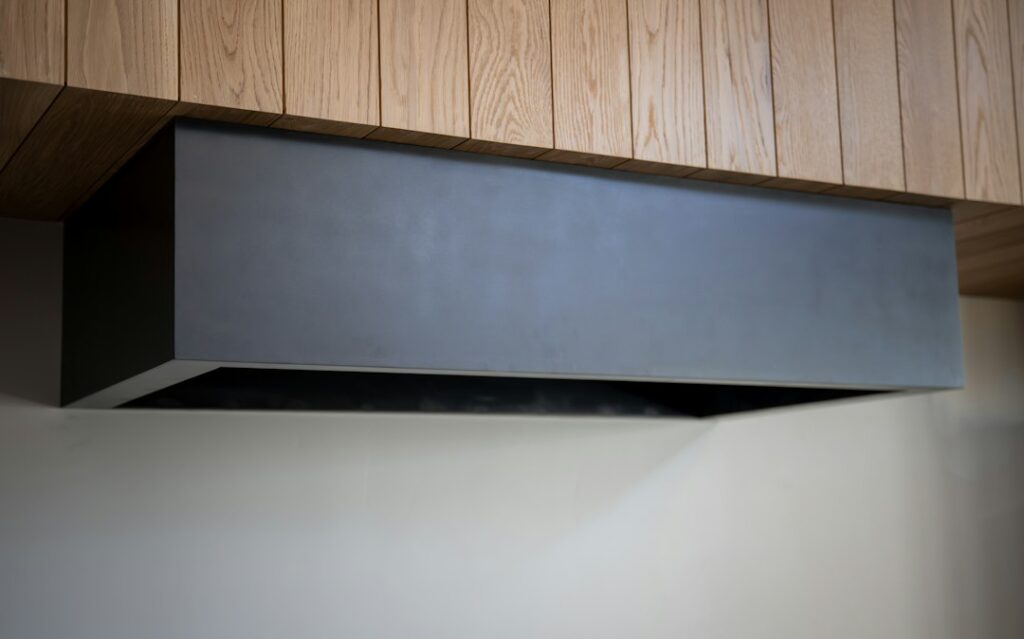
The best range hood for a kitchen is the one that matches how the hood mounts, how hard the cooktop runs and where the air can actually go. A wall chimney hood over an open wall, an under-cabinet unit tucked below uppers, a blower insert hidden in a custom wood or plaster hood, and a non-ducted recirculating hood all solve different problems. Raw airflow numbers matter less than most shoppers expect, because a big fan pushing through a small or kinked duct moves far less air than its rating. Below are seven picks, one per job, followed by a buying guide on CFM sizing, ducting, makeup air and noise.
Part of our Home Ventilation guide — start there for the full picture →
As an Amazon Associate we earn from qualifying purchases.
How we compared: we compared 15 current Amazon listings for wall-mount chimney, under-cabinet, insert and non-ducted range hoods on what each listing states: hood style, rated airflow, duct outlet size and shape, filter type, damper, controls, noise figures, power connection and warranty. We did not lab-test any of these hoods or install them hands-on. Every one of the 15 listings is a 30-inch hood, so width was not a differentiator on this shelf. Prices and availability change often, so check the current listing before buying.
Quick picks: the best range hoods by hood type
| Product | Best for | Key features | Price | Buy |
|---|---|---|---|---|
| Cosmo COS-63175S | Wall chimney for most kitchens |
| $250.99as of Nov 14, 2026 11:00 pm GMT+0000 | Buy now →Check current price |
| IKTCH IKP02-30 | High-output wall chimney |
| $419.00as of Nov 14, 2026 11:00 pm GMT+0000 | Buy now →Check current price |
| VIKIO HOME VK-RP10-30 | Dual-intake wall chimney |
| $249.99as of Nov 15, 2026 2:32 pm GMT+0000 | Buy now →Check current price |
| VIKIO HOME VK-RB30-30SI | Insert for a custom hood |
| $399.99as of Nov 15, 2026 2:32 pm GMT+0000 | Buy now →Check current price |
| VIKIO HOME VK-RC11-30 | High-CFM under-cabinet |
| $299.43as of Nov 15, 2026 2:32 pm GMT+0000 | Buy now →Check current price |
| Broan-NuTone F403011 | Replacing an older hood |
| $99.90as of Nov 15, 2026 2:32 pm GMT+0000 | Buy now →Check current price |
| Broan-NuTone 413004 | Kitchens with no duct |
| $109.00as of Nov 15, 2026 1:55 pm GMT+0000 | Buy now →Check current price |
Prices are Amazon’s listed prices as of the time shown and change often; check Amazon for today’s price. As an Amazon Associate we earn from qualifying purchases.
The seven picks, compared listing by listing
1. Cosmo COS-63175S — Best Wall Chimney Hood for Most Kitchens

30-inch ducted wall chimney hood, 380 CFM, 6-inch duct, baffle filters and a named backdraft damper.
Check price on Amazon$250.99 as of Nov 14, 2026 11:00 pm GMT+0000 — prices change; see Amazon for current price.Why we like it
- 380 CFM stays under the common 400 CFM makeup-air trigger
- Backdraft damper named right in the listing title
- Dishwasher-safe permanent baffle-style filters
- Standard 6-inch duct and a 3-prong plug
| Specification | Details |
|---|---|
| Style / width | Wall-mount chimney (pyramid), 30 inches wide |
| Rated airflow | 380 CFM, 3 fan speeds |
| Duct | 6-inch round; flexible duct supplied, rigid duct recommended for lowest noise |
| Noise stated | As low as 45 dB on low speed with rigid ducting |
| Filters / extras | Permanent dishwasher-safe filters; backdraft damper; carbon kit sold separately for ductless use |
| Power / warranty | 120V, 3-prong plug; chimney adjusts 25.6 to 39.4 inches tall; 2-year limited parts |
Cosmo COS-63175S — 30-in wall chimney, 380 CFM, 3 speeds, 6-in duct, baffle filters, backdraft damper, plug-in, 2-yr parts
The Only Wall Chimney Hood Here Rated Under 400 CFM
Four of the 15 listings are wall-mount chimney hoods. The other three are rated at 450, 580 and 900 CFM. The Cosmo is the only one under 400, and that is a feature rather than a weakness for many homes. Above that level many local codes start asking for makeup air, and a moderate hood on a good duct suits most electric and modest gas ranges.
The Cosmo is also one of four listings that mention a damper of any kind, and the only one that puts “backdraft damper” in its title. A damper keeps winter air from pouring back down the duct when the fan is off. The listing is candid that its lowest noise figure assumes rigid ducting, which the box does not include; it ships with flexible duct for convenience.
What the listing does not say: there is no sone rating, the 45 dB figure covers only the lowest speed, and no chimney extension is mentioned for tall ceilings.
Pros
- Moderate airflow avoids most makeup-air headaches
- Backdraft damper and 6-inch duct are spelled out
- Plug-in power simplifies replacement
Cons
- Underpowered for a high-BTU pro-style gas range
- Rigid duct needed for the stated low noise is not included
- No high-speed noise figure or sone rating
Check Cosmo COS-63175S price on Amazon
2. IKTCH IKP02-30 — Best High-Output Wall Chimney Hood

30-inch wall chimney hood rated 900 CFM with 4 speeds, gesture and touch controls, and a 5-year warranty.
Check price on Amazon$419.00 as of Nov 14, 2026 11:00 pm GMT+0000 — prices change; see Amazon for current price.Why we like it
- Highest-rated wall chimney on the shelf at 900 CFM
- Only listing with four fan speeds
- Longest stated warranty here: 5 years
- Stainless permanent filters go in the dishwasher
| Specification | Details |
|---|---|
| Style / width | Wall-mount chimney, about 29.5 inches wide |
| Rated airflow | Up to 900 CFM, 4 fan speeds |
| Noise stated | 40 dB on lowest speed, 65 dB maximum |
| Controls | Touch panel, gesture sensing and a remote |
| Filters / lights | Two stainless steel permanent filters; two 3W LED lights with adjustable brightness |
| Duct size / weight | Duct size not stated in listing; listed weight 45 pounds; 5-year manufacturer warranty |
IKTCH IKP02-30 — 30-in wall chimney, 900 CFM, 4 speeds, 40–65 dB, touch + gesture + remote, stainless filters, 5-yr warranty
The Longest Warranty and the Most Fan Speeds on the Shelf
Warranties across the 15 listings run from 1 to 2 years for every brand except this one. IKTCH states 5 years. It is also the only listing with four fan speeds; most of the shelf offers two or three. A powerful hood spends most of its life below full speed, so an extra middle step means less noise and less heated air sent outdoors.
Seven of the 15 listings claim more than 400 CFM, so raw power alone is not unique, but among the four wall chimney hoods the IKTCH leads clearly; the VIKIO RP10 claims 580 and the SNDOAS chimney 450. A 900 CFM rating suits a large gas cooktop and brings duct and makeup-air questions with it.
The gap is ducting. The listing never states the duct outlet size, and a 900 CFM fan on an undersized duct will be loud and well below its rating. Confirm the outlet size from the manual before ordering duct. It is also the heaviest listing on the shelf at 45 pounds, so wall blocking matters.
Pros
- Four speeds give fine control below full power
- 5-year warranty beats the rest of the shelf
- Touch, gesture and remote control options
Cons
- Duct outlet size not stated
- 900 CFM likely triggers makeup-air rules
- Heavy, needs solid wall framing
- No damper mentioned
Check IKTCH IKP02-30 price on Amazon
3. VIKIO HOME VK-RP10-30 — Best Dual-Intake Wall Chimney Hood

30-inch pyramid wall hood, 580 CFM dual-side intake, baffle filters, 1 to 9 minute delay shut-off.
Check price on Amazon$249.99 as of Nov 15, 2026 2:32 pm GMT+0000 — prices change; see Amazon for current price.Why we like it
- Blower draws from both sides of the hood
- Adjustable delay runs the fan 1 to 9 minutes
- 6-inch flexible duct included in the box
- Stainless baffle filters, tool-free removal
| Specification | Details |
|---|---|
| Style / width | Wall-mount pyramid chimney, 30 inches |
| Rated airflow | 580 CFM, 3 fan speeds, dual-side intake |
| Noise stated | As low as 40 dBA on low; under 65 dBA on high |
| Duct | 6-inch outlet; 6-inch flexible duct included |
| Ductless option | Carbon filter kit sold separately |
| Weight / warranty | 23.8 pounds; 2-year manufacturer warranty |
VIKIO HOME VK-RP10-30 — 30-in pyramid chimney, 580 CFM dual intake, 3 speeds, 40–65 dBA, 6-in duct, 1–9 min delay, 2-yr
The Only Hood Here With an Adjustable 1-to-9-Minute Delay
Four listings describe a delay shut-off, and the other three (all VIKIO under-cabinet and insert models) fix it at 3 minutes. This chimney hood lets the cook set anything from 1 to 9 minutes, and AMZCHEF’s under-cabinet model mentions a timer. A longer run after cooking clears steam and lingering moisture, which helps keep grease film and condensation off cabinets.
The dual-intake design pulls air from both sides of the canopy; the claimed airflow advantage over single-intake models is the manufacturer’s own. What is concrete is the 580 CFM rating, a noise range stated at both ends and an included 6-inch flexible duct, which only a few listings supply.
The listing does not mention a backdraft damper, and flexible duct is fine for a short connection but adds resistance over a long run. It sits between the moderate Cosmo and the 900 CFM IKTCH.
Pros
- Noise figures stated at both low and high speed
- Adjustable 1 to 9 minute delay
- Duct supplied for a quick connection
Cons
- 580 CFM is above the common makeup-air threshold
- No damper mentioned
- Carbon kit for ductless use costs extra
Check VIKIO HOME VK-RP10-30 price on Amazon
4. VIKIO HOME VK-RB30-30SI — Best Insert for a Custom Hood

30-inch built-in hood insert, 980 CFM, dual-side intake, baffle filters with handles, ETL certification named.
Check price on Amazon$399.99 as of Nov 15, 2026 2:32 pm GMT+0000 — prices change; see Amazon for current price.Why we like it
- Only true insert listing on the shelf
- Only listing here naming ETL certification
- Recessed intake sits closer to the cooktop
- Baffle filters with handles, dishwasher-safe
| Specification | Details |
|---|---|
| Style / width | Built-in insert for a custom or cabinet hood enclosure, 30 inches |
| Rated airflow | 980 CFM, 3 speeds, dual-side intake |
| Noise stated | 40 dB low to 65 dB high |
| Controls / lights | Gesture and touch; 3W GU10 LED bulbs at 4000K |
| Certification | ETL certified for US and Canadian safety standards |
| Duct / warranty | Ducted or ductless per listing; duct size not stated; 2-year warranty |
VIKIO HOME VK-RB30-30SI — 30-in insert, 980 CFM, dual intake, 40–65 dB, gesture + touch, GU10 LED, ETL named, 2-yr
The Only Insert, and the Only Listing That Names a Safety Certification
Fourteen of the 15 listings are complete hoods. This is the only blower insert, designed to drop into a wood, plaster or metal hood shell built by a cabinetmaker or contractor. It is also the only listing on this shelf that names a safety certification in plain words (ETL, the Intertek mark, against US and Canadian standards). AMZCHEF’s model number begins with “UL,” but its listing never says the hood is listed. A recognized listing mark matters for an appliance hardwired above a burner.
At 980 CFM it ties for the highest rating on the shelf with the VIKIO RC11 under-cabinet hood. The lowered intake captures smoke closer to the pan, which is the job a custom hood exists to do well.
The listing omits outlet size and cutout dimensions, so get the included installation template to the hood builder before the shell is framed.
Pros
- ETL certification stated outright
- Highest airflow rating on the shelf
- Fits a custom hood design
Cons
- Needs a separately built enclosure
- Duct size and cutout not in the listing
- 980 CFM almost certainly brings makeup-air requirements
Check VIKIO HOME VK-RB30-30SI price on Amazon
5. VIKIO HOME VK-RC11-30 — Best High-CFM Under-Cabinet Hood

30-inch ducted under-cabinet hood rated 980 CFM, with round and rectangular duct adapters and a damper.
Check price on Amazon$299.43 as of Nov 15, 2026 2:32 pm GMT+0000 — prices change; see Amazon for current price.Why we like it
- Ties the shelf high at 980 CFM
- Both round and rectangular duct adapters included
- Rectangular adapter comes with a damper
- Stainless baffle filters and 3-minute delay
| Specification | Details |
|---|---|
| Style / width | Under-cabinet, ducted only, about 29.5 inches |
| Rated airflow | 980 CFM, 3 speeds |
| Duct | Rectangular adapter with damper; round adapter without damper |
| Controls | Gesture and touch panel |
| Noise | Described as comfortable; no decibel figure stated in listing |
| Weight / warranty | 36.1 pounds; 2-year manufacturer warranty |
VIKIO HOME VK-RC11-30 — 30-in under-cabinet, ducted, 980 CFM, round + rectangular adapters, damper, baffle filters, 2-yr
The Most Airflow Among the Ten Under-Cabinet Listings
Ten of the 15 listings are under-cabinet hoods, and their ratings run from 200 CFM (two COMFEE models) up to this 980 CFM VIKIO. Only two other under-cabinet models claim more than 400: AMZCHEF at 750 and VIKIO’s RC13 at 900. The RC11 also ships with both a round and a rectangular adapter, which helps when an old 3-1/4 x 10 inch rectangular duct already runs through the cabinet above.
Unlike its RC13 sibling, the RC11 does not give a decibel range, so its noise is unknown from the listing. It is ducted only; there is no ductless kit mentioned. For a closer look at slim and convertible under-cabinet models, see our best under-cabinet range hood comparison, which covers a different set of hoods.
Pros
- Strongest under-cabinet rating on the shelf
- Two duct adapter shapes in the box
- Damper included on the rectangular adapter
Cons
- No decibel figures stated
- Ducted only, no recirculating option
- Heavy for an under-cabinet hood at 36.1 pounds
Check VIKIO HOME VK-RC11-30 price on Amazon
6. Broan-NuTone F403011 — Best for Replacing an Older Hood

30-inch white under-cabinet hood with four venting configurations, a damper adapter and a 7-inch round adapter.
Check price on Amazon$99.90 as of Nov 15, 2026 2:32 pm GMT+0000 — prices change; see Amazon for current price.Why we like it
- Four venting configurations, the most on the shelf
- Fits common existing rectangular and round ducts
- 3.25 x 10 inch damper adapter included
- Simple two-speed fan and lens-covered light
| Specification | Details |
|---|---|
| Style / width | Under-cabinet, 30 inches, white |
| Venting | 3.25 x 10 inch vertical, 3.25 x 10 inch horizontal, 7-inch round, or non-ducted |
| Rated airflow | Not stated in listing; two speeds |
| Included | 3.25 x 10 inch damper/adapter and 7-inch round adapter |
| Lighting | Lens-covered light; 75W-max bulb not included |
| Weight / warranty | 12 pounds; 1-year warranty |
Broan-NuTone F403011 — 30-in under-cabinet, 4-way convertible, damper + round adapters, 2 speeds, CFM not stated, 1-yr
The Only Listing With Four Venting Paths
Most convertible hoods on the shelf offer two choices: ducted or recirculating. The Broan F403011 is the only listing that names four, including both vertical and horizontal 3-1/4 x 10 inch rectangular connections. That duct shape sits behind many older builder-grade hoods, so this model can often reuse existing ductwork.
The trade-off is information. It is one of three listings that never state a CFM rating, and it gives no noise figure. Treat it as a basic, light-duty hood; the listing also notes BP87 dampers are sold separately.
Pros
- Four venting options fit most existing ducts
- Damper and round adapter in the box
- Light, simple, long-established design
Cons
- No CFM rating stated
- No noise figure
- Basic two-speed controls only
- 1-year warranty
Check Broan-NuTone F403011 price on Amazon
7. Broan-NuTone 413004 — Best for Kitchens With No Duct

30-inch non-ducted under-cabinet hood with a replaceable charcoal filter, 2-speed fan and 18-inch minimum height.
Check price on Amazon$109.00 as of Nov 15, 2026 1:55 pm GMT+0000 — prices change; see Amazon for current price.Why we like it
- Built only for non-ducted use, no conversion needed
- Replaceable charcoal filter for odor and grease
- Separate rocker switches for fan and light
- Only listing stating a minimum height above the cooktop
| Specification | Details |
|---|---|
| Style / width | Non-ducted under-cabinet insert-style hood, 30 inches, stainless |
| Filtration | Replaceable charcoal filter |
| Fan / airflow | Two speeds; CFM not stated in listing |
| Lighting | Takes an A19 LED bulb, 75W max, not included |
| Mounting height | At least 18 inches above the cooktop |
| Weight / warranty | 10 pounds; one-year limited warranty |
Broan-NuTone 413004 — 30-in non-ducted, charcoal filter, 2 speeds, A19 bulb, 18-in minimum above cooktop, 1-yr
The Only Hood Here Sold Strictly as Non-Ducted
Many listings on the shelf are convertible, but the 413004 is the only one designed purely as a recirculating hood. It filters grease and odor and returns the air to the kitchen. It is also the only one of the 15 listings that states a minimum mounting height (18 inches above the cooktop). For the rest, that number lives in the installation manual.
Be clear about what recirculation cannot do. A charcoal filter does nothing about the moisture, heat, carbon monoxide or nitrogen dioxide that a gas burner produces; only ducting outdoors removes those. For condos and interior kitchens where a duct is impossible, see our full guide to the ductless range hood for how to get the most from one.
Pros
- No duct, no exterior penetration
- Minimum mounting height stated
- Simple controls and a light, 10-pound body
Cons
- Does not remove combustion gases or moisture
- No CFM or noise figure stated
- Charcoal filter must be replaced on schedule
Check Broan-NuTone 413004 price on Amazon
Range hood types: which style fits your kitchen
Wall chimney hoods
A chimney hood mounts on the wall with a decorative flue cover running to the ceiling. Four listings here are this style. They need open wall space, solid blocking for the weight (23 to 45 pounds where stated) and a cover long enough for the ceiling height.
Under-cabinet hoods
Under-cabinet hoods fasten to the underside of the cabinet above the range and are the most common replacement. Ten of the 15 listings are this style, ranging from 4.7-inch-thin slim models to deeper, heavier units with baffle filters. The duct runs up through the cabinet or straight out the back wall.
Inserts
An insert is the motor, filter and light package without the visible body. It goes inside a custom hood built to match cabinetry. Only one listing here is an insert. Plan the enclosure, duct path and service access before the shell is built.
Island hoods
Island hoods hang from the ceiling over a cooktop with no wall behind it. None of the 15 listings here is an island hood. They lose more smoke to cross-drafts, so they are sized larger, and the duct runs through ceiling joists, making them a remodel-level job.
Non-ducted and over-the-range microwaves
Recirculating hoods filter and return air. An over-the-range microwave combines a microwave with a small vent fan; the ones we looked at rate around 300 to 400 CFM and sit high above the burners with a shallow intake. Our best over-the-range microwave comparison covers that trade-off in detail. Where cooking is frequent or the range burns gas, a real hood ducted outdoors does a better job.
How much CFM you need, and why the duct matters more
CFM (cubic feet per minute) is the airflow a fan moves under test conditions. Two rules of thumb are widely used by hood makers and installers. For a wall-backed hood over an electric range, plan on roughly 100 CFM per linear foot of cooktop width, so about 250 CFM for a 30-inch range. For gas, plan on roughly 100 CFM per 10,000 BTU of total burner output, so a range with 60,000 BTU across its burners points toward about 600 CFM. Islands generally need more than either figure.
The rating on the box assumes a short, smooth duct. Every elbow, every foot of flexible duct and every undersized transition cuts real airflow and raises noise. Match the duct to the hood’s outlet: several hoods on this shelf state a 6-inch round outlet, Zomagas and COMFEE mention 7-inch round, Broan lists the older 3-1/4 x 10 inch rectangular size, and two VIKIO models include rectangular adapters. Never reduce the duct below the outlet size. Our range hood ducting guide covers duct sizing, rigid versus flexible duct and roof versus wall caps.
A few practical rules apply across every listing here:
- Use smooth rigid metal duct wherever possible; keep flexible duct short.
- Run the duct to the outdoors through a wall or roof cap with a damper, never into an attic, soffit or crawl space.
- Keep elbows to a minimum and tape joints with foil tape rather than cloth duct tape.
Makeup air, backdrafting and big hoods
A kitchen hood exhausting 600 or 900 CFM has to pull that much air back into the house from somewhere. In a tight modern home, that replacement air may come down a furnace flue, a water heater vent or a fireplace chimney. That reverse flow, called backdrafting, can pull combustion gases into the living space. The EPA lists back-drafting from furnaces, gas water heaters, wood stoves and fireplaces among the sources of indoor carbon monoxide.
For that reason, many jurisdictions that adopt the International Residential Code require a makeup-air provision when kitchen exhaust exceeds 400 CFM. The exact threshold, how the makeup air must be supplied and any exceptions vary by local adoption, so confirm with the local building department before buying a high-CFM hood. Among the seven picks, only the Cosmo stays under that number; the others will usually need a makeup-air plan as part of a permitted installation. Our range hood installation guide walks through permits, wiring and makeup air.
Gas cooking and indoor air quality
Gas burners produce more than smoke. The EPA names unvented combustion appliances, including gas stoves, as a primary indoor source of nitrogen dioxide, a respiratory irritant, and reports that homes with gas stoves often have indoor levels above outdoor levels. The agency’s carbon monoxide page notes that levels near properly adjusted gas stoves are often 5 to 15 ppm, and 30 ppm or higher near poorly adjusted ones.
The EPA’s recommended fix is direct: install and use an exhaust fan vented to the outdoors over gas stoves, and keep gas appliances properly adjusted. That is why a ducted hood beats a recirculating one for any gas range, and why running the fan on low every time a burner is lit matters more than top speed. Back burners help too; a hood captures rear plumes more easily.
Fire safety belongs in the same conversation. The U.S. Fire Administration calls cooking the leading cause of home fires and home fire injuries, with unattended equipment the leading factor. A clean filter keeps grease from building up in the hood and duct, but no hood replaces standing by the pan.
Noise, filters and controls
Noise: decibels and sones
None of the 15 listings gives a sone rating, the loudness unit used by the ENERGY STAR program and many hood makers. Several give decibels instead, typically 35 to 45 dB on the lowest speed and around 55 to 65 dB on high. ENERGY STAR’s ventilating fan criteria cap certified range hoods drawing 75 watts or less at 2.0 sones, alongside a minimum efficiency of 2.8 CFM per watt, which is a useful benchmark when a manufacturer does publish sones.
Filters
Baffle filters (overlapping stainless channels) catch grease by forcing air to change direction; they tolerate high heat and go in the dishwasher. Mesh aluminum filters are lighter and cheaper but clog sooner. Charcoal filters for recirculating mode remove odor and must be replaced, typically every few months by the makers’ own guidance on this shelf. Our range hood filter guide covers cleaning intervals and replacements.
Controls and power
Rocker switches are simple; touch and gesture panels wipe clean more easily. Check whether the hood comes with a plug or is hardwired only: two listings on this shelf (Cosmo and the SNDOAS chimney) state a 3-prong plug, and several others say a plug is sold separately, which means a junction box connection by someone qualified to make it.
Range hoods in Front Range homes
Colorado winters make two details more important than they are in mild climates. First, the damper. A hood duct is a hole to the outdoors, and wind-driven cold air coming back down an undampered duct is a common winter complaint. A wall or roof cap with a working flap, plus an in-line damper where the hood offers one, keeps that draft out.
Second, house pressure. Many Front Range homes run gas furnaces, gas water heaters and sometimes a fireplace or wood stove, all relying on natural draft. A powerful hood running in a tight, well-sealed house can depressurize the building enough to disturb those vents. The fix is not a weaker fan; it is correct sizing, makeup air where required and a carbon monoxide alarm on every level. Strong exhaust can also increase the pull of soil gas into a basement, so homes that have tested high for radon should mention a new high-CFM hood to their mitigation installer.
When to bring in a professional
Swapping a plug-in hood onto an existing, correctly sized duct is a reasonable DIY job. Call in a licensed contractor or electrician when the job involves a new wall or roof penetration, a hardwired connection, a duct run through framing or an attic, a hood above 400 CFM that triggers makeup-air rules, or an island or custom insert installation. Our range hood installation cost guide breaks down what those jobs usually involve.
Warning signs worth an inspection include a hood ducted into the attic or a soffit rather than outdoors, grease staining around the duct, a cap with a missing or stuck damper, or burner flames that flicker toward the hood when it runs. If you are buying a Front Range home and want the kitchen ventilation, gas appliances and venting checked, contact us to connect with a vetted local inspector.
Frequently asked questions
What is the best type of range hood?
A ducted hood vented to the outdoors is the best type for most kitchens, especially with a gas range. Wall chimney and under-cabinet hoods both work well when the duct is correctly sized. Non-ducted hoods only filter grease and odor, so they suit kitchens where a duct is impossible.
How many CFM does a range hood need?
A common rule of thumb is about 100 CFM per linear foot of cooktop for an electric range and about 100 CFM per 10,000 BTU of burner output for gas. A 30-inch electric range often needs around 250 to 300 CFM. Duct size and length matter as much as the rating.
Do I need makeup air for my range hood?
Many jurisdictions that follow the International Residential Code require makeup air when kitchen exhaust exceeds 400 CFM. Requirements and exceptions vary locally, so confirm with your building department before buying a high-CFM hood. Makeup air also helps prevent backdrafting of gas appliances.
Is a ductless range hood worth it?
A ductless hood is worth it only when venting outdoors is not possible, such as in many condos. It traps grease and some odor with charcoal filters but does not remove moisture, heat or combustion gases like nitrogen dioxide. For a gas range, a ducted hood is the better choice.
How high should a range hood be above the stove?
Follow the hood manufacturer's installation manual, which sets a minimum and often a maximum height. Among the listings compared, only Broan states a figure, at least 18 inches above the cooktop for its non-ducted model. Mounting too high reduces capture; too low can be a heat and safety concern.
Is a range hood required by building code?
Most US residential codes do not require a range hood over a home stove, though some jurisdictions, such as California, require kitchen exhaust ventilation. When a hood is installed, codes typically govern duct material, outdoor termination and makeup air for large hoods. Check with the local building department before a remodel.
Should a range hood run when cooking on an electric stove?
Yes, a range hood should run when cooking on an electric stove too. Frying, searing and roasting release fine particles, grease and moisture regardless of fuel. Gas burners add combustion gases, but electric and induction cooking still benefit from ventilation, especially when using high heat or cooking oils.
Why is a range hood not pulling smoke well?
A range hood that does not pull smoke well usually has clogged filters, a stuck backdraft damper, a crushed or too-small duct, or too little CFM for the cooktop. Starting the fan before cooking, using the back burners and cleaning filters often help. A tight house may also need makeup air.
More Questions About Range Hoods
How much does it cost to install a range hood?
Professional range hood installation typically costs a few hundred dollars when it replaces an existing ducted hood, and often $1,000 or more when a new duct must be run through a wall, cabinet or roof. The ductwork drives the price.
Industry estimates put a straight swap at roughly $200 to $600 in labor. New duct runs, roof or wall penetrations, electrical work, makeup air and drywall repair add cost. Island hoods and large high-CFM hoods take longer to install. Getting a quote that lists duct size, length and termination helps compare contractors, since undersized or long duct runs reduce hood performance.
How wide should a range hood be compared to the cooktop?
A range hood should be at least as wide as the cooktop, and ideally 3 inches wider on each side, especially over gas burners or for island installations. Wider coverage captures smoke and grease that drifts sideways.
For a 30-inch range, a 30-inch hood is the minimum and a 36-inch hood gives better capture. Island hoods need extra width because cross drafts pull fumes away from the hood more easily than a wall does. Depth matters too: a hood that covers the front burners captures far more than a shallow one, since much frying happens up front.
Can a range hood vent into the attic?
No, a range hood should not vent into an attic, crawl space or wall cavity. Cooking exhaust carries moisture and grease that can cause mold, rot and a fire hazard, so the duct must end outside at a proper wall or roof cap.
Building codes generally require ducted kitchen exhaust to terminate outdoors with a backdraft damper. A hood that blows into the attic is a common home-inspection finding and is worth correcting. If running a duct outside is not practical, a recirculating hood with charcoal filters is the alternative, though it removes smoke and odor less effectively and does nothing for humidity.
How long does a range hood last?
A range hood typically lasts 10 to 15 years or more, and the metal shell often outlasts the motor, lights and controls. Regular filter cleaning is the biggest factor in how long the fan keeps running well.
Grease buildup strains motors and blower wheels, so clean metal mesh or baffle filters every month or two with heavy cooking. Replace charcoal filters in recirculating hoods on the maker’s schedule. Signs a hood needs repair or replacement include a louder or slower fan, rattling, flickering lights, a sticky damper or a motor that hums without spinning.
Does a range hood need a dedicated circuit?
Most residential range hoods do not need a dedicated circuit; many share a 15- or 20-amp kitchen lighting or general circuit, following the manufacturer’s instructions and local code. Large high-CFM hoods and some inline or exterior blowers may require one.
The installation manual lists the required circuit and whether the hood is hardwired or plugs into an outlet in the cabinet above. Hoods combined with heat lamps or warming features draw more power. When adding a hood where none existed, a licensed electrician can confirm the circuit has capacity and that the connection is in an approved junction box.
References
- Nitrogen Dioxide’s Impact on Indoor Air Quality — U.S. Environmental Protection Agency
- Carbon Monoxide’s Impact on Indoor Air Quality — U.S. Environmental Protection Agency
- Introduction to Indoor Air Quality — U.S. Environmental Protection Agency
- Ventilating Fans Key Product Criteria — ENERGY STAR
- Cooking Fire Safety — U.S. Fire Administration