Home Electrical: Panels, Breakers, Outlets, Wiring & EV Charging
Home electrical problems range from a tripped GFCI outlet that takes seconds to reset to an overheating connection hidden inside a wall. The difference between the two is not always obvious, and electrical faults can cause shocks and fires, so this hub takes a deliberately cautious line. It groups our electrical guides into three areas (panels and service equipment, breakers, outlets and lights, and the wiring inside the walls) and for each one explains what a homeowner can safely check, what a home inspector typically flags and when the job belongs to a licensed electrician. As a general rule, safe homeowner tasks are limited to resetting breakers and GFCIs, testing devices with their built-in buttons, swapping bulbs and noting symptoms. Anything that involves removing a panel cover, opening a device box or changing wiring is work for a licensed professional, and many of those jobs also require a permit. For the wider process of choosing and scheduling inspectors, start with the guide to hiring a home inspector.
Panels and service
The electrical panel is where an inspector spends much of the electrical portion of an inspection. Under the ASHI Standard of Practice, the inspector inspects the service drop, service entrance conductors, service equipment and main disconnect, service grounding and the interior components of service panels and subpanels, and describes the amperage rating of the service and the predominant branch circuit wiring method. The same standard says inspectors are not required to measure amperage, voltage or impedance, and it excludes solar and other renewable energy systems, so a report is a visual snapshot rather than a full electrical survey.
Some panel brands draw extra attention. Our guide to Federal Pacific panels explains why Stab-Lok breakers are frequently called out in reports, how insurers may react and what replacement usually involves. Inspectors also flag double-tapped breakers, scorch marks, rust from water entry, missing knockouts and panels that appear undersized for the home’s current loads. When those findings pile up, or when a household is adding major equipment, the electrical panel upgrade guide covers the warning signs, permits and broad cost ranges, which commonly run from the low thousands of dollars upward depending on amperage and whether the utility service must change.
Grounding and bonding are easy to overlook because most of the system is out of sight. The electrical grounding guide explains how the grounding electrode, bonding to metal water and gas piping and equipment grounding conductors work together, and why inspectors note missing ground clamps or ungrounded three-prong outlets. A related upgrade is a whole house surge protector installed at the panel, which is intended to limit voltage spikes before they reach appliances and electronics.
Newer loads often force a hard look at panel capacity. A Level 2 car charger can be one of the largest continuous loads in a house, and our EV charger installation guide walks through circuit sizing, load calculations, permits and when a panel upgrade or load management device may be needed. Owners considering a home battery backup face similar questions about transfer equipment, panel space and interconnection rules. All of this is licensed electrician work: panel interiors stay energized on the line side even with the main breaker off.
Breakers, outlets and lights
This is where homeowners can do a limited amount of safe troubleshooting. A breaker that trips occasionally can be reset once after unplugging the likely culprit. A breaker that trips repeatedly, feels hot, smells burnt or will not reset is telling you something, and the guide to a breaker that keeps tripping explains the difference between an overloaded circuit, a short circuit and a ground fault, and why repeatedly forcing a breaker back on is dangerous.
Dead receptacles are often a GFCI issue. A single GFCI device can protect several outlets downstream, sometimes in another room or the garage, so a tripped one can make several outlets go dark at once. The GFCI outlet not working guide covers how to find and reset the controlling device and what it means when a GFCI will not reset or trips immediately. If resetting breakers and GFCIs does not restore power, the outlet stopped working guide lays out safe, non-invasive checks and the point where an electrician should open the box. Warm cover plates, buzzing, discoloration or a burning smell are reasons to stop using the outlet and call a professional promptly.
Flickering is another symptom with both harmless and serious causes. A loose bulb or an incompatible dimmer is a simple fix, while flicker across several rooms or tied to large appliances starting can point to a loose neutral or a service connection problem. Our article on lights flickering in the house explains how to narrow it down and when to call the utility or an electrician.
During an inspection, the ASHI standard has the inspector check a representative number of installed lighting fixtures, switches and receptacles, plus GFCI and AFCI devices. Typical findings include reversed polarity, open grounds, missing GFCI protection in kitchens, baths, garages and exterior locations, loose receptacles and missing cover plates. Those items are usually inexpensive to correct, but they should be corrected by a qualified electrician rather than left on a repair list.
Wiring
The branch circuit wiring inside the walls determines much of a home’s long-term electrical risk, and the wiring method is one of the things inspectors describe in the report. Front Range housing stock spans everything from early 20th-century homes in older city neighborhoods to newer subdivisions, so it helps to know what each era tends to bring.
The oldest systems may still include knob and tube wiring, which lacks an equipment ground and was not designed to be buried in insulation. It can affect insurability, and the guide covers evaluation and replacement options. Homes from roughly the mid-1960s to the mid-1970s may contain single-strand aluminum wiring. The U.S. Consumer Product Safety Commission states in its publication on repairing aluminum wiring that a survey conducted for the agency found homes built before 1972 and wired with aluminum were 55 times more likely to have one or more outlet connections reach “fire hazard conditions” than homes wired with copper. The CPSC describes the hazard as occurring at connections, which is why remediation focuses on the terminations and splices.
When an inspector reports either wiring type, or extensive amateur modifications such as ungrounded additions, open splices and undersized conductors, the usual recommendation is evaluation by a licensed electrician. Partial remediation is sometimes possible; in other cases, full replacement makes more sense. The house rewiring cost guide explains what drives the price, including home size, wall access, plaster versus drywall and permit requirements, and why quotes can vary widely from one contractor to the next.
Wiring work is not a DIY category. Even experienced homeowners can miss code requirements on box fill, conductor sizing and connection methods, and most jurisdictions require permits and inspections for new circuits or rewiring. Buyers who see wiring concerns in a report generally do best by getting a written electrician estimate before the inspection contingency expires.
DIY or electrician? A quick reference
Use this table as a starting point. Costs are broad industry ranges, not quotes, and vary by home, access, permits and local labor rates. When in doubt, treat any electrical issue as a job for a licensed electrician.
| Issue | Safe homeowner step | Call a licensed electrician when | What an inspector may flag |
|---|---|---|---|
| Tripping breaker | Unplug loads, reset once | Repeated trips, hot or burnt-smelling breaker, will not reset | Double taps, oversized breakers, scorching in panel |
| Dead outlet or GFCI | Find and reset the GFCI and breaker; press TEST and RESET | No power after resets, warm or discolored plates, buzzing | Missing GFCI protection, open grounds, reversed polarity |
| Flickering lights | Tighten or replace bulb; check dimmer compatibility | Flicker in several rooms or when large appliances start | Loose devices, signs of overheating |
| Panel concerns | Keep the area clear; label circuits | Federal Pacific or other flagged panels, rust, capacity limits | Panel brand, condition, amperage, missing parts |
| EV charger or battery backup | Gather load and usage details | Always; requires load calculation and usually a permit | Capacity and installation concerns, where visible |
| Older wiring | Note warm outlets or odors; avoid overloading circuits | Knob and tube, aluminum branch wiring, amateur splices | Wiring method, ungrounded circuits, open junctions |
References
- ASHI Standard of Practice for Home Inspections — American Society of Home Inspectors
- Repairing Aluminum Wiring (Publication 516) — U.S. Consumer Product Safety Commission
Frequently asked questions
What are the most common home electrical problems?
Frequent issues include breakers that trip repeatedly, outlets that stop working, GFCI devices that will not reset, flickering lights, and panels or wiring that are outdated for modern loads. Older homes may also have knob and tube or aluminum branch wiring that warrants an electrician's evaluation.
What electrical work can a homeowner do safely?
Safe homeowner tasks are generally limited to resetting breakers and GFCI outlets, using built-in test buttons, replacing bulbs, labeling circuits and noting symptoms. Opening the panel, replacing devices or changing wiring is best left to a licensed electrician, and many of those jobs require a permit.
Does a home inspection check the electrical panel?
Yes. Under common standards of practice, the inspector looks at the service equipment, main disconnect, grounding and the interior of service panels and subpanels where safe, and checks a representative number of outlets, switches and fixtures. Inspectors are generally not required to measure voltage or amperage.
Is a Federal Pacific panel a deal breaker when buying a home?
Not necessarily, but it is commonly flagged and some insurers may ask about it. Buyers often request an electrician's evaluation and a replacement quote, then negotiate a repair, credit or price adjustment during the inspection contingency.
Do I need a panel upgrade to install an EV charger?
Not always. A licensed electrician can perform a load calculation to see whether the existing service can support a Level 2 charger. Depending on the results, options may include a dedicated circuit on the current panel, a load management device or a panel or service upgrade.
Buying a home along the Front Range and unsure how serious an electrical finding is? Contact our team and we can point you toward qualified local inspectors and help you plan a follow-up evaluation with a licensed electrician.
Panels & service

Best EV Charger for Home (2026): 7 Level 2 Picks Compared

Best Inverter Generator (2026): 7 Clean-Power Picks Compared

Best Portable Generator (2026): 6 Home Backup Picks Compared

Electrical Panel Upgrade Cost: Typical Ranges in 2026

Whole House Surge Protector Cost: Device and Install

EV Charger Installation Cost: Level 2 Prices and Quote Tips
Breakers, outlets & lights

Best Outdoor Lights (2026): 7 Picks Compared by Fixture Type

Best LED Light Bulbs (2026): 7 A19 Picks Compared by Use

Best Ceiling Fans With Lights (2026): 7 Picks by Light
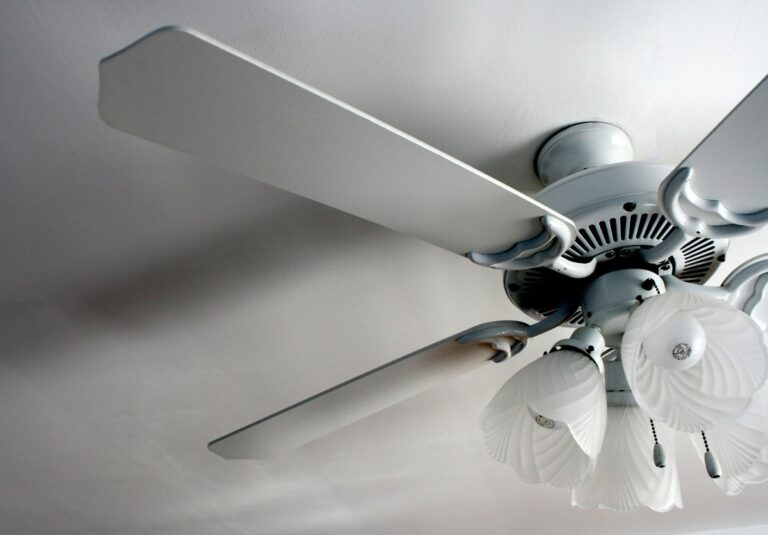
Best Ceiling Fans for Bedroom (2026): 7 Quiet Picks

Best Ceiling Fan (2026): 7 Picks Compared by Room Size

Best Smart Light Bulbs (2026): 8 Picks by Ecosystem and Use
Wiring

Knob and Tube Wiring Replacement Cost: Typical Ranges, Quotes

Best Electrical Tape (2026): 6 Vinyl Tapes Compared by Rating
Doorbell Transformers: Voltage, Location, and Troubleshooting

Electrical Box Extenders: Fixing Recessed Outlets After Tile

Electrical Tape: Proper Uses and Why It Isn’t a Splice
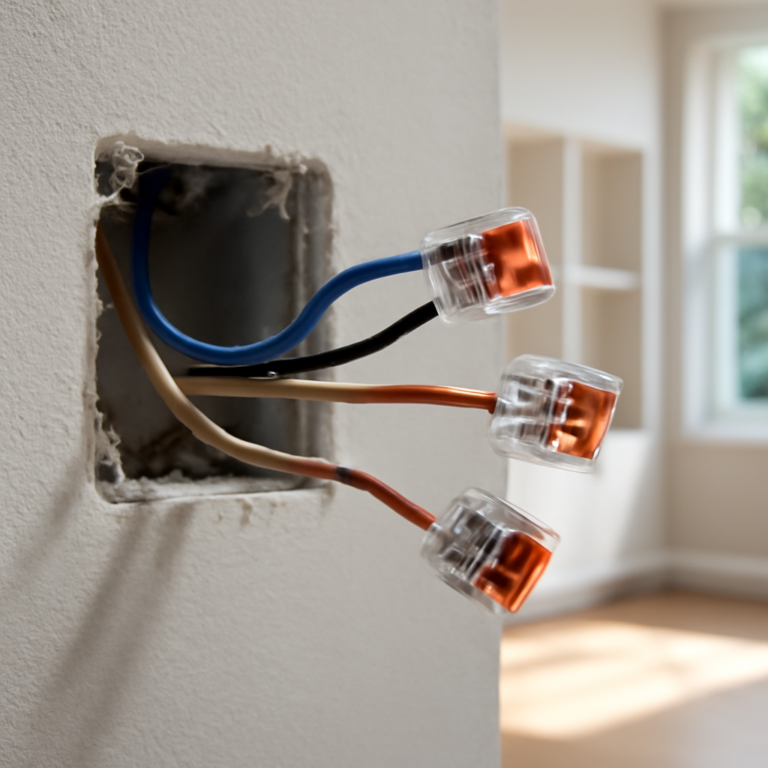
Wago Connectors vs Wire Nuts: Lever Splices in Home Wiring
More guides

Best Over the Range Microwave (2026): 6 Picks Compared

Best Wall Ovens (2026): How to Choose the Right One

Best Upright Freezer (2026): Buying Guide + ENERGY STAR Shortlist

Best Electric Ranges (2026): How to Choose the Right One

Best Side by Side Refrigerator (2026): ENERGY STAR Shortlist

Best Counter Depth Refrigerator (2026): ENERGY STAR Shortlist
Browse all 183 home electrical guides » Back to the Hiring a Home Inspector hub