Outlet Stopped Working: Safe Troubleshooting Steps
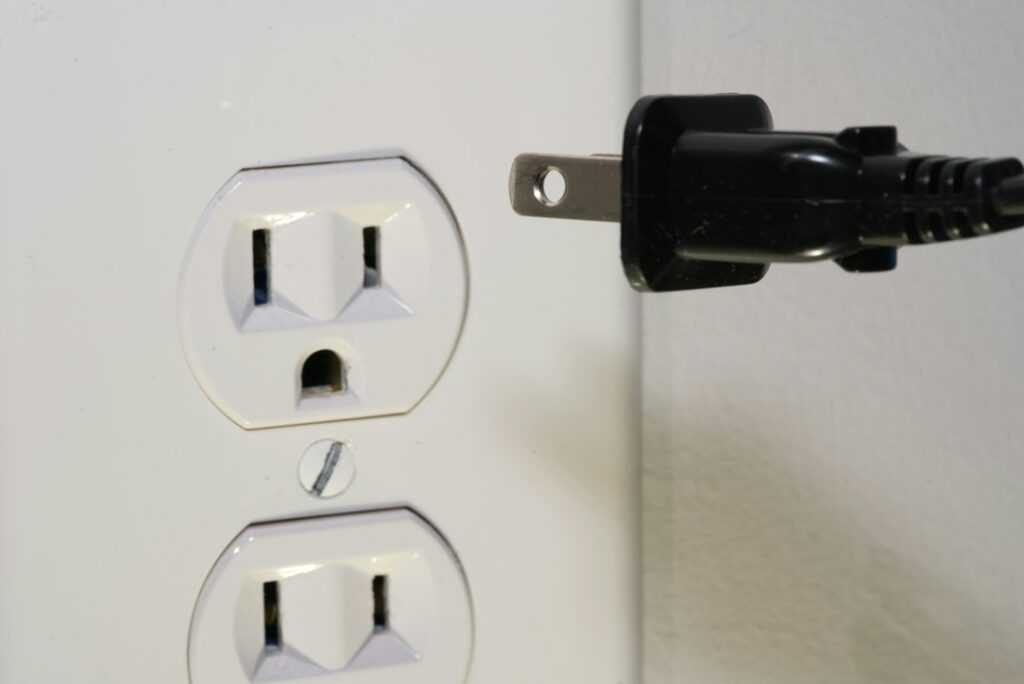
You plug in a lamp, a phone charger or the coffee maker, and nothing happens. A dead receptacle is one of the most common electrical complaints in any house, and most of the time the cause is ordinary: a GFCI that tripped in another room, a breaker that flipped, or an outlet that is controlled by a wall switch nobody noticed. Sometimes, though, an outlet stopped working because a connection inside the box has loosened, overheated or burned, and that is a different kind of problem. This guide walks through a safe troubleshooting order that does not require opening any boxes, explains how to test with simple plug-in tools, lists the warning signs that mean you should stop and call a licensed electrician, and gives rough, hedged cost ranges for common repairs. Electrical codes and permit rules vary by jurisdiction, so treat code references here as general.
Part of our Home Electrical guide — start there for the full picture →
Why Did My Outlet Stop Working?
In most homes, a dead outlet traces back to one of six causes. Working from the easiest and most common to the least common, they are:
- A tripped GFCI somewhere else on the circuit. One ground-fault outlet can protect several ordinary-looking outlets downstream, sometimes in a different room.
- A tripped or off breaker. The circuit may have shut down because of an overload, a short or an arc fault.
- A switched outlet. Many living rooms and bedrooms have a receptacle (or half of one) controlled by a wall switch meant for a floor lamp.
- A loose connection. Push-in “backstab” terminals and loosened screw terminals can lose contact, cutting power to that outlet and often to every outlet after it.
- A worn-out receptacle. The spring contacts that grip a plug weaken with years of use, so plugs fall out or make intermittent contact.
- A damaged or overheated device or wire. Scorching, melted plastic or failing aluminum connections fall into this group, and they are the reason to take a dead outlet seriously.
The first three causes are homeowner checks. The last three involve wiring and belong to a qualified electrician. If you smell burning plastic, see discoloration, hear buzzing or feel warmth, leave the outlet alone and skip to the warning signs section.
A Safe Troubleshooting Order for a Dead Outlet
The steps below avoid removing cover plates or touching wiring. Work through them in order, because the early steps solve the problem in a large share of cases and take only a few minutes.
Step 1: Confirm the Device Is Not the Problem
Plug a lamp you know works into both the upper and lower receptacles. A failed appliance or bad power strip can look exactly like a dead outlet. If only one half works, it may be a split, switched receptacle (Step 4).
Step 2: Look for a Tripped GFCI Elsewhere
This is the most common surprise. A GFCI receptacle in a bathroom, garage, basement, kitchen or on an exterior wall can feed ordinary outlets wired after it. When it trips, every outlet on its “load” side goes dead, including ones that have no buttons at all. In many Front Range homes built in the 1970s through the 1990s, a single garage GFCI protects outdoor outlets and even a bathroom or two.
Walk the house and press RESET on every GFCI you find until it clicks and stays in. Check behind freezers in the garage and on decks and patios. If a GFCI will not reset or trips again immediately, our guide to a GFCI outlet not working covers the next steps, including moisture, failing devices and wiring faults.
Step 3: Check the Breaker Panel
Open the panel door and look for a breaker handle that sits in the middle position or is fully off. A tripped breaker often looks only slightly out of line with its neighbors. To reset it, push the handle firmly to OFF first, then back to ON.
A single trip after running a space heater and a hair dryer on the same circuit is usually an overload. A breaker that trips again right away, or trips repeatedly over days or weeks, points to a fault that needs diagnosis. Our guide to a breaker that keeps tripping explains the difference between overloads, short circuits and ground faults, and why repeatedly resetting a tripping breaker is not a fix.
Step 4: Try the Wall Switches
Flip every switch in the room, including ones you assume control a ceiling light or a porch fixture. Builders commonly wire one receptacle in a living space to a switch so a floor lamp can be turned on at the door. Sometimes only the top or bottom half of the outlet is switched.
Step 5: Notice Whether Other Outlets Are Also Dead
If several outlets in a row are dead but the breaker is on and no GFCI is tripped, the likely culprit is a loose connection at the last working outlet or the first dead one. Power passes through each box on its way to the next, so one failed connection can take out everything downstream. That diagnosis requires opening boxes on a live or recently live circuit, which is electrician work.
Step 6: Stop and Call for Help
If the outlet is still dead, the problem is likely inside the wall. Note which outlets work, which breaker feeds the area and whether any GFCI behaved oddly. That record saves an electrician time.
Loose Backstab Connections and Worn Receptacles
Many outlets installed in tract homes from the 1970s onward were wired using push-in terminals on the back of the receptacle, often called backstabs. The installer strips the wire and pushes it straight into a hole, where a small spring clip holds it. That is fast and permitted for certain wire sizes, but the spring contact is lighter than a screw terminal. Over years of heating and cooling, plug insertion and load, the clip can lose tension.
When a backstab connection loosens, several things can happen. The outlet may work intermittently, then stop. Outlets downstream may flicker or die along with it. And a loose connection under load creates resistance, which creates heat. That heat can discolor the device, soften plastic and, in the worst cases, start a fire inside the box.
Electricians commonly repair these by moving the conductors to the side screw terminals or using a receptacle with back-wire clamp terminals tightened by a screw. They will also look for damaged insulation and scorched wire ends, which may need to be trimmed back to clean copper.
Worn receptacles are a related but simpler issue. If plugs slide out easily or droop under their own weight, the spring contacts inside have weakened. Poor contact can arc and heat up even if the wiring is fine. The U.S. Fire Administration’s outlet safety tips advise replacing wall outlets if plugs do not fit snugly, along with avoiding overloaded outlets and never forcing a three-prong plug into a two-slot outlet.
If you notice lights dimming or flickering when an appliance plugged into the same area turns on, that can be another symptom of a loose connection. Our guide to lights flickering in the house explains which flicker patterns are harmless and which point to wiring trouble.
Testing an Outlet With a Plug-In or Non-Contact Tester
Homeowners can safely gather useful information with two inexpensive tools, as long as they do not open the box.
Plug-In Receptacle Testers
A three-light plug-in tester goes into the outlet like a plug. The light pattern indicates whether power is present and whether the tester sees a common wiring error, such as reversed polarity (hot and neutral swapped), an open ground or an open neutral. Many models include a GFCI test button that simulates a ground fault so you can confirm an upstream GFCI trips.
These testers have real limits. They cannot detect a loose connection that only fails under load, they do not measure voltage drop, and they can be fooled by certain wiring faults, such as a bootleg ground where a neutral has been jumpered to the ground terminal. A “correct” reading means the basic pattern looks right, not that the outlet is safe. If the tester shows no lights at all, the outlet is dead and the problem lies upstream.
Non-Contact Voltage Testers
A non-contact voltage tester (NCVT) is a pen-shaped tool that beeps or lights when held near an energized conductor. Inserting the tip into the smaller (hot) slot of a receptacle tells you whether voltage is present there. These are handy for confirming that a breaker you switched off actually de-energized the circuit, and for checking whether a switched outlet changes when you flip the switch.
NCVTs can give false negatives if the battery is weak or the tip is not close enough, and false positives near other live wiring. Always check the tester on a known-live outlet before and after you use it. For a deeper comparison of tester types, see our guide to the electrical voltage tester, and you can browse plug-in and pen-style options in our electrical tester category.
Warning Signs That Need an Electrician Right Away
A dead outlet is often an inconvenience. A dead outlet combined with heat, smell or visible damage is a potential fire hazard. The National Fire Protection Association’s home electrical safety guidance advises calling a qualified electrician for problems including frequent blown fuses or tripped breakers, a tingling feeling when touching an electrical appliance, discolored or warm wall outlets, a burning or rubbery smell coming from an appliance, flickering or dimming lights, and sparks from an outlet. The same NFPA page recommends having all electrical work done by a qualified electrician.
For a dead outlet specifically, stop and call a professional if you notice:
- A cover plate or receptacle that feels warm to the touch, especially with little or nothing plugged in.
- Brown, black or yellowed scorch marks around the slots or the plate.
- Melted or deformed plastic on the outlet or on a plug that was in it.
- Buzzing, crackling or sizzling sounds from the outlet or wall.
- A smell of burning plastic or hot electrical insulation.
- A breaker that trips again immediately after you reset it.
- An outlet that went dead after water exposure, such as a roof leak, plumbing leak or flooding.
If any of these appear, switch off the breaker feeding the outlet if you can do so safely and keep the area clear until an electrician inspects it. If there is smoke or flame, leave the house and call 911.
The USFA reports that an estimated 24,200 residential building electrical fires were reported to U.S. fire departments in 2021. Small electrical symptoms deserve attention.
Aluminum Wiring and Dead Outlets
Houses built or rewired from roughly the mid-1960s to the mid-1970s may contain aluminum branch-circuit wiring, which deserves special attention when an outlet stops working. The U.S. Consumer Product Safety Commission’s publication on repairing aluminum wiring explains that deterioration at aluminum wire connections increases resistance and can cause overheating, sometimes at hazardous levels. CPSC notes that homes built before 1965 are unlikely to have aluminum branch circuits, while cables installed between 1965 and the mid-1970s may contain it.
The same publication lists signs of trouble that include hot-to-the-touch face plates on receptacles or switches, flickering lights, circuits that do not work and the smell of burning plastic at outlets or switches. It also warns that failing aluminum connections often give no obvious warning first, and it tells homeowners not to attempt the repair themselves.
CPSC staff describe complete replacement with copper, the COPALUM crimp method and the AlumiConn connector as acceptable permanent repairs, and they do not consider ordinary twist-on pigtail connectors a recommended fix. If your home’s sheathing is stamped “AL” or “ALUMINUM,” or an inspection report noted aluminum wiring, read our full guide to aluminum wiring before you replace any receptacle, and hire an electrician familiar with approved repair methods.
What an Electrician Will Do and What It May Cost
A licensed electrician typically starts where your troubleshooting ended. They verify the breaker and any upstream GFCI or AFCI, test for voltage at the dead outlet and at neighboring outlets, and then open boxes to find the break in the circuit. Common findings include a loose backstab at the last working outlet, a burned neutral, a failed receptacle, a wire nut that has come loose inside a junction box, or damage from a nail or screw driven into a wall.
Costs vary widely by market, the time of day, how hard the fault is to find and whether walls need to be opened. As rough industry estimates, not quotes:
| Repair | Typical rough range | Notes |
|---|---|---|
| Service call and diagnosis | About $100 to $250 | Often includes the first hour; trip charges vary. |
| Replace a standard receptacle | About $100 to $250 | Less per outlet when several are done in one visit. |
| Replace a GFCI or AFCI device | About $150 to $350 | Breaker-type protection usually costs more than receptacle-type. |
| Repair a loose or burned connection in a wall or junction box | About $150 to $500 | Depends on access and how much wire is damaged. |
| Aluminum wiring remediation (whole house) | Often several thousand dollars | Scope depends on the number of connections and the method used. |
Along the Front Range, Denver, Boulder and mountain-town rates tend to run higher, and after-hours calls carry a premium. Ask whether the quote covers testing the rest of the circuit, since one burned connection is sometimes a sign that others on the same run deserve a look. If an old panel or limited capacity keeps causing overloads, the conversation may turn to an electrical panel upgrade.
What Home Inspectors Check on Outlets
If you are buying a home, dead outlets often show up in the inspection report. Under the American Society of Home Inspectors (ASHI) Standard of Practice, the electrical portion of an inspection includes a representative number of installed lighting fixtures, switches and receptacles, along with ground-fault and arc-fault circuit interrupters, and the inspector describes the predominant branch-circuit wiring method. The standard does not require inspectors to measure amperage, voltage or impedance.
In practice, many inspectors use a plug-in tester on accessible outlets, press test and reset on GFCIs, and note outlets that are dead, loose, damaged or warm. An “inoperable outlet” finding does not say why it is dead, so it is reasonable to ask the seller to have an electrician evaluate it before closing, especially in an older home.
Buyers sorting out who to hire and what an inspection covers can start with our guide to hiring a home inspector. If a lender, insurer or seller has asked for a dedicated electrical evaluation, our overview of specialty inspections explains how those differ from a general home inspection.
References
- Electrical Safety in the Home: Safety Tips and AFCI/GFCI FAQs — National Fire Protection Association
- Appliance and Electrical Fire Safety: Outlet Safety Tips — U.S. Fire Administration
- Repairing Aluminum Wiring (Publication 516) — U.S. Consumer Product Safety Commission
- ASHI Standard of Practice for Home Inspections — American Society of Home Inspectors
Frequently asked questions
Why would one outlet stop working when the breaker is not tripped?
The most common reasons are a tripped GFCI in another room that feeds the outlet, a wall switch that controls it, or a loose connection at that outlet or one upstream. If resetting GFCIs and flipping switches does not help, the problem is likely inside a box and needs an electrician.
Can a loose wire cause an outlet to stop working?
Yes. Push-in backstab terminals and loosened screw terminals can lose contact, cutting power to that outlet and often to every outlet after it on the circuit. A loose connection under load can also overheat, so it should be repaired by a qualified electrician.
Is a dead outlet a fire hazard?
Not always. A tripped GFCI or breaker is harmless once the cause is found. A dead outlet with warmth, scorch marks, buzzing or a burning smell is a different matter and calls for turning off the breaker and having an electrician inspect it.
How do I test if an outlet has power?
Plug in a lamp you know works, or use a plug-in receptacle tester or a non-contact voltage tester. Check the tester on a known-live outlet first. These tools confirm whether power is present but cannot find every wiring fault.
How much does it cost to fix an outlet that stopped working?
As a rough estimate, a service call and simple receptacle replacement often falls around $100 to $250, while repairing a burned connection or replacing GFCI or AFCI protection can cost more. Prices vary by market and how hard the fault is to find.
Seeing dead or warm outlets in a home you are about to buy along the Front Range? Reach out through our contact page and we can help you line up a qualified inspector before your objection deadline.