Aluminum Wiring: Risks, Inspection and Repair Options
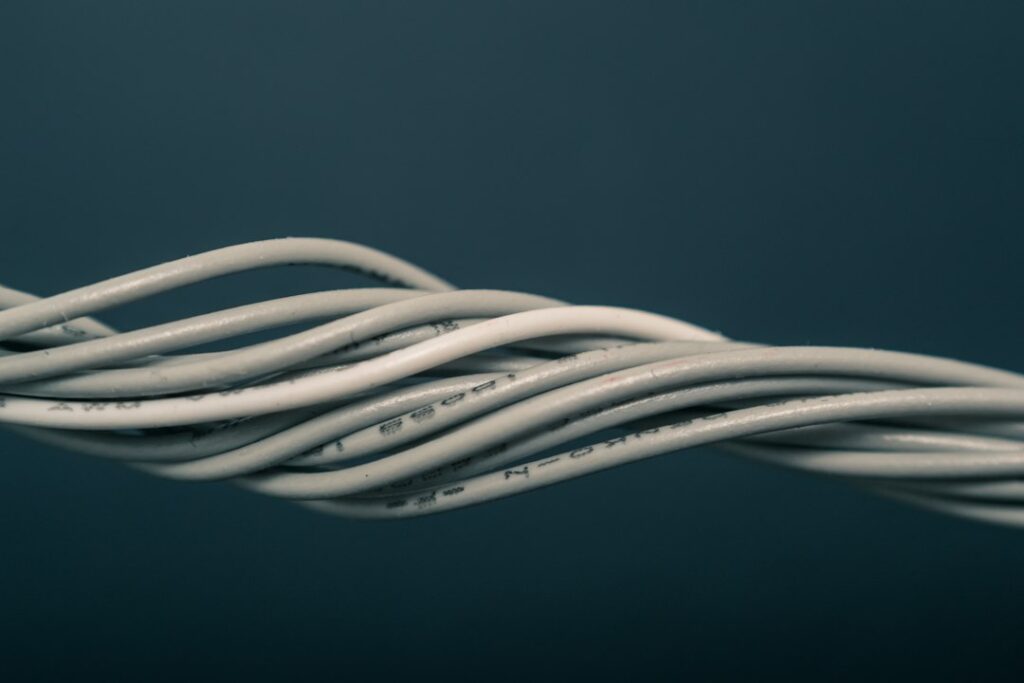
Buyers touring homes built in the late 1960s and early 1970s sometimes see a line in the inspection report that sounds alarming: “single-strand aluminum branch circuit wiring observed.” It is a real issue worth understanding, but it is also a well-studied one with established repair methods. The concern with aluminum wiring is not the metal running inside the walls so much as what happens where it connects to outlets, switches and splices. This guide explains why aluminum branch wiring was used, what makes it a concern, how to identify it, the main remediation options, how insurers tend to view it and what repairs may cost. It also explains why aluminum service-entrance cables, which are common today, are a different matter. The guide summarizes U.S. Consumer Product Safety Commission, NFPA, U.S. Fire Administration and ICC resources current as of 2026; a licensed electrician should evaluate any specific home.
Part of our Home Electrical guide — start there for the full picture →
Electrical problem? Talk to a licensed electrician.
📞 Call (877) 560-2714What Is Aluminum Wiring and Why Is It a Concern?
Aluminum wiring, in the sense that matters for home inspections, means solid single-strand aluminum conductors used for 15- and 20-amp branch circuits: the circuits that feed ordinary outlets, light fixtures and switches. When copper prices rose sharply in the mid-1960s, builders turned to aluminum as a cheaper alternative. It was used in a meaningful share of homes built roughly from the mid-1960s through the early 1970s, after which its use for small branch circuits largely ended.
The concern centers on connections. The CPSC has reported that homes wired with aluminum branch circuits are more likely than homes wired with copper to reach fire-hazard conditions at connections, because of how aluminum behaves at terminals. Over time, connections can loosen and overheat, sometimes without visible signs until a cover plate is warm, a receptacle discolors, or there is a burning smell.
Three properties of aluminum explain the problem:
- Oxidation: aluminum forms an oxide layer that resists current flow more than copper’s oxide does, increasing heat at the contact point.
- Thermal expansion and creep: aluminum expands and contracts more than copper or brass as it heats and cools, and under pressure it can slowly deform. Repeated cycles can loosen terminal screws.
- Dissimilar metals: where aluminum meets copper or brass in a device or twist-on connector not designed for it, galvanic corrosion can develop, particularly with moisture.
The wire itself, running through walls, is generally not the failure point. The risk concentrates at every outlet, switch, fixture and splice, which in a typical house means dozens or hundreds of connections.
Aluminum Branch Wiring vs Aluminum Service-Entrance Cable
This distinction causes a lot of unnecessary worry. Many homes, including new construction, use large stranded aluminum conductors for the service entrance, the main feeder to the panel, subpanel feeders and some large 240-volt appliance circuits such as ranges or air conditioners. These conductors are made from newer aluminum alloys, are multi-stranded and connect to lugs rated for aluminum. Electrical codes permit them, and inspectors generally treat them as acceptable when properly installed, with antioxidant compound where required and correctly torqued terminations.
The issue home inspectors flag is the small-gauge, solid aluminum wiring used for everyday 15- and 20-amp circuits in that late-1960s to early-1970s window. If an inspection report mentions aluminum wiring, read closely to see which kind it describes. A note that the service conductors are aluminum is typically informational, not a defect.
How to Identify Aluminum Branch Wiring
Homeowners can look for clues without opening anything energized. Confirmation, however, is a job for an electrician or inspector with the power safely off.
Check the house’s age
Construction or major renovation between about 1965 and 1973 is the first clue. Homes built well before or after that period are less likely to have it, though additions and remodels can complicate the picture.
Look at visible cable jackets
In unfinished basements, attics or garages, branch-circuit cable sheathing may be printed with “AL” or “ALUMINUM,” or with brand names associated with aluminum wire. Copper cables are typically marked “CU” or not marked by metal.
Look at the panel
With the panel cover removed by a qualified person, silver-colored conductors on small breakers are a strong indicator. Home inspectors following the American Society of Home Inspectors Standard of Practice typically remove the dead front of the panel when safe to do so and report on the type of branch circuit wiring observed, including solid conductor aluminum.
Devices and symptoms
Older receptacles and switches marked “CO/ALR” were designed for use with aluminum, though even rated devices have limits. Warning signs include warm or discolored cover plates, flickering lights not explained by bulbs, outlets that stop working, sparking, or a smell of burning plastic. Any of these calls for turning the circuit off at the breaker and calling a licensed electrician.
The electrical inspection guide explains how a general home inspection differs from a dedicated electrical evaluation, and the electrical thermal imaging guide covers how infrared scans can sometimes reveal hot connections under load.
Remediation Options
CPSC guidance on repairing aluminum wiring identifies permanent repair approaches and cautions against others. The options below are described neutrally; which is suitable depends on the home, local code, availability of trained installers and an electrician’s assessment.
Complete rewiring with copper
Replacing aluminum branch circuits with copper removes the issue entirely. CPSC regards it as the most complete fix, but it is also the most invasive and expensive, often requiring wall and ceiling access and patching. In some homes it can be done partly through attics and basements with limited drywall work.
COPALUM crimp repair
The COPALUM method attaches a short copper pigtail to each aluminum conductor using a special compression crimp connector and a manufacturer-licensed tool, then insulates the joint. The copper pigtail is what connects to the outlet or switch. CPSC has described this approach as a permanent repair when done by trained, authorized electricians. Its main practical limitation is availability: the tooling is specialized, and finding an authorized installer can be difficult in some markets.
AlumiConn connectors
AlumiConn is a set-screw lug connector listed for joining aluminum and copper conductors. Each conductor goes into a separate port, and set screws are tightened to a specified torque. CPSC has also identified this connector as a repair option when properly installed. Because correct torque is critical, installation by a qualified electrician using a torque screwdriver is the norm.
Pigtailing with other connectors
Pigtailing means attaching a short copper wire to the aluminum conductor and connecting the device to the copper. The effectiveness depends heavily on the connector. Standard twist-on connectors are generally not considered appropriate for aluminum-to-copper joints, and some connectors once marketed for this purpose have been subject to failure concerns. Ask the electrician which specific connector is proposed and whether it is listed for aluminum-to-copper use.
CO/ALR devices
Replacing receptacles and switches with devices rated CO/ALR may be acceptable in limited situations, but these devices are not available for every application, such as many light fixtures and GFCI or AFCI devices, and they do not address splices inside walls and boxes. They are often viewed as a partial measure rather than a complete solution.
Does Aluminum Wiring Need to Be Fully Replaced?
Not necessarily. Electrical codes generally do not require existing aluminum branch wiring to be removed if it was legal when installed and remains in serviceable condition. Many homeowners choose a connection-level remediation, treating every termination and splice, as a middle path between leaving it alone and rewiring everything.
Considerations that push toward full rewiring:
- Evidence of overheating, damaged insulation or multiple failed connections.
- A planned major remodel that already opens walls.
- An insurer or lender that will only accept full replacement.
- Difficulty finding an authorized installer for connection-level repairs.
Considerations that favor connection-level repair:
- Wiring in otherwise good condition with no signs of overheating.
- Finished walls and ceilings that would be expensive to open and repair.
- An insurer willing to accept documented remediation by a licensed electrician.
The decision resembles the one owners of older homes face with other legacy wiring. The knob and tube wiring guide walks through a similar repair-versus-replace framework for pre-1950 systems.
Insurance and Lender Considerations
Insurance treatment varies by company and changes over time. Some insurers ask about wiring type on applications or during underwriting inspections. Responses to single-strand aluminum branch wiring range from no concern, to a surcharge, to a requirement for an electrician’s evaluation or documented remediation, to declining coverage. Buyers should not assume either the best or worst case.
Practical steps:
- When the inspection report mentions aluminum branch wiring, contact your intended insurer early, before the inspection objection deadline.
- Ask exactly what the insurer requires: an electrician’s letter, proof of COPALUM or AlumiConn remediation, or full replacement.
- Get those requirements in writing if possible, and share them with the electrician quoting the work.
- Keep invoices, permits and any photos of the completed remediation for future insurance or resale questions.
The insurance home inspection checklist covers other items insurers commonly ask about, including roofs, panels and plumbing.
What Aluminum Wiring Repair Costs
Costs depend on the number of connections, home size, access, local labor rates and the method chosen. As broad industry estimates:
- Electrician’s evaluation: often a few hundred dollars, sometimes credited toward repair work.
- Connection-level remediation (COPALUM or AlumiConn): commonly priced per connection or per device, with whole-house totals frequently landing in the low thousands to several thousand dollars for a typical single-family home. Homes with many devices and junction boxes run higher.
- Full copper rewire: often several thousand to well over $10,000, plus drywall and paint repairs, depending on size and construction.
- Permits: required in many jurisdictions for electrical work, with fees that vary by city and county.
Get at least two written quotes that specify the method, connector brand, number of connections included, whether panel terminations are addressed, whether a permit is pulled and who repairs any drywall.
What a Home Inspector Reports vs What an Electrician Does
A general home inspection and an electrician’s evaluation answer different questions. The home inspector’s job is to identify and describe what is visible and readily accessible. On the electrical side, that usually means examining the service equipment, removing the panel dead front when it is safe, noting the type of branch circuit conductors, testing a representative number of outlets and switches, and reporting obvious defects such as scorching, double-tapped breakers or open junction boxes. When single-strand aluminum branch wiring is observed, most inspectors describe it and recommend evaluation by a licensed electrician. They do not open every device box, trace each circuit or perform repairs.
An electrician’s evaluation goes deeper. It may involve pulling a sample of receptacles and switches to look at the terminations, checking splices in junction boxes, looking for heat damage, counting the number of connections that would need treatment and identifying any previous remediation. Some electricians use infrared scanning under load to spot connections running hotter than their neighbors, though a scan cannot see every hidden splice. The electrician’s written findings are what an insurer or a seller will usually want to see, and they form the basis of a repair quote.
For buyers, the practical takeaway is timing. Scheduling the electrician early in the inspection window leaves room to collect quotes, talk to insurers and negotiate.
Living With Aluminum Wiring Until It Is Repaired
Remediation may not happen the week a home changes hands. In the meantime, a few sensible habits reduce risk:
- Do not swap devices yourself. Replacing an outlet or switch with a standard copper-only device, or using ordinary twist-on connectors, can create exactly the connection the CPSC warns against.
- Pay attention to warning signs. Warm cover plates, flickering, buzzing or a burning odor mean the circuit should be turned off at the breaker until an electrician has looked at it.
- Avoid heavy continuous loads such as space heaters on circuits suspected of having aluminum wiring.
- Keep smoke alarms working on every level and in and outside sleeping areas, as NFPA recommends, and test them monthly.
- Hire licensed electricians for any electrical work and mention the aluminum wiring before they start.
When requesting quotes, it helps to ask each electrician how many aluminum connections they have remediated, which method and connector they use, whether they hold any manufacturer authorization for that method, and whether the work will be permitted and inspected.
Aluminum Wiring in Front Range Housing
The Front Range saw substantial suburban growth in the late 1960s and early 1970s, so homes from that era appear in parts of Denver, Jefferson, Arapahoe, Adams, Boulder and El Paso counties. Not every home from those years has aluminum branch wiring, and many have been partially or fully remediated by previous owners. A report of aluminum branch wiring in a home from that period is not unusual, and it is something buyers in that segment of the market should be ready to evaluate.
Colorado’s dry climate and large daily temperature swings are sometimes mentioned in discussions of connection loosening, but the core risk is the same everywhere: loose or oxidized terminations. What matters most is the condition of the connections and whether they have been properly remediated.
Sellers of homes from that era can reduce surprises by gathering any records of past electrical work before listing. An invoice showing whole-house COPALUM or AlumiConn remediation, with a permit number, often answers a buyer’s or insurer’s first question and can keep a transaction moving.
A Practical Plan for Buyers and Owners
- Confirm it. If the inspection flags aluminum branch wiring, ask a licensed electrician to confirm its extent and evaluate connections.
- Check for heat damage. Discolored devices, melted insulation or warm plates change the urgency.
- Call the insurer. Learn their requirements before committing to a repair method.
- Choose a method with the electrician, considering CPSC guidance, cost and installer availability.
- Negotiate repairs or a credit with the seller, supported by written estimates.
- Document the work, including permits and connector types, for future buyers and insurers.
For guidance on choosing an inspector who reports clearly on wiring, see the hiring process pillar and the specialty inspections hub.
More Questions About Aluminum Wiring
Can you sell a house with aluminum wiring?
Yes, a house with aluminum branch wiring can be sold, and many are every year, but the wiring usually becomes a negotiation point. Sellers in most states must disclose known aluminum wiring, and home inspectors routinely flag it. Some buyers’ insurers and lenders ask for an electrician’s evaluation or proof of remediation before closing. Sellers who have connections repaired with approved methods, such as AlumiConn connectors or COPALUM crimps, and keep the electrician’s invoice and report in hand tend to avoid last-minute price cuts.
Can new circuits be added to a house with aluminum wiring?
Yes, new circuits can be added to a house with aluminum branch wiring, and they are normally run in copper. The new copper circuits are independent of the old aluminum ones, so they do not create compatibility problems on their own. The risk comes when copper and aluminum are joined at splices or devices without connectors rated for both metals. An electrician adding circuits, a subpanel or a new appliance should note where aluminum remains and use listed connectors anywhere the two metals meet.
Is aluminum wiring still allowed by electrical code?
Aluminum wiring is still allowed by electrical codes, but almost only for larger conductors such as service entrance cables, feeders and circuits for large appliances, made with modern AA-8000 series alloys and terminated on equipment rated for aluminum. Small-gauge solid aluminum branch circuits, the kind used for outlets and lights in many homes built from the mid-1960s to the mid-1970s, are rarely installed today. Existing aluminum branch wiring is generally grandfathered, but local rules and insurers may require repairs during remodeling.
Can a homeowner pigtail aluminum wiring themselves?
Pigtailing aluminum wiring is a job for a licensed electrician, not a typical DIY repair. The connection must use connectors specifically listed for joining aluminum to copper, installed with the correct torque and preparation, and every connection point in the house needs the same treatment to be effective. Common twist-on connectors, even those once marketed for aluminum, have a poor track record. Many jurisdictions also require a permit and inspection for this work, and insurers often ask for documentation from a licensed contractor.
Do smart switches work with aluminum wiring?
Most smart switches and dimmers are not rated for direct connection to aluminum wiring, so they should be installed with copper pigtails attached using connectors listed for aluminum-to-copper joints. Check the device’s instructions and markings; many specifically say copper only. Smart switches also often need a neutral wire and fit tightly in boxes, which can make connections in older homes harder. Having an electrician pigtail the box first, then installing the switch on the copper leads, is the usual safe approach.
References
- Repairing Aluminum Wiring (Publication 516) — U.S. Consumer Product Safety Commission
- NFPA 70: National Electrical Code — National Fire Protection Association
- Home Fire Prevention — U.S. Fire Administration
- 2024 International Residential Code — International Code Council
- ASHI Standard of Practice for Home Inspections — American Society of Home Inspectors
Frequently asked questions
Is aluminum wiring dangerous?
Single-strand aluminum branch wiring from roughly the mid-1960s to early 1970s carries a higher risk of overheating at connections than copper, according to CPSC. The risk is concentrated at outlets, switches and splices, and recognized repair methods can address it.
How do I know if my house has aluminum wiring?
Clues include construction between about 1965 and 1973, cable jackets marked AL or ALUMINUM, and silver-colored conductors on small breakers in the panel. A licensed electrician or home inspector should confirm it with the power safely off.
Is aluminum service-entrance cable a problem?
Generally no. Large stranded aluminum conductors for service entrances and feeders use newer alloys and aluminum-rated lugs, and codes permit them when properly installed. The common concern is small solid aluminum branch wiring.
Do I need to rewire a house with aluminum wiring?
Not always. Many homes are remediated at the connections using methods such as COPALUM crimps or AlumiConn connectors. Full rewiring removes the issue entirely but costs more, and the right choice depends on condition, budget and insurer requirements.
Can I get homeowners insurance with aluminum wiring?
Often yes, but practices vary. Some insurers require an electrician's evaluation or documented remediation, some add a surcharge and some decline coverage. Contact insurers early in the purchase process.
Does aluminum wiring lower home value?
Aluminum branch wiring can lower a home's sale price or narrow the buyer pool, because buyers factor in repair costs and possible insurance or lender hurdles. Documented professional remediation, such as listed connector repairs with an electrician's invoice, usually reduces that impact considerably.
Do AFCI breakers help with aluminum wiring?
Arc-fault circuit interrupter breakers can add protection on circuits with aluminum wiring by detecting some arcing conditions, but they do not fix loose or overheating connections. Repairing the connections with listed methods remains the main safety step.
How long does it take to rewire a house with aluminum wiring?
Fully rewiring a typical house with aluminum wiring to copper often takes about one to three weeks of electrical work, plus time for drywall and paint repairs. Pigtailing connections with listed connectors is much faster, commonly one to three days.
Looking at a late-1960s or early-1970s home in the Denver metro or elsewhere on the Front Range? Contact us to be connected with a qualified local inspector who can flag wiring concerns before your deadlines pass.