Electrical Inspection: What Gets Checked and What It Costs
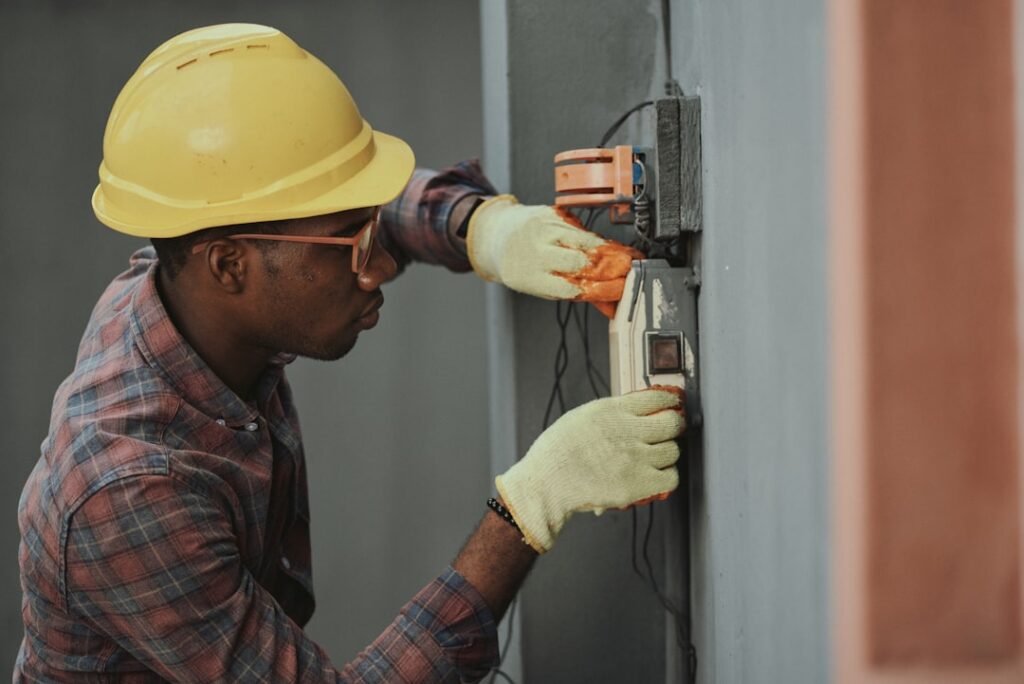
Buyers hear the phrase “electrical inspection” in at least three different contexts, and each one means something different. A general home inspector looks at the electrical system as one part of a broader visual review. A licensed electrician performs a deeper evaluation that can include opening devices, testing circuits under load and quoting repairs. A municipal inspector signs off on permitted work against the adopted electrical code. Knowing which one a situation calls for saves money and avoids false confidence. This guide walks through what each type of electrical inspection checks, which panel brands and wiring methods tend to draw attention, when it makes sense to order a dedicated evaluation, and the cost ranges Front Range buyers can reasonably expect to see quoted.
Part of our Specialty Home Inspections guide — start there for the full picture →
Electrical problem? Talk to a licensed electrician.
📞 Call (877) 560-2714What Is an Electrical Inspection?
An electrical inspection is a review of a building’s wiring, service equipment, overcurrent protection and devices to identify conditions that are unsafe, deteriorated or improperly installed. The depth of the review depends on who performs it. A home inspector reports visible defects and recommends further evaluation. An electrician diagnoses causes and prices corrections. A permit inspector verifies that new work meets the locally adopted version of the National Electrical Code.
For most buyers, the first electrical review happens during a standard pre-purchase inspection. The American Society of Home Inspectors standards of practice require inspectors to observe the service drop, service entrance conductors, main disconnect, panelboards, overcurrent devices, a representative number of switches and receptacles, and the presence of ground-fault and arc-fault protection where it would be expected. Inspectors are not required to remove more than the panel’s dead front cover, measure amperage, or trace every circuit.
That limit matters. A visual inspection can spot a melted breaker, a double-tapped lug or a missing GFCI in a kitchen. It cannot tell a buyer whether a buried junction box in the attic is loose, or whether a circuit is overloaded during winter when space heaters run. Those questions belong to an electrician.
Three Types of Electrical Inspection Compared
The three categories overlap, but their purpose, scope and price differ enough that buyers should treat them as separate services.
| Type | Who performs it | Typical scope | Main purpose |
|---|---|---|---|
| Home inspector’s electrical review | General home inspector | Visual review of service, panel interior, sample of outlets and switches, GFCI/AFCI presence | Flag visible defects during a purchase |
| Electrician’s evaluation | Licensed electrician | Panel and circuit testing, load assessment, device-level checks, repair quote | Diagnose problems and price corrections |
| Municipal permit inspection | City or county building inspector | Rough-in and final review of permitted work against adopted code | Approve new installations and alterations |
The home inspector’s electrical review
This is part of a full home inspection, not a separate fee in most cases. The inspector removes the panel cover if it is safe to do so, looks at the conductors and breakers, tests a sample of receptacles with a plug-in tester, and checks that GFCI devices trip. The report will usually say “recommend evaluation by a licensed electrician” for anything beyond a simple fix. That language is not a dodge. It reflects the boundary of a generalist’s scope.
The licensed electrician’s evaluation
An electrician can open receptacle boxes, check torque on lugs, measure voltage drop, use a clamp meter to read load on the service, and confirm whether a panel is listed for the breakers installed in it. Many electricians sell this as a “safety inspection” or “panel evaluation.” The deliverable is normally a list of findings plus a repair estimate, which is exactly what a buyer needs during an inspection objection period.
The municipal permit inspection
Permit inspections are triggered by work, not by a sale. When a homeowner replaces a panel, adds a circuit or finishes a basement, the jurisdiction typically requires a rough-in inspection before walls are closed and a final inspection at completion. In the Denver metro, Jefferson, Arapahoe, Douglas and El Paso counties, and their incorporated cities, each set their own permit process, so homeowners should check with the building department that covers their address. Buyers can sometimes request permit history for a property, which helps confirm whether a finished basement or a panel upgrade was ever inspected.
What Gets Checked During an Electrical Inspection
Regardless of who performs the work, the same components show up on almost every checklist. The difference is how deeply each one is examined.
Service drop and service entrance
The service drop is the overhead conductor set running from the utility pole to the house, or the underground lateral in newer subdivisions. Inspectors look for adequate clearance above roofs, decks and driveways, damaged insulation, tree contact, and a weather head that is intact. At the meter base, they check for corrosion, a loose mast and signs of water entry. Problems on the utility side of the meter usually belong to the utility, while the mast and meter base are generally the owner’s responsibility.
The main panel and breakers
Inside the panel, inspectors look for scorching, rust, water staining, missing knockouts, and breakers that do not match the conductors they protect. An undersized breaker is a nuisance. An oversized breaker on a small conductor is a fire concern, because the wire can overheat before the breaker trips. Inspectors also note whether the panel is labeled, whether there is adequate working clearance in front of it, and whether it sits in a prohibited location such as a clothes closet or bathroom.
Double taps
A double tap means two conductors are landed under a single breaker terminal that was designed for one. Some breakers are listed for two conductors, many are not. The concern is a loose connection that heats up over time. A double tap is usually an inexpensive fix, often handled by adding a breaker or a pigtail, but it is one of the most frequently written-up electrical items in inspection reports.
Grounding and bonding
Grounding connects the electrical system to the earth, typically through ground rods and, in older homes, a metal water pipe. Bonding ties metal systems together, such as gas piping and water piping, so they stay at the same electrical potential. Inspectors look for a grounding electrode conductor, a visible clamp at the rod or pipe, and a bonding jumper around the water heater or water meter. In subpanels, neutrals and grounds should be separated, and inspectors flag subpanels where they share a bar.
GFCI and AFCI protection
Ground-fault circuit interrupters reduce shock risk in wet locations such as kitchens, bathrooms, garages, unfinished basements and exterior outlets. Arc-fault circuit interrupters are designed to detect arcing that can start fires, and code requirements for them have expanded over successive code cycles. An older home is not automatically “wrong” for lacking AFCI protection, but inspectors will usually recommend upgrades. Homeowners curious about doing their own spot checks can read our guide to a GFCI receptacle tester.
Aluminum branch wiring
Single-strand aluminum branch circuit wiring was installed in some homes built roughly from the mid-1960s to the mid-1970s. Aluminum expands and oxidizes differently from copper, and connections at outlets and switches can loosen and overheat. Inspectors identify it by markings on the cable jacket or the silver color of the conductor at the panel. Remediation options typically include rewiring, or repairs using connectors specifically listed for aluminum-to-copper connections, performed by a qualified electrician.
Knob and tube wiring
Homes built before about 1940, including a fair share of houses in older Denver neighborhoods, may still carry knob and tube circuits. The wiring has no ground conductor, its insulation can become brittle, and it was designed to shed heat into open air rather than to be buried in insulation. Our companion guide on knob and tube wiring risks, insurance and replacement cost covers the insurance angle in more detail, which is often the bigger obstacle for buyers.
Outlets, switches and fixtures
Inspectors test a representative sample of receptacles for correct polarity, an open ground, and reverse hot-neutral wiring. Two-prong outlets, ungrounded three-prong outlets, loose receptacles, warm cover plates, and missing cover plates all appear on reports. Light fixtures in closets, recessed lights in contact with insulation, and exposed splices in attics or basements are also common findings.
Panels That Inspectors Commonly Flag
A handful of older panel brands come up repeatedly in inspection reports. These panels are widely flagged by home inspectors and electricians because of reported problems with breakers that may not trip reliably under overload, or with bus connections that can overheat. An inspector flagging one of these panels is not saying a fire is imminent. The usual recommendation is evaluation by an electrician, and often replacement.
Federal Pacific Electric Stab-Lok
Federal Pacific panels with Stab-Lok breakers were installed widely in homes built from roughly the 1950s through the 1980s. They are probably the most frequently flagged panel in residential inspection. Many electricians recommend replacement as a precaution, and some insurers ask about them during underwriting.
Zinsco and Sylvania-Zinsco
Zinsco panels, also sold under the Sylvania name, are associated with breakers that can fuse to the aluminum bus bar. Inspectors look for discoloration and melted breaker bodies. Like Federal Pacific, these panels are commonly recommended for replacement.
Other panels that draw notes
Some Challenger panels from certain production periods, split-bus panels without a single main breaker, and fuse boxes also show up in reports. Fuse panels are not inherently unsafe, but oversized fuses, a small 60-amp service, and a lack of capacity for modern loads are common reasons buyers budget for an upgrade. Panels that have been installed in a location that later became a closet, or panels that are rusted from a water leak, also get flagged regardless of brand.
When to Order a Dedicated Electrical Inspection
A general home inspection is enough for many transactions. A separate electrician’s evaluation makes sense when one or more of these apply:
- The home inspector flagged a Federal Pacific, Zinsco or other problem panel.
- The report mentions aluminum branch wiring, knob and tube, or ungrounded circuits throughout.
- There is evidence of DIY electrical work, such as a finished basement with no permit history.
- The home is older and still on a 60- or 100-amp service, and the buyer plans to add an EV charger, heat pump, hot tub or electric range.
- An insurer has asked for documentation of panel type or wiring condition before binding a policy.
- Lights flicker, breakers trip frequently, outlets feel warm, or there is a burning smell.
Timing matters in a purchase. Most Colorado contracts give buyers a defined inspection objection window, and an electrician’s report with a repair quote gives a buyer leverage for a credit or a price reduction. Scheduling the electrician during the objection period, rather than after closing, is the main reason to move quickly once the general report comes back. Buyers who want to understand which add-on evaluations are worth ordering can browse the specialty inspections hub.
Owners who are not buying or selling also have good reasons to schedule one. Adding a large load such as a Level 2 EV charger or a heat pump is a natural trigger, since the electrician will need to calculate whether the existing service has capacity. Homeowners in older housing stock sometimes schedule an evaluation simply because they have never seen inside the panel.
How Much Does an Electrical Inspection Cost?
Pricing varies by region, home size, and how much testing is included. The ranges below are general industry estimates for planning purposes, not quotes, and Front Range pricing can sit at the higher end given local labor costs.
| Service | Typical range (estimate) | Notes |
|---|---|---|
| Electrical review within a general home inspection | Included in the inspection fee | Visual; not a separate line item |
| Electrician safety inspection or panel evaluation | Roughly $150 to $500 | Larger homes and load calculations push the upper end |
| Municipal permit inspection | Built into permit fees | Permit fees vary by jurisdiction and project value |
| Infrared scan of the panel (add-on) | Often under $200 when bundled | Shows hot spots under load; depends on circuits being in use |
Repair costs are a different matter. Correcting a double tap or adding a GFCI may cost little. Replacing a panel commonly runs into the low thousands of dollars, and a full rewire of an older home can cost far more, depending on access, plaster walls and the scope of work. Buyers should get a written estimate from a licensed electrician before negotiating, rather than relying on a ballpark figure.
How to Prepare and What to Ask
A little preparation makes any electrical inspection more useful.
- Clear access to the panel. Inspectors need about three feet of clear space in front of the panel. Storage shelves and boxes slow the visit or block the review entirely.
- Turn on the utilities. Vacant homes sometimes have power disconnected. Without power, outlets and GFCIs cannot be tested.
- Gather permit records. Sellers who upgraded a panel or finished a basement should have the permit number and final inspection date.
- Ask about scope. Before hiring an electrician, ask whether the evaluation includes removing device covers, load measurement, and a written report.
- Ask about licensing. Colorado licenses electricians at the state level. Buyers can ask for the license number and verify it with the state licensing agency.
Homeowners doing a pre-check before listing can use simple tools such as a plug-in receptacle tester or a non-contact voltage tester, but these devices only show a narrow slice of a system’s condition. They are no substitute for a qualified inspection, and panel covers should be left to professionals.
For a broader view of how electrical findings fit into the overall purchase process, including how to choose and vet inspectors, our guide to hiring a home inspector covers credentials, report formats and negotiation timelines.
Reading the Report and Negotiating Repairs
Electrical findings tend to fall into three tiers. Safety items include exposed live conductors, scorched breakers, missing GFCI protection near water, and problem panels. Functional items include dead outlets, lights that do not work, and mislabeled circuits. Upgrade recommendations include adding AFCI protection, increasing service size, or replacing two-prong outlets.
Buyers usually have the most leverage on the first tier. Sellers are often willing to credit or repair genuine safety concerns, especially when an electrician’s written quote backs them up. Upgrade items are harder to negotiate because they reflect the age of the home rather than a defect. A practical approach is to ask for credits on safety items and budget for upgrades as part of ownership.
Fire safety statistics underline why the safety tier deserves attention. The National Fire Protection Association notes that electrical distribution and lighting equipment is a leading cause of home fires, and it recommends having electrical work done by a qualified electrician. A dedicated evaluation is a relatively small cost against that backdrop.
More Questions About Electrical Inspections
What is the difference between rough-in and final electrical inspections?
A rough-in electrical inspection happens before walls and ceilings are closed, so the inspector can see wiring, boxes, cable support, grounding and circuit layout. A final inspection happens after devices, fixtures and panel covers are installed, confirming that outlets, switches, GFCI and AFCI protection, labeling and the panel are complete and working. Both are part of most permitted electrical projects. Covering wiring before the rough-in inspection can require opening walls later, so scheduling matters.
What happens if a home fails an electrical inspection?
When a permitted project fails an electrical inspection, the inspector typically lists corrections that must be made before a reinspection. The electrician fixes the items and schedules a follow-up visit, which may carry a reinspection fee depending on the jurisdiction. Failing does not usually mean the entire job is redone; common issues include missing labels, improper grounding or missing GFCI protection. Final approval is needed to close the permit, which matters for resale and insurance.
How often should a home have an electrical inspection?
Many safety organizations and electricians suggest having a home’s electrical system evaluated roughly every 10 years, and more often for older homes, after major renovations or when adding large loads. Other good times include buying a home, noticing flickering lights or warm outlets, frequent breaker trips, or after flooding or fire. Homes with outdated panels, aluminum branch wiring or knob-and-tube wiring may benefit from earlier evaluation by a licensed electrician.
Is an electrical inspection required to install an EV charger?
Installing a hardwired EV charger or a new 240-volt circuit for one generally requires an electrical permit and inspection in most jurisdictions. The inspector typically checks circuit sizing, breaker type, wiring method, grounding, GFCI protection where required and panel capacity. Some homes need a load calculation or panel upgrade first. Plugging a charger into an existing outlet may not need a permit, but the outlet and circuit still must be suitable for continuous charging loads.
References
- ASHI Standard of Practice for Home Inspections — American Society of Home Inspectors
- Electrical Home Fire Safety — National Fire Protection Association
- Electrical Safety Overview — Occupational Safety and Health Administration
Frequently asked questions
Does a regular home inspection include an electrical inspection?
Yes, a standard home inspection includes a visual review of the service, panel, a sample of outlets and switches, and GFCI and AFCI protection. It does not include circuit tracing, load testing or opening every device. Significant findings usually come with a recommendation to hire a licensed electrician.
How much does an electrical inspection cost?
An electrician's safety inspection or panel evaluation is commonly quoted in a range of roughly $150 to $500, depending on home size and scope. The electrical review in a general home inspection is normally included in the inspection fee. Local pricing varies, so get a written quote.
Are Federal Pacific and Zinsco panels dangerous?
These panels are widely flagged by home inspectors and electricians because of reported problems with breakers that may not trip reliably or connections that can overheat. A flag is not a guarantee of failure, but most electricians recommend evaluation and many recommend replacement. Some insurers also ask about them.
When should a buyer hire an electrician instead of relying on the home inspector?
Hire an electrician when the report flags a problem panel, aluminum or knob and tube wiring, unpermitted work, or an undersized service for planned loads like an EV charger. Scheduling it during the inspection objection period gives the buyer a written quote for negotiation.
Is a municipal electrical inspection required when buying a home?
Generally no. Municipal inspections are tied to permitted work such as panel replacements or new circuits, not to a sale. Buyers can, however, ask the local building department for permit history to confirm that past electrical work was inspected.
Can a homeowner pull their own electrical permit?
Many jurisdictions allow homeowners to pull an electrical permit for work on their own owner-occupied single-family home, though some require a licensed electrician for certain work. The homeowner then takes responsibility for meeting code and passing inspection. Check with the local building department.
Who schedules a municipal electrical inspection?
The permit holder, usually the electrical contractor or the homeowner who pulled the permit, schedules the municipal electrical inspection with the local building department. Many departments offer online or phone scheduling. Someone typically needs to provide access to the work area on inspection day.
Does an electrical inspection cover low-voltage wiring?
Electrical inspections usually focus on line-voltage wiring, panels and devices, while low-voltage systems such as doorbells, network cabling and security systems may have separate rules or be outside the scope. Some jurisdictions require permits for certain low-voltage work. Ask the building department.
Buying an older home in the Denver metro or along the Front Range and want an inspector who will look closely at the panel and wiring? Reach out through our contact page and we can connect you with a vetted local professional.