Water Heater Inspection: What Gets Checked and Red Flags
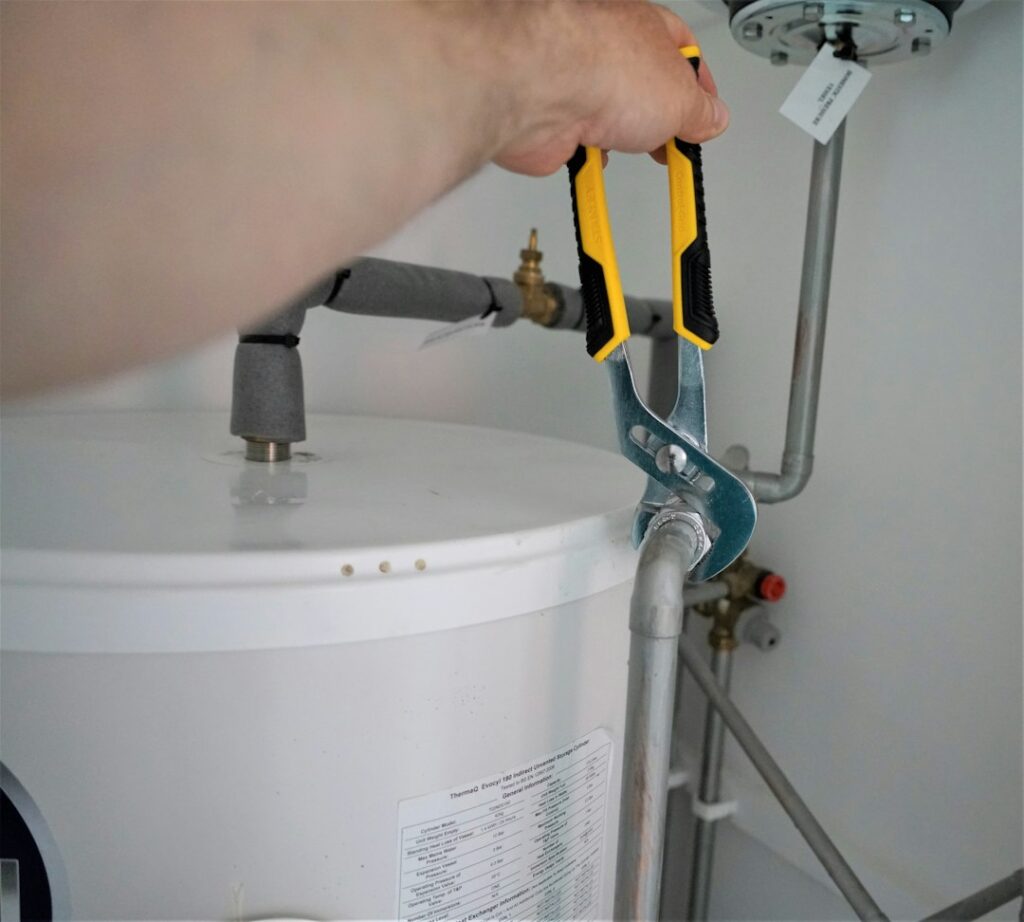
The water heater is one of the hardest-working appliances in a house and one of the least looked at. It sits in a basement, garage or closet, heats water around the clock and gives little warning before it leaks or quits. For buyers, it is also one of the most common items to show up in an inspection report. A water heater inspection looks at more than whether hot water comes out of the tap: it covers the safety relief valve, venting and combustion air for gas units, the age and condition of the tank, the plumbing connections and the clearances around the appliance. This guide explains what inspectors typically check on tank and tankless units, which findings deserve attention, how long water heaters tend to last and how to think about repair versus replacement. It draws on ENERGY STAR, NFPA, EPA and International Code Council resources current as of 2026; local code and the manufacturer’s instructions govern any specific installation.
Part of our Specialty Home Inspections guide — start there for the full picture →
Plumbing problem? Talk to a local plumber now.
📞 Call (877) 637-1527What a Water Heater Inspection Covers
In a typical home inspection, the inspector evaluates the water heater visually and operationally: confirming it produces hot water, estimating its age, checking the temperature and pressure relief (TPR) valve and its discharge pipe, looking at the gas or electrical connections, evaluating venting on fuel-burning units, and noting leaks, corrosion and clearance problems. Inspectors following the American Society of Home Inspectors Standard of Practice inspect the water heating equipment, including energy source, venting and the relief valve, and describe what they find. They generally do not disassemble the unit, drain the tank or test the TPR valve by opening it, because doing so can cause a leak on an older valve.
A dedicated evaluation by a licensed plumber or HVAC technician goes further. It may include combustion analysis on a gas unit, measuring draft, checking the anode rod, flushing sediment, testing elements on an electric unit, or descaling a tankless heater. Buyers often start with the general inspection and add a plumber only when the report flags something.
Tank vs Tankless: What Changes in the Inspection
Storage tank water heaters
Conventional tank heaters store 30 to 80 gallons or more and keep it hot. They are fueled by natural gas, propane or electricity, and a growing number are heat pump water heaters, which ENERGY STAR describes as using electricity to move heat rather than generate it directly. On a tank unit, inspectors focus on the TPR valve, the tank shell and fittings for leaks and rust, the burner area or electrical connections, the venting on fuel-burning models and the water connections at the top.
Tankless (on-demand) water heaters
Tankless units heat water as it flows. They are typically wall-mounted and vented through a sidewall or the roof when gas-fired. An inspector checks the venting material and termination, gas supply sizing clues, condensate drainage on condensing models, the relief valve, isolation valves used for descaling, and any error codes on the display. Because tankless heaters have heat exchangers that can scale up in hard water, the maintenance history matters more than it does for a tank.
Heat pump water heaters
Heat pump units need adequate surrounding air volume and a condensate drain. Inspectors look for a properly routed condensate line, clear air intake and exhaust paths, and the same TPR valve and plumbing checks as any tank.
What Inspectors Check, Item by Item
Age from the serial number
Most manufacturers encode the manufacture date in the serial number on the data plate. Formats differ by brand: some start with a letter for the month and two digits for the year, others put the year and week first. Inspectors use those codes to estimate age, which is one of the strongest predictors of remaining life. If the label is missing or unreadable, the age goes in the report as unknown.
Temperature and pressure relief valve and discharge pipe
The TPR valve is the main safety device on a tank heater. If temperature or pressure rises too high, it opens and releases water. The discharge pipe should be the full size of the valve outlet, made of a suitable material, run downward without traps or valves, and terminate within a short distance of the floor or to an approved location. Model codes such as the International Residential Code and International Plumbing Code set the details. Common defects include a missing discharge pipe, a pipe reduced in size, a threaded cap on the end, PVC not rated for the temperature, or a pipe that runs uphill. A valve with mineral crust or a steady drip is also worth noting, because it may indicate excess pressure or a worn valve.
Venting and backdrafting on gas units
Atmospheric gas water heaters rely on hot exhaust rising up a vent. If the vent is disconnected, undersized, sloped wrong or blocked, or if the room is depressurized by exhaust fans, combustion gases can spill back into the home. Inspectors look at the draft hood, vent connector slope and joints, clearance to combustibles and the condition of the chimney or vent it connects to. Scorching or soot around the draft hood is a classic sign of backdrafting. Power-vented and direct-vent units have their own vent materials and termination rules, which inspectors check against the manufacturer’s listing as far as visible.
Combustion air and clearances
Fuel-burning appliances need enough air. A gas heater installed in a small closet with no combustion air openings is a common finding. Inspectors also note storage of combustibles, gasoline cans or paint near the burner, and whether units in garages are elevated or protected as local code requires.
Seismic straps where required
Some jurisdictions require water heaters to be strapped to resist movement during an earthquake. Requirements vary by location, so inspectors in many areas note straps as present or absent without calling them a defect unless local code requires them. Check with your local building department if you are unsure.
Expansion tank
When a home has a check valve or pressure-reducing valve on the main water line, heated water has nowhere to expand. A thermal expansion tank absorbs that extra volume. Inspectors look for whether one is present where it appears needed and whether it is supported properly. Whether it is required depends on local code and the plumbing configuration.
Sediment, leaks and corrosion
Rust streaks on the tank, wet insulation, water in the drain pan, corroded fittings at the top and rumbling or popping sounds during heating all show up in reports. Popping often points to sediment build-up at the bottom of the tank. A rusted tank bottom is usually a sign the tank is near the end of its life.
Gas shutoff and connector
Gas units should have an accessible shutoff valve near the appliance and an approved flexible connector or rigid piping. Many codes also call for a sediment trap (drip leg). Inspectors note older uncoated brass connectors, missing shutoffs and kinked or stretched connectors.
Drain pan and location
Where a water heater sits matters as much as how it is installed. A unit in a finished basement, attic or upstairs closet can do serious damage when it leaks, so many codes call for a drain pan with a drain line in locations where leakage would harm the building. Inspectors note whether a pan is present, whether it actually drains somewhere, and whether finished materials such as carpet or drywall are close enough to be ruined by a slow leak. A water leak sensor on the floor beside the heater is an inexpensive addition many owners choose; the site guide on water leak detectors covers the options. Inspectors also comment on access: a heater wedged behind shelving or framed into a tight closet is harder to service and harder to replace, which can add labor cost later.
Electrical connections
On electric and heat pump units, inspectors look for a proper disconnect where required, cable protection and secure junction box covers. They do not open the element access panels as a routine step.
Red Flags That Deserve Prompt Attention
Some findings are routine maintenance items. Others call for action before the next shower:
- Signs of backdrafting on a gas unit: soot, melted plastic or scorching around the draft hood, or a CO alarm sounding. These need a qualified gas technician.
- A missing, capped or improperly routed TPR discharge pipe. The relief valve cannot do its job safely if the discharge is blocked or aimed at a person.
- Active leaks from the tank body. Leaks at fittings can often be repaired; a leaking tank shell usually cannot.
- Gas odor near the appliance. Leave the home and call the gas utility.
- Scalding temperatures. Many safety organizations suggest setting the thermostat around 120°F to reduce scald risk, though settings should follow manufacturer guidance and household needs.
- Unpermitted or DIY installations with improvised venting or plumbing.
Carbon Monoxide Safety for Gas Water Heaters
Any appliance that burns gas, propane or oil can produce carbon monoxide if it is not burning properly or if exhaust is not vented outdoors. EPA notes that unvented or malfunctioning combustion appliances are among the main sources of CO indoors. NFPA recommends CO alarms on each level of the home and outside sleeping areas, interconnected where possible, and following the manufacturer’s placement instructions.
For homes with a gas water heater, a few habits help:
- Install and test CO alarms, and replace them per the manufacturer’s stated service life. The site guide on where to put a carbon monoxide detector covers placement.
- Keep the area around the heater clear so combustion air is not restricted.
- Watch for interactions with powerful kitchen range hoods, bath fans or a clothes dryer in a tight utility room, which can pull exhaust back down the vent.
- Have a qualified technician check draft and combustion if you notice soot, rust on the vent or a pilot that keeps going out.
If a CO alarm sounds, get everyone outside, call 911 or the gas utility and stay out until responders clear the home.
How Long Do Water Heaters Last?
Lifespan depends on water chemistry, maintenance, installation quality and usage. Commonly cited ranges are roughly 8 to 12 years for conventional tank heaters, and often 15 to 20 years or more for tankless units that are descaled as recommended. Heat pump water heaters are newer to the market, and real-world lifespans vary. These are general estimates, not guarantees; some tanks fail early and others run much longer.
Hard water shortens life by accelerating sediment and scale. Many Front Range communities have moderately hard water, which makes annual flushing of tank heaters and periodic descaling of tankless units more relevant. The sacrificial anode rod inside a tank corrodes in place of the steel shell; replacing it before it is spent can extend tank life, though it is a job many owners leave to a plumber.
Altitude also plays a role for gas appliances. Burners are typically derated or configured for elevation, and manufacturers publish altitude limits and adjustments. That is a technician’s job, but it is one reason to choose an installer familiar with Front Range conditions.
Repair or Replace?
A water heater with a bad thermostat, element, thermocouple, igniter or TPR valve can usually be repaired for a modest cost if the tank itself is sound. Replacement makes more sense when:
- The tank is leaking from the shell or the bottom is heavily rusted.
- The unit is near or past the typical age range and needs a significant repair.
- Venting, combustion air or location problems would be expensive to correct for the existing unit anyway.
- Household needs have changed, such as more occupants or a move toward electrification.
When replacing, ENERGY STAR-certified models, including heat pump water heaters, can lower operating costs. Rebates and tax credits change, so check current utility and federal programs before buying. Replacement usually requires a permit in most jurisdictions, and a permitted installation is easier to document when you sell.
Water Heater Inspection and Repair Costs
For buyers, the water heater is usually covered in the general home inspection at no additional charge; see the Colorado home inspection cost guide for typical Front Range inspection pricing. A separate service call from a plumber to evaluate or diagnose a heater often runs roughly $100 to $250, depending on the company and region.
Common follow-up costs, as broad industry estimates:
- TPR valve replacement: often low to mid hundreds of dollars installed.
- Expansion tank installation: commonly a few hundred dollars.
- Flushing and anode rod replacement: roughly $150 to $400 combined, depending on access.
- Tankless descaling service: often $150 to $350.
- Venting corrections: highly variable.
- Full replacement: tank units commonly run from about $1,200 to $3,500 installed; tankless and heat pump units frequently cost more, depending on venting, gas line or electrical changes.
Get written quotes that specify the model, permit, haul-away of the old unit and any code upgrades such as expansion tanks or drain pans.
How to Use Inspection Findings as a Buyer
A water heater finding rarely kills a deal, but it can be a useful negotiation point. A reasonable approach:
- Read the age and the specific defects in the report. An older unit with no defects may simply be budgeted for.
- For safety items such as venting or TPR discharge problems, ask the seller to have a licensed plumber correct them before closing, with receipts.
- For an old or leaking unit, consider a credit toward replacement rather than a rushed seller-chosen install.
- If a home warranty is part of the deal, read the terms for water heater coverage carefully. The companion guide on home warranty plans explains common exclusions.
The water heater is often reviewed alongside the rest of the plumbing; the plumbing home inspection guide covers supply lines, drains and fixtures. For help choosing an inspector, the hiring process pillar and the specialty inspections hub are good next stops.
Simple Maintenance Homeowners Can Do
Between professional visits, a few low-effort checks help catch problems early:
- Look around the base and fittings for moisture every few months.
- Keep the area clear of stored items, especially anything flammable.
- Follow the manufacturer’s guidance on flushing a tank or descaling a tankless unit.
- Test CO and smoke alarms monthly.
- Know where the water and gas shutoffs are, and make sure they turn.
Leave TPR valve testing, gas work and venting changes to qualified professionals.
References
- Water Heaters — ENERGY STAR
- Carbon Monoxide Safety — National Fire Protection Association
- Carbon Monoxide’s Impact on Indoor Air Quality — U.S. Environmental Protection Agency
- 2024 International Residential Code — International Code Council
- ASHI Standard of Practice for Home Inspections — American Society of Home Inspectors
Frequently asked questions
What does a water heater inspection include?
A home inspector typically checks that the unit makes hot water, estimates its age from the serial number, and reviews the TPR valve and discharge pipe, venting on gas units, gas or electrical connections, leaks, corrosion and clearances. A plumber can go further with combustion testing or flushing.
How do I tell how old my water heater is?
Look at the serial number on the data plate. Most manufacturers encode the month and year of manufacture in it, though the format varies by brand. The manufacturer's website or customer service line can confirm the decoding.
How long does a water heater last?
Commonly cited estimates are about 8 to 12 years for tank heaters and often 15 to 20 years or more for well-maintained tankless units. Hard water, poor maintenance and installation issues can shorten that.
Is a dripping TPR valve dangerous?
A dripping relief valve is a warning sign rather than an emergency in most cases. It may indicate excess pressure, thermal expansion or a worn valve. Have a licensed plumber diagnose it, and never cap or plug the discharge pipe.
Do gas water heaters need a carbon monoxide alarm?
Any home with fuel-burning appliances should have CO alarms. NFPA recommends alarms on every level and outside sleeping areas, following the manufacturer's placement instructions.
Want a second set of eyes on the water heater, furnace and plumbing before you close on a Front Range home? Reach out through our contact page and we can connect you with a vetted local inspector.