Where to Put Carbon Monoxide Detector: A Plain Guide
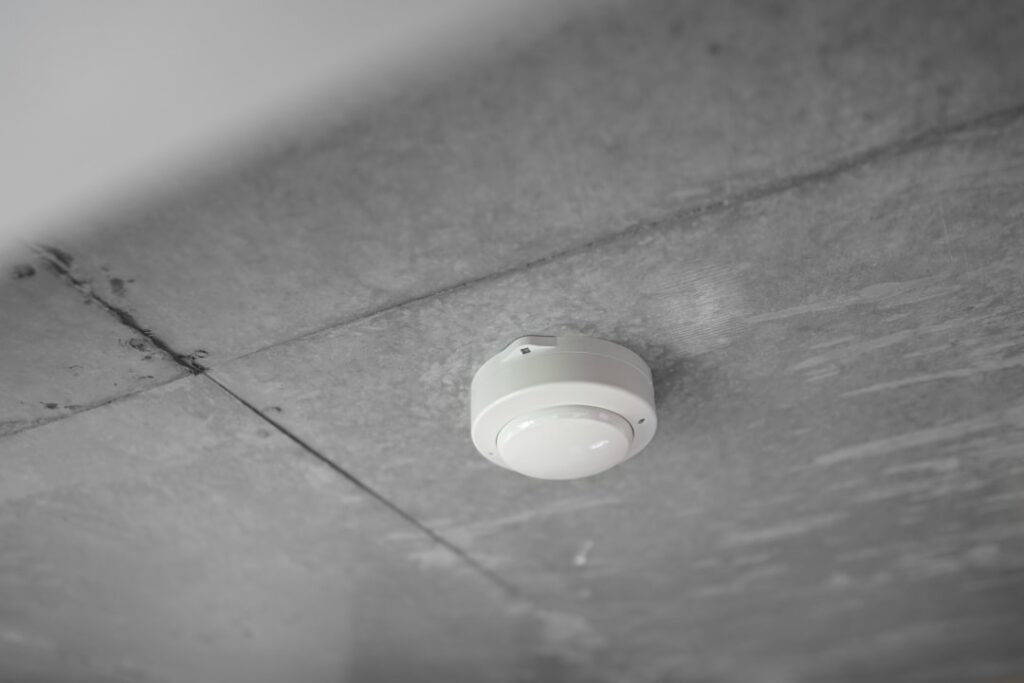
A carbon monoxide detector only protects the people it can reach in time, which makes placement just as important as owning one. Knowing where to put a carbon monoxide detector, how many to install, and which spots to avoid is the difference between an early warning and a device that alarms too late. Carbon monoxide is colorless and odorless, so the detector is the only practical way to know it is present. This guide covers placement room by room and the common mistakes that undermine an otherwise good detector.
Part of our Home Inspection Tools guide — start there for the full picture →
Where should you put a carbon monoxide detector?
The core rule from fire-safety authorities is straightforward: install a CO detector on every level of the home and outside each separate sleeping area. The National Fire Protection Association recommends a detector outside each sleeping area and on every floor, including the basement, so an alarm can wake sleeping occupants before CO reaches dangerous levels.
The single most important placement is outside the bedrooms, in the hallway or area where the alarm will be loud enough to wake everyone. Carbon monoxide poisoning is especially dangerous during sleep, when occupants cannot notice symptoms, so the detector that guards the sleeping area is the one that matters most. From there, coverage expands to each additional floor and the basement, where fuel-burning equipment often lives. Combination smoke-and-CO units are common, and our guide to a combination smoke and carbon monoxide detector covers how that placement overlaps with smoke-alarm rules.
Many jurisdictions have codified this guidance into building codes, often requiring CO alarms in new construction and after certain renovations, with placement rules that mirror the every-level, outside-each-sleeping-area standard. Colorado, like many states, has adopted requirements for CO alarms in homes with fuel-burning appliances or attached garages, particularly at the point of sale or for rental properties. Checking local code is worthwhile both for compliance and because the code reflects a tested, sensible minimum. The fire-safety standard, though, often goes beyond the legal minimum, and aiming for the safety recommendation rather than just the code floor gives better protection, especially in larger or multi-level homes.
How many CO detectors do you need?
The count follows the coverage rule rather than a single fixed number. A minimum setup includes one detector on every level of the home and one outside each sleeping area. A two-story home with a basement and bedrooms on the upper floor typically needs at least three: one in the basement, one on the main level, and one in the hallway outside the bedrooms.
Larger homes, homes with bedrooms on more than one level, or homes with multiple separated sleeping areas need more. The principle is that no sleeping occupant should be out of earshot of an alarm. Homes with attached garages and homes with multiple fuel-burning appliances also lean toward more detectors, since they have more potential CO sources. For households deciding which units to buy before placing them, our overview of the best CO detector for home compares the main types and power options.
The right height and position
Height generates more confusion than almost any other CO question, because it differs from smoke-alarm logic. Carbon monoxide is close to the same weight as air and mixes throughout a room rather than rising like smoke or sinking like a heavy gas. As a result, CO detectors do not need to be mounted high on the ceiling for the sake of the gas itself.
Manufacturers’ instructions vary, and following the specific product’s manual is the authoritative step, but in general CO detectors can be placed on a wall, on a ceiling, or even on a tabletop within the living space, as long as they reach the breathing zone of occupants. Many manufacturers permit knee-height to eye-level wall mounting. Combination smoke-and-CO units, by contrast, must follow smoke-alarm height rules, which call for high mounting because smoke rises. When in doubt, the device’s own manual settles it, since the approved placement reflects how that specific sensor was tested.
Near sleeping occupants matters most
Whatever the height, the priority is audibility for sleeping people. A detector outside a bedroom should be positioned so its alarm carries into the room with the door closed. In homes where bedroom doors are routinely shut, some households add a unit inside the bedroom as well for occupants who are deep sleepers or hard of hearing.
Interconnected alarms address the audibility problem at a larger scale. When detectors are interconnected, either hardwired or wirelessly linked, an alarm triggered in the basement sounds on every unit throughout the house, so occupants in an upstairs bedroom hear the warning even though the CO source is two floors away. This matters because carbon monoxide can build up near a basement furnace long before it reaches the sleeping area, and a standalone basement alarm might go unheard. For homes with multiple levels and separated sleeping areas, interconnected units close the gap between where CO often originates and where the people who need to be warned are sleeping.
Where NOT to put a CO detector
Just as important as the right spots are the places that produce false alarms or dead zones:
- Directly above or beside fuel-burning appliances. Furnaces, stoves, and water heaters emit small CO bursts on startup that can nuisance-trip a detector. Keep a manufacturer-specified distance, often around 15 to 20 feet.
- In or near the kitchen and within range of cooking fumes, which can cause false alarms.
- In bathrooms or humid areas, where moisture can damage the sensor.
- Near vents, fans, open windows, and ceiling fans, where moving air dilutes CO and delays detection.
- In direct sunlight or near heat sources, which can affect sensor accuracy and lifespan.
- In dead-air spaces like the peak of a vaulted ceiling or tight corners, where air does not circulate well.
- Behind furniture or curtains, which block airflow to the sensor and muffle the alarm.
These placement errors are subtle, because the detector still looks installed and powered, but its ability to sense a real event or avoid false trips is compromised. A unit jammed into a corner above the furnace may seem logical and is exactly the wrong spot.
Special placement situations
A few settings warrant extra thought. Homes with an attached garage benefit from a detector near the door connecting the garage to the living space, since idling or warming up a vehicle in the garage, common on cold Front Range mornings, can push CO indoors. Basements with a furnace, water heater, or fuel-burning equipment should have a detector at the recommended distance from the appliances rather than right on top of them.
Homes with fireplaces, wood stoves, or gas log sets should have CO coverage on that level, and homes that use a backup generator should never run it indoors or near windows, with a detector positioned to catch any intrusion. Colorado’s altitude and cold winters mean fuel-burning heating runs hard for months, raising the importance of correct placement during the heating season specifically. For broader home air-safety context, the home inspection tools guide covers how detectors fit alongside other monitoring devices.
The portable-generator hazard deserves a stronger word, because generator-related CO poisoning spikes during the power outages that follow Front Range storms. A generator produces large amounts of carbon monoxide, and running one in a garage, basement, or near an open window or door can fill a home with lethal levels in minutes. The CDC’s guidance is unambiguous: never operate a generator indoors or in any enclosed or partially enclosed space, and keep it well away from windows, doors, and vents. A CO detector inside the home is a backstop for this scenario, but the primary protection is placing the generator far outside and downwind. During a multi-day winter outage, when both the generator and any backup heating are running hard, working detectors on every level become especially important.
Maintenance and replacement
Correct placement is only half the job; the detector also has to stay functional. Test each unit monthly using its test button, replace batteries on schedule or when the low-battery chirp sounds, and keep the units free of dust that can clog the sensor. Crucially, CO detectors do not last forever. The electrochemical sensor degrades over time, and most manufacturers specify replacement of the entire unit every five to ten years, with a date often printed on the housing. An expired detector can fail to alarm during a real event even though it powers on normally, so a unit that is correctly placed but years past its replacement date offers a false sense of security.
Understanding the different alarm patterns
Placement and maintenance only help if occupants know what the device is telling them. CO detectors use distinct signals for distinct conditions, and confusing them can be dangerous. A continuous, rapid series of beeps, typically four quick beeps repeating, is the genuine CO alarm and demands immediate action: get everyone to fresh air and call for help. A single chirp at long intervals usually signals a low battery, and a different periodic chirp often indicates the unit has reached its end of life and must be replaced. Reading the manual to learn the specific patterns for a given model means an occupant reacts correctly rather than ignoring a real alarm or panicking at a low-battery chirp.
Responding to a true CO alarm is not a moment for troubleshooting. The correct sequence is to move everyone, including pets, outside to fresh air right away, then call emergency services or the fire department from outside the home, and not re-enter until responders confirm it is safe. Anyone experiencing headache, dizziness, nausea, or confusion needs medical attention. Only after the source is found and corrected, often a malfunctioning furnace, water heater, or other fuel-burning appliance, should the home be reoccupied. Silencing the alarm and going back to bed, a tragically common reaction, is exactly what the device exists to prevent.
A room-by-room placement summary
Pulling the guidance together gives a simple plan. Place a detector in the hallway outside each sleeping area, on every level of the home including the basement, and near, but not directly on top of, fuel-burning appliances at the manufacturer’s recommended distance. Add coverage near the door to an attached garage and on any level with a fireplace, wood stove, or gas appliance. Avoid kitchens, bathrooms, drafty spots near vents and fans, dead-air corners, and direct sunlight. Interconnect the units in multi-level homes so one alarm sounds everywhere, follow each product’s manual for height, and replace every unit at the end of its stated service life. Following that plan, rather than placing a single detector somewhere convenient, is what turns a CO detector from a token gesture into genuine protection for everyone in the home.
A common question is how CO detectors relate to the smoke alarms a home already has. They are not interchangeable: smoke alarms sense particles from combustion, while CO detectors sense the gas itself, and a home needs both. Combination units that do both jobs are convenient and reduce the number of devices to maintain, but they must be mounted following the smoke-alarm height rules, high on the wall or ceiling, since smoke rises. Standalone CO detectors offer more placement flexibility because the gas mixes evenly with air. Whichever a household chooses, the goal is complete coverage for both hazards, with the placement of each type following its own logic rather than treating one as a substitute for the other.
Finally, placement and equipment are only as good as the habits around them. A correctly positioned, current detector still depends on someone testing it, replacing its batteries, and heeding its alarm. Building the monthly test into a routine, replacing units before they expire, and making sure every household member knows what the CO alarm sounds like and what to do, get out and call for help, completes the protection that thoughtful placement begins. The detector is a tool; the plan around it is what saves lives.
More Questions About CO Detector Placement
Should a carbon monoxide detector go in the garage?
Most manufacturers advise against placing a carbon monoxide detector inside a garage, because vehicle exhaust, temperature swings, and dust can cause false alarms or damage the sensor.
Instead, place a CO detector inside the home near the door leading from an attached garage, and in hallways outside sleeping areas. Never run a vehicle or generator inside a garage, even with the door open. Check local codes, as some require detectors in rooms adjacent to attached garages.
Should a carbon monoxide detector be near a gas stove?
A carbon monoxide detector should not be mounted right next to a gas stove, because brief CO bursts when burners light can cause nuisance alarms. Many manufacturers suggest keeping detectors at least 15 feet from cooking appliances.
A detector in an adjoining hallway or living area still protects the household. Range hoods vented outdoors help clear combustion gases while cooking. Burners that produce yellow, lazy flames or soot may need servicing, as they can produce more CO.
Does an all-electric home need a carbon monoxide detector?
An all-electric home with no fuel-burning appliances, fireplace, or attached garage has a much lower carbon monoxide risk, but a detector is still a good idea because CO can come from portable generators, vehicles, or a neighboring unit.
Many building codes require CO alarms only when a home has fuel-burning appliances or an attached garage, but rules vary. Adding one detector outside sleeping areas is inexpensive protection, especially in multifamily buildings or homes that use generators during outages.
Where should a carbon monoxide detector go in an RV or camper?
In an RV or camper, a carbon monoxide detector should be mounted near the sleeping area and away from the stove, furnace exhaust, and doors, following the manufacturer’s instructions for recreational vehicles.
RVs have small spaces where CO can build up quickly from generators, furnaces, and nearby vehicles. Detectors designed specifically for RVs handle vibration and temperature changes better. Test the detector before each trip and never run a generator near open windows or vents.
Where should a carbon monoxide detector go in a home with a fireplace?
In a home with a fireplace, place a carbon monoxide detector in the same room but at least 15 to 20 feet away from the fireplace, plus outside sleeping areas on every level.
This placement catches CO from blocked chimneys or downdrafts while avoiding nuisance alarms from brief puffs when lighting a fire. Having the chimney inspected yearly, opening the damper before lighting, and never closing the damper while embers glow reduce CO risk.
References
- Carbon monoxide safety and detector placement — National Fire Protection Association
- Carbon monoxide poisoning prevention — Centers for Disease Control and Prevention
- Carbon monoxide poisoning basics — Centers for Disease Control and Prevention
Frequently asked questions
Where should I put carbon monoxide detectors in my home?
Install one on every level of the home, including the basement, and one outside each separate sleeping area. The detector outside the bedrooms is the most important, since CO poisoning is especially dangerous during sleep when occupants cannot notice symptoms.
How high should a carbon monoxide detector be mounted?
Because carbon monoxide mixes evenly with air, CO detectors do not need to be high on the ceiling and can go on a wall, ceiling, or tabletop within the breathing zone. Combination smoke-and-CO units must follow smoke-alarm height rules and be mounted high. Always follow the product manual.
Where should you not put a CO detector?
Avoid placing it directly above or beside fuel-burning appliances, in or near the kitchen, in bathrooms, near vents and fans, in direct sunlight, in dead-air corners, or behind furniture. These spots cause false alarms or delay detection of a real event.
How many carbon monoxide detectors do I need?
At minimum, one per level and one outside each sleeping area. A two-story home with a basement typically needs at least three. Larger homes, multiple sleeping levels, attached garages, and several fuel-burning appliances call for more so no sleeping occupant is out of earshot.
How far should a carbon monoxide detector be from a furnace?
Many manufacturers recommend placing a carbon monoxide detector about 10 to 20 feet from a furnace or other fuel-burning appliance to avoid false alarms from brief startup emissions. Always follow the specific detector's instructions and local code requirements.
Are carbon monoxide detectors required in rental homes?
Many states require carbon monoxide detectors in rental homes with fuel-burning appliances or attached garages, often placing installation duties on landlords and battery checks on tenants. Requirements vary by state and city, so check local housing and building codes for specific rules.
Should a carbon monoxide detector go in a basement without bedrooms?
Yes, a carbon monoxide detector belongs on every level of the home, including a basement without bedrooms, especially if the furnace, water heater, or other fuel-burning equipment is located there. Place it away from the appliances themselves to avoid nuisance alarms.
CO & gas detectors
A carbon monoxide alarm is the cheapest life-safety device in the house. Combination CO + explosive-gas units add a layer near furnaces and gas lines.
| Product | Why | Buy |
|---|---|---|
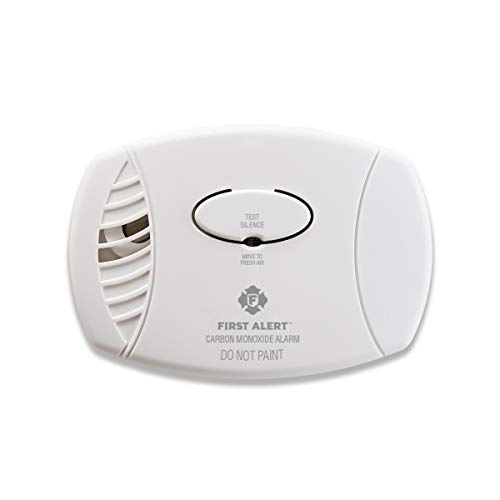 First Alert CO Alarm | Plug-in with battery backup. | Amazon — $21.99 |
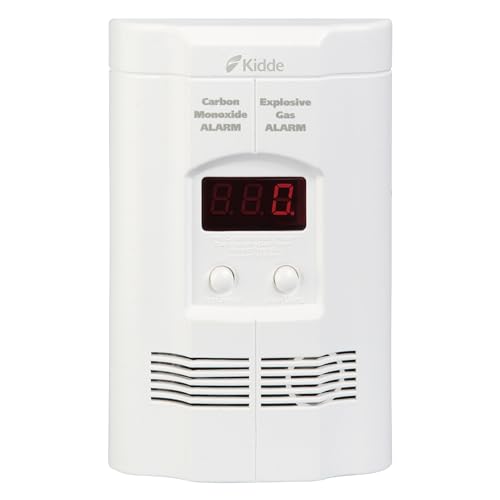 Kidde Nighthawk CO + Gas | Detects CO + natural/propane gas. | Amazon — $57.47 |