Smart Carbon Monoxide Detector: What to Know
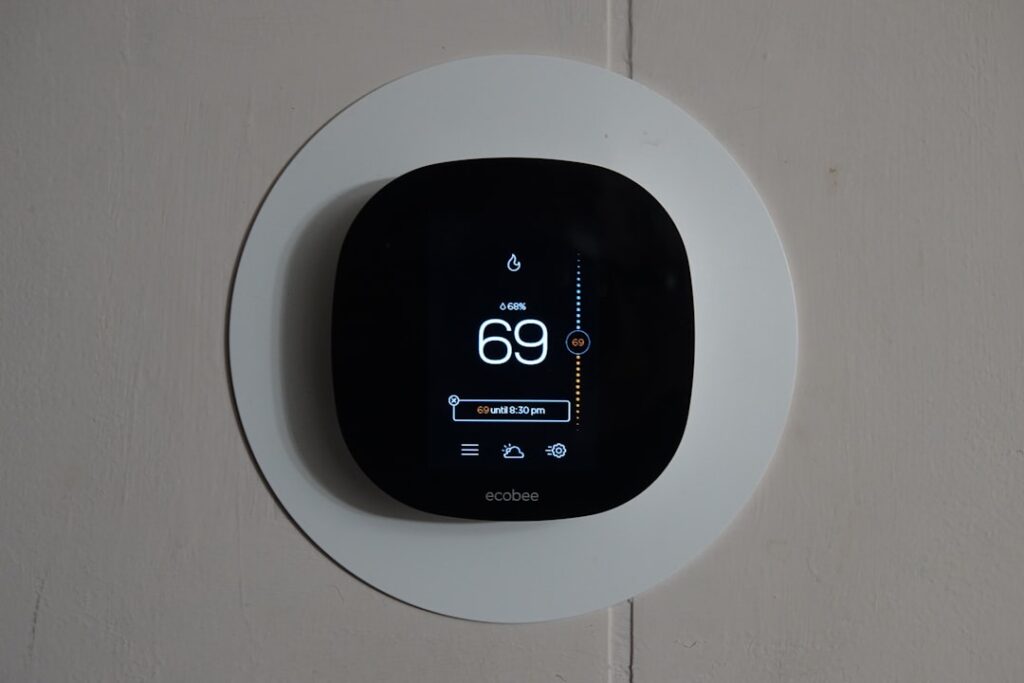
Carbon monoxide is colorless, odorless, and dangerous, which is why every home with fuel-burning appliances or an attached garage needs working detection. The newer category of connected devices adds a layer the traditional units never had: alerts that reach your phone even when no one is home. A smart carbon monoxide detector pairs a standard CO sensor with Wi-Fi or another wireless connection so you can monitor status and receive warnings remotely. This guide explains how these devices work, the features that matter, where to place them, and how they fit alongside the safety standards that govern CO alarms.
Part of our Home Inspection Tools guide — start there for the full picture →
What Is a Smart Carbon Monoxide Detector?
A smart carbon monoxide detector is a CO alarm that connects to your home network, usually over Wi-Fi, and communicates with a smartphone app. At its core it does the same job as any CO alarm: it uses an electrochemical sensor to measure carbon monoxide in the air and sounds a loud local alarm when concentrations reach dangerous levels. The smart layer adds remote notification, status monitoring, and often integration with other smart-home devices.
The practical difference is reach. A traditional alarm only protects people who can hear it. A smart model also pushes an alert to your phone, so you learn about a CO event while at work, on vacation, or asleep in a distant part of the house. Many also report low-battery and end-of-life warnings to the app, so a chirping unit in a guest room does not go ignored for weeks. For homeowners comparing options, our roundup of the best CO detector for home use places smart models in the broader landscape.
How Smart CO Detectors Work
The sensing technology is the same proven electrochemical cell found in conventional alarms. Carbon monoxide diffuses into the sensor and produces a small electrical signal proportional to the gas concentration. The alarm’s logic factors in both the level and the duration of exposure, because CO harm depends on concentration over time, then triggers the alarm when thresholds set by safety standards are crossed.
The smart features ride on top of that core. A wireless radio, most often Wi-Fi but sometimes a hub-based protocol like Zigbee or Z-Wave, connects the device to your network and the manufacturer’s cloud service. When the alarm triggers, or when status changes, the device sends a message that the app turns into a push notification. Some units add voice announcements that name the hazard and location, interconnection so that one alarm sounding triggers all of them, and integration with smart speakers or home-automation routines. The reliability of the safety function does not depend on the internet; the local alarm still sounds even if Wi-Fi is down, because the life-safety alarm is built to work independently of the connection.
Key Features to Compare
Smart CO detectors vary widely, and a few features separate the useful from the gimmicky.
Remote alerts. The headline feature. Confirm the device sends push notifications for CO events, not just maintenance reminders.
Combination sensing. Many smart units combine smoke and CO detection in one device, which simplifies installation and coverage. Our overview of combination smoke and carbon monoxide detectors explains the trade-offs.
Power source. Options include battery-only, plug-in with battery backup, and hardwired with battery backup. Hardwired interconnected units are common in newer construction.
Sensor and device lifespan. CO sensors degrade over time, and most CO alarms have a fixed end-of-life, commonly five to ten years, after which the whole unit must be replaced. Smart models typically announce end-of-life through the app.
Interconnection. When one alarm detects a hazard, interconnected units all sound, which matters in larger homes.
Self-monitoring. Automatic sensor checks and battery monitoring reduce the chance of a silent failure.
Display. Some units show the real-time CO level, which is useful for spotting low-level exposure before it reaches alarm thresholds.
Where to Place a Carbon Monoxide Detector
The smartest detector is useless if it is poorly placed. General safety guidance, reflected in fire-safety standards and manufacturer instructions, is to install CO alarms on every level of the home and outside each separate sleeping area, so a sounding alarm wakes sleepers.
Because carbon monoxide mixes fairly evenly with air rather than strictly rising or sinking, placement height is less critical than coverage, though you should always follow the manufacturer’s instructions for the specific model. Keep alarms away from fuel-burning appliances by the distance the maker specifies, since brief normal emissions near a furnace or stove can cause nuisance alarms. Avoid dead-air spots, very humid bathrooms, and areas of extreme temperature. For a dedicated walkthrough, our guide on where to put a carbon monoxide detector covers room-by-room placement. Homes with attached garages, fireplaces, gas furnaces, water heaters, or stoves have the most to gain from thorough coverage.
Smart Detectors and Low-Level CO
One advantage of smart and display-equipped units is the ability to see low-level carbon monoxide that a basic alarm ignores. Standard CO alarms are calibrated to sound only at concentrations and durations associated with acute danger, so they intentionally stay silent at low levels to avoid constant nuisance alarms. That design choice means a basic alarm may not warn of chronic low-level exposure that can still cause headaches or fatigue in sensitive people.
Smart units that log and display readings, or low-level detectors built for the purpose, give a fuller picture by showing CO trends over time through the app. This is helpful for identifying a slowly failing appliance before it becomes an emergency. Our guide on low-level carbon monoxide detectors explains where this added sensitivity is worth it. A display or app history does not replace a properly certified alarm; it complements it.
Connectivity Options and What They Mean
Not all smart detectors connect the same way, and the connection method affects reliability, setup, and how the device fits into a larger smart home. The most common approach is direct Wi-Fi, where the detector joins your home network and talks to the manufacturer’s app over the internet. This is simple to set up and needs no extra hardware, but it depends on a stable network and consumes a Wi-Fi connection per device.
Hub-based systems use a low-power protocol such as Zigbee or Z-Wave to connect detectors to a central hub, which then bridges to the internet. These protocols are designed for many small devices and can be more reliable at scale in a home full of smart sensors, but they require buying and maintaining a compatible hub. Some systems use a mix, with a few interconnected units communicating among themselves and one acting as the bridge to the app.
For most homeowners with a handful of detectors, direct Wi-Fi models are the straightforward choice. Those building a broader smart-home system, or with many sensors, may prefer a hub-based ecosystem for consistency. Whichever the method, the important point is that the local life-safety alarm does not depend on the connection. The radio adds remote awareness, but the device must still sound a loud alarm on its own when CO is detected, which is what protects the people in the home in real time.
Comparing Smart Detectors to Standard Alarms
Whether a smart detector is worth the higher price over a standard alarm depends on the household and the home. The core protection is identical, since both use the same sensor and sound the same kind of local alarm at dangerous CO levels. The smart features add value in specific situations rather than universally.
The clearest benefit is for homes that are sometimes empty, with pets, second properties, or rentals, where a CO event with no one present to hear the alarm could otherwise go unaddressed. A push notification lets an owner respond, call for help, or check on the situation remotely. Smart units also reduce the nuisance of unexplained chirping, since the app names which device needs a battery or has reached end-of-life, and they make it easy to confirm at a glance that every detector is online and functioning.
For a simple, always-occupied home, a quality standard alarm placed correctly on every level and outside sleeping areas provides the essential protection at lower cost. The smart layer is an enhancement, not a substitute for proper placement and maintenance. A poorly placed smart detector protects less than a well-placed basic one. The best approach is to get the fundamentals right first, then add smart capability where remote awareness genuinely helps. Many homeowners find a mix sensible: smart combination units in key areas and standard alarms filling out full coverage.
Maintenance and Limitations
Smart detectors still need basic upkeep. Test the alarm regularly using its test button, replace batteries in battery-powered units on schedule, and replace the entire device at its end-of-life date, since the sensor wears out regardless of how the unit communicates. Keep the app updated and confirm notifications are enabled, because a remote alert that is silenced or disconnected provides no protection.
The limitations are worth knowing. Smart features depend on a working network and account, so a Wi-Fi outage disables remote alerts even though the local alarm still works. App fatigue can lead people to dismiss notifications. And no detector substitutes for the underlying safety practices: maintaining fuel-burning appliances, having flues and chimneys inspected, never running engines or generators in enclosed spaces, and ensuring proper ventilation. A smart carbon monoxide detector is a strong addition to home safety precisely because it extends awareness beyond the people in earshot, but it works best as one part of a complete CO-safety approach rather than a standalone fix. The broader home inspection tools guide places CO detection alongside the other instruments that protect a home.
What Carbon Monoxide Is and Why Detection Matters
The value of any CO detector, smart or basic, rests on the nature of the gas it watches for. Carbon monoxide is a byproduct of incomplete combustion, produced whenever fuels like natural gas, propane, gasoline, wood, or kerosene burn without enough oxygen. It is colorless and odorless, so human senses cannot detect it, which is precisely why an electronic alarm is necessary. Common household sources include furnaces, water heaters, gas stoves and ovens, fireplaces, vehicles in an attached garage, and portable generators used improperly.
The danger comes from how CO behaves in the body. It binds to hemoglobin in the blood far more readily than oxygen does, reducing the blood’s ability to carry oxygen to tissues and organs. Because the early effects, headache, dizziness, nausea, and fatigue, resemble common illnesses, people may not recognize the cause, and higher concentrations can cause loss of consciousness. The CDC identifies carbon monoxide poisoning as a serious and preventable hazard, and reliable detection is the primary defense.
This is why placement and maintenance matter as much as the device’s features. A detector only protects against the gas it can sense in its location, so coverage on every level and outside sleeping areas ensures a buildup is caught wherever it occurs. The smart capabilities discussed earlier extend that protection by adding remote awareness, but they build on this fundamental purpose: providing an electronic warning of a gas that gives no natural warning of its own. Pairing well-placed detection with the underlying safety practices, maintaining fuel-burning appliances and never running engines in enclosed spaces, addresses both the warning and the prevention.
Seasonal awareness matters too, particularly in cold climates. Carbon monoxide incidents tend to rise in winter, when furnaces run constantly, fireplaces are in use, and homes are sealed against the cold, reducing the natural ventilation that might otherwise dilute a buildup. Front Range households relying on gas heat through a long heating season have good reason to confirm their detectors are working and well placed before winter, and to have fuel-burning appliances serviced. A smart detector’s ability to report its status remotely is genuinely useful here, since it lets an owner verify that protection is in place across a whole house full of heating equipment without walking to each unit.
References
- About Carbon Monoxide Poisoning — Centers for Disease Control and Prevention
- Carbon Monoxide Safety — National Fire Protection Association
- Carbon Monoxide Detector Placement and Safety — InterNACHI
Frequently asked questions
How is a smart carbon monoxide detector different from a regular one?
Both use the same electrochemical sensor and sound a loud local alarm when CO reaches dangerous levels. A smart model adds Wi-Fi or wireless connectivity so it sends push notifications to your phone, reports low-battery and end-of-life status through an app, and can integrate with other smart-home devices.
Does a smart CO detector still work if the Wi-Fi goes down?
Yes. The life-safety alarm is designed to sound locally regardless of the internet connection, so a network outage does not disable the core protection. Only the remote notifications and app features are affected while the connection is down.
Where should I install a carbon monoxide detector?
Install CO alarms on every level of the home and outside each separate sleeping area so a sounding alarm wakes sleepers. Follow the manufacturer's instructions, keep alarms the specified distance from fuel-burning appliances, and avoid very humid or extreme-temperature spots.
CO & gas detectors
A carbon monoxide alarm is the cheapest life-safety device in the house. Combination CO + explosive-gas units add a layer near furnaces and gas lines.
| Product | Why | Buy |
|---|---|---|
 First Alert CO Alarm First Alert CO Alarm | Plug-in with battery backup. | Amazon — $21.99 |
 Kidde Nighthawk CO + Gas Kidde Nighthawk CO + Gas | Detects CO + natural/propane gas. | Amazon — $57.47 |