Smoke and Carbon Monoxide Detector: A Combo Unit Guide
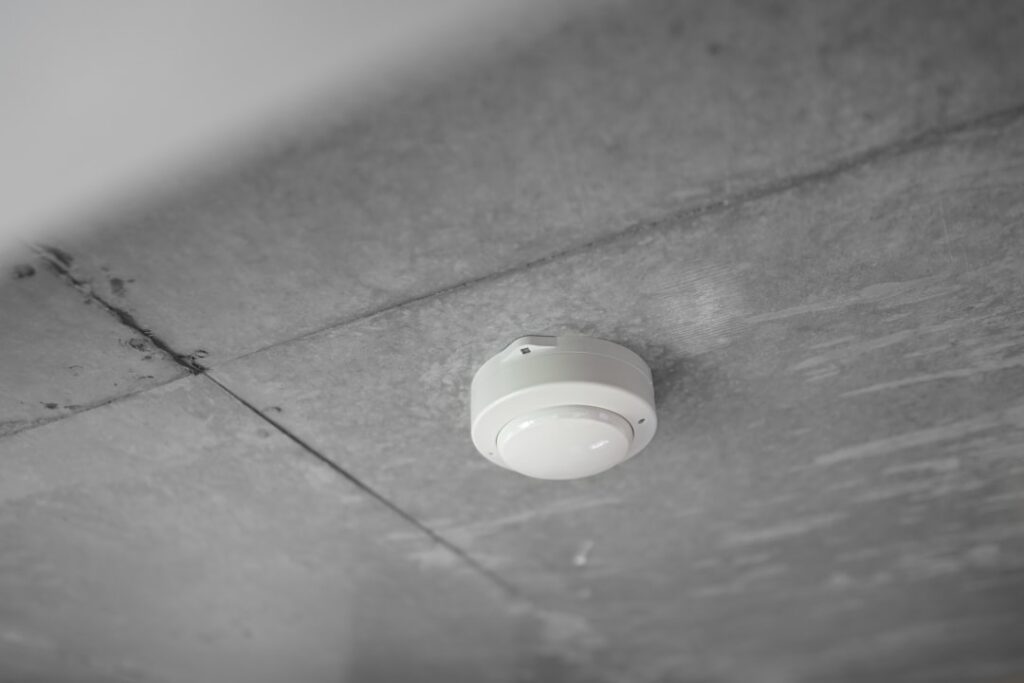
A smoke and carbon monoxide detector combines two distinct life-safety alarms in a single device: one that detects the products of fire and one that detects toxic carbon monoxide gas. Combo units simplify coverage and reduce the number of devices on your ceilings, which is why they have become popular in new construction and renovations. But combining two technologies introduces tradeoffs worth understanding. This guide draws on NFPA and trade guidance and cites code and safety sources rather than manufacturer marketing.
Part of our Home Inspection Tools guide — start there for the full picture →
What a smoke and carbon monoxide detector does
A combination unit houses two separate sensors. The smoke sensor detects fire indicators, and the carbon monoxide sensor detects CO, the colorless, odorless gas from incomplete combustion. When either hazard is detected, the unit alarms, typically using different sound patterns so you can tell which threat is present. A common convention is three beeps for smoke and four beeps for carbon monoxide.
These two hazards are unrelated in cause but both deadly, and both demand fast evacuation. Pairing them in one device means one mounting location and one set of batteries protects against both, which can improve the odds that homes actually install adequate coverage. The unit fits within the broader family of home safety sensing tools covered in our parent home inspection tools guide.
How smoke detection works
Smoke alarms use two main sensing technologies. Ionization sensors respond faster to flaming, fast-moving fires. Photoelectric sensors respond faster to smoldering, smoky fires. Because each excels at a different fire type, many experts and codes favor units that include both technologies, sometimes called dual-sensor alarms, for the most complete protection.
Combo smoke-and-CO units may use ionization, photoelectric, or dual smoke sensing depending on the model. When choosing, homeowners should check which smoke technology the unit uses, since a smoldering bedroom fire and a fast kitchen fire produce different signatures that favor different sensors.
How carbon monoxide detection works
The CO portion uses an electrochemical sensor that reacts to carbon monoxide in the air, alarming when concentration and exposure time reach a hazardous combination. CO is produced by furnaces, water heaters, stoves, fireplaces, generators, and vehicles when combustion is incomplete or venting fails. Because CO is invisible and odorless, the alarm is the only reliable warning before symptoms begin.
CO sensors have a finite life, generally 7 to 10 years, after which accuracy degrades and an end-of-life signal prompts replacement. For a deeper look at how to interpret the various sounds these devices make, see our guide to what a carbon monoxide detector’s beeping means.
Placement: the tradeoff with combo units
The biggest challenge with combo units is placement, because smoke and CO have different ideal mounting strategies. Smoke rises, so smoke alarms belong on the ceiling or high on a wall. Carbon monoxide mixes fairly evenly with air, so CO alarms can be placed at various heights, though many manufacturers design combo units to work at smoke-alarm height.
- Install on every level of the home, including basements.
- Place inside and outside each sleeping area.
- Mount on the ceiling or high on the wall per the unit’s instructions.
- Keep away from kitchens, bathrooms, and combustion appliances to limit nuisance alarms.
- Follow the manufacturer’s placement guidance, which accounts for both sensors.
Because a combo unit is engineered to satisfy both needs at one location, follow its specific instructions rather than improvising. If a particular spot is poor for one sensor, separate single-function alarms may serve better there.
Interconnection and smart features
Interconnected alarms sound together when any one detects a hazard, so a basement smoke alarm wakes sleepers upstairs. Interconnection can be hardwired or wireless and is required for new construction in many jurisdictions. Combo units are available in interconnectable versions, which meaningfully improves whole-home warning time.
Smart combo detectors add phone notifications, voice announcements of the hazard and location, and self-test logging. These features help when no one is home or when occupants might sleep through a remote alarm. As with any sensing device, smart features supplement but do not replace correct placement and maintenance.
Maintenance and replacement
Test combo units monthly with the test button and replace batteries as the manufacturer directs; many modern units use sealed 10-year batteries. Keep the units free of dust, which can cause nuisance smoke alarms. Note the manufacture date, because the whole device must be replaced when either sensor reaches end of life.
Smoke alarms are generally replaced about every 10 years, and CO sensors at 7 to 10 years, so a combo unit’s replacement is driven by whichever sensor expires first. Replacing on schedule matters because an expired sensor can fail silently, leaving occupants unprotected without any obvious sign.
Ionization versus photoelectric smoke sensing
The smoke half of a combo unit relies on one of two sensing methods, and the difference affects how quickly it catches a given fire. Ionization sensors use a tiny amount of radioactive material to ionize air; smoke particles disrupt the resulting current and trigger the alarm. They respond quickly to flaming, fast-moving fires with small particles, such as a grease fire, but can be slower on smoldering fires.
Photoelectric sensors shine a light beam and detect when smoke particles scatter that light into a sensor. They respond faster to smoldering, smoky fires, like a cigarette igniting upholstery, which often produce larger particles and may smolder for a long time before flaming. Because home fires can begin either way, fire-safety authorities generally favor having both technologies present.
When choosing a combo unit, check which smoke technology it uses. Some models include both ionization and photoelectric sensing in one device, offering broader coverage. Where a single combo unit uses only one method, pairing it with a complementary smoke alarm elsewhere in the home helps cover both fire types. Matching sensing type to room risk improves real-world warning time.
Nuisance alarms and how to reduce them
Combo units near kitchens and bathrooms are prone to nuisance alarms, which are not only annoying but dangerous if they prompt occupants to disable the device. Cooking smoke and steam from showers are the usual triggers. Repeated false alarms erode trust in the device, and a disabled alarm offers no protection at all, the worst possible outcome.
- Keep units a reasonable distance from stoves and bathrooms.
- Use kitchen-area alarms with photoelectric sensing or a hush feature.
- Run exhaust fans while cooking and showering to clear particles and steam.
- Vacuum dust off units periodically, since dust can trigger smoke sensors.
- Never remove batteries to stop nuisance alarms; relocate or upgrade instead.
Many modern combo units include a temporary silence or hush button that quiets a nuisance alarm for a few minutes without disabling the device. Using that feature, rather than pulling a battery, keeps the protection intact. Correct placement away from cooking and bathing areas prevents most nuisance events in the first place.
Combo unit or separate alarms?
Combo units win on simplicity, cost per location, and the likelihood of adequate coverage. Separate alarms win when a location strongly favors one sensor’s ideal placement, or when you want a specific smoke technology in a specific room. Many homes use a mix: combo units in hallways and bedrooms, plus dedicated smoke alarms in spots where fire is the primary concern.
Whatever the configuration, the goal is complete coverage of both hazards on every level and near every sleeping area, with interconnection so any alarm alerts the whole house. The detector is only one part of safety; working appliances and a practiced escape plan matter just as much.
How many units a home needs and where
Coverage, not just quality, determines whether alarms actually save lives. Fire-safety guidance calls for smoke alarms on every level of the home, including the basement, inside each bedroom, and outside each sleeping area. Carbon monoxide alarms belong on every level and outside sleeping areas, with extra attention near attached garages and fuel-burning appliances.
Combo units can satisfy much of this with fewer devices, placing one alarm where both a smoke alarm and a CO alarm would otherwise go. A typical layout might use combo units in hallways outside bedrooms and on each level, with dedicated smoke alarms inside bedrooms where CO sensing is less critical. The goal is complete, overlapping coverage so a fire or CO event anywhere triggers a warning everyone can hear.
Mapping the home before buying prevents gaps and waste. Count the levels, bedrooms, and sleeping areas, identify garages and appliance locations, and plan placement to meet the guidance. Local codes may specify requirements for new construction and renovations, so checking those ensures the layout is both safe and compliant.
Testing, lifespan, and what to avoid
Even a perfectly placed combo unit only protects if it works, which is why routine testing and timely replacement matter. Test every unit monthly using the test button, which checks the alarm circuit, and replace batteries as directed; sealed long-life units are replaced whole when the battery or a sensor expires. Keep units dusted, since dust can trigger nuisance smoke alarms.
- Test each unit monthly with the test button.
- Replace batteries on schedule, or the whole sealed unit at end of life.
- Replace combo units when the first sensor reaches end of life.
- Vacuum dust off units to prevent nuisance smoke alarms.
- Never disable an alarm to stop nuisance triggers; use the hush feature instead.
The most dangerous habit is silencing protection. Pulling a battery to stop a nuisance alarm, or ignoring an end-of-life chirp, leaves a home unprotected at the worst possible time. Using the hush button, relocating units away from kitchens and baths, and replacing aged devices keeps both the smoke and CO functions ready when they are truly needed.
Pairing alarms with an escape plan
A detector buys time, but that time only saves lives if the household knows what to do with it. Every home should have a practiced escape plan: two ways out of each room where possible, a meeting point outside, and the rule that once you are out, you stay out. Children and older residents especially benefit from rehearsing the plan.
The plan should distinguish the two hazards by sound. A smoke alarm pattern means a fire response: get low under smoke, get out fast, and call from outside. A CO alarm means get everyone to fresh air and call for help, then let professionals find the source. Combo units that announce the hazard by voice make this distinction easier under stress.
Coupling reliable, well-placed alarms with a rehearsed plan is what turns detection into survival. The device is only the first link; the human response completes the chain. Reviewing the plan periodically, and after any change in who lives in the home, keeps everyone ready to act on the warning the alarm provides.
When to call a professional
Call 911 from outside for any genuine smoke or CO alarm and evacuate first. After responders clear the home, call a licensed HVAC technician to inspect combustion appliances and venting if CO triggered the alarm. An electrician can install hardwired, interconnected units for whole-home coverage that meets local code.
A home inspector can verify that alarms are present, correctly placed, and within their service life during a purchase. For ongoing safety, service fuel-burning appliances annually and replace any alarm at or past its rated life.
References
- NFPA guidance on smoke alarms and placement — National Fire Protection Association
- NFPA guidance on carbon monoxide alarms — National Fire Protection Association
- InterNACHI resource on carbon monoxide safety — InterNACHI
Frequently asked questions
How do combo smoke and CO detectors signal which hazard it is?
Combo units use different sound patterns for each threat, commonly three beeps for smoke and four beeps for carbon monoxide, often with a voice announcement on smart models. Check the manual so you know which pattern means which hazard.
Where should I place a smoke and carbon monoxide detector?
Install on every level and inside and outside each sleeping area, mounted on the ceiling or high on the wall per the instructions. Keep units away from kitchens and bathrooms to limit nuisance alarms.
How long do combo detectors last?
Replacement is driven by whichever sensor expires first, generally about 10 years for smoke and 7 to 10 years for CO. Check the manufacture date and replace the whole unit when either sensor reaches end of life.
Are combo units better than separate alarms?
Combo units simplify coverage and lower the cost per location, while separate alarms can be better where one sensor's ideal placement differs. Many homes mix both to achieve complete, well-placed coverage of fire and CO.
CO & gas detectors
A carbon monoxide alarm is the cheapest life-safety device in the house. Combination CO + explosive-gas units add a layer near furnaces and gas lines.
| Product | Why | Buy |
|---|---|---|
 First Alert CO Alarm First Alert CO Alarm | Plug-in with battery backup. | Amazon — $21.99 |
 Kidde Nighthawk CO + Gas Kidde Nighthawk CO + Gas | Detects CO + natural/propane gas. | Amazon — $57.47 |