Carbon Monoxide Detector Replacement Guide
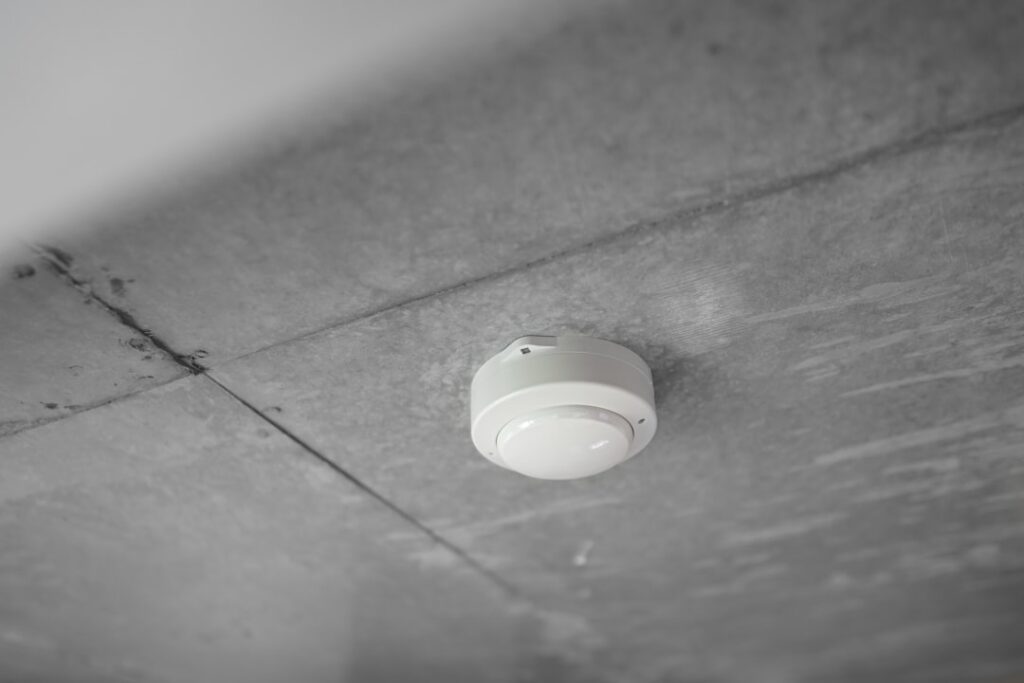
A carbon monoxide alarm is one of the few household devices with a built-in expiration date, and ignoring it can leave a home unprotected without anyone realizing. The sensor inside slowly wears out whether or not it ever encounters carbon monoxide, so even a unit that has never alarmed eventually stops being reliable. Carbon monoxide detector replacement is therefore a routine part of home safety, not an optional upgrade. Knowing when a unit reaches end of life, how to recognize the chirps that signal it, and how to choose and install a replacement keeps the protection real rather than assumed. The cost is small, and the stakes are high.
Part of our Home Inspection Tools guide — start there for the full picture →
When to Replace a Carbon Monoxide Detector
Most carbon monoxide detectors should be replaced every five to ten years, depending on the model and sensor. The exact figure is printed on the unit or stated in its manual, and many newer alarms have a manufacture date stamped on the back along with a built-in end-of-life warning. Once a detector reaches that date, the electrochemical sensor inside can no longer be trusted to respond accurately, and the whole unit must be replaced. Changing the battery does not reset this clock; the sensor itself is the part that ages out.
A second trigger for replacement is any sign of malfunction: repeated false alarms, a fault code, a unit that fails its test button, or physical damage. When in doubt about the age of an alarm, replacing it is the safe choice. For homeowners comparing current models before buying, our roundup of the best CO detectors for the home outlines features worth weighing.
Understanding the End-of-Life Chirp
Detectors signal their own retirement, but the signals confuse many people. A single chirp every minute or so commonly indicates a low battery, while a different pattern, often a chirp repeated in sets or accompanied by a specific light, indicates end of life. The manual decodes the exact pattern for a given model. The frustrating part is that an end-of-life chirp does not stop when the battery is replaced, because the problem is the aged sensor, not the power source. A homeowner who swaps batteries and still hears the chirp has likely reached the replacement point.
Disabling or muting a chirping alarm is a dangerous shortcut. The fix is to identify whether the signal means low battery or end of life, then either replace the battery or replace the entire unit. Our explainer on a carbon monoxide detector beeping three times walks through how to read these patterns so the right action follows.
Why the Sensor Ages Out
The electrochemical sensor in most CO alarms relies on a chemical reaction that slowly depletes over years of exposure to ordinary air. This happens regardless of whether the alarm ever detects carbon monoxide. As the chemistry winds down, the sensor becomes slower and less accurate, eventually unable to respond to a real CO event. Because this decline is invisible and the test button only checks the horn and electronics, manufacturers build in the firm end-of-life date as the safeguard.
What Carbon Monoxide Is and Why Alarms Expire
Carbon monoxide is a colorless, odorless, tasteless gas produced whenever fuel burns incompletely. Furnaces, water heaters, gas ranges, fireplaces, wood stoves, portable generators, and vehicles idling in an attached garage are all potential sources. Because people cannot see or smell it, an alarm is the only practical warning. The danger rises in winter, when Front Range households run furnaces hard and keep windows shut, and during power outages when generators and alternative heat sources come into play. An expired alarm in those conditions is a silent gap in protection.
The reason alarms expire ties directly to how they sense the gas. The electrochemical cell inside reacts with carbon monoxide to produce a tiny electrical current, and that cell’s reactive material is consumed slowly over the years. Even sitting on a quiet hallway ceiling, the cell ages. Manufacturers test how long the chemistry stays accurate and set the end-of-life date accordingly. After that point the unit may still light up and chirp, but it can no longer be relied upon to catch a real CO event, which is the whole reason it exists.
The Cost of Waiting Too Long
Replacement units are inexpensive relative to the protection they provide, yet expired alarms are common in homes where no one tracks the dates. A unit installed during a kitchen remodel a decade ago may be quietly past its useful life. Because there is rarely an obvious failure, the only reliable defense is to know the age of every alarm and replace on schedule. Treating the device as a fixture that lasts forever is the mistake that leaves households exposed long after the sensor has stopped working.
How to Choose a Replacement
Selecting a new detector comes down to a few decisions. First, the power type: battery-only units install anywhere and keep working in an outage, plug-in units with battery backup are convenient near outlets, and hardwired interconnected units sound every alarm in the house when one trips, which suits larger homes. Second, whether to combine functions; a combination smoke and CO alarm reduces clutter, and some units add a combustible gas sensor for homes with gas appliances.
Third, features such as a digital display showing CO concentration in parts per million, voice alerts that announce the hazard and location, sealed ten-year batteries that last the life of the unit, and smart connectivity for phone alerts. A digital display helps distinguish a low-level chronic exposure from an acute spike. Whatever the choice, the unit should carry a recognized testing-laboratory listing mark confirming it meets the U.S. performance standard for CO alarms.
Matching the New Unit to the Home
The replacement should fit how the home is built and used. A home with existing hardwired, interconnected alarms generally needs a compatible hardwired replacement so the interconnection keeps working. A rental or older home without wiring is well served by sealed ten-year battery units that eliminate battery changes. Households that travel or own a second mountain property may value connected models that send alerts to a phone. Replacing like with like is simplest, but a replacement is also a chance to upgrade to features the old unit lacked.
Placement When Installing the Replacement
Replacing an alarm is the right moment to confirm correct placement. Carbon monoxide alarms belong on every level of the home and outside each separate sleeping area, so an alarm can wake people in their bedrooms. Because CO mixes fairly evenly with air, height is less critical than for fuel-gas detectors, but manufacturers and fire-safety guidance advise keeping alarms away from immediate combustion sources, bathrooms, and dead-air spots like the peak of a vaulted ceiling.
Avoid mounting a CO alarm directly above or beside a fuel-burning appliance, where normal startup can cause nuisance trips, and keep it out of very humid or dusty locations that shorten sensor life. In Colorado, state law requires CO alarms in many dwellings near sleeping areas, so a replacement project is also a good time to verify the home meets the requirement on every floor. Adding an alarm where one is missing is as important as swapping an expired one.
Installing the Replacement Step by Step
Battery and plug-in units are straightforward. Remove the old alarm, note the manufacture date for disposal records, mount the new unit per its instructions, install fresh batteries or confirm the sealed battery activates, and press the test button to confirm the horn sounds. Write the installation date on the new unit so the next replacement is easy to schedule. Hardwired units involve household wiring; a homeowner comfortable with basic electrical work can match the wiring harness, but anyone unsure should hire a licensed electrician, especially for interconnected systems.
After installation, test the new alarm and walk the home to confirm coverage on every level and near every sleeping area. Replace any other alarms that are nearing their own end-of-life dates at the same time, since they were likely installed together and will expire together. Doing the whole set at once prevents a patchwork of ages and missed chirps down the line.
Safe Disposal of the Old Unit
Old CO alarms contain electronic components and sometimes batteries, so disposal deserves a moment’s thought. Remove and recycle or properly dispose of the batteries. Many Front Range communities accept small electronics at household hazardous-waste or e-waste collection events, which is preferable to the trash. Check local guidance, since rules vary by county. A quick check with the local solid-waste authority keeps the old device out of the landfill where its components do not belong.
What to Do If the Alarm Sounds During or After Replacement
A real CO alarm and an end-of-life chirp sound different, but a homeowner should treat any full, continuous alarm as a possible emergency. If a CO alarm goes into full alarm, move everyone to fresh air immediately, account for all occupants and pets, and call 911 or the fire department from outside. Do not re-enter until responders say it is safe. Symptoms such as headache, dizziness, nausea, and confusion can signal CO exposure and warrant medical attention. Only after the source is found and fixed should the home be reoccupied.
During a replacement project, a brief chirp from a new unit as it powers up is normal, but a sustained alarm is not. If a freshly installed alarm goes into full alarm, do not assume it is a defect; treat it as a genuine warning, ventilate, and investigate the appliances before dismissing it. The whole value of the device rests on taking its alarm seriously, and that habit should start the moment the new unit is on the wall.
Coordinating With Smoke Alarms and Gas Detectors
Carbon monoxide alarms are one piece of a layered system. Smoke alarms warn of fire, CO alarms warn of poisoning, and in gas-heated homes a combustible gas detector warns of raw fuel leaks. These devices expire on different schedules, so a replacement project is a natural time to audit all of them. Many combination units bundle smoke and CO sensing, which simplifies the wall but ties replacement to the shortest sensor’s life. Whatever the mix, confirming that each hazard is covered, and that no device is past its date, gives a home complete protection rather than partial.
Interconnection adds another layer of safety. When alarms are linked, whether by wiring or wirelessly, one triggered unit sounds them all, so a basement CO event wakes people in upstairs bedrooms. If a home already has interconnected alarms, the replacement should preserve that feature. For larger Front Range homes with bedrooms far from the furnace room, interconnection can be the difference between a warning that is heard and one that is slept through.
Building a Replacement Habit
The simplest way to never miss a replacement is to make it routine. Mark the end-of-life date on a calendar or phone reminder when installing a new alarm, test every unit monthly, and replace batteries in non-sealed models on a regular schedule, such as when clocks change. Treating the whole alarm as a consumable with a known lifespan, rather than a permanent fixture, keeps a home’s CO protection current.
Carbon monoxide is colorless and odorless, which is exactly why these alarms exist and why an expired one is so risky; nothing else will warn a household. A modest investment in timely carbon monoxide detector replacement, correct placement, and monthly testing keeps that protection real year after year. Paired with working smoke alarms and, in gas-heated homes, a combustible gas detector, an up-to-date CO alarm rounds out the layered safety every household deserves. A reminder set today for the next replacement date is the cheapest insurance a homeowner can buy against a hazard that gives no other warning.
References
- Carbon Monoxide Poisoning Prevention — Centers for Disease Control and Prevention
- Carbon Monoxide Alarm Guidance — National Fire Protection Association
- Carbon Monoxide and Indoor Air Quality — U.S. Environmental Protection Agency
Frequently asked questions
How often should a carbon monoxide detector be replaced?
Most CO detectors should be replaced every five to ten years depending on the model, with the exact lifespan printed on the unit. The sensor wears out over time even if it never detects CO, so replacement is required even when the alarm seems to work.
Why does my CO detector keep chirping after I changed the battery?
A chirp that continues after a new battery usually signals end of life, not low battery. The aged sensor cannot be reset, so the entire unit must be replaced. Check the manual to confirm whether the pattern means low battery or end of life.
Does replacing the battery extend a CO detector's life?
No. A fresh battery only powers the device; it does not refresh the sensor's chemistry. Once a detector reaches its printed end-of-life date, the whole unit must be replaced regardless of battery condition.
Where should I install a replacement CO alarm?
Place CO alarms on every level of the home and outside each separate sleeping area. Keep them away from fuel-burning appliances, bathrooms, and dead-air spots. In Colorado, state law requires alarms near sleeping areas in many dwellings.
CO & gas detectors
A carbon monoxide alarm is the cheapest life-safety device in the house. Combination CO + explosive-gas units add a layer near furnaces and gas lines.
| Product | Why | Buy |
|---|---|---|
 First Alert CO Alarm First Alert CO Alarm | Plug-in with battery backup. | Amazon — $21.99 |
 Kidde Nighthawk CO + Gas Kidde Nighthawk CO + Gas | Detects CO + natural/propane gas. | Amazon — $57.47 |