Best CO Detector for Home: A 2026 Buyer’s Guide
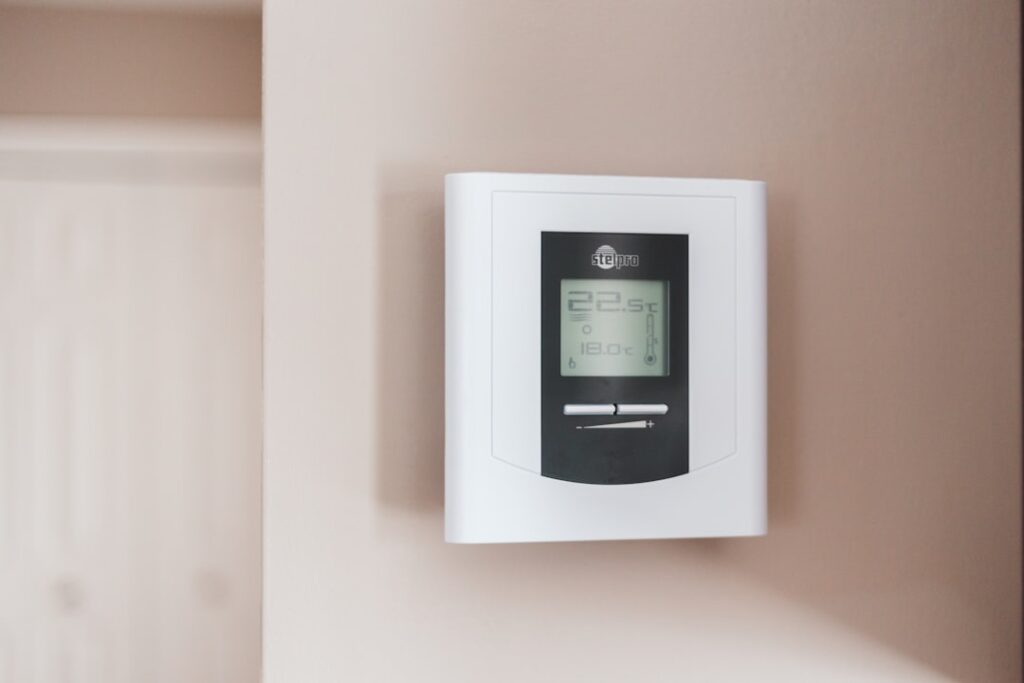
Carbon monoxide kills quietly, with no smell, no color, and no warning beyond a working alarm. Choosing the best CO detector for home use is one of the cheapest safety decisions a household makes, yet the options multiply fast once you start shopping: battery or plug-in, digital display or simple horn, standalone or combined with a smoke alarm, basic or smart. The right pick depends on how your home is built, how it heats, and how much maintenance you want to handle. This guide walks through sensor technology, power choices, key features, placement, and replacement timing so you can match a detector to your home with confidence across the Front Range and beyond.
What Makes the Best CO Detector for a Home?
The best CO detector for a home is one that reliably senses carbon monoxide, fits your home’s power and layout, carries a clear end-of-life warning, and bears a recognized testing-lab certification mark. There is no single model that wins for every household. A renter in an older apartment, a homeowner in a new build with interconnected wiring, and a family with a finished basement and attached garage each have different needs.
Three things matter most regardless of brand. First, the detector must use a quality electrochemical sensor, the standard for accuracy in home units. Second, it must alert before the whole house reaches dangerous exposure, following recognized safety standards. Third, it must clearly tell you when its sensor expires, so it never lulls you into false security. Everything else, display, voice alerts, smart connectivity, is refinement on top of those essentials.
Sensor Technology to Look For
Home CO detectors rely on electrochemical sensors, which react chemically with carbon monoxide and generate a current proportional to the gas level. This technology balances accuracy, low power draw, and a usable lifespan, and it is what reputable manufacturers use. The alarm’s logic measures both concentration and duration, because carbon monoxide harms the body based on cumulative dose. A moderate level sustained for hours can be as hazardous as a high spike for minutes.
That time-weighted behavior explains why a good detector may not scream the instant trace gas appears, and that is by design. Cheap or uncertified units can either nuisance-alarm constantly or, worse, miss real exposure. Look for the mark of a recognized testing laboratory on the package, which confirms the unit meets the relevant safety standard. Our broader explanation of how these sensors age sits in the home carbon monoxide detector overview.
Power Options: Battery, Plug-In, and Hardwired
Power source shapes both convenience and resilience, and it is often the first real decision.
Battery-Powered
Battery units install anywhere with no outlet or wiring, which suits older homes, rentals, and spots far from a receptacle. They keep working through power outages, a real advantage during Front Range winter storms that down lines. Sealed ten-year battery models eliminate battery swaps entirely; replaceable-battery models cost less but require periodic changes and may chirp when low. The dedicated battery carbon monoxide detector guide digs into the trade-offs.
Plug-In with Battery Backup
Plug-in detectors draw constant power from a wall outlet and include a battery for outage protection. They never need a primary battery change, but they tie placement to outlet locations and can be knocked loose. Many include a digital display that benefits from steady power.
Hardwired and Interconnected
Common in newer construction, hardwired interconnected detectors sound together throughout the house when any one trips, giving the fastest whole-home warning. They include battery backup for outages. This is the most robust setup but requires existing wiring or professional installation, so it is rarely a retrofit choice for a single room.
Key Features Worth Paying For
Beyond the essentials, a few features earn their cost depending on the household.
Digital Display
A digital readout shows the current CO level in parts per million, plus often the peak level recorded since last reset. This is genuinely useful, because it lets you see a low, lingering level that sits below the alarm threshold but still signals a problem like a slightly faulty appliance. For homes with gas furnaces, fireplaces, or attached garages, the display turns the detector into a diagnostic tool, not just an alarm.
Voice and Location Alerts
Voice models announce “Carbon monoxide” and sometimes the location, which cuts through confusion at night and helps occupants react correctly. In a combination smoke-and-CO unit, a voice that distinguishes fire from gas tells people whether to evacuate or ventilate, a meaningful difference in an emergency.
Smart Connectivity
Smart detectors push alerts to a phone when no one is home, link with other smart-home devices, and self-test on a schedule. For travelers, landlords, or owners of a second property, a phone alert about CO while away has real value. The trade-off is higher cost, reliance on Wi-Fi, and app upkeep. A basic certified alarm protects occupants who are present just as well.
Placement Drives Performance
Even the best detector fails if it is placed poorly. Carbon monoxide mixes fairly evenly with indoor air, so it can go at various heights, but the room choices matter. Install a detector on every level of the home and outside each separate sleeping area. Add one inside any bedroom where someone sleeps with the door closed, since a closed door slows gas reaching a hallway unit.
Keep detectors a few feet from fuel-burning appliances such as furnaces and gas ranges, because brief startup emissions can trigger nuisance alarms. Avoid mounting near windows, exterior doors, or supply vents where fresh-air drafts dilute readings and mask a buildup. In a typical Front Range home heated by gas, the priority spots are the basement near the furnace and the hallway outside the bedrooms. Colorado law requires CO alarms in dwellings with fuel-fired heaters, fireplaces, or attached garages, so most local homes need coverage by statute, not just good sense.
Matching a Detector to Your Home
Pull the recommendations together by home type.
For a rental or older home without convenient wiring, a sealed ten-year battery detector with a digital display offers protection, outage resilience, and minimal maintenance. For a new or recently updated home with interconnected wiring, hardwired units that alarm together give the fastest whole-home warning, supplemented by battery units in any added bedroom. For a household that travels often or manages a second property, a smart detector adds remote alerts worth the premium. For a hallway that needs both smoke and CO coverage, a combination unit reduces clutter, with the caveat that the whole device gets replaced when the CO sensor expires. Buyers weighing combination units can compare features in our look at the First Alert smoke and CO models.
Understanding CO Levels and Alarm Thresholds
The best detectors follow recognized standards for when to alarm, and understanding those thresholds clarifies why a quality unit behaves the way it does. Carbon monoxide concentration is measured in parts per million (ppm). The harm a person suffers depends not just on the concentration but on how long they breathe it, because the gas accumulates in the bloodstream over time. A standard-compliant detector therefore uses a sliding scale: it sounds faster at high concentrations and waits longer at low ones, mirroring the dose-over-time reality of poisoning.
This is why a certified detector may not alarm the instant a small amount of CO appears. It is following the exposure curve rather than a single trip point, which prevents constant nuisance alarms from the brief, harmless emissions a gas appliance produces at startup. A detector with a digital display lets a homeowner watch the actual ppm reading, catching a low but persistent level, say from a slightly faulty appliance, that sits below the alarm threshold yet still signals a problem worth investigating. Cheap, uncertified units may ignore this nuance, either crying wolf or missing genuine exposure, which is the core reason a recognized testing-lab mark matters more than any feature.
Common Mistakes Homeowners Make
Even good detectors get undermined by predictable errors. The most frequent is treating a CO alarm and a smoke alarm as interchangeable; they sense entirely different hazards and one cannot substitute for the other. Another is mounting a detector right next to the furnace or gas range, where normal startup emissions trigger nuisance alarms and erode the household’s trust in the device. Placing a unit near a window or supply vent is similar, since fresh-air drafts dilute readings and can mask a real buildup.
Ignoring the chirp is a dangerous habit. A low-battery chirp or an end-of-life signal means the detector is no longer protecting the home, yet many households silence it and forget. Letting a detector run past its expiration date is the quietest mistake of all, because the unit looks and sounds fine while its aged sensor can no longer detect gas reliably. Finally, under-covering the home, installing a single detector for a multi-level house, leaves whole floors unprotected. The fix for each is straightforward: cover every level and sleeping area, place units away from appliances and vents, respond to every chirp, and replace on schedule.
Testing, Maintenance, and Replacement
Press the test button monthly to confirm the horn and circuitry work. Vacuum dust from the vents a few times a year so the sensor breathes freely. Learn the difference between a low-battery chirp and the end-of-life signal, both listed in the manual, so an unfamiliar sound does not get ignored.
The most overlooked rule is the expiration date. Electrochemical CO sensors lose sensitivity over five to ten years depending on the model, and an aging sensor can pass a button test while failing to detect real gas. Check the printed manufacture or expiration date, and replace the entire unit when it arrives even if it still beeps normally. Setting a calendar reminder for that year is the single best habit for keeping protection real rather than assumed.
Responding When the Best Detector Sounds
Even the best detector only helps if the household knows how to react. The standard CO alarm is four quick beeps, repeating, and it signals an emergency. The correct response is to get everyone, including pets, out of the house and into fresh air immediately, then call emergency services from outside. Do not pause to open every window or hunt for the source while people remain inside breathing potentially contaminated air.
If anyone has a headache, dizziness, nausea, confusion, or shortness of breath, tell the dispatcher, because those are signs of poisoning. Do not re-enter until responders or a qualified technician confirm the home is safe and identify the source, often a malfunctioning furnace, a blocked flue, or a vehicle running in an attached garage. A detector with a digital display can help a technician by showing the peak level recorded. The worst response is to silence the alarm and go back to sleep, which turns a lifesaving warning into a silent threat. Choosing the best detector and pairing it with a clear household plan is what actually protects people. It helps to rehearse the plan briefly with everyone in the home, especially children, so the response is automatic rather than improvised at 3 a.m. Agree on a meeting spot outside, make sure every sleeper can hear the alarm through a closed bedroom door, and keep a charged phone reachable to call for help once outside. The finest detector on the market still depends on people who know what its alarm means and what to do the moment it sounds.
What to Skip
Avoid any detector without a recognized testing-lab certification mark, regardless of price or features. Skip units that lack a clear end-of-life warning, since they leave you guessing about replacement. Do not rely on a smoke alarm to detect CO or vice versa; they sense entirely different hazards. And resist over-buying smart features for a home where occupants are always present and a simpler alarm protects just as effectively. The best detector is the one that fits your home, gets installed in the right rooms, and gets replaced on schedule. For the wider safety toolkit, our home inspection tools guide covers complementary devices.
References
- Carbon Monoxide Poisoning Prevention — CDC
- Carbon Monoxide Alarm Guidance — NFPA
- Indoor Air Quality and CO Safety — Colorado Dept. of Public Health and Environment
CO & gas detectors
A carbon monoxide alarm is the cheapest life-safety device in the house. Combination CO + explosive-gas units add a layer near furnaces and gas lines.
| Product | Why | Buy |
|---|---|---|
 First Alert CO Alarm First Alert CO Alarm | Plug-in with battery backup. | Amazon — $23.99 |
 Kidde Nighthawk CO + Gas Kidde Nighthawk CO + Gas | Detects CO + natural/propane gas. | Amazon — $57.47 |