Battery Carbon Monoxide Detector: A Homeowner Guide
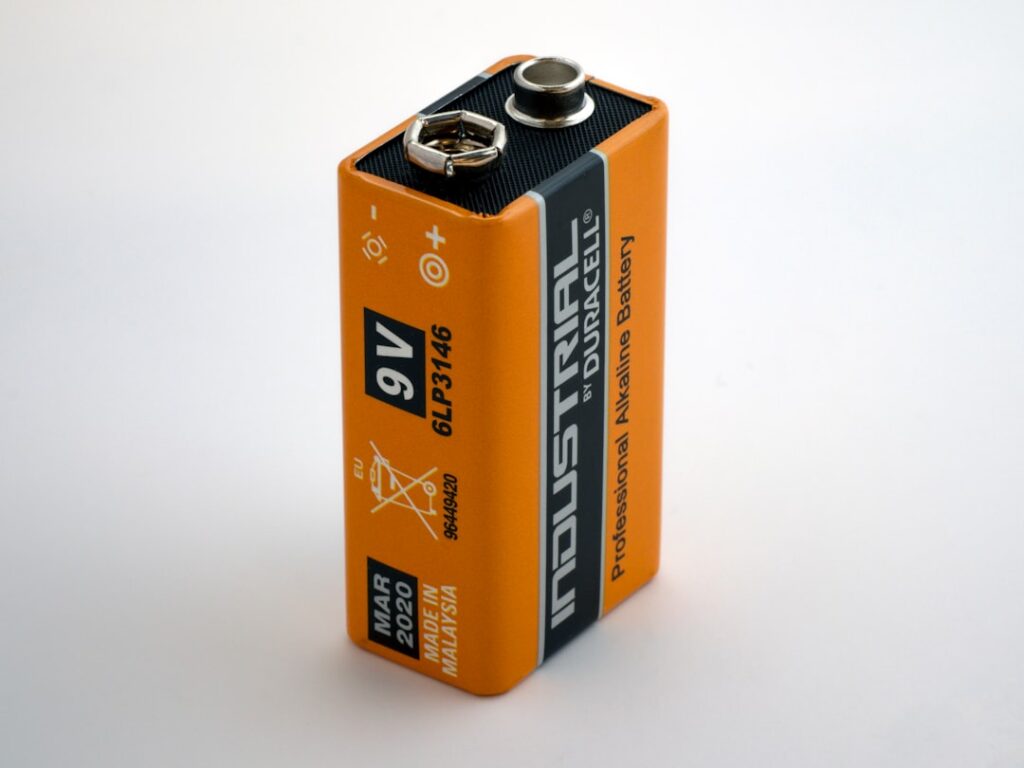
A battery carbon monoxide detector runs entirely on its own power, with no cord to plug in and no wiring to splice into the wall. That independence makes it the simplest way to add lifesaving protection to a bedroom, a basement, an older home, or a rental where running electrical wire is not an option. Carbon monoxide is colorless and odorless, so a working alarm is the only practical warning a household gets. This guide explains how battery-powered CO alarms work, how long their batteries and sensors last, where to mount them, and how to keep them dependable through Colorado’s long heating season.
What Is a Battery Carbon Monoxide Detector?
A battery carbon monoxide detector is a standalone alarm powered by replaceable batteries or a sealed long-life battery rather than household wiring. Inside sits an electrochemical sensor that reacts with carbon monoxide gas and produces a small electrical signal. When the gas concentration and exposure time cross a hazardous threshold, the unit sounds a loud alarm, typically four quick beeps repeating.
Because it needs no outlet or junction box, this type of alarm goes anywhere. That flexibility suits homes built before CO alarms were required, finished basements without nearby outlets, and bedrooms where a plug-in unit would be awkward. The trade-off is that the homeowner is fully responsible for keeping the battery alive, since there is no wall power as backup.
How Battery CO Detectors Sense Gas
The electrochemical sensor is the heart of the device. It contains electrodes in an electrolyte solution; when carbon monoxide diffuses into the cell, a chemical reaction generates current proportional to the gas level. The alarm’s microprocessor watches both concentration and duration, because CO harms the body based on cumulative dose. A low level over hours can be as dangerous as a high level over minutes, so the alarm follows exposure standards rather than a single trip point.
This is why a CO alarm sometimes does not sound the instant gas appears. It is integrating the exposure over time, mirroring how the gas binds to hemoglobin in the bloodstream. The sensor itself slowly degrades with age and exposure, which sets the unit’s lifespan regardless of battery condition. Homeowners wanting the broader picture can read our overview of the home carbon monoxide detector and how its sensor ages.
Battery Life and Power Options
Battery CO alarms fall into two camps, and the difference matters for maintenance.
Replaceable-Battery Models
These use standard AA, AAA, or 9-volt batteries that the homeowner swaps periodically. They cost less up front and let you refresh power on your own schedule. The downside is the chirp at 3 a.m. when a battery dies, and the need to keep spares on hand. A reliable habit is to change batteries when clocks shift in spring and fall, well before they run low.
Sealed Ten-Year Models
Sealed units carry a lithium battery designed to last the alarm’s entire rated life, often ten years. There is nothing to replace; when the battery and sensor reach end of life, the whole unit is discarded. These cost more initially but eliminate battery shopping and reduce the odds of a dead alarm from a forgotten battery. For households that dislike maintenance, the sealed design removes the most common point of failure.
Where to Place a Battery CO Alarm
Carbon monoxide mixes fairly evenly with indoor air because its density is close to that of the surrounding atmosphere, so placement is more forgiving than with smoke alarms. Install a CO alarm on every level of the home and outside each separate sleeping area. In a multi-bedroom hallway, one alarm outside the bedrooms covers that zone, though adding one inside a bedroom where someone sleeps with the door closed adds margin.
Keep the alarm at least a few feet from fuel-burning appliances like furnaces and gas stoves, since brief startup emissions can cause nuisance alarms. Avoid mounting near windows, exterior doors, or vents where fresh-air drafts dilute readings and mask a real buildup. Follow the height guidance in the unit’s manual; many models work at any height, while some perform best at eye level or on the ceiling.
In Front Range homes that heat with natural gas, the basement near the furnace and the hallway outside the bedrooms are two priority spots. Colorado requires CO alarms in dwellings with fuel-fired heaters, fireplaces, or attached garages, which covers the large majority of local housing. A whole-home detection plan often pairs CO alarms with other safety gear discussed across our home inspection tools resources.
Testing and Maintenance
Press the test button monthly. This confirms the horn, circuitry, and battery are working, though it does not test the gas sensor’s accuracy directly. Listen for the full alarm pattern and the proper volume. Vacuum dust from the alarm’s vents a few times a year, since buildup can slow the sensor’s response.
Learn the chirp patterns. A single chirp every minute or so usually signals a low battery. A different pattern, often a series of chirps, can indicate end of sensor life. The manual lists the exact codes; keeping it handy saves confusion when an unfamiliar sound starts. Never silence a true CO alarm and ignore it. If the unit sounds and anyone feels headache, dizziness, or nausea, get everyone to fresh air and call emergency services.
When to Replace a Battery CO Detector
Two clocks govern replacement. The battery clock is obvious on replaceable models and announces itself with chirps. The sensor clock is quieter and more important. Electrochemical CO sensors lose sensitivity over five to ten years depending on the model, and an aging sensor may pass a button test while failing to detect real gas.
Check the manufacture or expiration date printed on the back of the unit. When it arrives, replace the whole alarm even if it still chirps and beeps normally. An expired CO alarm offers a false sense of security, which is arguably worse than no alarm because the household assumes it is protected. Setting a calendar reminder for the replacement year removes the guesswork.
Why Carbon Monoxide Is So Dangerous
The reason a working alarm matters so much comes down to how the gas affects the body. Carbon monoxide binds to hemoglobin in the blood far more readily than oxygen does, forming carboxyhemoglobin and crowding out the oxygen that tissues and organs need. The brain and heart, the body’s most oxygen-hungry organs, suffer first. Because the gas is colorless and odorless, a person has no sensory warning that anything is wrong.
Early symptoms, headache, dizziness, fatigue, nausea, and confusion, closely resemble the flu or simple tiredness, which is why poisoning so often goes unrecognized until it is severe. A telltale sign is when symptoms ease after leaving the house and return upon coming back, or when several household members and even pets feel ill at once. The CDC reports that hundreds of people in the United States die each year from accidental, non-fire carbon monoxide poisoning, and thousands more are treated in emergency departments. A battery alarm that detects the buildup before symptoms turn serious is the practical safeguard, especially while a household sleeps and cannot notice subtle warning signs.
What to Do When the Alarm Sounds
A battery CO alarm sounding its four-quick-beep pattern is an emergency, not a nuisance to be silenced. The first move is to get everyone, including pets, out of the house and into fresh air. Do not stop to open every window or hunt for the source while people remain inside; getting occupants out and breathing clean air is the priority.
From outside, call emergency services or the fire department. If anyone shows symptoms, headache, dizziness, nausea, confusion, or shortness of breath, tell the dispatcher, because those are signs of poisoning and the response will be handled accordingly. Do not re-enter the home until emergency responders or a qualified technician confirms it is safe and identifies the source. Only after the home is cleared should anyone investigate appliances. Common culprits include a malfunctioning furnace, a blocked flue, a water heater problem, or a vehicle left running in an attached garage. Resist the urge to simply pull the battery and go back to sleep; that converts a lifesaving warning into a silent hazard.
Common Causes of Carbon Monoxide in Homes
Understanding the sources helps homeowners reduce the risk in the first place. Fuel-burning heating equipment leads the list. A gas furnace with a cracked heat exchanger can leak combustion gases into the living space, which is why an annual professional furnace inspection is recommended, particularly before Colorado’s heating season ramps up. Water heaters, gas ranges, and gas or wood fireplaces all produce carbon monoxide and depend on proper venting to carry it safely outside.
Blocked or damaged flues and chimneys trap exhaust that should leave the home. Using a gas oven or range to heat a room, running a portable generator indoors or in an attached garage, or warming up a car in a closed garage are dangerous practices that can raise indoor CO to lethal levels quickly. Front Range homeowners who burn wood or heat with gas should pair regular appliance maintenance with battery alarms placed on each level and outside sleeping areas. The combination of well-maintained equipment and a working alarm addresses both the source and the warning.
Sealed vs Replaceable Batteries in Practice
The choice between a sealed unit and a replaceable-battery model shapes the maintenance routine for a decade, so it deserves a closer look. Replaceable-battery alarms cost less at purchase and let an owner refresh power on a familiar schedule, which appeals to those who already swap smoke-alarm batteries each spring and fall. The downside is the risk of forgetting: a dead or removed battery leaves the home unprotected, and removing a chirping battery at night without replacing it is a common, dangerous shortcut.
Sealed ten-year alarms cost more upfront but eliminate that failure point entirely. The lithium battery is engineered to last the unit’s rated life and cannot be removed, so there is no temptation to pull it to silence a nuisance and no chance of a forgotten dead battery. When the alarm reaches end of life, the whole unit is replaced. For households that find battery upkeep a chore, or for rentals where tenants may not maintain devices, sealed units offer reliability that justifies the higher price. Both types satisfy safety goals; the right pick depends on how much ongoing attention the owner realistically wants to give. A sensible middle path in a larger home is to use sealed units in hard-to-reach spots, such as a high hallway ceiling or a finished basement where climbing to change a battery is a nuisance, and replaceable-battery units in easily accessed rooms where a swap takes seconds. Matching the battery style to how reachable each location is keeps the whole system dependable without making maintenance a recurring chore. The broader debate between alarm power types appears in our plug-in carbon monoxide detector guide.
Battery vs Plug-In and Hardwired Alarms
Battery units win on flexibility and survive power outages, which matters during winter storms that knock out Front Range electricity. Plug-in models draw constant power and usually include a battery backup, but they tie the alarm to outlet locations. Hardwired interconnected alarms, common in newer construction, sound together throughout the house when any one trips, giving the fastest whole-home warning. Many homeowners mix types: hardwired where wiring exists, battery units to fill gaps in older sections or added bedrooms. The right choice depends on the home’s age and layout rather than one option being universally best. For most older Front Range homes and rentals, a battery unit remains the simplest, most reliable way to add protection quickly, since it installs in minutes with no electrician, no permit, and no reliance on the grid during a winter outage when heating systems are working hardest and CO risk is highest.
References
- About Carbon Monoxide Poisoning — CDC
- Indoor Air Quality and Carbon Monoxide — Colorado Dept. of Public Health and Environment
- Carbon Monoxide Alarm Safety — NFPA
CO & gas detectors
A carbon monoxide alarm is the cheapest life-safety device in the house. Combination CO + explosive-gas units add a layer near furnaces and gas lines.
| Product | Why | Buy |
|---|---|---|
 First Alert CO Alarm First Alert CO Alarm | Plug-in with battery backup. | Amazon — $23.99 |
 Kidde Nighthawk CO + Gas Kidde Nighthawk CO + Gas | Detects CO + natural/propane gas. | Amazon — $57.47 |