Best Inspection Cameras: 2026 Buyer’s Guide
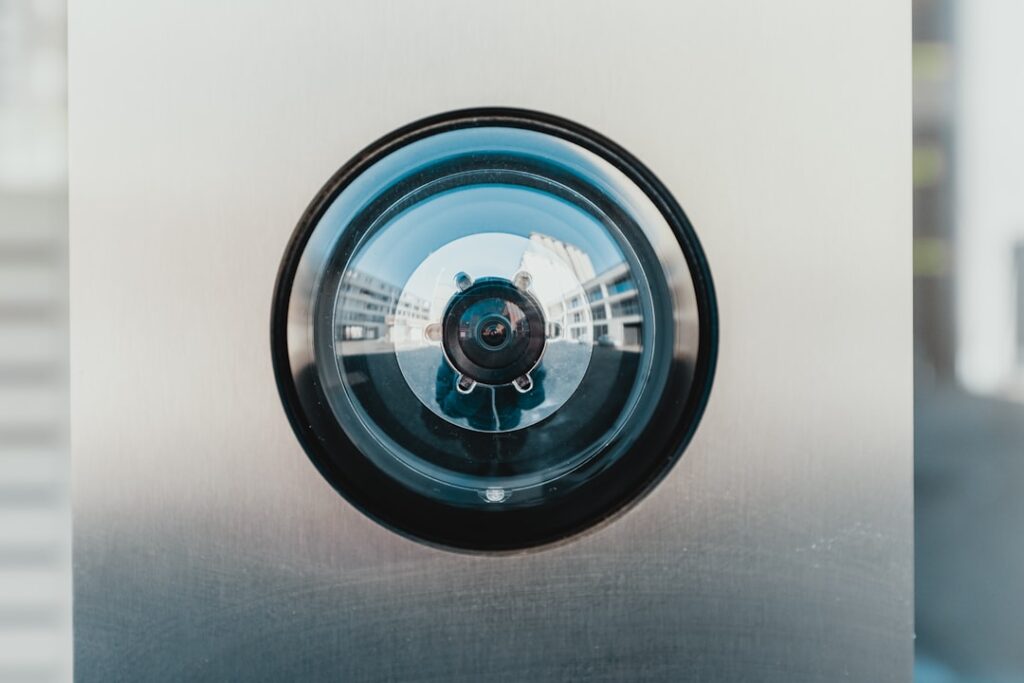
The best inspection cameras for most homeowners and inspectors are self-contained units: a handheld body with its own screen, a camera probe on a semi-rigid cable and a ring of LEDs at the tip. No phone, no app, no pairing. This guide compares only that screen-equipped style, because it is the format most people picture when they search for inspection cameras, and because the differences between units are real: screen size, how many lenses sit in the probe, whether the unit can save photos or video at all, whether the tip steers, and how long the battery runs. Several popular units cannot record anything, which matters a great deal if the goal is documenting a leak for a contractor or an insurer. Below are seven picks matched to specific jobs, then a buying guide for reading the specs.
Part of our Home Inspection Tools guide — start there for the full picture →
As an Amazon Associate we earn from qualifying purchases.
How we compared: we compared 15 current Amazon listings for borescope-style inspection cameras on what each listing actually states: screen size, lens count, photo and video capture, articulation, cable length, probe diameter, lighting, battery and warranty. Ten of the 15 have a built-in screen and five rely on a phone, so the picks below come from the ten screen-equipped units. We did not lab-test any of these cameras or handle them. Prices and availability change often, so check the current listing before buying.
Quick picks: the best inspection cameras by use case
| Pick | Best for | Key spec | Key detail |
|---|---|---|---|
| DEPSTECH DS620 | Documenting with a full-size screen | 5-inch IPS, three lenses | Saves photos and video to microSD (card not included) |
| Teslong NTS300 | Long sessions away from a charger | 5-inch IPS, dual lens | 5000mAh battery, about 4.5 hours stated |
| TGJOR G50 | Live viewing on a large screen | 5-inch screen, dual lens | Listing says it cannot take photos or video |
| Acoath ac02 | Steering the tip plus two lenses | 210° two-way articulation | 32GB card included; 24-month warranty |
| DXZtoz AGC430N | Engine bays and close-up detail | 220° articulation, 8.5mm probe | Widest stated focus range, 1–15 cm |
| Daxiongmao C30 | Peeking into walls through a small hole | 4.3-inch LCD, 8mm probe | 16.5 ft cable; live view only |
| Ditomil 19305 | Simple live view with zoom | 4.3-inch IPS, 16.5 ft cable | Only listing that includes cable fixing clips |
The seven picks, compared listing by listing
1. DEPSTECH DS620 — Best Screen Inspection Camera for Documentation
Triple-lens inspection camera with a 5-inch IPS screen, microSD photo and video capture, 10 LEDs and 16.5 ft cable.
Check price on Amazon| Specification | Details |
|---|---|
| Screen | 5-inch IPS display with real-time view |
| Lenses / image | Three lenses switched by a button; 2MP stills and 1080P video, 76° field of view per lens |
| Capture | Photos and video saved to a microSD card, which is not included |
| Cable / probe | Semi-rigid cable about 16.5 ft (4.9 m); IP67 probe; diameter not stated in listing |
| Lighting / battery | 10 adjustable LEDs in an 8+1+1 layout; 2–3 hours of continuous use |
| Model / warranty | DS620TL-5M; 24-month warranty; about 6.8 x 1.6 x 3.9 in |
DEPSTECH DS620 — 5-inch IPS, triple lens, 1080P video to microSD, 10 LEDs, 16.5 ft IP67 cable, 2-yr warranty
The Only Triple-Lens Camera on the Shelf, and One of Three Screen Units That Records
Five of the ten screen-equipped listings have more than one lens in the probe. Four of those are dual-lens designs; the DS620 is the only one with three, which means a front view and two side views without twisting the cable. It also has the most LEDs stated on the shelf, ten in an 8+1+1 layout, a layout that puts extra light beside the front ring rather than relying on it alone.
The bigger reason it leads this list is capture. Of the ten screen units, five listings say plainly that the camera cannot take photos or video, two do not mention capture at all, and only three describe saving images: this DS620, the Teslong TD450S and the Acoath ac02. Among those three, the DS620 is the only one with a 5-inch screen. A saved clip of a wet wall cavity or a cracked drain fitting is what a plumber, roofer or insurance adjuster will ask for, and a live-only camera cannot produce it.
The trade-offs are stated in the listing itself. The microSD card is sold separately, the stated runtime of 2–3 hours is the shortest among the screen units that give one, and the probe diameter is not listed, so confirm it fits the hole you plan to use. There is no articulation; the cable is steered by bending it.
Pros
- Only three-lens probe on the shelf
- Saves photos and 1080P video for reports
- 5-inch IPS screen and 10 LEDs
- 24-month warranty stated
Cons
- microSD card not included
- Shortest stated runtime of the screen units that list one
- Probe diameter not stated in listing
2. Teslong NTS300 — Best for Long Inspection Days
Dual-lens inspection camera with a 5-inch IPS screen, 5000mAh battery, 8mm probe and 16.5 ft cable.
Check price on Amazon| Specification | Details |
|---|---|
| Screen | 5-inch IPS, self-contained; no phone or app needed |
| Lenses / lighting | Forward and side cameras, 6 front LEDs plus 1 side LED, brightness adjustable |
| Cable / probe | 16.5 ft semi-rigid gooseneck; 8mm diameter; IP67 probe |
| Battery | Built-in 5000mAh; about 4.5 hours of use, about 5 hours to recharge |
| Capture | Not stated in listing |
| Model / warranty | NTS300; 12-month warranty; hard carrying case with hook, magnet and mirror |
Teslong NTS300 — 5-inch IPS, dual lens, 6+1 LEDs, 8mm x 16.5 ft IP67 cable, 5000mAh (~4.5 h), hard case
The Largest Stated Battery and Longest Stated Runtime Among the Screen Units
Four of the ten screen-equipped listings give a runtime. The NTS300 states about 4.5 hours, ahead of the DXZtoz at about 4 hours, the TGJOR at 3–4 hours and the DEPSTECH at 2–3 hours. Its 5000mAh battery is also the largest capacity named on the shelf; the next largest stated is 3000mAh. It is the only listing that also gives a recharge time, roughly 5 hours, which is useful for planning an overnight charge between jobs.
It is one of three 5-inch units, and the listing describes independent LEDs for the forward and side lenses. That matters in a wall cavity, where the side view is often the one that shows a wet stud or a gap in insulation, and a side lens lit only by spill from the front ring tends to look dim. The hard case with hook, magnet and mirror is mentioned in only three listings on this shelf.
What the listing does not say is whether the unit saves photos or video. It never mentions capture, either to deny it or to describe it. If documentation is the goal, confirm recording support before buying, or pick the DEPSTECH above.
Pros
- Longest stated runtime of the screen units
- 5-inch screen with separately lit forward and side lenses
- 8mm probe on a 16.5 ft cable
- Hard case included
Cons
- Photo and video capture not mentioned
- About 5 hours to recharge
- 12-month warranty, shorter than three competitors
3. TGJOR G50 — Best Large Screen for Live Viewing Only
5-inch dual-lens inspection camera with 16.4 ft cable and 3–4 hour battery; live view only, no recording.
Check price on Amazon| Specification | Details |
|---|---|
| Screen | 5-inch HD screen, 170° viewing angle |
| Lenses / image | Front and side lenses, switchable; 1080P; focus range about 1.2–4 in |
| Capture | Listing states it cannot take pictures or video |
| Cable / lighting | 16.4 ft semi-rigid cable; eight adjustable LEDs; IP67; probe diameter not stated in listing |
| Battery | 2000mAh; 3–4 hours of runtime |
| Model / warranty | G50; 1-year warranty |
TGJOR G50 — 5-inch screen, dual lens, 1080P live view (no capture), 8 LEDs, 16.4 ft IP67 cable, 2000mAh
The Only 5-Inch Screen Unit Built for Live Viewing Only
Five screen-equipped listings say outright that they cannot record: two MugEasy models, the Daxiongmao, a Ditomil and this TGJOR. The other four use 4.3-inch displays; the G50 is the only live-view unit with a 5-inch screen, and it adds a second, side-facing lens. For someone who only wants to see whether a drain trap is clogged or a mouse nest is behind a dishwasher, that is the core job.
The listing gives more operating detail than most: a 1.2–4 inch focus range, a 2000mAh battery and 3–4 hours of runtime, and a stated 1-year warranty. Only four screen listings give a runtime at all.
The limitation is spelled out in its own bullets. With no capture, any finding has to be described from memory or photographed off the screen with a phone. The listing also does not give the probe diameter, which matters when the plan is to drill an access hole.
Pros
- 5-inch screen, largest among live-view units
- Front and side lenses
- Runtime and focus range both stated
Cons
- Cannot save photos or video, per listing
- Probe diameter not stated in listing
- No articulation
4. Acoath ac02 — Best Articulating Camera With Two Lenses
Two-way 210° articulating, dual-lens camera with 4.3-inch IPS screen, 32GB card included and 24-month warranty.
Check price on Amazon| Specification | Details |
|---|---|
| Articulation | Two-way, 210° bend, 420° total range of motion |
| Lenses | 70° main lens and 60° side lens, one-button switching |
| Screen / capture | 4.3-inch IPS; 1920×1080 photos and video; 32GB card included |
| Cable / probe | 5 ft semi-rigid cable; 0.33 in probe; IP67 |
| Lighting | 8 LEDs with 4 brightness levels |
| Model / warranty | ac02 (AC-C50-004); 24-month warranty; protective case |
Acoath ac02 — 210° two-way articulation, dual lens, 4.3-inch IPS, 1080P capture, 32GB card, 5 ft IP67 cable
The Only Listing That Combines a Steerable Tip With Two Lenses
Three screen-equipped listings articulate: the Teslong TD450S, the DXZtoz AGC430N and this Acoath. Only the Acoath also puts two lenses in the tip, so the operator can bend the head around a corner and then switch to the side lens without rotating the cable. The listing gives the field of view for each lens, which few listings do.
It is also the only listing on the shelf that ships with a storage card already included, a 32GB card, and it states a 24-month warranty. Only three listings here state a two-year warranty. For an inspector who needs photos for a report the day the camera arrives, that removes one extra purchase. Our guide to the articulating borescope inspection camera explains when steering is worth the shorter cable.
The trade-off is reach. Like every articulating unit on this shelf, it uses a short cable, 5 ft here, against 16.4–16.5 ft on the fixed-tip units. It suits wall cavities, HVAC cabinets and engine bays, not long drain runs.
Pros
- Only articulating unit with dual lenses
- 32GB card included for immediate recording
- 24-month warranty
- Per-lens field of view stated
Cons
- 5 ft cable limits reach
- 4.3-inch screen, smaller than the 5-inch units
- Runtime not stated in listing
5. DXZtoz AGC430N — Best for Close-Up Detail and Engine Bays

220° two-way articulating camera with 8.5mm probe, 8X zoom, 1–15 cm focus, 4.3-inch IPS and 4-hour battery.
Check price on Amazon$109.39 as of Oct 12, 2026 9:55 am GMT+0000 — prices change; see Amazon for current price.| Specification | Details |
|---|---|
| Articulation | Two-way 220° steering via control wheel; 34mm bend section |
| Image | 2MP, 1080P; 8X zoom; focal distance 1–15 cm |
| Screen / capture | 4.3-inch IPS; photo and video capture not stated in listing |
| Cable / probe | 5.5 ft metal gooseneck; 8.5mm probe; IP67 and oil resistant |
| Lighting / battery | 8 LEDs, 4 brightness levels; 3000mAh, about 4 hours |
| Model / warranty | AGC430N; 12-month warranty; protective case |
DXZtoz AGC430N — 220° articulation, 8.5mm IP67/oil-resistant probe, 8X zoom, 1–15 cm focus, 5.5 ft cable, 3000mAh
The Widest Stated Focus Range on the Shelf
Five listings state a focus or observation distance. Most top out at about 10 cm (the two MugEasy units), 4 inches (TGJOR) or 5 inches (Daxiongmao). The DXZtoz states 1–15 cm, the widest range listed, so it can resolve a crack on a fitting close up and still show the shape of a cavity further away. It is also one of only two screen listings that mention a zoom function, and the only one that gives a zoom figure, 8X.
It is the only listing on this shelf to name oil resistance alongside IP67, and it describes a metal gooseneck cord. That makes it the stronger fit for furnace burner compartments and engine work than for clean wall cavities.
The listing never states whether it saves photos or video. It also has a short 5.5 ft cable, and its listed weight of about 3.1 lb is among the heavier figures given, though listed weights may include packaging.
Pros
- Widest stated focus range, 1–15 cm
- 8X zoom and 220° steering
- Oil-resistant probe and protective case
Cons
- Capture not mentioned in listing
- 5.5 ft cable
- 12-month warranty
6. Daxiongmao C30 — Best Simple Camera for Peeking Into Walls
4.3-inch LCD inspection camera with 8mm IP67 probe, 8 LEDs and 16.5 ft semi-rigid cable; live view only.
Check price on Amazon| Specification | Details |
|---|---|
| Screen | 4.3-inch color LCD; power on and view, no app |
| Capture | Listing states it cannot take pictures or video |
| Cable / probe | 16.5 ft semi-rigid cable; 8mm probe; IP67 with sealed connector |
| Lighting / focus | 8 adjustable LEDs; best viewing distance 1.5–5 in |
| Charging | USB-C; listing says use a 5V 1A charger, fast charging not supported |
| Model / warranty | C30-16.5FT; 180-day warranty; about 7.8 x 5.2 x 3.2 in |
Daxiongmao C30 — 4.3-inch LCD live view, 8mm IP67 probe, 8 LEDs, 1.5–5 in focus, 16.5 ft cable, 180-day warranty
The Only Listing That Describes Drilling a Small Hole to See Inside a Wall
Several listings mention wall cavities, but only the Daxiongmao describes the method most homeowners actually use: drill a small hole and feed the 8mm probe in rather than opening the drywall. Its stated 8mm diameter tells the buyer what bit size to plan around, a detail missing from five of the 15 listings.
It is a single-lens, live-only unit with a 4.3-inch screen and the long 16.4–16.5 ft cable class shared by 12 of the 15 listings. The listing is unusually specific about charging, telling owners to use a standard 5V 1A charger because fast charging is not supported.
The warranty is the weak point: 180 days, the shortest stated on the shelf. And like the TGJOR, it cannot save images, so findings have to be photographed off the screen.
Pros
- 8mm diameter stated, useful for planning an access hole
- 16.5 ft cable and 8 LEDs
- Clear charging guidance
Cons
- Cannot record, per listing
- 180-day warranty, shortest stated
- Single lens only
7. Ditomil 19305 — Best Basic Live-View Camera With Zoom
4.3-inch IPS live-view camera with zoom, 8 LEDs, 16.5 ft IP67 cable and three cable fixing clips.
Check price on Amazon| Specification | Details |
|---|---|
| Screen | 4.3-inch IPS, 1080P live view |
| Capture | Listing states it cannot take photos or videos |
| Image tools | Zoom function and wide viewing angle mentioned; zoom level not stated in listing |
| Cable / probe | 16.5 ft semi-rigid cable; IP67 probe; diameter not stated in listing |
| Lighting | 8 adjustable LEDs |
| In the box | Hook, magnet, mirror, charging cable and three fixing clips; warranty not stated in listing |
Ditomil 19305 — 4.3-inch IPS live view, zoom, 8 LEDs, 16.5 ft IP67 semi-rigid cable, 3 fixing clips
One of Two Screen Units With Zoom, and the Only One Shipping Fixing Clips
Only two of the ten screen-equipped listings mention zoom: the DXZtoz, which states 8X, and this Ditomil, which does not give a figure. The Ditomil is the only one of the two with a long 16.5 ft cable, so it pairs digital zoom with the reach for duct runs and drains. It is also the only listing on the shelf whose package includes cable fixing clips, which help keep a coiled cable tidy.
The listing makes a point of steering buyers away from phone-based designs, noting that the built-in screen avoids compatibility problems and keeps a phone out of messy work. Five of the 15 listings depend on a phone app.
Gaps: it cannot record, the probe diameter is not listed, and no warranty term is stated. It is a capable look-only tool and little more.
Pros
- Zoom on a long-cable screen unit
- Fixing clips plus hook, magnet and mirror included
- No phone or app needed
Cons
- Cannot save photos or video
- Zoom level and probe diameter not stated
- No warranty term stated
Screen-equipped vs phone-based inspection cameras
Five of the 15 listings are phone-based endoscopes: a probe and cable that plug into a phone’s USB-C or Lightning port and display through an app. They tend to state higher capture resolutions, typically 1920×1440, because the phone does the recording. The trade-off is handling. A phone has to be held, kept charged and kept clean, and app support varies; one listing even notes that some Android phones show a slightly blurrier image than iPhones.
A self-contained unit is faster to use on a ladder, in a crawlspace or under a sink, which is why inspectors usually prefer it. The catch is that a built-in screen does not guarantee recording. Read the capture line of every listing. On this shelf, half of the screen units say they cannot save anything. Value-focused shoppers comparing both styles can see our guide to the best borescope for the money.
Specs that matter, and how to read them
Screen size and type
Screens on this shelf come in three sizes: 4.3 inches (six listings), 4.5 inches (one) and 5 inches (three). The jump from 4.3 to 5 inches is small on paper but noticeable when reading a corroded pipe fitting at arm’s length. IPS panels hold color better at an angle, which helps when the screen is tilted in a cramped space.
Lens count
A single front-facing lens shows what is straight ahead. A side lens shows the wall of a pipe or the face of a stud, the view that matters most for leaks and rot. Dual-lens units switch between the two; the DEPSTECH adds a third. If a single-lens unit is the choice, the included side mirror does a rougher version of the same job.
Capture and storage
Look for explicit wording about photos, video and where they are saved. “Cannot take pictures and videos” appears in five listings, and two more never mention capture. If recording is the reason for buying, eliminate those first.
Articulation
Articulating tips bend on command through a joystick, wheel or slider. Every articulating unit on this shelf pairs that feature with a short cable of 5 to 5.5 ft, while fixed-tip units run 16.4 to 16.5 ft. Pick articulation for looking around corners in a confined area; pick length for running down a duct or drain.
Probe diameter, lighting and waterproofing
Stated diameters on this shelf run from 7.9mm to 8.5mm, and five listings omit the number. Eight LEDs is the norm; the DEPSTECH states ten and the Teslong NTS300 seven split across two lenses. IP67 appears on 14 of the 15 listings. It means the probe tolerates immersion, not that the handle does.
Battery and warranty
Runtime claims range from 2–3 hours to about 4.5 hours. Warranties stated range from 180 days to 24 months, and six listings state none.
How inspectors and homeowners actually use an inspection camera
Most real use is about water. The EPA notes that hidden mold can grow inside walls around leaking or condensing pipes, on the back side of drywall and inside ductwork, and the CDC says mold grows where there is moisture, such as around leaks in roofs, windows or pipes. An inspection camera is the least destructive way to look: a small hole behind a toilet, under a window or below a stain on the ceiling can confirm wet framing or visible growth before anyone opens a wall. Pair it with a moisture reading; our moisture meter for wood reviews covers the meters that complement a camera.
The EPA also cautions that investigating hidden mold requires care when it involves disturbing possible growth sites, because removing materials can release a large amount of spores. A camera lets a homeowner look without tearing anything out, and if growth turns up, the EPA suggests considering an experienced professional.
Ductwork is another common target. The EPA’s duct-cleaning guidance notes that many sections of a heating and cooling system may not be accessible for a visible inspection, and that confirming whether a substance is actually mold can require an expert and sometimes laboratory analysis. A camera can show debris, pest activity or visible growth inside a register, but it cannot identify what that growth is.
Other routine jobs: checking behind appliances, finding where a mouse is getting in, looking into a wall before cutting for an outlet, viewing the inside of a drain trap, and checking a furnace burner area. For wider temperature-based screening of walls and ceilings, a thermal imager covers far more area per minute; our thermal camera system guide explains how the two tools work together.
Colorado notes for Front Range homes
Front Range homes are dry most of the year, so water damage tends to be local and episodic: a supply line that drips behind a refrigerator, an ice dam that pushes melt under shingles after a spring snow, a window that leaks during an afternoon hailstorm. Those are exactly the hidden, one-spot problems a camera is good at confirming. Basement finishes are common in Denver, Jefferson and Arapahoe county homes, and the wall behind a finished basement panel is a frequent place to look after a sump or plumbing event.
Cold winters add one practical point. Cables stiffen in a cold garage or crawlspace, and batteries lose runtime in the cold, so the longer stated runtimes above are more useful on a January inspection than in July. Let a cold unit warm up before flexing a semi-rigid cable hard.
Sewer lines are a separate category. A handheld camera with a 16.5 ft cable is not built to run a main sewer line; that work uses a dedicated sewer scope with a much longer push cable. Our sewer scope inspection cost guide covers what that service involves for buyers in older Front Range neighborhoods.
The limits of a DIY inspection camera
A camera shows only what is in front of the lens. It cannot tell whether a dark patch is mold, staining or dirt, it cannot measure moisture, and a single drilled hole samples a few square inches of a wall. The ASHI Standard of Practice frames a home inspection around readily accessible, visually observable systems and components, and it does not require an inspector to dismantle systems or probe surfaces where no deterioration is visible or presumed. A camera extends what is visible without crossing that line, which is why inspectors use it to support a finding rather than replace one.
Safety matters too. Do not feed a probe into a live electrical box, keep the handle out of standing water even when the probe is IP67, and do not climb into tight attic or crawlspace areas just to reach a better angle. OSHA describes confined spaces as areas with limited means of entry or exit that are not designed for continuous occupancy; crawlspaces can share those hazards. A camera is often the safer way to see into those spaces.
When a camera finds water, growth, pest damage or a structural concern, the next step is a professional evaluation. For more on the full set of tools inspectors carry, see our home inspection tools guide, or browse current models in the borescope category. Front Range buyers and sellers who want a hidden-damage question answered before closing can contact us to connect with a local inspector.
References
- A Brief Guide to Mold, Moisture and Your Home — U.S. Environmental Protection Agency
- Should You Have the Air Ducts in Your Home Cleaned? — U.S. Environmental Protection Agency
- Mold — Centers for Disease Control and Prevention
- Standard of Practice — American Society of Home Inspectors
- Confined Spaces — Occupational Safety and Health Administration
Frequently asked questions
What is the best inspection camera for home use?
For most homes, a self-contained camera with a built-in screen, a 16 ft semi-rigid cable and the ability to save photos and video covers the common jobs: wall cavities, drains, ducts and behind appliances. On current listings, recording support varies widely, so confirm the listing states photo or video capture before buying.
Do all inspection cameras with a screen record video?
No. Of the ten screen-equipped listings compared here, five state that they cannot take photos or video and two do not mention capture at all. Live-view units are fine for a quick look but cannot document a finding for a contractor or insurer.
Is an articulating inspection camera worth it?
Articulation lets the tip bend on command, which helps in engine bays, HVAC cabinets and wall cavities with obstructions. On this shelf, every articulating unit has a short 5 to 5.5 ft cable, so it is a poor choice for long duct or drain runs.
Can an inspection camera find mold inside walls?
A camera can show visible growth or water staining inside a wall cavity through a small hole, which the EPA lists as a common hidden-mold location. It cannot identify whether a substance is mold; the EPA notes that confirmation may require an expert and laboratory analysis.
What cable length should an inspection camera have?
Most fixed-tip units come with about 16.4 to 16.5 ft of cable, which covers wall cavities, ducts and drain traps. Articulating units trade that for 4 to 5.5 ft. Main sewer lines need a dedicated sewer scope, not a handheld inspection camera.
Found a wet wall cavity or a suspicious stain with your camera? Reach out through our contact page to connect with a vetted Front Range inspector.