Borescopes & inspection cameras
A borescope, also sold as an inspection camera or endoscope camera, puts a small camera and light on the end of a probe so you can see inside walls, ducts, drains and engines without taking them apart. For most homeowners, the short answer is a semi-rigid probe around 8 mm or smaller with built-in LED lighting, paired with either a phone app or a handheld screen. This page covers the specs that matter and when a sewer camera is the better tool. The product buttons below go to Amazon, where you can check the live price and current availability.
What a borescope is used for around the home
The main appeal of an inspection camera is avoiding needless demolition. A small hole, an existing opening or a removed cover plate is often enough to get a clear look at a problem before deciding whether a wall, ceiling or floor really needs to be opened. Common household uses include:
- Behind walls and ceilings. Checking for a suspected plumbing leak, water staining, mold growth, pest activity or missing insulation through an outlet box, a switch plate opening or a small drilled hole.
- HVAC ducts and vents. Looking for debris, disconnected sections, crushed flex duct or dust buildup inside supply and return runs.
- Drains and traps. Spotting hair clogs, foreign objects or damage in sink and tub drains a short distance from the opening. A waterproof camera head is essential here.
- Engines and equipment. Looking into cylinders through a spark plug hole, or inside small engines, appliances and machinery, without disassembly.
- Hard-to-reach spots. Retrieving a dropped part, tracing a cable run, or checking behind appliances and under cabinets.
A borescope shows what is there; it does not diagnose the cause. Moisture readings, an experienced eye and sometimes a licensed tradesperson are still needed to judge what the picture means. Also keep in mind that any hole drilled in a wall can meet wiring or pipes, so shut off power to the circuit and probe gently near electrical boxes.
Key specs to compare
Inspection cameras look similar in listings, but a few specifications decide whether one will actually reach and show what you need.
- Probe diameter. Smaller probes fit tighter openings. Around 8 mm is common and fits most wall and drain uses; 5 to 6 mm probes fit smaller gaps and spark plug holes; micro probes under 4 mm exist for very tight spaces, usually with a narrower view and dimmer lighting.
- Cable length. Household models commonly range from a few feet to 30 feet or more. Longer is not always better: a long semi-rigid cable is harder to steer and store. Pick a length that matches the deepest space you expect to inspect.
- Probe type. Rigid probes are straight tubes, good for direct line-of-sight inspections and precise aiming. Semi-rigid cables hold a bent shape, which helps push the camera around a stud bay or into a duct. Flexible cables bend freely but are hard to aim. Articulating probes let you steer the tip with a control on the handle, the most versatile and most expensive option.
- Single or dual lens. A dual-lens camera adds a side-view lens, which makes it easier to look at the wall of a pipe or the inside of a cavity instead of only straight ahead.
- Resolution and focus. Higher resolution helps when zooming into a still image, but focal distance matters as much: most borescopes focus best within a few inches, so distant objects look soft.
- Lighting. Adjustable LEDs around the lens help balance glare on shiny pipe and dark cavities.
- Phone app or built-in screen. Wi-Fi and USB models stream to a phone or tablet and are often cheaper; a built-in screen avoids app pairing, battery drain on the phone and compatibility issues. iPhone users should confirm the camera works with iOS, since some USB models are Android-focused.
- Waterproof rating. An IP67 rating on the camera head is common and suits drains and damp spaces. The handle and screen are usually not waterproof.
Borescope vs plumbing and sewer cameras
A household borescope and a sewer inspection camera use the same basic idea, but they are built for very different distances. A borescope cable is designed to be pushed a few feet to a few dozen feet, and a semi-rigid cable loses steering control well before that. A sewer camera uses a stiff push rod, often 50 to 200 feet or more, wound on a reel, with a larger self-leveling camera head built to travel through drain lines and around fittings. Many sewer cameras add a built-in locator transmitter (sonde) so the camera position can be traced from the surface, plus a footage counter and recording.
For a clogged bathroom sink or a quick look into a floor drain, a waterproof borescope can be enough. For the main sewer line, root intrusion, a suspected collapse or a pre-purchase check of an older home, a dedicated sewer camera or a professional sewer camera inspection is the right tool.
| Tool | Typical reach | Best for | Notes |
|---|---|---|---|
| Rigid borescope | Short, straight | Engines, straight bores, precise aiming | Cannot bend around corners |
| Semi-rigid borescope | A few feet to about 30+ feet | Wall cavities, ducts, short drain runs | Holds a bend; most common household type |
| Articulating inspection camera | A few feet | Looking around obstructions inside walls and equipment | Steerable tip; higher price |
| Phone-app (Wi-Fi/USB) borescope | Varies | Occasional DIY use on a budget | Check iOS/Android compatibility |
| Sewer/drain camera | About 50 to 200+ feet | Main sewer lines and long drain runs | Push-rod reel, larger head, often a locator; also available to rent |
How to choose
Start with the job. For occasional peeks behind drywall and into ducts, a semi-rigid, waterproof camera with an 8 mm or smaller head and adjustable LEDs covers most needs. For spark plug holes and very tight gaps, look for a smaller probe. For frequent use or work in awkward spaces, a dual-lens or articulating camera saves time. Before buying, check:
- Probe diameter and cable length against the openings and depths you actually face.
- Screen preference. Decide whether a phone app is acceptable or a built-in display is worth having.
- Waterproofing on the camera head if drains or damp areas are on the list.
- Accessories. Hooks, magnets and mirrors help retrieve small items and view sideways with a single-lens camera.
- Recording. Photo and video capture make it easier to share findings with a contractor or insurer.
Our picks in this category
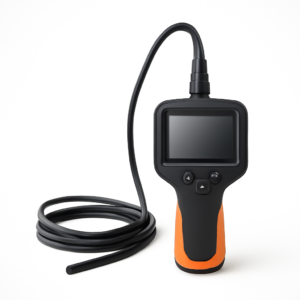
The Anykit Wireless Endoscope streams to a phone over Wi-Fi with a semi-rigid cable and LED lighting, an accessible starting point for occasional looks behind walls and into drains.
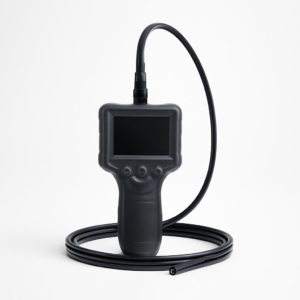
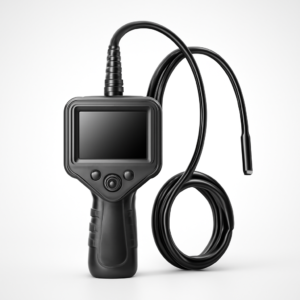
The Teslong NTS300 Dual-Lens pairs a front and side-view camera with a built-in handheld screen, so there is no app to set up and pipe or cavity walls are easier to see.
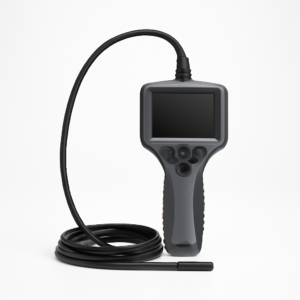
The Ridgid micro CA-150 is a handheld inspection camera with a built-in screen from an established plumbing-tool brand, suited to buyers who want a dedicated, rugged unit for regular use.
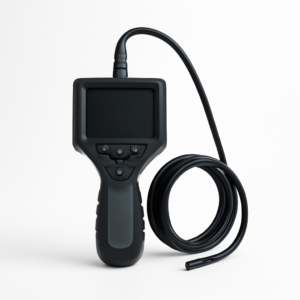
The Teslong Dual-Lens Borescope offers front and side views for inspecting pipes, ducts and wall cavities, helpful when looking straight ahead is not enough.
The DEPSTECH Wireless Borescope is a Wi-Fi model that uses a phone or tablet as its screen, a practical budget-minded option for household inspections.
Related guides
New to these tools? Start with what a borescope is, and see borescope vs endoscope for why the two names are used interchangeably. The best borescope inspection camera buyer guide compares models across price ranges.
Probe style is covered in the articulating borescope guide and the rigid borescope guide, while the small diameter borescope guide helps with very tight openings. Phone users can compare options in the iPhone borescope guide and the borescope for Android guide.
For plumbing work, the drain camera inspection guide and the sewer camera guide explain when a longer push-rod camera is needed. Mechanically minded readers can see the engine borescope guide for spark plug hole inspections.
References
Frequently asked questions
What is the difference between a borescope and an endoscope camera?
In consumer tools, the terms are largely interchangeable. Both put a small camera and light on the end of a probe for viewing hard-to-reach spaces. Endoscope is also a medical term, while borescope comes from industrial inspection of engines and machinery, but the inspection cameras sold for home use are essentially the same product.
Can a borescope see inside walls?
Yes. A borescope can be fed through an outlet box, a switch opening or a small drilled hole to check for leaks, moisture staining, mold, pests or insulation. Turn off power to nearby circuits before probing near electrical boxes, and drill carefully to avoid hidden wiring and pipes.
Can I use a borescope to inspect a sewer line?
Only for short distances. Household borescope cables are designed for a few feet to a few dozen feet and lose steering control over longer runs. Main sewer lines call for a dedicated sewer camera with a push-rod reel, often 50 to 200 feet or more, or a professional sewer camera inspection.
What probe diameter should I buy?
Around 8 mm suits most household uses, including wall cavities, ducts and drains. A 5 to 6 mm probe fits tighter gaps and spark plug holes. Very small micro probes are useful for tight spaces but usually trade off image quality, lighting and view width.
Is a phone-app borescope as good as one with a built-in screen?
Phone-app models are often cheaper and use a larger, sharper screen, but they depend on Wi-Fi or USB pairing, app support and the phone's battery. A built-in screen is simpler and more reliable on the job. Check that any app-based model supports your phone's operating system before buying.
5 products
Guides on borescopes & inspection cameras
Gear picks you can trust
Tied to our guides
Each product maps to a topic we cover in depth — radon, mold, lead, moisture, electrical and thermal inspection — so you know what the tool is for before you buy.
Short list on purpose
No endless catalog. We list the kinds of kits and meters we’d point a homeowner or new inspector to, not every model on the market.
No extra cost
Buttons open Amazon, where you check the live price and buy. As an Amazon Associate we earn from qualifying purchases, at no cost to you.
Frequently asked
- Do you sell these products?
- No. We’re a guide-first site — every button takes you to Amazon to complete the purchase there.
- Why don’t you show prices?
- Amazon prices change constantly, so we send you to the live listing rather than show a number that may be out of date.
- Is a DIY kit a substitute for a professional inspection?
- For screening, often yes. For real-estate transactions, remediation clearance or anything health-critical, use a certified professional — our guides explain when.